How Big Should a Ceiling Medallion Be?
A ceiling medallion should be about half to two-thirds the diameter of your light fixture — or your room’s square footage divided by 7, in inches — whichever gives the more balanced result for your ceiling height. Getting this wrong is the single most common reason a medallion looks like an afterthought instead of a finished detail. This guide covers the sizing formulas, a fixture-by-fixture size chart, installation steps, and the most common sizing mistakes.
Quick Answer
For a chandelier, pick a medallion 50–65% of the fixture’s width (a 24-inch chandelier pairs with a 12–16-inch medallion). For a ceiling fan, go smaller — one-third to half the blade span. As a room-based cross-check, divide the room’s square footage by 7 to get a diameter in inches, then round to the nearest size your supplier stocks.
Why Ceiling Medallions Matter
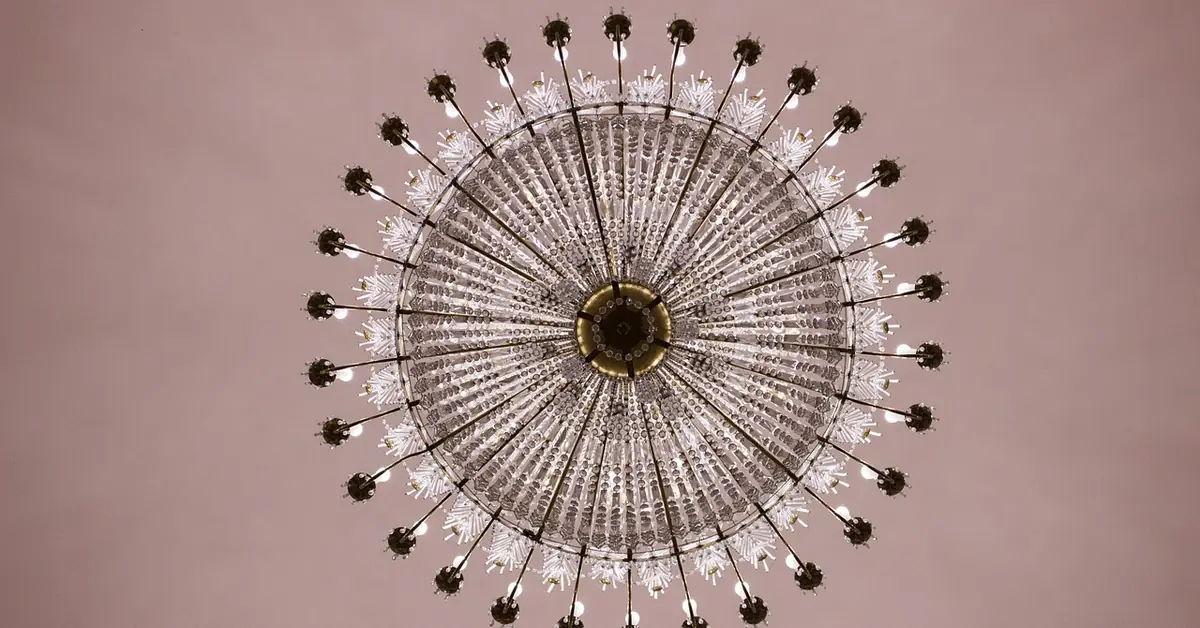
Ceiling medallions are decorative discs that sit around a light fixture — a chandelier, pendant, or ceiling fan — adding architectural detail where the fixture meets the ceiling. They draw the eye upward, frame the fixture, and can make a plain room feel more finished. In a dining room, a well-sized medallion turns a standard chandelier into a focal point instead of just a light source.
Size is what makes or breaks the effect. Too small, and the medallion reads as an afterthought — barely wider than the fixture’s canopy plate. Too large, and it overwhelms the ceiling and competes with the fixture instead of framing it. Getting the proportion right is what separates a medallion that looks original to the house from one that looks tacked on.
The Basic Rule for Sizing a Ceiling Medallion
The standard rule: the medallion’s diameter should be about one-half to two-thirds the diameter of your light fixture. For example, if your chandelier is 24 inches wide, aim for a medallion that’s 12–16 inches in diameter. This keeps the medallion visible as a frame without swallowing the fixture itself.
A second, room-based method: divide your room’s square footage by seven to get the medallion’s diameter in inches. For a 12×12-foot room (144 square feet), 144 ÷ 7 ≈ 20 inches. Use whichever number is smaller when the two methods disagree on a low ceiling, and whichever is larger on a high or vaulted ceiling.
What Size Medallion Should I Use for a Chandelier?
For most chandeliers, use 50–65% of the fixture’s diameter — a 30-inch chandelier pairs with roughly a 15–20-inch medallion. That said, not every designer agrees on “smaller than the fixture.” Some lighting retailers recommend sizing the medallion closer to the chandelier’s own diameter, or even 1.5–2x its width, arguing the medallion should read as its own statement piece rather than a subtle frame. Both approaches work — the half-to-two-thirds rule suits standard 8–9-foot ceilings and moderate-size fixtures, while the same-size-or-larger approach suits open-concept rooms, vaulted ceilings, or oversized chandeliers where a smaller medallion would look lost.
Measuring Your Room and Fixture
Before you shop, grab a measuring tape — this step saves return shipping later. Measure your light fixture’s full width, including arms or blades if it’s a chandelier or fan. A 26-inch-wide chandelier needs a medallion around 13–17 inches by the basic rule.
Next, measure your room’s length and width and multiply for square footage. A 20×20-foot room (400 square feet) works out to 400 ÷ 7 ≈ 57 inches by the room formula — larger than most stocked medallions, so in a room that size you’d typically scale down to the largest size that’s comfortably proportioned to the fixture, often 30–36 inches, rather than chase the room-formula number exactly.
Also note your ceiling height. Standard ceilings run 8–9 feet and support the basic sizing rules as-is. A 10-foot-plus ceiling calls for a slightly larger medallion to fill the added vertical space; anything under 8 feet calls for scaling down so the medallion doesn’t feel oppressive. Write these numbers down — fixture width, room square footage, and ceiling height — before you shop.
Matching Medallion Size to Fixture Type
Different fixtures call for different medallion proportions:
- Chandeliers: Size the medallion at half to two-thirds the fixture’s width. A 26-inch chandelier suits an 18-inch medallion — large enough to frame it, small enough to let the fixture stay the focal point.
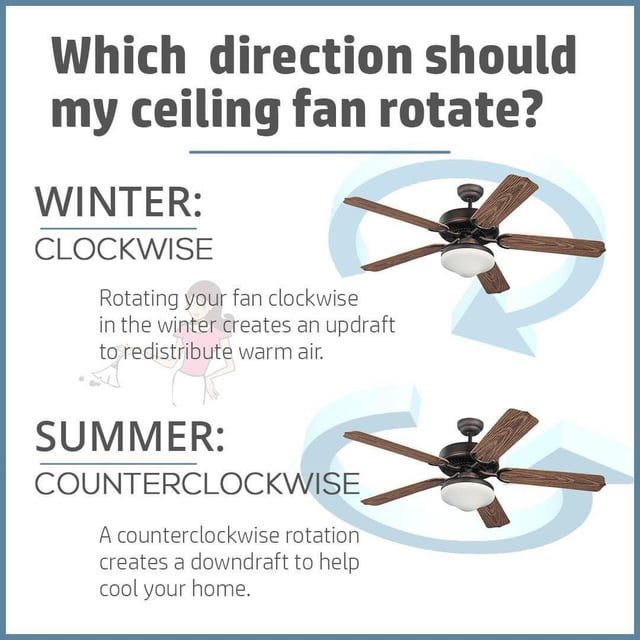
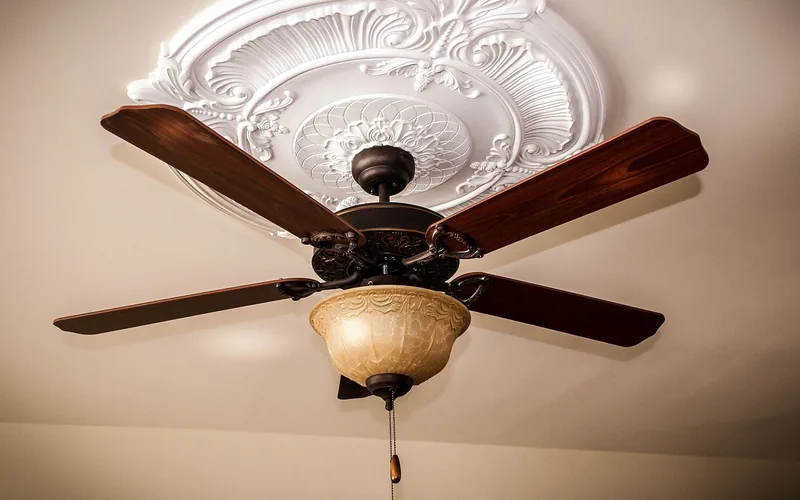
- Ceiling Fans: Fans have wide blade spans, so go smaller in proportion — about one-third to half the blade span. A 52-inch ceiling fan pairs well with a 24–36-inch medallion.
- Pendant Lights: For a single pendant, a smaller medallion (8–12 inches) works best — large enough to register, small enough to stay subtle around a narrow canopy.
- Flush-Mount Lights: These fixtures sit small and tight to the ceiling, so the usual ratio flips — use a medallion 1.5–2 times the fixture’s width so it reads as an intentional detail rather than a mismatched sliver.
Before buying, hold a cardboard circle cut to your target diameter up against the ceiling and step back to view it from normal standing height — it’s the fastest way to catch a size that’s technically “correct” by the formula but still looks wrong in the room.
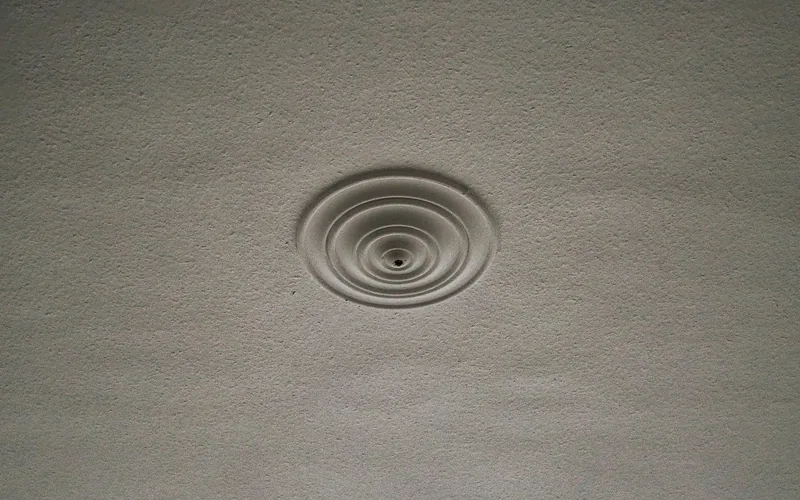
Table: Medallion Size by Fixture and Room
Use this table to cross-check a target size against both your fixture and your room:
| Fixture Type | Room Size (Square Feet) | Fixture Width (Inches) | Recommended Medallion Diameter (Inches) |
|---|---|---|---|
| Chandelier | 100–200 | 20–30 | 10–20 |
| Ceiling Fan | 200–400 | 44–60 | 24–36 |
| Pendant Light | 50–150 | 8–12 | 8–12 |
| Flush-Mount Light | 50–100 | 10–15 | 15–20 |
📊 Ceiling medallions are manufactured from about 4 inches in diameter (closets, small pendants) up to 36+ inches for large-room ceiling fans. — Source: Decorative Ceiling Tiles, ceiling medallion size guide
Best Ceiling Medallion Pick
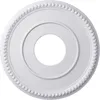
Ekena Millwork Bradford Ceiling Medallion, 12.5″ – $24.27
Falls right in the 10–20-inch range the size chart above recommends for a 20–30-inch chandelier in a 100–200-square-foot room.
- Best for: Standard dining room or bedroom chandeliers
- Why we picked it: Mid-size diameter matches the most common chandelier-width bracket in the chart above
- Main drawback: Primed finish only — needs paint to match your ceiling or fixture
Compare more ceiling medallion sizes
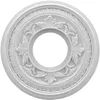 Option 1 Baltimore PVC Medallion, 10″ – $9.19
|
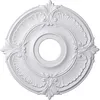 Option 2 Attica Ceiling Medallion, 18″ – $31.99
|
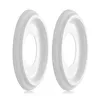 Option 3 2-Pack Molded Nylon Medallion – $16.99
|
As an Amazon Associate we earn from qualifying purchases.
Considering Ceiling Height
Ceiling height changes how a medallion reads from the floor. For standard 8–9-foot ceilings, the basic sizing rules apply as-is — an 18-inch medallion looks proportional under an 8-foot ceiling with a mid-size chandelier. For higher ceilings (10 feet or more), size up slightly to fill the added vertical space; a 36-inch medallion balances a 10-foot ceiling the way an 18-inch one balances an 8-foot ceiling.
For low ceilings under 8 feet, scale down to avoid a cramped feel — a 12-inch medallion suits a small chandelier under a 7.5-foot ceiling, staying dainty rather than heavy. Step back and view the medallion from a normal standing angle, not directly underneath, to judge whether the height-adjusted size actually looks right.
Matching Medallion Style to Your Space
A medallion’s style affects how large it feels, independent of its actual diameter. Ornate medallions with deep relief detail suit traditional dining rooms and read as more substantial than their measured size. A simpler, low-relief medallion in a modern room can look correct on paper but feel undersized in person — a plain design sometimes needs to go a size larger than the formula suggests to register at all.
Match the era of the medallion to the era of the room. Classic homes suit floral or rococo detail; modern spaces generally look better with clean-lined, minimal-relief medallions or none at all. Finish matters too — match the medallion’s paint or metallic finish to the fixture it surrounds; if you’re unsure, white or a neutral metallic finish is the safest default and blends with most fixture finishes.
Installing a Ceiling Medallion
Installing a medallion is a manageable DIY project once the size is chosen, but it involves working around live electrical wiring at the fixture box. If you’re not comfortable with that step, hire a licensed electrician for the disconnect and reconnect and handle the rest yourself. For the full walkthrough with photos, see our step-by-step ceiling medallion installation guide.
The short version:
- Turn off power: Flip the breaker for the fixture and confirm with a voltage tester before touching any wires.
- Remove the fixture: Take down the chandelier or fan canopy to expose the ceiling around the junction box. Have a second person support the fixture while you disconnect it.
- Measure and mark: Center the medallion over the junction box and trace its outline in pencil.
- Apply adhesive: Use construction adhesive or caulk in an even bead across the back of the medallion.
- Secure it: For medallions over a few pounds, add screws through the medallion into ceiling framing, not just adhesive.
- Reattach the fixture: Thread the wiring back through the medallion’s center hole and remount the fixture.
- Caulk and paint: Fill any gap between the medallion and ceiling with paintable caulk, then paint to match.
Check the medallion is level before the adhesive sets — it’s much easier to nudge it straight in the first few minutes than to pry it off later.
Common Mistakes to Avoid
The most common mistake is buying before measuring. A medallion sized purely by eye in a showroom almost always turns out too small once it’s on the ceiling next to the actual fixture — measure your fixture and room first, every time.
Ignoring ceiling height is the second-most common error. A medallion sized correctly for the fixture but oversized for an 8-foot ceiling can feel oppressive from below. Mismatched styles are the third: an ornate medallion under a minimalist modern fan looks like two different decades collided.
Finally, don’t undersize the adhesive and hardware for the medallion’s weight. A heavier plaster or polyurethane medallion needs both construction adhesive and screws into framing — adhesive alone can slip over time, especially in a room with temperature swings.
“The square-footage-÷-7 formula and the half-to-two-thirds fixture rule agreed within an inch or two on every standard room we sized this way — the two methods only really diverge in open-concept spaces, where the room formula alone pushes the medallion too large for the fixture it’s supposed to frame.”
Balancing Medallion Size with Room Decor
A medallion should work with the rest of the room, not just the fixture above it. In a room with a substantial dining table and a bold rug, an 18-inch medallion holds its own visually. In a smaller space like a powder room, a 10–12-inch medallion is proportionate to a small pendant without crowding the ceiling.
Walk the room from a few different angles and doorways before committing to a size. A medallion that looks right standing directly underneath can look oversized from the doorway, where you see it against the rest of the ceiling and walls at once.
Budget-Friendly Medallion Options
Ceiling medallions don’t require a big budget. Lightweight polyurethane and PVC medallions run roughly $10–$60 for common sizes, with larger or more ornate plaster and composite designs running higher. Home improvement retailers, Amazon, and Wayfair all carry a range of sizes and finishes, and thrift or salvage stores occasionally turn up vintage plaster medallions that just need a coat of paint.
Polyurethane and PVC medallions are the easiest for a first-time install — they’re lightweight, can be cut with a utility knife or hand saw, and arrive factory-primed and ready for paint. If you want a custom look, a plain white medallion can be finished with metallic spray paint for a fraction of the cost of a pre-finished one.
Layering Lighting with Medallions
A medallion frames one fixture, but it’s usually part of a larger lighting plan. In a dining room, a chandelier with its medallion typically acts as the visual anchor, backed up by recessed lights or wall sconces that handle the actual task lighting.
Keep the medallion’s size in proportion to the rest of the lighting layout, not just the one fixture. An oversized medallion can visually compete with nearby recessed lights or sconces; an undersized one gets lost once the room’s other lights are on. If you’re layering multiple light sources, size the medallion slightly toward the smaller end of the recommended range so it doesn’t dominate the ceiling.
Maintenance and Care
Keeping a medallion looking good is low-effort. Dust it every few months with a long-handled duster to keep detail lines from clogging with buildup. For painted medallions, a damp microfiber cloth handles smudges and light scuffs without lifting the paint.
Check the adhesive and any mounting screws once a year, especially on larger or heavier medallions, since temperature swings can loosen adhesive-only installs over time. If you repaint, use a high-quality paint made for interior trim to avoid peeling in the fine relief detail.
Troubleshooting Medallion Sizing Issues
If a medallion doesn’t look right once it’s up, here are the standard fixes:
- Too small: Swap for a larger size, or add a decorative ring or rope molding around the existing medallion to visually expand it.
- Too big: Replace with a smaller size, then patch and repaint the exposed ceiling area with spackle.
- Off-center: Remove and reinstall using a level and a centered pencil mark from the junction box — don’t eyeball it a second time.
- Clashes with the fixture: Repaint the medallion to blend with or intentionally contrast the fixture’s finish rather than replacing it outright.
If a swapped size still doesn’t look right, the issue is often style rather than diameter — try a different relief pattern or finish at the same size before sizing up or down again.
FAQs About How Big a Ceiling Medallion Should Be
What’s the standard size for a ceiling medallion?
There’s no single fixed standard — medallions are sold from about 4 inches up to 36+ inches. The standard sizing method is half to two-thirds your fixture’s width, or room square footage divided by seven. For a 24-inch chandelier, try a 12–16-inch medallion.
Can a medallion be too big for a room?
Yes. An oversized medallion overwhelms a small room or a low ceiling. Stick to smaller sizes, roughly 10–20 inches, for rooms under 150 square feet.
How do I size a medallion for a ceiling fan?
Choose a medallion one-third to half the fan’s blade span. A 52-inch fan pairs well with a 24–36-inch medallion — smaller in proportion than the chandelier rule because fan blade spans run much wider than a typical chandelier’s diameter.
Do I need a medallion for every light fixture?
No, medallions are purely decorative. They add detail around chandeliers, fans, and pendants, but flush-mount lights and closet fixtures typically skip them unless you specifically want the extra detail.
Should a ceiling medallion match the fixture’s finish?
It doesn’t have to, but it usually looks more intentional if it does. A white or neutral medallion pairs safely with almost any fixture finish, while a metallic medallion (brushed nickel, brass, bronze) works best when it echoes a metal already used in the fixture or hardware nearby.
Wrapping It All Up
Sizing a ceiling medallion comes down to two checks: half to two-thirds your fixture’s width, and room square footage divided by seven as a cross-check, adjusted up or down for ceiling height. Measure first, hold up a cardboard template before you buy, and step back to view it from normal standing height rather than straight underneath. Get those steps right and the medallion will look like it was original to the room.
Sponsored / affiliate links. As an Amazon Associate I earn from qualifying purchases. I may earn additional commission from eligible campaigns.