How to Work a Ratchet: Mastering Essential Tools
Ever found yourself staring at a toolbox, trying to figure out which tool is which? You’re not alone.
Among the many tools, a ratchet might seem a bit mysterious if you’re not familiar with it. But here’s the thing: mastering a ratchet is easier than you think, and it can make your DIY projects or repairs much smoother.
Imagine the satisfaction of effortlessly tightening or loosening bolts without breaking a sweat. Intrigued? Stick around, because in this guide, you’ll uncover the secrets to using a ratchet like a pro. Whether you’re a seasoned handyman or just getting started, understanding this tool can save you time and effort. Ready to dive in? Let’s simplify the process and boost your confidence with this essential tool.
Understanding Ratchets
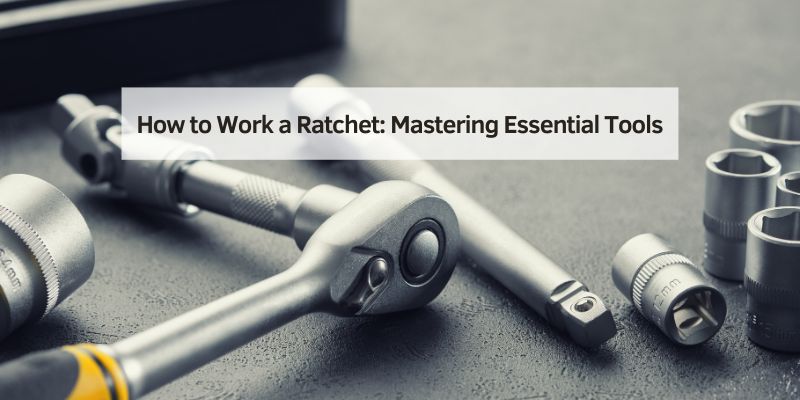
A ratchet is a tool that helps you turn things. It has a handle and a part that turns. This tool is used to tighten or loosen nuts and bolts. You can move it in one direction. It stops in the other. This is because of its special gear. This gear makes work easier. Many people use ratchets for fixing things. They are very handy tools.
There are different types of ratchets. Socket ratchets are common. They use sockets to fit different bolts. Torque ratchets help measure force. Adjustable ratchets change size to fit parts. Each type has a special use. Knowing which one to use is important. It helps you do your work better. Always choose the right ratchet for the job.
Key Components
The handle is where you grip the ratchet. It should feel comfortable. Handles are often made of metal or plastic. Some handles have a rubber grip. This helps prevent slipping. A longer handle gives more power. A shorter handle allows better control. Choose a handle that fits your needs.
Drive size is the hole where sockets fit. Common sizes are 1/4 inch, 3/8 inch, and 1/2 inch. Larger sizes fit bigger bolts. Smaller sizes fit smaller bolts. Use the right drive size for the job. This ensures a good fit and prevents damage.
The ratchet mechanism allows turning in one direction. It clicks when moving in the opposite direction. This makes tightening or loosening nuts easy. Reversible mechanisms can change direction. Some ratchets have a lever to switch direction. Others have a dial. A smooth mechanism is important. It helps work faster and with less effort.
Choosing The Right Ratchet
Picking the correct ratchet is important. Size matters. Small ratchets fit tight spaces. Large ones give more power. Material is key. Steel lasts longer. Plastic is light but less strong. Handle grip affects comfort. A good grip helps in long use. Locking mechanism is crucial. It prevents slipping. Price counts. Quality ratchets cost more but last longer.
Ratchets come in different sizes. Quarter-inch ratchets are for small tasks. Three-eighth inch ratchets suit medium jobs. Half-inch ratchets handle heavy work. Drive size affects socket use. Smaller drives fit small sockets. Large drives fit big sockets. Common uses include car repair and furniture assembly. Right size ensures efficiency and safety.
Credit: www.youtube.com
Basic Ratchet Techniques
Start by grabbing the ratchet handle. Hold it firmly with one hand.
Place the socket onto the bolt or nut. Push it until it clicks.
This means the ratchet is ready. Now, turn the handle in one direction.
Listen for the clicking sound. This sound is good. It means the ratchet is working.
Switching direction is easy. Look for a small lever on the ratchet.
Move it to change direction. If the ratchet was turning right, now it turns left.
Test it by turning the handle again. The clicks will sound different.
This means the ratchet direction has changed. Always keep the ratchet clean.
It helps the tool last longer.
Advanced Ratchet Skills
Operating a ratchet involves understanding its directional switch and ensuring a snug fit on the bolt. Rotate the handle to tighten or loosen, applying steady pressure. Regular practice enhances your skills, making tasks easier and efficient.
Using Extensions
Extensions make your ratchet tool longer. This helps reach tight spaces. Connect the extension to the ratchet’s drive head. Then, attach the socket to the other end. Ensure the socket fits the nut or bolt snugly. Longer extensions can bend, so handle them gently. Always check the strength of the connection.
Utilizing Socket Adapters
Socket adapters change the drive size of your ratchet. This helps fit different sockets. Attach the adapter to the drive head of the ratchet. Then, add your socket to the adapter. Choose the right adapter size for your task. Remember, adapters can add length. Be careful to avoid bending. Practice makes switching adapters easier.
Maintenance Tips
Cleaning keeps your ratchet in good shape. Use a soft cloth to wipe it. Remove dirt and grime. Avoid water as it can rust the tool. Check the gears and handle. Dust can hide in small parts. Clean them with a brush. Do this often for best results.
Lubrication is key for smooth movement. Apply a thin layer of oil. Use oil made for tools. Don’t overdo it. Too much oil attracts dust. Move the handle to spread the oil. Lubricate after cleaning. This keeps the ratchet working well. Do this monthly for good care.
Safety Precautions
Always hold the ratchet with a firm grip. Your thumb should be on top. This helps you control the tool better. Keep your other hand away from the moving parts. This will help avoid accidents. Make sure your hands are dry and clean. Wet hands can slip easily. Wearing gloves can provide extra protection. Choose gloves with a good grip. This ensures you don’t lose control.
Never use a ratchet that is too small for the job. It can break and cause injury. Don’t pull the ratchet towards your face. This can lead to accidents. Always push it away from you. Make sure the socket is securely attached. A loose socket can fall and hurt you. Check the direction switch before you start. You don’t want it turning the wrong way. Inspect the ratchet for any damage before using it. Broken tools are dangerous.

Credit: stahlwille.com
Troubleshooting Common Issues
Operating a ratchet can be tricky. Ensure the correct socket size for the nut or bolt. Adjust the direction lever to tighten or loosen. Always hold the handle firmly to prevent slipping.
Slipping Mechanism
A ratchet can slip if not used right. Check if the gear teeth are worn out. If they are, the tool might not grip well. Look at the pawl. It should fit snugly into the gear. If the pawl is loose, the tool will not work. Clean any dirt or grease from the gear. A clean gear works better.
Damaged Parts
Inspect the handle for cracks. A cracked handle can break. Examine the head for rust. Rust can weaken the tool. Replace any broken parts with new ones. A tool with new parts works like new. Tighten any loose screws. A loose screw can cause problems.
Frequently Asked Questions
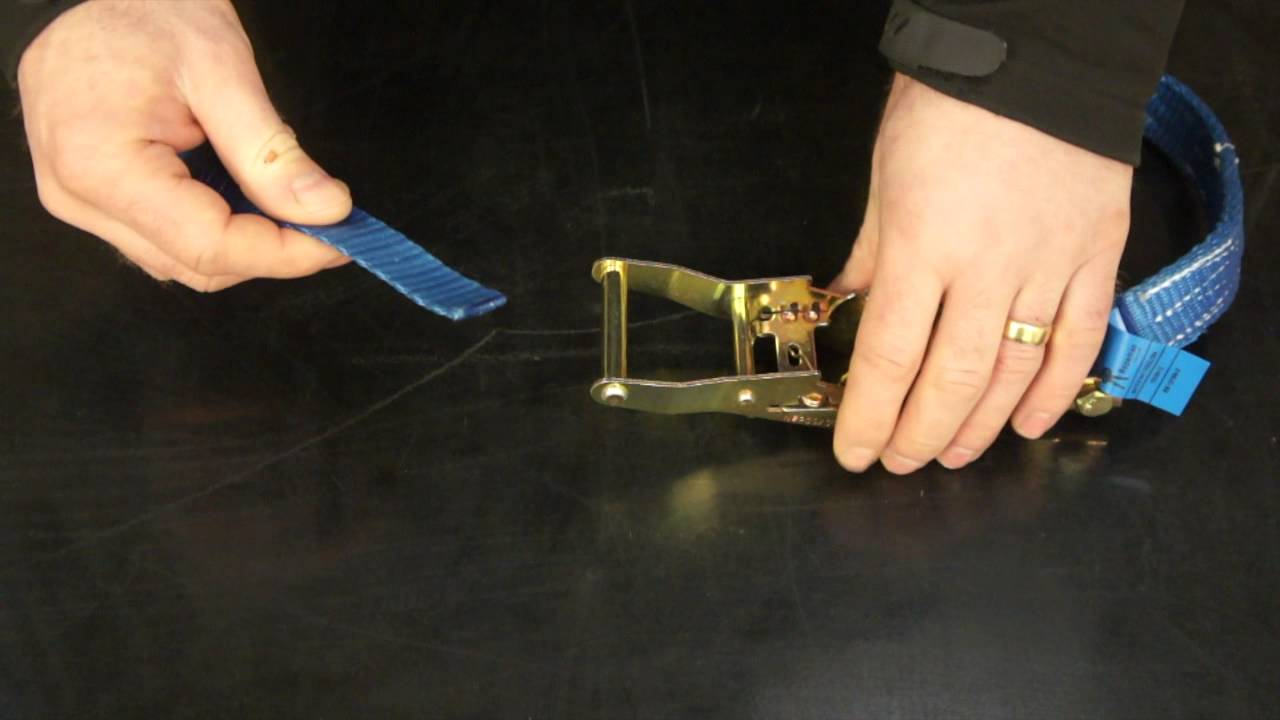
How To Use A Ratchet Strap Step By Step?
To use a ratchet strap, hook the ends securely. Feed the strap through the ratchet, pulling tight. Crank the ratchet handle to tighten further. Ensure it’s secure without over-tightening. Release by pulling the release lever and unspooling the strap. Always check for damage before use.
Which Way On A Ratchet Is Loosening?
Turn the ratchet counterclockwise to loosen. Ensure the switch is set for loosening, not tightening.
How Do You Release Ratchets?
To release ratchets, pull the release lever or button while holding the handle. This disengages the gear. Lower the ratchet arm to loosen the strap. Always ensure the ratchet is not under tension before releasing. Follow manufacturer instructions for specific models to avoid damage.
How Do You Release A Ratchet Tie Down?
To release a ratchet tie down, pull the release lever. Open the ratchet completely to unlock the strap. Pull the strap free from the ratchet. Make sure the strap is untangled before storing or using it again. Always ensure safety by checking for any damage before the next use.
Conclusion
Understanding how to work a ratchet is useful. It simplifies many tasks. Always ensure the ratchet is in good condition. Check for any wear or damage. Practice makes perfect. Try using the ratchet on different tasks. This builds confidence and skill.
Remember, safety comes first. Wear protective gear when needed. Follow instructions and use the right tool for the job. With these tips, using a ratchet becomes easier. You can handle most tasks safely and efficiently. Keep practicing, and soon it will feel natural.
Enjoy working with your ratchet!