Interior Vs Exterior Polyurethane: Ultimate Comparison Guide
Are you caught in the decision-making maze of choosing between interior and exterior polyurethane? You’re not alone.
Whether you’re looking to refresh your living room furniture or protect your outdoor deck from the elements, the right choice can make all the difference. Imagine the satisfaction of having a finish that not only enhances the beauty of your surfaces but also stands the test of time.
You’ll discover the key differences between interior and exterior polyurethane, helping you to make an informed choice that fits your needs perfectly. Ready to transform your spaces and ensure lasting durability? Keep reading to unlock the secrets of these versatile finishes.
Credit: thepaintstore.com
Polyurethane Basics
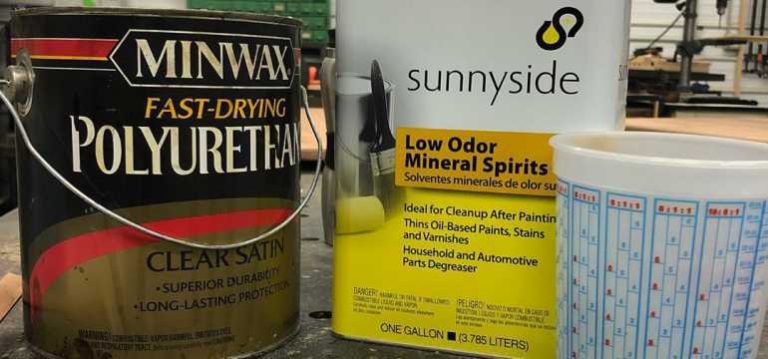
Polyurethane is a special material. It is a type of plastic. It can be hard or soft. It is used in many things. Shoes, furniture, and even car parts. It is strong and lasts a long time. People like it because it is versatile. It can be made into many shapes and sizes.
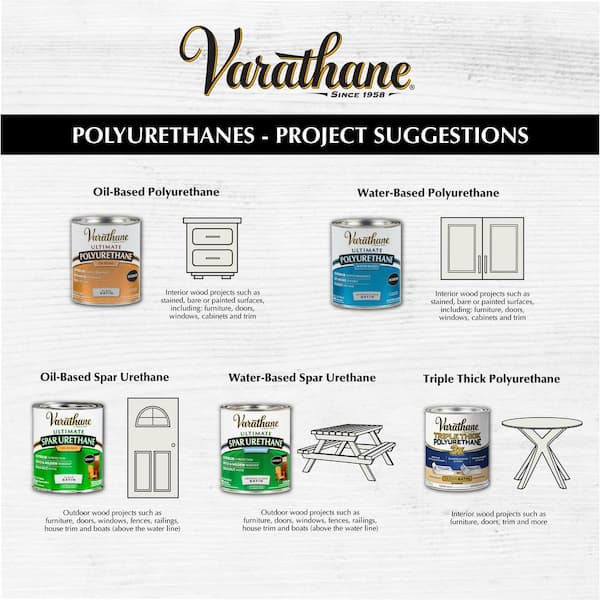
There are different types of polyurethane. Some are for inside use. These are called interior polyurethane. They are used on furniture and floors. Others are for outside use. These are called exterior polyurethane. They protect wood from rain and sun. Both types help things last longer. They keep things looking nice and new.
Interior Polyurethane Features
Interior polyurethane is used on furniture. It protects tables and chairs. This makes them shiny and smooth. It can also be used on floors. This keeps them safe from scratches. It helps in keeping the wood strong. It is great for indoor use.
This type of polyurethane gives a glossy finish. It makes the furniture look new. It is not as tough as exterior polyurethane. But it is fine for inside the house. It can last for many years if cared for properly.
It is easy to apply. It dries quickly. This means you can use furniture soon. It also keeps the wood looking good. It makes cleaning easier. Dust does not stick to it. Interior polyurethane is perfect for home use.
Exterior Polyurethane Features
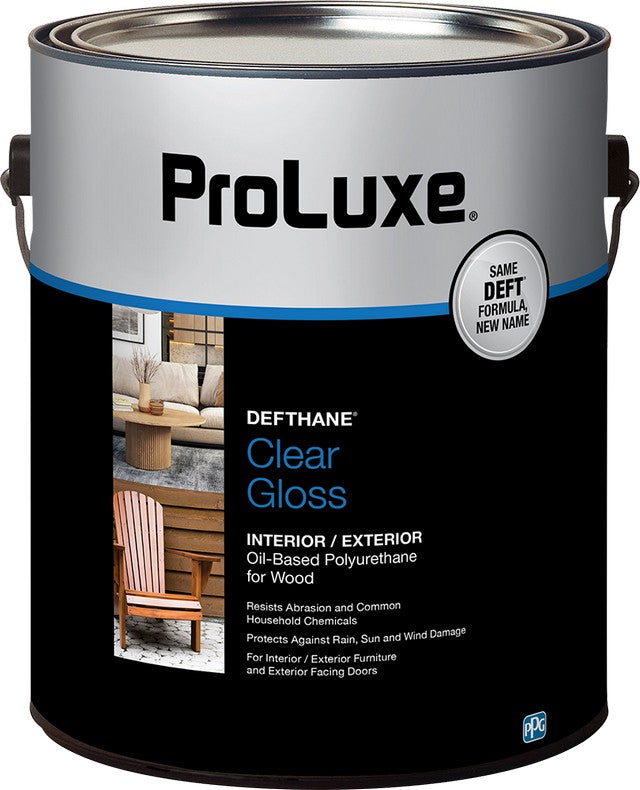
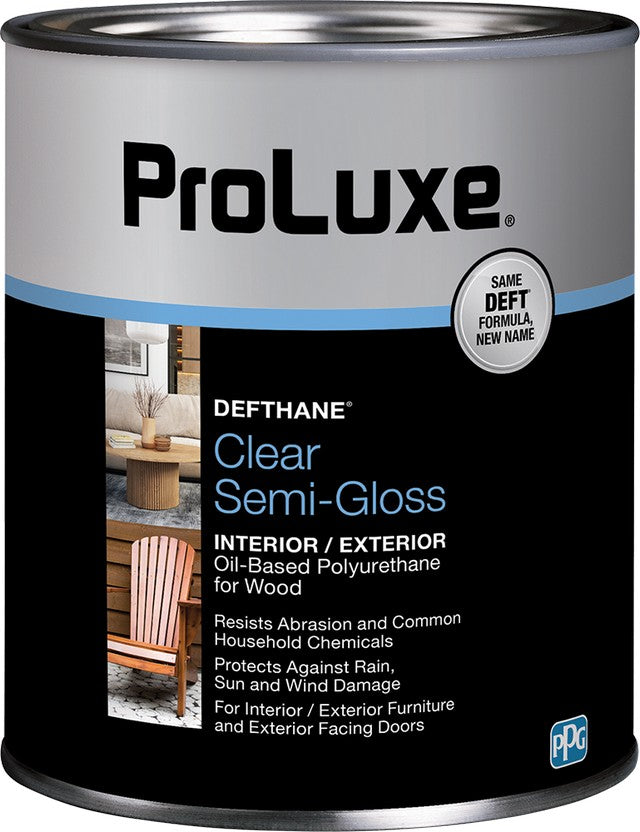
Exterior polyurethane is designed to withstand harsh weather. Rain, snow, and sun don’t easily damage it. It protects surfaces from moisture. This helps to prevent rotting and warping. It is a shield against UV rays. This keeps colors bright and surfaces new.
Use exterior polyurethane on outdoor furniture. Decks and patios benefit greatly. It’s also suitable for fences. Even doors and windows enjoy its protection. It works well on wooden surfaces. Metal and concrete surfaces can be coated too.
Durability is a key advantage. It lasts longer than other finishes. Protection from elements is strong. Surfaces remain beautiful for years. Maintenance is simple and easy. Application is straightforward. Surfaces look fresh and polished.
Credit: www.homedepot.com
Comparative Analysis
Interior polyurethane works best indoors. It protects furniture and floors. Exterior polyurethane is stronger. It fights sun, rain, and wind. Both types offer good protection. Yet, they serve different needs.
Interior polyurethane is often cheaper. It’s good for budget projects. Exterior polyurethane costs more. It offers extra protection outdoors. Choose based on where you will use it. More cost does not always mean better.
Polyurethane can harm the environment. Both types contain chemicals. Exterior polyurethane may release more fumes. It’s important to use them carefully. Always follow safety instructions. Choose options that are labeled eco-friendly.
Choosing The Right Polyurethane
Polyurethane comes in two types: interior and exterior. Interior polyurethane is often less durable. It is used indoors where weather is not a factor. Exterior polyurethane is designed to resist sun, rain, and wind. It is stronger and lasts longer outside. Consider the location where you will use it. Think about the conditions it will face. Choose wisely for best results.
Using interior polyurethane outside can lead to damage. It is not made for harsh weather. Always read the label before buying. Some people choose based on price. Cheaper options may not last. Quality matters when picking polyurethane. Make sure to apply it correctly. Follow instructions for the best outcome.
Maintenance Tips
Keep surfaces clean to make them last longer. Use a soft cloth for dusting. Remove dirt with gentle soap and water. Avoid harsh chemicals. These can damage polyurethane. Dry surfaces after cleaning. Moisture can cause problems.
Regular checks keep polyurethane in good shape. Look for cracks or peeling. Fix them quickly. Reapply polyurethane when needed. This keeps surfaces strong. Protect from sunlight. Sun can fade and weaken coatings. Use curtains or shades indoors. Outside, consider covers or shelters.
Credit: thepaintstore.com
Frequently Asked Questions
What’s The Difference Between Exterior And Interior Polyurethane?
Exterior polyurethane resists UV rays and weather conditions, offering durability outdoors. Interior polyurethane provides a smooth finish for indoor surfaces, focusing on aesthetics rather than weather protection. Choose based on your environment’s needs for optimal results.
What Happens If You Use Interior Varnish Outside?
Interior varnish is not suitable for outdoor use. It lacks UV protection and water resistance. The varnish can peel, crack, and deteriorate quickly. This leads to damage and frequent maintenance. Always choose exterior varnish for outdoor projects to ensure durability and protection against weather elements.
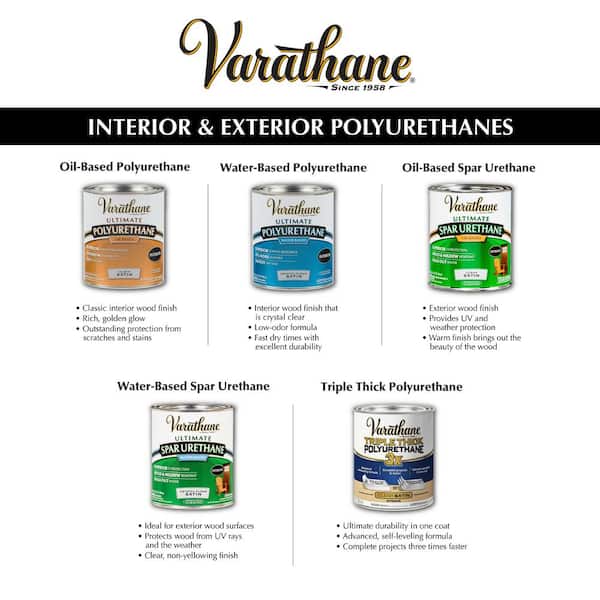
What Is The Difference Between Interior And Exterior Varathane?
Interior Varathane is designed for indoor use, offering smooth finishes and protection against scratches. Exterior Varathane provides weather resistance and UV protection for outdoor surfaces. Both enhance wood’s natural beauty but serve different environments. Always choose the right type for your project to ensure durability and optimal results.
What Happens If You Use Interior Polyurethane Outside Reddit?
Using interior polyurethane outdoors leads to rapid deterioration. It lacks UV protection and weather resistance, causing it to peel and crack. Choose exterior polyurethane to ensure durability and proper protection against the elements.
Conclusion
Choosing the right polyurethane protects surfaces effectively. Interior polyurethane suits indoor spaces best. It offers a smooth, glossy finish. Exterior polyurethane withstands harsh weather. It provides durability and UV protection. Both types have unique benefits. Consider your needs before deciding.
Use interior options for furniture and floors. Opt for exterior polyurethane for doors and outdoor wood. Focus on application ease and long-lasting protection. Proper selection enhances surface appearance and strength. Keep your spaces beautiful and protected with the right choice.