Is Acetone Paint Remover Same As Regular? Proven Essential
Quick Summary: Acetone is a powerful solvent, often found in paint removers, but it’s not the only type. “Regular” paint removers can contain various chemicals. Understanding the difference is essential for safe and effective paint stripping. Acetone works fast but requires careful handling.
Hey DIY friends! Ever stood in the paint aisle, staring at a shelf full of removers, and wondered if that bottle of acetone is just like any other “paint remover”? It’s a common question, and getting it right makes a huge difference in your project. Sometimes, a strong chemical like acetone is exactly what you need. Other times, a gentler approach is better. We’ll break down what acetone is, how it compares to other paint removers, and when to use it, so you can tackle your next stripping job with confidence and safety. Let’s get those surfaces prepped!
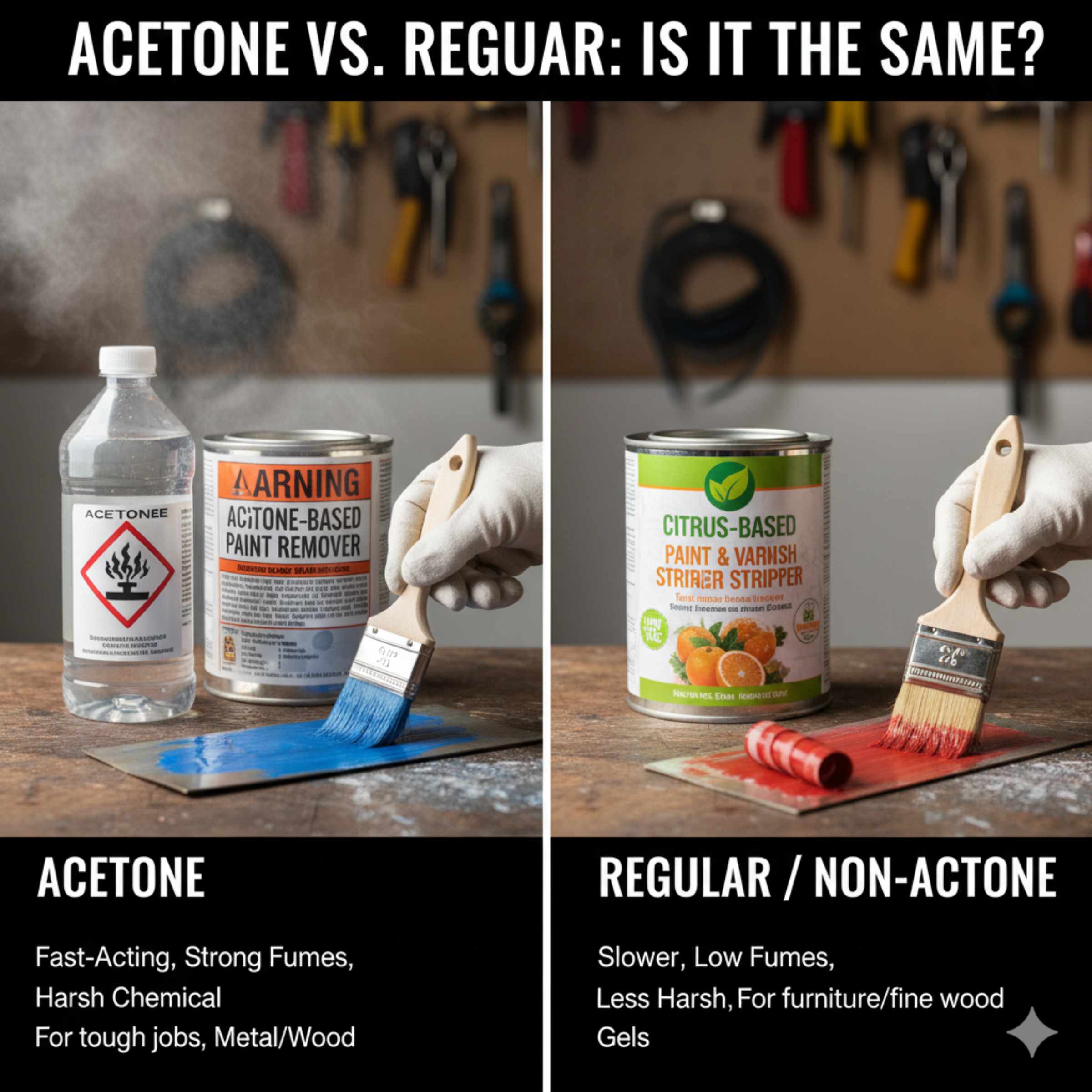
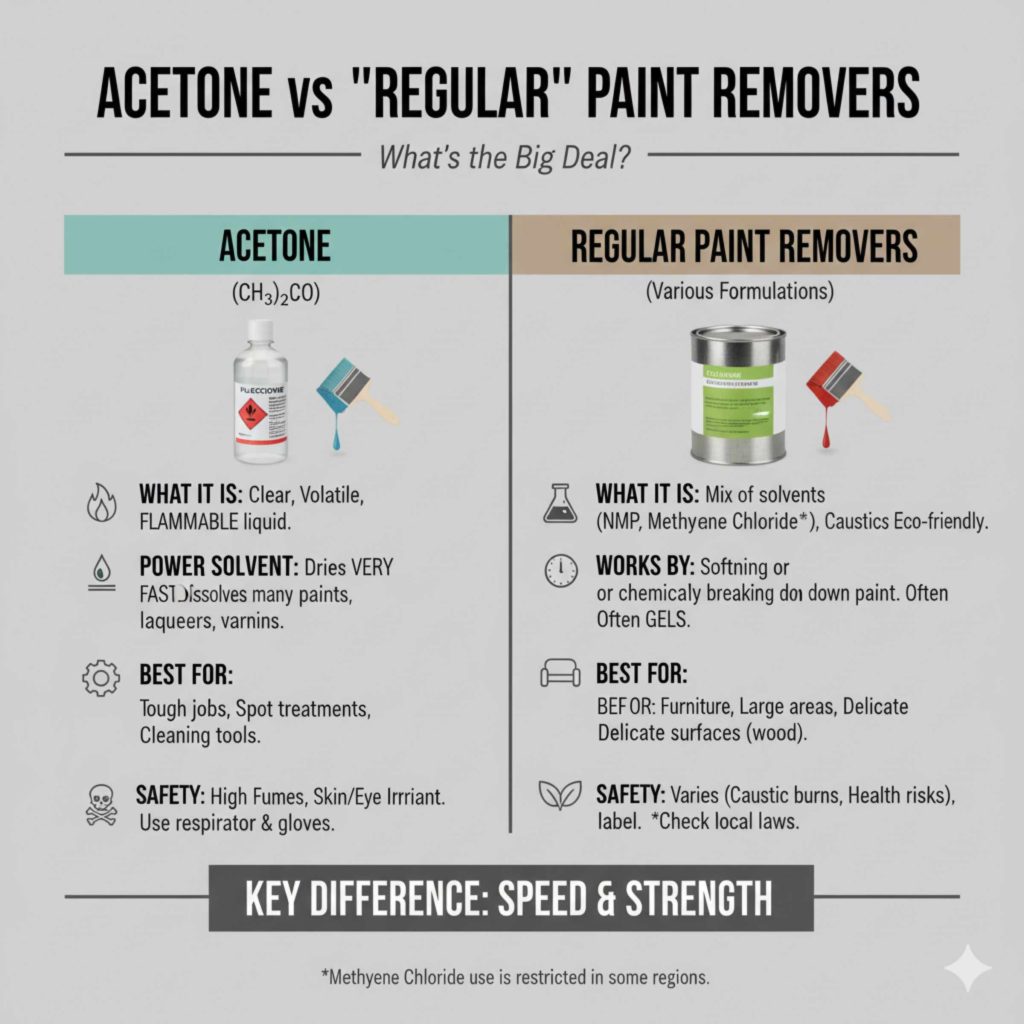
Acetone vs. “Regular” Paint Removers: What’s the Big Deal?
When you’re looking to remove old paint, whether it’s from furniture, walls, or even metal, you’ll see a variety of products. The term “paint remover” is a broad category. Think of it like “fruit” – there are apples, oranges, bananas, and so on. Acetone is one specific type of chemical that can be used in a paint remover, or it can be used on its own. But “regular” paint removers might contain a whole different cocktail of ingredients.
Understanding these differences isn’t just about knowing fancy chemical names. It’s about choosing the right tool for the job to ensure you get the paint off effectively without damaging the surface underneath, and most importantly, keeping yourself safe. We’ll dive into the specifics so you can make an informed choice for your next DIY project.
What Exactly is Acetone?
Acetone, also known as propanone, is a clear, colorless liquid with a strong, distinct odor. It’s a highly volatile and flammable solvent. This means it evaporates very quickly and can easily catch fire. Because of its strong solvent properties, it’s incredibly effective at dissolving many types of paints, lacquers, and varnishes.
You’ll often find acetone listed as an ingredient in some paint removers, especially those designed for tougher jobs. It’s also sold in its pure form, often in hardware stores, for tasks like cleaning brushes or thinning certain finishes. Its power is its strength, but it also means it needs to be handled with respect.
What Else is in “Regular” Paint Removers?
When a product is labeled simply as “paint remover” or “paint stripper,” it can contain a wide range of active ingredients. These can include:
- Solvents: Many paint removers rely on other types of solvents besides acetone. These might include methylene chloride (though its use is becoming restricted due to health concerns), N-methyl-2-pyrrolidone (NMP), or mineral spirits. These work by breaking down the paint’s bond with the surface.
- Caustics: Products containing lye (sodium hydroxide or potassium hydroxide) are caustic strippers. They work by chemically breaking down the paint’s polymers, turning it into a soft, soap-like substance that can be scraped away. These are often very effective on latex and oil-based paints but can damage wood and are harsh on skin and eyes.
- Biochemical/Eco-Friendly Strippers: These newer formulations often use plant-based ingredients or enzymes. They work more slowly but are generally safer for the user and the environment. They might be less effective on very old or tough coatings.
The key takeaway is that “regular” is a broad term. The effectiveness and safety of a paint remover depend heavily on its specific chemical makeup. Always check the ingredient list and the product’s label!
How Acetone Works as a Paint Remover
Acetone is a powerful solvent. Its molecular structure allows it to easily break down the molecular bonds that hold paint together. When you apply acetone to a painted surface, it penetrates the paint layers, softening and dissolving them. This makes the paint much easier to scrape or wipe away.
Because acetone evaporates so quickly, it’s often used in formulations where a rapid softening of the paint is desired. However, this rapid evaporation also means it can dry out quickly, so you might need to reapply it to keep the paint wet and workable, especially on larger areas or thicker paint layers.
Speed and Effectiveness
One of the main reasons acetone is popular is its speed. For many common paint types, especially enamels and lacquers, acetone can start working within minutes. You’ll often see the paint begin to bubble or soften almost immediately upon application.
This quick action can be a huge advantage when you’re trying to get a project done efficiently. However, its effectiveness can vary depending on the type of paint. Older paints, or those with very tough binders, might require a more aggressive or a longer-acting stripper.
Surface Compatibility
Acetone is generally safe for use on most hard surfaces like metal, glass, and cured wood. However, it can damage or discolor certain plastics and synthetic materials. It can also sometimes raise the grain of unfinished wood if left on for too long or used too aggressively.
It’s always a good practice to test acetone on an inconspicuous area first to ensure it doesn’t harm the underlying material. For example, if you’re stripping an old piece of furniture, try it on the underside or back first.
When to Choose Acetone for Paint Removal
Acetone is a fantastic choice for specific situations. Here are some scenarios where reaching for acetone is a smart move:
- Quick Touch-Ups and Small Areas: If you have a small area with minor paint chips or need to clean up a small spill, acetone can be your best friend. Its fast-acting nature makes it ideal for these quick fixes.
- Removing Lacquers and Enamels: Acetone is particularly effective at dissolving lacquers and many types of enamel paints. If you know you’re dealing with these types of finishes, acetone is likely to give you great results.
- Cleaning Tools and Brushes: Pure acetone is excellent for cleaning paint brushes, rollers, and other tools after using oil-based paints or certain types of finishes. It quickly dissolves dried paint residue.
- Degreasing and Surface Preparation: Before painting or refinishing, acetone can be used to wipe down a surface and remove grease, oils, and other contaminants. This ensures your new finish will adhere properly.
- Working with Metal: Metal surfaces generally handle acetone very well. It’s a common choice for stripping paint off metal furniture, automotive parts, or tools.
When to Be Cautious or Choose Something Else
While powerful, acetone isn’t always the best choice. Consider these points:
- Very Thick or Old Paint Layers: For multiple thick layers of old paint, especially those that have been on for decades, a slower-acting but more potent stripper might be needed. Acetone’s rapid evaporation can be a disadvantage here, as it might not have enough contact time to break down all the layers.
- Sensitive Materials: As mentioned, acetone can damage certain plastics, rubber, and some synthetic finishes. Always check compatibility.
- Large Areas: The fast evaporation rate of acetone can make it difficult and less economical to use on very large surfaces like entire walls or large furniture pieces. You’d be constantly reapplying.
- Ventilation and Safety Concerns: Acetone fumes are strong and flammable. If you have very poor ventilation or are sensitive to chemical odors, a less volatile stripper might be a better option.
- Latex Paints: While acetone can soften some latex paints, it’s not always the most effective solvent for this type of paint, especially when fully cured. Water-based or enzymatic strippers are often better suited for latex.
Comparing Paint Removers: A Quick Guide
To help you decide, let’s look at how acetone stacks up against other common types of paint removers:
| Feature | Acetone | Methylene Chloride-Based Strippers | Caustic Strippers (Lye-Based) | Biochemical/Eco-Friendly Strippers |
|---|---|---|---|---|
| Action Speed | Very Fast | Very Fast | Moderate to Fast (depends on paint) | Slow to Moderate |
| Effectiveness on Old Paint | Good for many types, can struggle with thick layers | Excellent on most types, very powerful | Excellent on latex and oil, can be less effective on certain modern finishes | Variable, best for newer or less stubborn paints |
| Material Compatibility | Good on metal, glass, cured wood. Can damage plastics. | Good on most hard surfaces. Can damage some plastics. | Can damage wood, aluminum, and some plastics. Safe for steel. | Generally safe for most materials. |
| Safety & Handling | Highly flammable, strong fumes, needs good ventilation. Skin irritant. | Toxic, carcinogen concerns, requires extreme caution, ventilation, and PPE. Use is restricted in some areas. | Corrosive, causes severe burns. Requires heavy PPE. Neutralization needed. | Low toxicity, generally safe, but may require PPE for prolonged contact. |
| Environmental Impact | Volatile Organic Compound (VOC), but evaporates quickly. | High VOC, significant environmental and health concerns. | Can be harsh, requires careful disposal. | Generally low impact, biodegradable options available. |
| Typical Uses | Quick jobs, lacquers, enamels, tool cleaning, degreasing. | Tough jobs, multiple layers, stubborn finishes. (Use with extreme caution or avoid if possible). | Removing latex, oil paints, varnishes from durable surfaces. | General paint removal, DIY projects where safety is paramount. |
Understanding Safety Data Sheets (SDS)
For any chemical product, especially those used for cleaning or stripping, understanding the Safety Data Sheet (SDS) is crucial. These documents, formerly known as Material Safety Data Sheets (MSDS), are provided by the manufacturer and contain vital information about a chemical’s properties, hazards, safe handling procedures, and emergency measures. You can usually find them on the manufacturer’s website or by searching the product name and “SDS.” For acetone, an SDS will detail its flammability, health hazards (like skin and eye irritation, or respiratory effects from fumes), and recommended personal protective equipment (PPE).
For instance, the National Center for Biotechnology Information (NCBI) provides detailed information on acetone’s properties and hazards, which is a great example of authoritative resources available to help you understand the chemicals you’re working with.
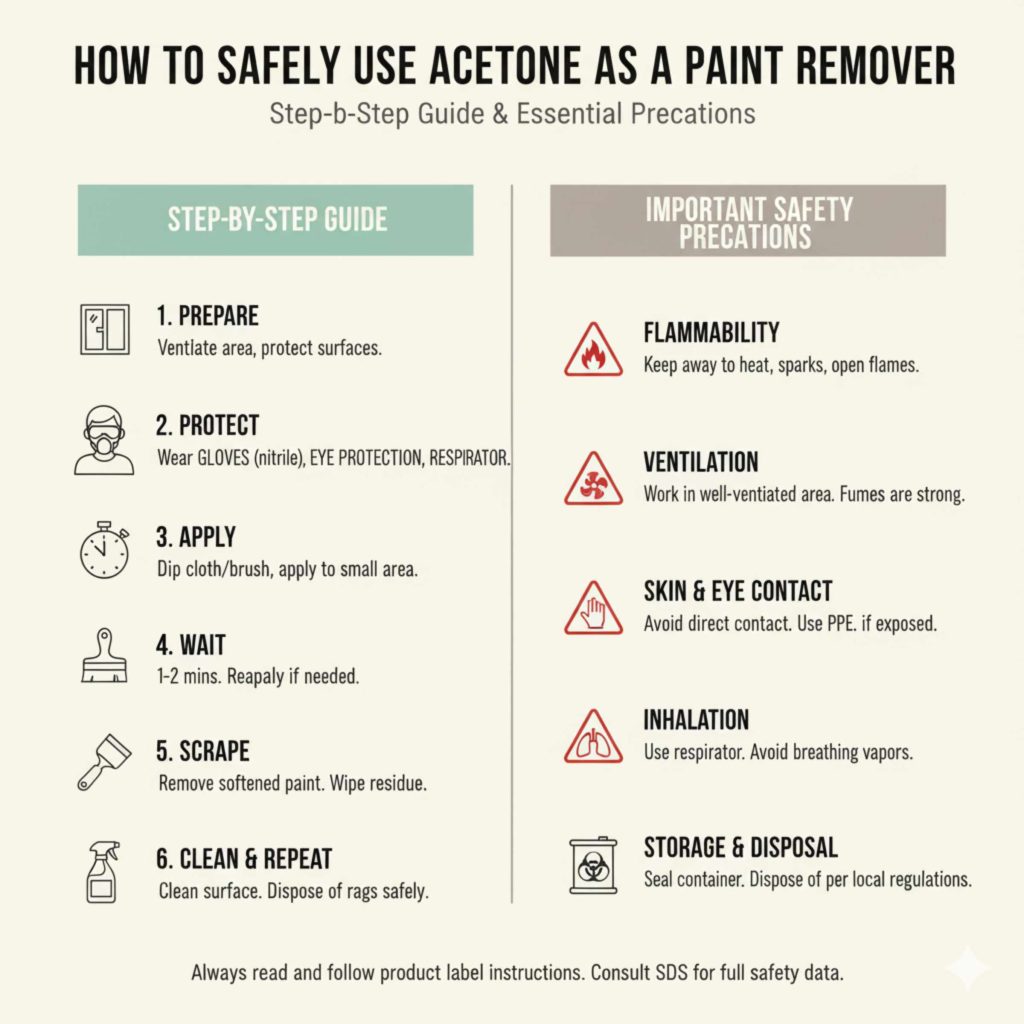
How to Safely Use Acetone as a Paint Remover
Because acetone is so potent, safety should always be your top priority. Following these steps will help you use it effectively and keep yourself protected.
Step-by-Step Guide to Using Acetone
Step 1: Prepare Your Workspace
- Choose a well-ventilated area. Open windows and doors, or work outdoors if possible. Acetone fumes can be strong and are flammable.
- Protect your work surface with drop cloths or old newspapers.
- Gather all your tools before you start so you don’t have to leave the area unnecessarily.
Step 2: Put on Your Personal Protective Equipment (PPE)
- Gloves: Wear chemical-resistant gloves. Nitrile gloves are usually a good choice for acetone, but check the glove manufacturer’s recommendations for acetone compatibility. Latex gloves offer little protection.
- Eye Protection: Wear safety glasses or goggles to protect your eyes from splashes and fumes.
- Respirator: If you’re working in an enclosed space or are sensitive to fumes, wear a respirator with organic vapor cartridges.
- Clothing: Wear old clothes that you don’t mind getting stained or potentially damaged by the acetone.
Step 3: Apply the Acetone
- Dip a clean cloth, rag, or paintbrush into the acetone.
- Apply it generously to a small section of the painted surface. Don’t oversaturate, but ensure the paint is well-covered.
- For a product that contains acetone as part of a formula, follow the manufacturer’s instructions for application.
Step 4: Let it Work (Briefly!)
- Allow the acetone to sit on the paint for about 1-2 minutes. You should see the paint start to soften, bubble, or wrinkle.
- Because acetone evaporates quickly, you might need to reapply it to keep the area wet if you’re working on a larger section.
Step 5: Scrape Away the Paint
- Use a plastic scraper, putty knife, or old credit card to gently scrape away the softened paint. Metal scrapers can be used, but be careful not to gouge the surface underneath.
- For intricate areas, an old toothbrush or steel wool (use cautiously, as it can scratch) might be helpful.
- Wipe away the dissolved paint and acetone residue with a clean rag.
Step 6: Clean and Repeat
- Rinse the scraped area with a clean cloth dampened with more acetone or a recommended cleaner (like mineral spirits if appropriate for the surface).
- Repeat the process on the next small section. Work in manageable areas.
- Dispose of rags and used acetone responsibly. Never pour used acetone down the drain or into the environment. Allow rags to dry completely in a safe, well-ventilated area away from ignition sources before discarding, as they can spontaneously combust.
Step 7: Final Cleaning and Preparation
- Once all the paint is removed, clean the surface thoroughly with a mild soap and water solution or a degreaser suitable for the material.
- Allow the surface to dry completely before applying any new primer or paint.
Important Safety Precautions for Acetone
Always remember these critical safety points when working with acetone:
- Flammability: Acetone is extremely flammable. Keep it away from open flames, sparks, heat sources, and smoking. Ensure good ventilation to prevent vapor buildup.
- Ventilation: Work in a well-ventilated area to minimize exposure to strong fumes.
- Skin and Eye Contact: Avoid prolonged skin contact, as it can cause dryness and irritation. Always wear gloves and eye protection. If contact occurs, wash skin immediately with soap and water and flush eyes with plenty of water.
- Inhalation: Inhaling high concentrations of acetone vapor can cause dizziness, headaches, and respiratory irritation. Use a respirator if necessary.
- Storage: Store acetone in a tightly sealed container in a cool, dry, well-ventilated place, away from incompatible materials and ignition sources.
- Disposal: Never dispose of acetone down drains or into the environment. Check with your local waste disposal authority for proper disposal guidelines for hazardous materials.
For more detailed safety information, you can refer to resources like the Occupational Safety and Health Administration (OSHA), which provides guidelines for safe chemical handling in the workplace and for DIYers.
Frequently Asked Questions (FAQ)
Q1: Can I use pure acetone to remove all types of paint?
A1: Acetone is very effective on lacquers, enamels, and some varnishes. It might not be the most efficient for very thick layers of old paint, latex paint, or some modern, durable coatings. Always test in a small area first.
Q2: Is acetone safe for wood furniture?
A2: Acetone can be used on finished wood, but it can also soften some finishes and potentially raise the grain of unfinished wood if left on too long. It’s best to test on an inconspicuous spot first and use it sparingly on wood.
Q3: How long should I let acetone sit on the paint?
A3: For most paints, 1-2 minutes is sufficient to start softening. Because acetone evaporates quickly, you may need to reapply it to keep the paint workable, especially on larger areas.
Q4: What is the difference between acetone and nail polish remover?
A4: Many nail polish removers contain acetone, but they also often include other ingredients like moisturizers, fragrances, and pigments. Pure acetone is a stronger, undiluted solvent. If you’re using nail polish remover for paint, check the label to see if acetone is the primary ingredient and if it’s strong enough for your task.
Q5: Can I mix acetone with other paint strippers?
A5: It’s generally not recommended to mix different chemical products unless the manufacturer specifically states it’s safe. Mixing can create unpredictable and potentially hazardous reactions.
Q6: What should I do if acetone gets on my skin?
A6: If acetone gets on your skin, wash the affected area immediately with plenty of soap and water. Acetone can dry out your skin, so consider using a moisturizer afterward. If irritation persists, consult a doctor.
Q7: How do I dispose of rags used with acetone?
A7: Rags soaked with acetone are flammable. Lay them flat to dry completely in a well-ventilated area away from any ignition sources before disposing of them in a sealed metal container or as per your local hazardous waste guidelines. Never bunch them up or put them in a plastic bag while still wet, as they can spontaneously combust.
Conclusion
So, is acetone paint remover the same as “regular” paint remover? Not exactly. Acetone is a powerful, fast-acting solvent that is often a key ingredient in paint removers, or it can be used on its own. “Regular” paint removers can contain a variety of chemicals, each with its own strengths, weaknesses, and safety considerations. Understanding these differences is your secret weapon for successful DIY projects.
When you need to quickly dissolve lacquers or enamels, clean tools, or degrease a surface, acetone is a fantastic choice. Just remember to prioritize safety: wear your PPE, ensure excellent ventilation, and keep it away from flames. For tougher, multi-layered jobs or when working with sensitive materials, you might need to explore other types of strippers. By choosing the right product and using it correctly, you’ll achieve those smooth, paint-free surfaces you’re aiming for, making your next home improvement or woodworking project a satisfying success. Happy stripping!