Is Caulking Stainable? Tips For Choosing The Right Type
n the realm of construction and home improvement, the intricacies of material compatibility come to the forefront, particularly when addressing the question of whether caulking is stainable. Understanding the chemical composition of various caulks—ranging from silicone to acrylic latex—plays a critical role in determining their paintability and stain adherence. As homeowners and professionals alike seek solutions that marry functionality with aesthetics, the interplay between caulking types and their suitability for staining becomes paramount.
Delving deeper into this topic reveals nuanced factors that can influence application outcomes and long-term durability. Discover the essential insights that can elevate your next project to new heights.
Is Caulking Stainable? Understanding The Options Available
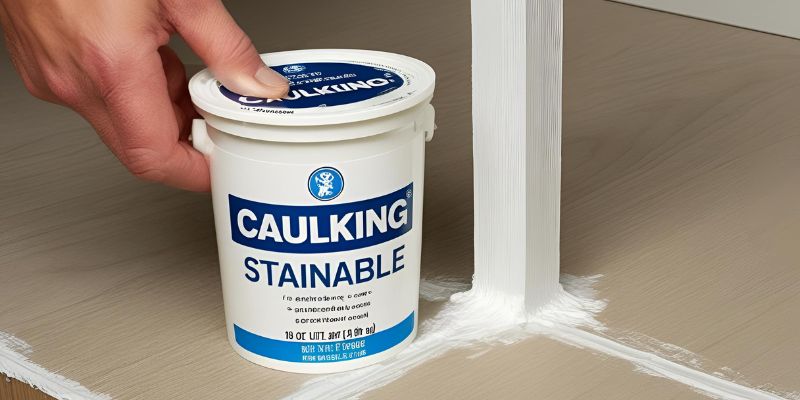
Caulking is essential for sealing gaps and joints in various construction projects, but many wonder, “is caulking stainable?” This summary delves into the properties of different caulking materials, addressing their paintability and stainability. Understanding which types of caulk can effectively accept stains and paint is crucial for achieving a polished finish in home improvement tasks. Considerations regarding application techniques and preparation will also be highlighted, ensuring optimal results for your projects.
Understanding Caulking Materials
Different types of caulking: latex, silicone, and polyurethane. Properties that affect stainability.
Caulking comes in different types, each with its quirks. Let’s break it down. First, there’s latex.
It’s water-based and easy to paint over, making it a favorite for indoor projects. Next up is silicone, which is great for wet areas like bathrooms. However, it can be a tricky little devil to stain! Then, there’s polyurethane.
This tough cookie works well for outdoors and adheres strongly but might be a challenge to paint. Knowing these materials helps in picking the right one for your job.
| Type | Properties | Stainability |
|---|---|---|
| Latex | Water-based, easy to apply | Good |
| Silicone | Flexible, waterproof | Poor |
| Polyurethane | Durable, strong bond | Moderate |
Factors Influencing Stainability of Caulking
Chemical composition and its role in stain adhesion. Surface texture and porosity of the caulk.
Many things affect how well caulking holds stains. First, the chemical composition plays a big role. Some caulks contain materials that help stains stick better.
Others do not. Next, the surface texture and porosity of the caulk matter too. Textured surfaces can trap stains, while smoother ones may repel them. Knowing these factors can help you choose the right caulk for your project.
- Chemical composition: Affects stain adhesion.
- Surface texture: Can hold or repel stains.
- Porosity: Influences how stains are absorbed.
Best Practices for Choosing Stainable Caulk
Tips for selecting the right caulk for your project. Recommendations for brands and products.
Choosing the right caulk is important for a successful project. Look for caulks labeled as stainable, as they accept paint and stains well. Check for flexibility to ensure it lasts over time. Here are some recommended brands:
- Gorilla Clear Caulk
- SILICONE 2 GL
- DAP Alex Plus
Always read labels before buying to ensure the caulk meets your project needs.
Preparing Surfaces for Staining Caulk
Cleaning and priming surfaces for optimal adhesion. Techniques for applying caulk for better stainability.
First, clean the surfaces where the caulk will go. Use a damp cloth to wipe away dirt and dust. No one wants a dirty party crasher ruining their caulk! Then, let it dry completely.
Next, apply a primer if needed. This helps the caulk stick better, like how glue loves paper.
When applying caulk, think of it as frosting a cake—smooth and even is the goal!
Use a caulking gun for precision, and don’t forget to make a mess; it’s part of the fun! Keep it tidy, but if a little spills, you can always clean it later.
| Steps | Details |
|---|---|
| Clean | Wipe surfaces with a damp cloth. |
| Dry | Ensure surfaces are completely dry. |
| Prime | Apply primer for better adhesion. |
| Apply Caulk | Use a caulking gun for smooth application. |
Staining Process for Caulk
Stepbystep guide on how to stain caulk. Tips for achieving a uniform color.
First, clean the caulked area. Use a damp cloth to wipe away dust and debris. Next, let it dry completely.
If your caulk is primed, you’re ready to stain! Apply stain with a brush or cloth, making sure to work it into the caulk. For a smooth finish, use even strokes. Want a vibrant look?
Try selecting a stain shade darker than the wood beside it. Check your color by testing on a small area first!
| Step | Action |
|---|---|
| 1 | Clean the area |
| 2 | Let it dry |
| 3 | Apply stain |
| 4 | Check color |
For a uniform color, let each layer dry before adding more. Patience is key, unless you have a pet waiting to help you stain – they might think it’s a game!
Good luck, and don’t forget to wear old clothes; stains have a way of getting everywhere!
Maintenance and Longevity of Stained Caulk
How to care for stained caulk. Signs that it’s time to replace caulk.
Caring for stained caulk keeps it looking fresh and working well. To maintain it, clean regularly with mild soap and water. Avoid harsh chemicals that can damage the surface. Inspect for cracks or gaps that can let moisture in.
If you notice mold growth or peeling, it’s time to replace the caulk. Here are some signs to watch for:
- Mold or mildew appears.
- Caulk is cracked or brittle.
- Water leaks are noticed.
- Color fades significantly.
Regular checks help ensure your caulk lasts longer.
Common Mistakes to Avoid When Staining Caulk
Issues related to improper application. Things that can affect the final appearance.
Staining caulk sounds simple, but it can lead to hiccups! One common mistake is applying the stain too soon. If the caulk isn’t fully dry, you’ll end up with a mess. It’s like trying to paint a wet canvas—splatters everywhere!
Another issue is not prepping the surface. Dirty or oily caulk can make stains look uneven, like a bad haircut.
| Mistake | Effect on Appearance |
|---|---|
| Staining too early | Messy, uneven finish |
| Poor surface prep | Uneven stain application |
So, wait for it to dry and make sure it’s clean.
Your caulk will thank you, and your finish will look like a million bucks—without breaking the bank!
Alternative Solutions to Stainable Caulk
Other materials that can be stained. Benefits and drawbacks compared to caulking.
If you’re looking for alternatives to stainable caulk, there are a few options to consider. Wood fillers are popular for filling small gaps and can be stained to match your wood. However, they can crack over time, just like that one friend who always forgets your birthday!
Another option is spackling paste, which works well on interior walls.
It can be painted, but staining it is a no-go. Just imagine trying to stain an ice cube—sounds silly, right?
| Material | Benefits | Drawbacks |
|---|---|---|
| Wood Filler | Stains easily to match wood | Can crack over time |
| Spackling Paste | Great for walls; easy to paint | Cannot be stained |
So, weigh your options and choose wisely; you don’t want your project ending up like a bad comedy show!
Conclusion
In summary, while not all caulking products are stainable, selecting the right type can make a significant difference. Latex and acrylic caulks often accept stains and paints better than silicone options. Always check the manufacturer’s specifications to ensure compatibility with your desired finish. With proper application, stained or painted caulking can enhance the overall aesthetic of your space.
FAQs
What Types Of Caulk Are Most Commonly Recommended For Staining Or Painting?
The most commonly recommended types of caulk for staining or painting are latex caulk and acrylic caulk, as they are easy to clean up, paintable, and provide good adhesion. Silicone caulk, while flexible and waterproof, is generally not paintable unless specifically formulated for that purpose. For outdoor projects or areas with high moisture, paintable silicone alternatives are a viable option. Always check the manufacturer’s instructions for compatibility with paint.
How Can I Prepare Caulk So That It Accepts Stain Or Paint Properly?
To prepare caulk for staining or painting, first ensure it is a paintable type, such as acrylic or silicone-latex. Next, allow the caulk to dry completely according to the manufacturer’s instructions. Once dry, lightly sand the surface to create a better texture for adhesion. Finally, apply a primer specifically designed for use with caulk before painting or staining.
Are There Any Specific Brands Of Caulk That Are Known For Being Stainable?
Yes, several brands of caulk are known for being stainable. DAP’s “Alex Plus” is a popular choice, as it is designed to be painted and stained effectively. Another option is Sherwin-Williams’ “Color-to-Go” caulk, which also allows for staining and painting. Lastly, Gorilla Glue offers a paintable caulk that can be stained, making it versatile for various projects.
What Techniques Can Be Used To Ensure A Smooth Finish When Staining Or Painting Over Caulk?
To ensure a smooth finish when staining or painting over caulk, first, select a paintable caulk and allow it to fully cure before proceeding. Smooth the caulk with a wet finger or tool for a clean edge, and sand it lightly if necessary. Apply a primer designed for caulk to improve adhesion and prevent bleed-through. Finally, use a high-quality brush or roller to apply even coats of paint or stain, ensuring to feather the edges for a seamless look.
How Does The Color And Formula Of Caulk Affect Its Ability To Be Stained Or Painted?
The color and formula of caulk can significantly impact its ability to be stained or painted. Caulks that are specifically labeled as paintable are formulated to adhere well to paint, while others, particularly those made from silicone, often resist paint adhesion. Additionally, lighter-colored caulks may show paint colors more accurately, whereas darker colors might require additional coats for proper coverage. Ultimately, choosing the right caulk formulation and color can ensure a better finish when staining or painting.