Is It Cheaper to Refinish or Replace Hardwood Floors?
Thinking about your floors? It’s a common question: Is It Cheaper to Refinish or Replace Hardwood Floors?. For many, it seems tricky at first, figuring out which way saves money. Don’t worry, we’ll break it down super simply. We’ll explore everything step-by-step to help you make a smart choice. We’ll examine the costs, the work involved, and what to think about. Let’s get started and clear up the mystery of floor costs!
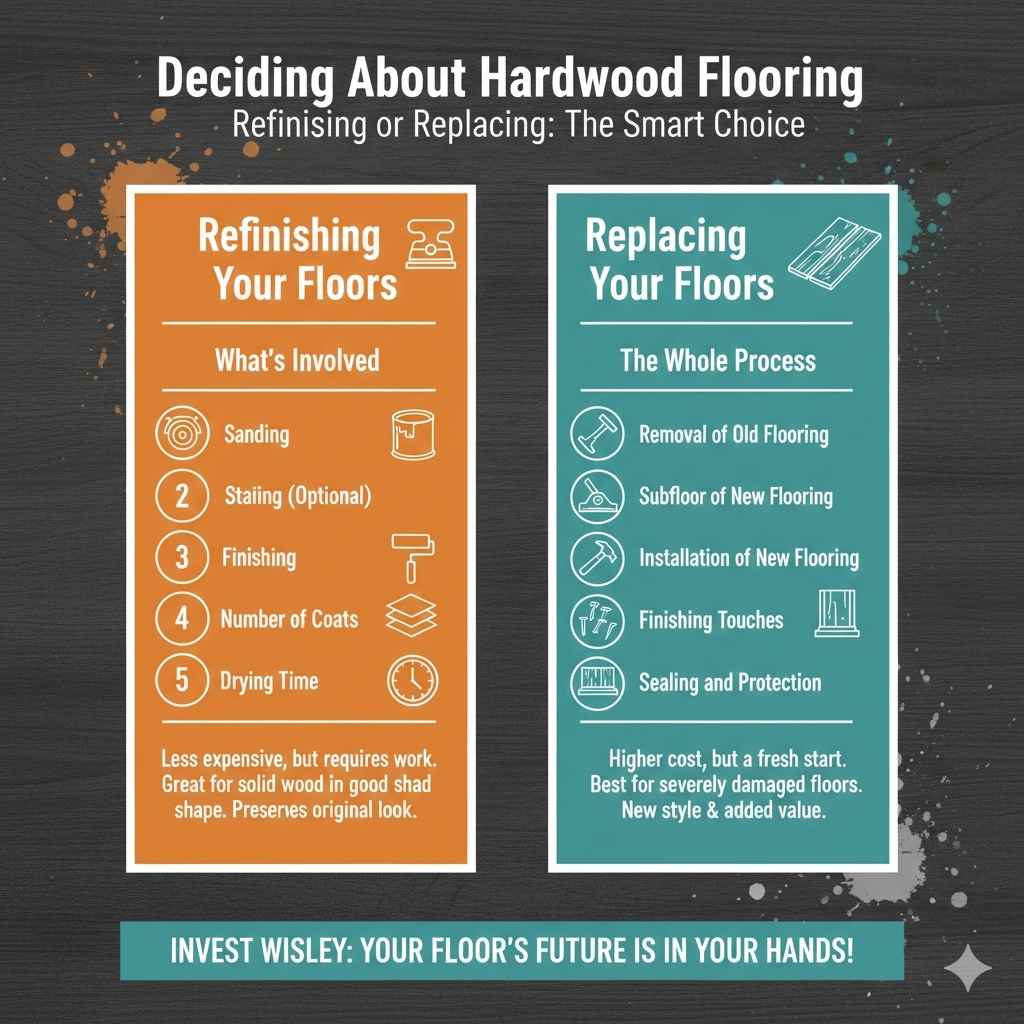
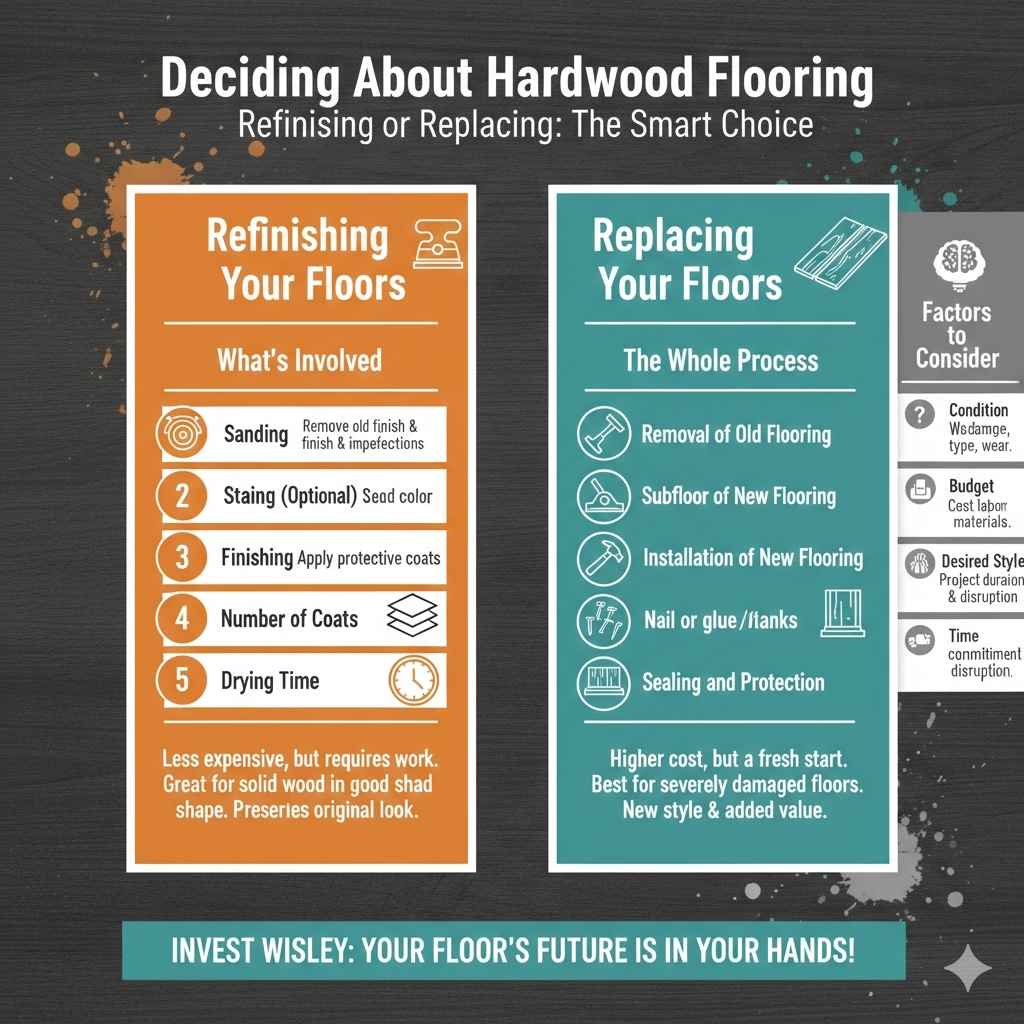
Deciding About Hardwood Flooring
Choosing what to do with your hardwood floors can be a big decision. Maybe your floors are scratched, dull, or just not looking their best. The first question that pops up is whether to refinish or replace them. Both options have pros and cons, and the best choice depends on what your floors need and your budget. There are many details to consider, from the kind of damage to the style you want. Knowing the difference between refinishing and replacing will help you a lot. These details are important when deciding how to proceed. Let’s look at the factors that drive this decision.
Refinishing Your Floors: What’s Involved
Refinishing hardwood floors is like giving them a makeover. It involves sanding down the top layer to get rid of scratches, dents, and old finishes. After sanding, you apply a new stain or finish to bring back their shine. This process can completely transform old floors, making them look new again. The amount of effort and supplies depend on the area and the existing condition of the wood. Refinishing is a good choice if the wood itself is in good shape. It’s perfect when your floors just need a little boost to make them stunning once more. It’s also an excellent way to maintain the authentic look of the home.
- Sanding: A drum sander or orbital sander will remove the old finish and any imperfections from the floor. This is a very important step.
- Staining (Optional): If you want to change the color of your floors, you’ll apply a stain after sanding. This gives your floors a new look.
- Finishing: Apply a protective finish like polyurethane to seal the wood and protect it from wear. This ensures the floor is durable.
- Number of Coats: The amount of finish applied can vary, with multiple coats common for enhanced durability. Applying more coats increases protection.
- Drying Time: Allow adequate drying time between each coat of finish. This is essential for a good result.
Refinishing is often less expensive than replacing. However, it requires some work. You will need to move furniture and be out of the area while the work is being done. The dust from sanding can also be messy. But the results can be fantastic, giving your old floors a fresh look at a lower cost. If the wood is still solid, then refinishing is often the best choice. This approach allows you to preserve the beauty of your existing hardwood floors.
Replacing Your Floors: The Whole Process
Replacing hardwood floors involves removing the old flooring and installing entirely new ones. This is the best choice if your floors are severely damaged, have water damage, or are beyond repair. This can mean a big renovation. The process includes removing the old floor, preparing the subfloor, and installing the new hardwood. There are many types of wood to choose from, such as oak, maple, and cherry. Replacing your floors gives you the flexibility to completely change the style and look of your home. It can add value and give your home a new feel.
- Removal of Old Flooring: This includes all the old flooring and any remaining nails or staples.
- Subfloor Preparation: The subfloor needs to be level and smooth for the new flooring. This is very important.
- Installation of New Flooring: New planks or engineered wood are installed, usually by nailing or gluing. This step is a must.
- Finishing Touches: Install new baseboards and trim to give a finished look. These details really matter.
- Sealing and Protection: Applying a new finish on the floor is essential. This step adds longevity.
While replacing floors can be costly, it offers a fresh start. You get brand new floors that will last for many years. It is an investment. It is the best choice when the damage is too much for a simple fix. Replacing gives you the chance to change the kind of wood. This enables you to change the look and value of your home.
Cost Comparison: Refinishing Versus Replacing
The main factor in whether to refinish or replace your floors is cost. Both options have different price tags. The cost of refinishing usually includes sanding, staining, and finishing. The prices vary based on the area size, the kind of finish used, and if you are hiring a pro or doing it yourself. Replacing floors also involves factors like the cost of materials and labor. Wood type also impacts the costs.
Refinishing Costs: Breaking Down the Numbers
The cost to refinish floors varies. It depends on several things. If you do it yourself, the cost is lower. You only pay for supplies like sanders, stain, and finish. Hiring a pro is different. The cost goes up. Professionals have their own charges. Labor is a major cost. The type of finish also matters. Water-based finishes may cost more. Also, the size of your floor plays a role. Refinishing can be a cost-effective choice if your floors are not too damaged. You can save money while giving your floors a fresh look. The total expense depends on all of these things.
- DIY Refinishing: Costs usually include renting equipment like a sander, plus stain and finish. This is the least expensive route.
- Professional Refinishing: Labor costs drive the price up. Expect to pay for the expertise.
- Type of Finish: Water-based finishes, oil-based finishes, and other choices impact pricing.
- Floor Size: The bigger the area, the more it will cost, because of materials and labor.
- Regional Differences: Costs will vary based on where you live. This impacts your total budget.
According to HomeAdvisor, the average cost to refinish hardwood floors is between $3 to $8 per square foot. This includes labor and materials. Doing it yourself can bring the cost down to about $1 to $4 per square foot. These are average amounts. The actual expenses may vary. Always get estimates from different businesses for a good comparison. You will want to shop around for the best deal. This will ensure that you are staying within your budget.
Replacement Costs: Looking at the Total Investment
Replacing floors is typically more expensive. It includes the expense of the new flooring and the cost of labor. The type of wood is a big factor. Hardwoods like oak and maple are often pricier than engineered wood. Labor costs will depend on the area, the complexity of the project, and the professional you hire. Additional costs include removing old flooring, preparing the subfloor, and installing the new flooring. Replacing is the best option when the floors are too damaged or when you want to change the wood type.
- Wood Type: Different wood types have different prices. This is important to consider.
- Labor Costs: Installation can be costly. These costs should be part of the comparison.
- Subfloor Preparation: Any work needed on the subfloor can add extra expenses.
- Additional Materials: These items may include nails, adhesives, and trim.
- Waste Disposal: Disposing of the old flooring can cost extra. These costs should also be factored in.
Based on information from Fixr, the cost to replace hardwood flooring can range from $6 to $15 per square foot. This takes into account materials and labor. High-end wood can be even pricier. Doing it yourself can cut down the labor expenses, but it is more involved. This also means you can control the quality. Keep these costs in mind when making your choice. It’s smart to obtain estimates from contractors. This gives you a clear picture of how much to spend on your project. Comparing estimates can help you make a good decision.
| Factor | Refinishing | Replacing |
|---|---|---|
| Material Costs | Lower | Higher |
| Labor Costs | Can be lower if DIY | Generally higher |
| Time Commitment | Shorter | Longer |
| Impact on Home | Less invasive | More invasive |
Determining the Right Choice for Your Floors
Deciding between refinishing and replacing depends on the current state of your hardwood floors. Look at the extent of the damage. Also, consider your budget and your plans for the future. The decision is individual. Each home is unique. There is no one-size-fits-all response. Carefully assess the condition of your floors and the potential costs of each option. This way, you can make a smart choice.
Assessing Floor Condition: Damage and Wear
The damage to your floors is a very important factor. Minor scratches and surface-level wear usually mean refinishing is enough. This fixes most problems. Deep scratches, dents, or signs of water damage can be more problematic. These might need more intense repair. Also, how old are your floors? Older floors might need more than just refinishing. Also, how the floors were installed impacts this decision. For instance, if the floorboards are glued down, removing them is harder. Think about the overall condition of your floors. Assess the amount of damage and consider if the issues are on the surface or more deep-seated. Your inspection determines the right action.
- Surface Scratches: These are easy to fix with refinishing. They usually involve only the surface.
- Deep Gouges/Dents: These can indicate the need for repair or replacement. It depends on the number.
- Water Damage: Water damage requires professional attention. It can affect the structure.
- Cupping/Gapping: These issues suggest the need for replacement. These are major problems.
- Structural Issues: Any structural damage should be carefully reviewed by a professional. These issues could be hidden.
The amount of damage is a key factor. Surface issues like scratches are easier to fix through refinishing. This will restore the floors’ original look. If you have significant damage, such as water damage or structural issues, the floors may need to be replaced. Proper assessment of damage will ensure a good decision. Take a close look at your floors. Consider getting a professional opinion to better evaluate the extent of the damage. This will guide you in choosing the correct approach.
Budget and Long-Term Goals
Both your budget and goals for the future impact your decision. Refinishing is generally cheaper upfront. It is good if you have a limited budget. But keep in mind that refinishing fixes surface issues. This is good for maintaining the existing floors. Replacing floors is more costly, but it offers a fresh start. You can change the wood type. This can also increase your home’s value. Consider your long-term plans. Are you planning to sell your home soon? Are you staying put for a long time? These answers should inform your choices. Make sure to consider both immediate costs and how your decisions impact the value of your home.
- Initial Budget: How much money are you ready to spend now? This determines what’s possible.
- Home Value: Replacing floors can boost your home’s value. Think about the resale benefits.
- Long-Term Plans: How long do you plan to stay in your home? This helps inform your choices.
- Future Maintenance: Refinishing might need to happen again. Think about future expenses.
- Aesthetic Goals: Do you want to change the look and feel of your space? This is also important.
Your budget is a key point in this decision-making process. Refinishing is a good choice if you want to save money. This can refresh the look of your floors. Replacing might be a good move if you want to make a big change or increase your home’s worth. Consider what you are hoping to get from your floors. Your goals must align with your budget. Carefully think about your budget and goals before making a final decision. This helps to ensure you are selecting the best choice for you.
Making the Final Choice
After checking out the condition of your floors and thinking about your budget and goals, you can make a good choice. Refinishing is great for fixing scratches and dents and saving money. Replacing your floors is best if the damage is bad or you want a different style. Look at the total picture. Look at the cost, the time needed, and the impact each choice has on your house. This ensures that you are making the best choice. Make sure your choices are aligned with your own preferences.
- Get Multiple Quotes: Contact multiple businesses for estimates. This ensures good pricing.
- Consult Professionals: A pro can assess damage and offer expert help. This could save money.
- Consider DIY: If you’re handy, refinishing yourself can save money. This can be cost-effective.
- Compare Options: Evaluate the pros and cons of both choices. This will help you decide.
- Plan Ahead: Decide on your budget, timeline, and goals. This ensures a great result.
Before making a decision, consider all the facts. Think about the state of your floors. Consider the impact of each choice on your budget. When you know all the facts, you can make the decision. It should align with your needs and goals. Make an informed choice to ensure your floors look amazing. If needed, ask for help from professionals in your area. They will help you find the best solution.
When Should You Refinish?
Deciding when to refinish your hardwood floors involves assessing their condition and the results you want. Refinishing is best when the wood is in good shape. Also, when the damage is just cosmetic, such as scratches and dents. This way, refinishing restores the floors. It also can change their look. The following factors will help you decide when refinishing is the right thing to do.
Signs Your Floors Need Refinishing
There are clear signs that your hardwood floors need refinishing. Small scratches, wear and tear are common. If the finish is dull or worn, it’s a good time to consider refinishing. The color may start to fade. This is a clear indication that a refresh is needed. If you notice these signs, your floors will benefit from refinishing. These issues can often be fixed with sanding and refinishing. It gives your floors a new look without a total replacement.
- Surface Scratches: These are the most common sign. They’re usually easy to address.
- Dull Finish: A lack of shine shows the need for refinishing. It means a fresh coat is needed.
- Fading Color: If the color looks uneven, refinishing can fix it. It brings the color back.
- Minor Dents: These can be fixed during the sanding process. The surface will look good again.
- Normal Wear and Tear: Typical wear shows that your floors need maintenance. Regular care can extend their life.
If you see these signs, refinishing may be the perfect fix. It can restore the shine and beauty of your floors. A simple refinishing can revive your floors. It will save you money compared to replacing them. Make sure to regularly check your floors for these signs. This helps you to act before the damage gets too bad. Regular inspection means your floors can stay beautiful for many years.
Refinishing Benefits: Cost and Aesthetics
Refinishing hardwood floors offers many benefits. It is a cost-effective choice compared to replacing. It also restores the beauty and shine of your floors. Refinishing means keeping the original wood, which is often a big benefit. This approach allows you to retain the original look. Also, it adds to the value of your home. It can also change the color and appearance of your floors. Refinishing can quickly improve your home’s look and feel.
- Cost Savings: Refinishing is cheaper than replacing. It costs less to do.
- Improved Aesthetics: Refinishing brings back the beauty of your floors. They will look great.
- Preservation of Original Wood: Keeping the existing wood adds charm. It’s often a great choice.
- Color Changes: You can change the stain color. This allows for a total makeover.
- Increased Home Value: Restored floors improve your home’s value. This is a great choice.
Refinishing gives an inexpensive way to get beautiful floors. It adds value to your home. It’s a good choice if your floors have light damage. It is a smart way to maintain and improve your home’s look. It will last for many years. It is an investment. It is the best choice for both looks and value.
When Should You Replace?
There are times when replacing hardwood floors is the best choice. This is usually when there is major damage, such as water damage or structural issues. It’s also the right choice if you want a complete style change. Replacing floors might seem more expensive. But in many cases, it is the best long-term solution. Knowing when to replace your floors is a key part of maintaining the beauty of your home. If your floors are heavily damaged, or you want a different look, replacing is best.
Signs Your Floors Need Replacing
There are clear signs that indicate that your floors need to be replaced. Severe damage is the main one. Water damage often leads to warping, buckling, and rot. Structural issues mean that the boards are no longer stable or level. If you see major damage or problems, replacing the floors is the best thing to do. This ensures a stable and beautiful floor. While replacement may be expensive, it is often a necessity. You are ensuring the longevity of your floors. Do a thorough assessment to determine the best choice.
- Severe Water Damage: Buckling, cupping, and rot mean it’s time to replace. These mean major issues.
- Extensive Structural Damage: If the wood is too damaged, then replacing is the best option.
- Severe Cupping/Gapping: These problems often indicate the need for a full replacement.
- Multiple Refinishings: If you have refinished many times, it might be time to replace. The layers can be too thin.
- Infestation: Termites or other pests may require replacing the whole floor. These pests can cause problems.
If you see these signs, replacing your floors is usually the best thing to do. This will help resolve structural problems. It also will ensure your floor looks good. Though more expensive, the new floors will last for many years. You can ensure that your floors are sturdy and beautiful. Your home’s look and value will be protected.
Benefits of Replacement: Long-Term Value
Replacing floors offers many benefits. You get a fresh, new start with floors that are completely new. You can select different types of wood and styles. This can completely change the look and feel of your home. The investment can improve your home’s value. New flooring provides a clean and durable foundation for your home. This approach also allows you to address any underlying issues, such as uneven subfloors. It is a long-term investment. Replacing guarantees your home’s value.
- New Aesthetic: Replacing your floors allows you to change the style and feel of your space. It allows for changes.
- Increased Home Value: New floors often increase the overall value of your home. This is a smart investment.
- Durability: New floors provide a long-lasting surface. They ensure longevity.
- Addressing Underlying Issues: You can address subfloor issues when you replace them. This will fix the hidden problems.
- Complete Renovation: Replacing is a major change. It brings a new look and feel to your space.
Replacing is a good decision if your floors are severely damaged. It offers a fresh start and boosts your home’s look and value. The decision is a good investment that benefits your home’s aesthetic. Think about your needs and long-term goals. Decide what will improve your living space the most. This ensures that you are making a good decision.
Frequently Asked Questions
Question: How do I know if my floors can be refinished?
Answer: Check for surface scratches, dullness, or fading. If the damage is superficial and the wood is in good shape, refinishing is likely possible. If you can see the grain of the wood, refinishing is a great option.
Question: How much does it cost to refinish hardwood floors?
Answer: Costs vary from $3 to $8 per square foot. It depends on the size of the project, the type of finish, and the business you hire. Always get several estimates.
Question: What are the main benefits of replacing my hardwood floors?
Answer: Replacing provides an opportunity to change styles and get rid of underlying issues. Also, it can increase your home’s worth and give you a fresh, new look.
Question: Can I refinish my floors myself to save money?
Answer: Yes, DIY refinishing can cut down costs. But, it requires sanding equipment and a lot of work. The total cost will depend on your choices.
Question: How do I choose between refinishing and replacing my floors?
Answer: Decide by assessing the damage to your floors, your budget, and your goals for your space. Think about the condition of your floors and how they look.