Is It Ok to Leave Ceiling Fans on All Night: Safety Tips
Have you ever found yourself lying awake, wondering if it’s safe to leave your ceiling fan on all night? You’re not alone.
Many people question whether they should let that gentle breeze whirl above them as they drift into dreamland. Your comfort is important, but your safety and energy bills matter too. We’ll explore the benefits and potential drawbacks of keeping your ceiling fan running while you sleep.
You’ll discover how it can affect your sleep quality, energy consumption, and even your health. Stick around to find out the surprising truths about this common household habit and make an informed decision that’s right for you and your home.
Credit: amerisleep.com
Ceiling Fan Functionality
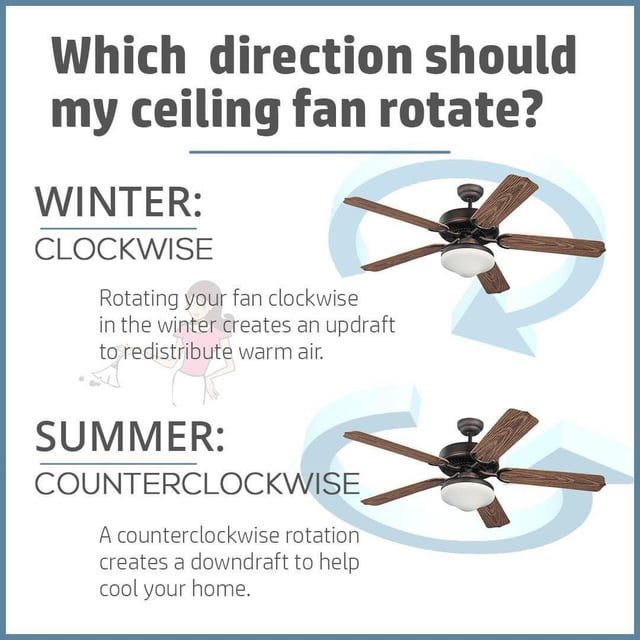
Ceiling fans are common in homes. They keep the air moving. This helps people feel cool. Fans don’t change the air temperature. They just move the air around. It feels cooler when air moves.
Fans use less energy than air conditioners. Keeping them on all night is usually safe. They don’t use much electricity. It can save money compared to cooling systems. But always check if the fan is working well.
Fans are safe when used properly. Make sure they are fixed well to the ceiling. Loose fans can be dangerous. Check the blades for damage. Broken blades can fall and hurt someone. Always keep safety in mind.
Potential Risks
Ceiling fans can get hot if used too long. Overheating might cause fire. Be sure the fan is clean. Dust can make it overheat faster. An old or faulty fan is risky. Worn-out wires increase fire chances.
Fans need electricity to work. Power surges can harm them. A surge might cause sparks. Sparks can be dangerous. Keep the fan well-maintained. Check wires for damage. Damaged wires are unsafe.
Fans should be fixed tightly. Loose fans can fall. That can hurt someone. A wobbly fan is a warning sign. Fix any loose parts. Ensure the fan is balanced. A balanced fan is safer.
Energy Consumption
Ceiling fans use less energy than air conditioners. Running a fan all night might cost only a few cents. Electricity bills stay low when fans are used. Consider the size of the fan. Bigger fans might use more power. But still, they are cheaper than other cooling systems. Using fans wisely saves money.
Fans produce less carbon emissions than air conditioners. This helps our planet stay green. Energy-efficient fans are better for the environment. Less power used means less pollution. Fans help in keeping the earth healthy. Choose fans to support a cleaner world.
Safety Precautions
Ceiling fans need correct setup. Ensure they are mounted securely. Use the right screws and brackets. This prevents accidents. Follow the manufacturer’s instructions carefully. Hire a professional if unsure. A well-installed fan works better. It lasts longer too.
Fans need regular checks. Clean the blades often. Dust can make them noisy. Check for loose screws. Tighten them as needed. Look at the motor and wiring. Ensure they are in good condition. Regular care keeps fans safe. It also boosts performance.
Timers can help manage fan usage. Set them to turn off the fan. This saves energy. It reduces wear and tear. Timers are easy to install. They add safety too. You sleep better, knowing the fan will turn off. Use timers to control fan usage smartly.
Health Considerations
Ceiling fans can help mix the air. This can be good for air quality. They spread air across the room. This keeps the air from being too still. But, fans can also stir up dust. Dust can make breathing hard for some people. Clean your fan often to reduce dust. This helps keep the air fresh. Fresh air is important for good sleep.
Fans help keep rooms cool. They move air around. This can make a room feel cooler. Cool air helps people sleep better. Fans are good in hot weather. They use less energy than air conditioners. This saves money. But, they don’t change the room’s temperature. They just make it feel cooler.
Alternatives To Ceiling Fans
Air conditioning can be a cooling solutionfor homes. It makes rooms very cool. The air becomes fresh and nice. But it can use a lot of electricity. This can make bills go up. Some people find it too cold at night. A good idea is to set a timer. This way, it turns off when you sleep.
Portable fans are easy to move around. They are smaller than ceiling fans. You can place them near your bed. They use less power than air conditioners. This can save money. Portable fans are great for small rooms. They can make a nice breeze. Just plug them in and feel the cool air.
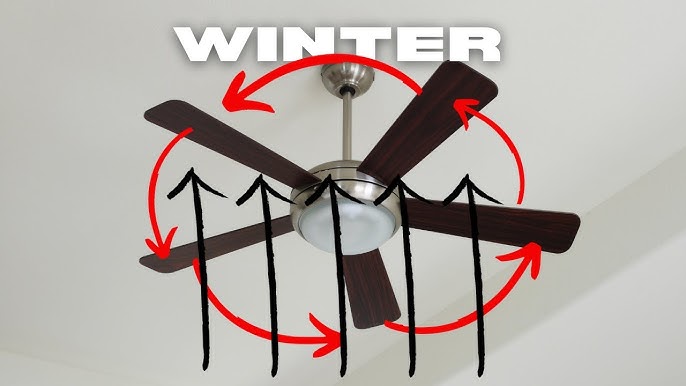
Credit: www.youtube.com
Frequently Asked Questions
Is It Safe To Leave Ceiling Fans On Overnight?
Yes, it’s generally safe to leave ceiling fans on overnight. They are designed for continuous operation and consume less power than air conditioners. Ensure your fan is in good condition, properly installed, and regularly maintained to prevent any electrical issues or overheating.
Do Ceiling Fans Consume A Lot Of Electricity?
No, ceiling fans are energy-efficient compared to air conditioners. They typically use between 10 to 120 watts. Running a fan overnight won’t significantly impact your electricity bill. For maximum efficiency, use Energy Star-rated fans and turn off other unnecessary electrical devices.
Can Ceiling Fans Improve Sleep Quality?
Yes, ceiling fans can improve sleep quality by circulating air and providing a gentle breeze. This helps regulate room temperature and creates a comfortable environment. The white noise produced can also mask disruptive sounds, aiding in better sleep continuity.
Do Ceiling Fans Affect Room Temperature?
Ceiling fans don’t change room temperature but circulate air to create a wind-chill effect. This makes the room feel cooler, allowing you to adjust your thermostat higher. This effect can reduce reliance on air conditioning and lower energy costs.
Conclusion
Leaving ceiling fans on all night is generally safe. Fans help circulate air. This can improve comfort and sleep quality. They consume less energy than air conditioners. Check your fan’s condition regularly. Ensure it runs smoothly without noise or wobbling.
This prevents potential issues. Consider using fans with a timer feature. This can help save energy. Also, always remember to turn off fans when not needed. Safety comes first. Keep your home comfortable and efficient.