Is Track Lighting Outdated? Genius Solutions
Is Track Lighting Outdated? Genius Solutions
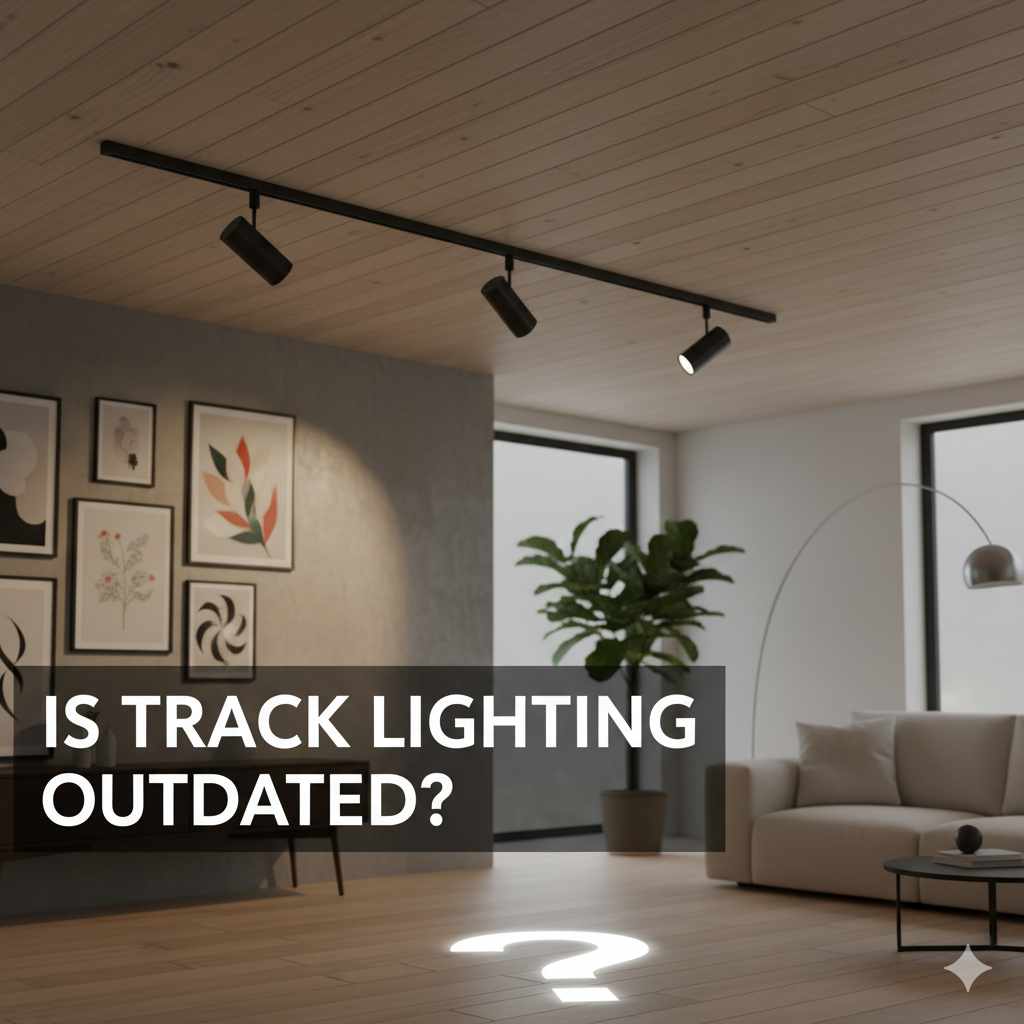
No, track lighting isn’t outdated if you use it smartly! With updated styles, smart placement, and modern fixtures, track lighting can be a versatile and stylish lighting solution for any home. Forget the clunky, industrial looks of the past; today’s track lighting offers sleek designs and advanced features that can beautifully illuminate your spaces.
Hey there, DIYers and home improvement fans! Md Meraj here. You know, I get asked a lot about lighting, especially things like track lighting. For a long time, it had a reputation for being a bit… well, dated. Like something from a 1980s art gallery. But here’s the thing: trends change, and so does technology! If you’ve got track lighting in your home and are wondering if it’s time to rip it out, hold on a second. There are some truly brilliant ways to make it work for you, looking fresh and modern. We’re going to dive into how to refresh this lighting system so it shines in your home, not just illuminates it.
The Evolution of Track Lighting: From Industrial to Inspired
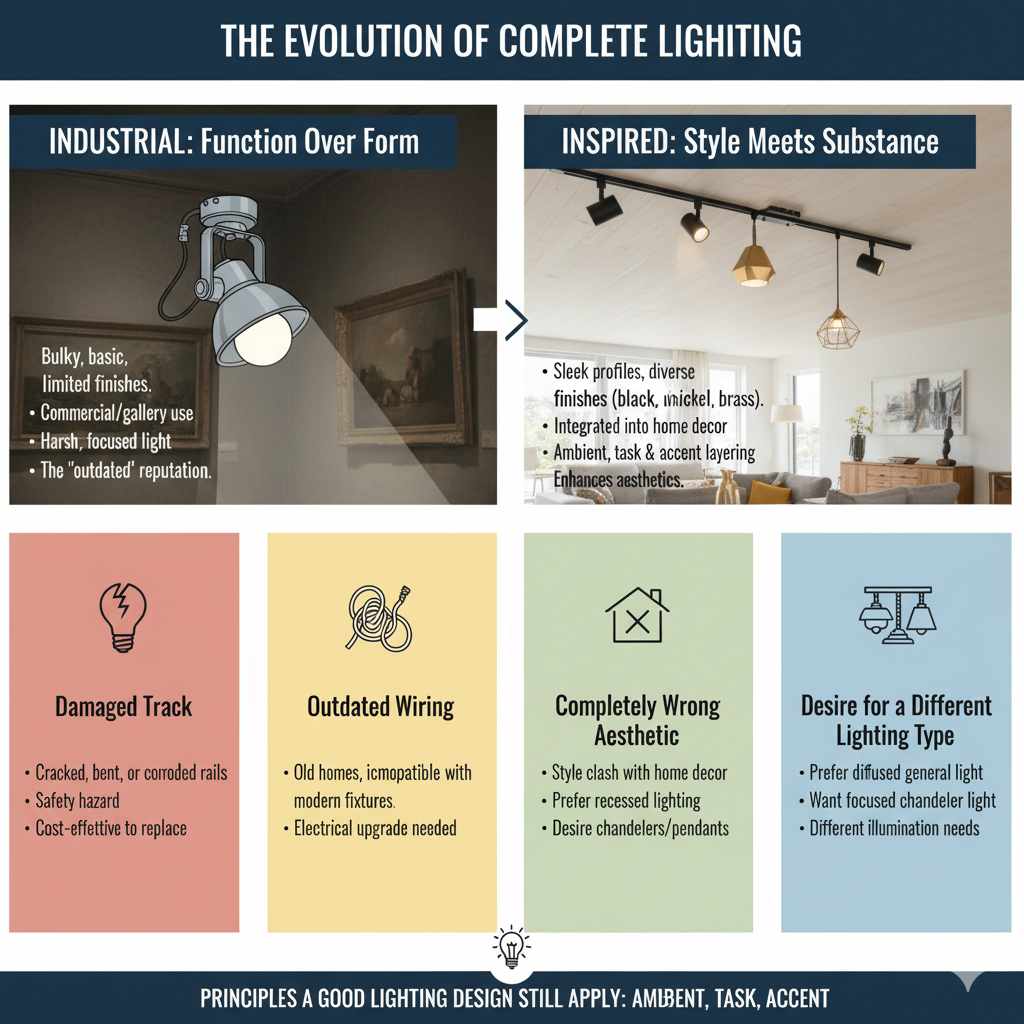
Track lighting has come a long way since its early days. Initially, it was all about function. Think bare bulbs and utilitarian fixtures, designed to highlight artwork or provide focused light in commercial spaces. These early systems were often bulky and not particularly attractive, which is where the “outdated” reputation likely stems from. However, designers and manufacturers have recognized this, and the track lighting of today is a far cry from its predecessors.
Modern track systems boast sleeker profiles, a wider range of finishes (like brushed nickel, matte black, and even brass), and more sophisticated fixture designs. You can find everything from minimalist spotlights to decorative pendants that attach to the track. This evolution means track lighting can now seamlessly integrate into various home decor styles, from contemporary and minimalist to industrial chic and even more traditional settings. It’s no longer just about pointing a light; it’s about creating an ambiance and enhancing your home’s aesthetic.
Why the “Outdated” Label? Understanding the Past Perception
The perception of track lighting being outdated is largely due to its historical context and early designs. When it first became popular in homes, it often featured:
- Bulky, exposed electrical components.
- Limited fixture styles, often industrial or basic.
- A “one-size-fits-all” approach that didn’t cater to diverse home aesthetics.
- A tendency to be installed in a single, rigid line, which could feel uninspired.
These factors combined to give track lighting a utilitarian, almost temporary feel. It was seen as a practical solution rather than a design element. Fortunately, the lighting industry has listened and adapted. Today’s options are far more refined, offering aesthetic appeal alongside their inherent flexibility.
Genius Solutions: Making Track Lighting Work for You
So, is track lighting outdated? Not if you know how to give it a modern makeover! Here are some genius solutions to ensure your track lighting is a stylish asset, not an eyesore.
1. Embrace Modern Fixture Styles
The biggest way to update track lighting is by choosing contemporary fixtures. Forget those basic eyeball spotlights! Look for:
- Sleek Spotlights: Modern spotlights are often smaller, more streamlined, and come in finishes like matte black, white, or brushed metal. They offer precise lighting without being visually heavy.
- Pendant Lights on Tracks: Yes, you can hang pendant lights from a track! Many systems have adapters that allow you to attach beautiful pendant lights, bringing a touch of elegance and a focal point to your room. This is fantastic for dining areas or kitchen islands.
- Decorative Heads: Some track systems offer fixture heads that are designed to be decorative, resembling small chandeliers or unique sculptural elements.
- Integrated LED Heads: Many new track light heads come with built-in LED bulbs, which are energy-efficient, long-lasting, and often offer better light quality and dimming capabilities.
2. Strategic Placement is Key
Where you place your track matters immensely. Instead of just running a single line down the middle of a room, think about how you use the space. Consider these placements:
- Highlighting Features: Position lights to spotlight artwork, architectural details, or a beautiful plant. This draws the eye and adds depth to your room.
- Task Lighting: Install tracks above kitchen countertops, a home office desk, or a reading nook to provide focused light where you need it most.
- Perimeter Lighting: Running a track along the walls can create a softer, more ambient glow, washing the walls with light and making the room feel larger.
- Flexible Layouts: Modern track systems often allow for bends and curves, meaning you’re not limited to straight lines. You can create U-shapes or L-shapes to fit your room’s specific layout.
3. Upgrade Your Track System Itself
Sometimes, the track itself can look dated. If yours is old and yellowed, or a less-than-desirable color, consider replacing just the track. New tracks come in a variety of finishes and often have a slimmer profile.
When choosing a new system, look into different types of track:
| Track Type | Description | Best For |
|---|---|---|
| Monopoint | A single point of connection for one or more fixtures. Offers more design freedom as fixtures don’t need to be in a straight line. | Creating a custom look, highlighting specific areas, flexible arrangements. |
| Monorail | A flexible, curved track that can be shaped to fit the room. Fixtures can be placed anywhere along the rail. | Unique designs, creating sculptural lighting elements, fitting non-standard room shapes. |
| H-Type, J-Type, L-Type | Standard, rigid track systems that connect end-to-end. H-type is the most common. | Straight runs, general room illumination, adding multiple lights in a line. |
You can find these at most home improvement stores or specialty lighting shops. For more information on track lighting types and how they work, check out resources from the U.S. Department of Energy’s Energy Saver website, which offers great advice on energy-efficient lighting solutions.
4. Consider the Finish and Color
The finish of your track and fixtures can make a huge difference. If your current track is a stark white or a dated chrome, updating it to a matte black, brushed nickel, or even a sophisticated oil-rubbed bronze can instantly modernize the look. These finishes blend better with contemporary decor and add a touch of elegance.
5. Integrate Smart Technology
Want to take your track lighting to the next level? Integrate smart bulbs or smart fixtures. This allows you to:
- Control brightness (dimming) via an app or voice commands.
- Change the color temperature (warm to cool white).
- Set schedules and timers.
- Group lights together for scene setting.
This not only adds convenience but also allows you to adjust the mood of your room instantly. Imagine dimming the lights for a cozy movie night or brightening them for a dinner party – all with a tap on your phone.
6. Mix and Match Fixtures
Don’t feel like you have to use the same type of fixture on every part of the track. A well-designed track lighting system can incorporate a mix:
- Use a few sleek spotlights to highlight artwork.
- Add a pendant light over a key area like a kitchen island.
- Incorporate a decorative floodlight to wash a wall with ambient light.
This creates visual interest and ensures your lighting serves multiple purposes. It shows thoughtful design rather than a generic installation.
7. Think About Scale and Proportion
Just like with any other home decor element, the scale of your track lighting matters. In a large room with high ceilings, a single, short track might look lost. Conversely, in a small room, overly large or numerous fixtures can feel overwhelming.
Measure your space carefully and choose a track length and fixture size that is proportionate to the room. For larger spaces, consider multiple, shorter tracks or a more expansive monorail system. For smaller areas, opt for slim tracks and compact fixtures.
DIY Installation: Tips for a Smooth Project
Installing or updating track lighting can be a manageable DIY project for many homeowners. Here’s a general idea of what’s involved and some tips to keep in mind:
Safety First! Always turn off the power to the circuit you’ll be working on at the main breaker box. Use a voltage tester to confirm the power is off before touching any wires.
Basic Steps Often Include:
- Turn off power at the breaker.
- Remove old fixture (if applicable).
- Mount the new track to ceiling joists or using appropriate anchors. This is crucial for securely holding the weight of the track and fixtures.
- Wire the track to your existing electrical box. This usually involves connecting wires (black to black, white to white, ground to ground). If you’re unsure about wiring, it’s always best to consult a qualified electrician. You can find great guides on basic electrical wiring safety and techniques from resources like This Old House.
- Install the light heads by sliding them onto the track and rotating them to lock them in place.
- Restore power and test your new lighting.
Tools You Might Need:
- Screwdrivers (Phillips and flathead)
- Wire strippers
- Voltage tester
- Ladder
- Drill (for pilot holes or mounting)
- Pliers
- Safety glasses
Remember, if you ever feel uncomfortable or unsure about any part of the electrical work, hiring a licensed electrician is a smart and safe choice. They can ensure the installation is done correctly and meets all safety codes.
When to Consider a Complete Replacement
While track lighting can be updated, there are times when a full replacement might be the better option:
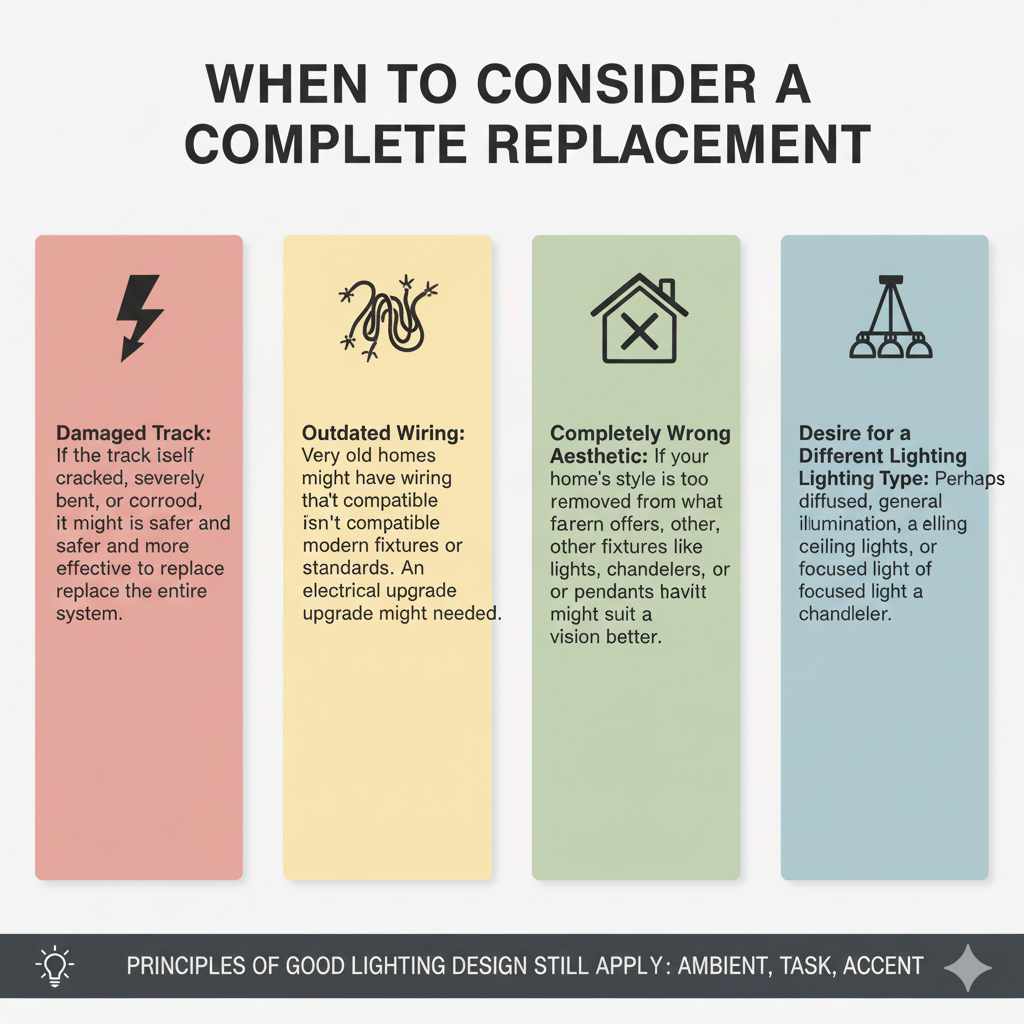
- Damaged Track: If the track itself is cracked, severely bent, or corroded, it might be safer and more effective to replace the entire system.
- Outdated Wiring: Very old homes might have wiring that isn’t compatible with modern fixtures or safety standards.
- Completely Wrong Aesthetic: If your home’s style is so far removed from what track lighting can offer, even with modern fixtures, you might find that recessed lighting, chandeliers, or other types of fixtures better suit your vision.
- Desire for a Different Lighting Type: Perhaps you’ve decided you prefer the diffused, general illumination of ceiling lights, or the focused light of a chandelier.
Even if you decide to replace it, the principles of good lighting design still apply. Think about layering light – ambient, task, and accent lighting – to create a well-lit and inviting space.
Frequently Asked Questions About Track Lighting
Q1: What are the pros and cons of track lighting?
Pros: Highly flexible and adjustable, can highlight specific areas, energy-efficient options available (LEDs), modern fixtures are stylish, can be DIY-friendly to install/update.
Cons: Can sometimes look “busy” if overdone, older styles can look dated, some fixtures can be expensive, requires a power source connection.
Q2: How do I choose the right track lighting fixtures?
Consider the room’s purpose (task, accent, ambient), your decor style, and the type of light you need (spot, flood, diffused). Look for modern finishes and energy-efficient LED options. Think about whether you need directional spotlights, decorative pendants, or something else entirely.
Q3: Can I mix different types of fixtures on the same track?
Yes! Many modern track systems allow you to mix and match different fixture heads, including spotlights, pendants, and decorative elements. This is a great way to create a customized lighting design.
Q4: Is track lighting good for small rooms?
Yes, especially with slim, modern tracks and compact fixtures. Strategic placement can make a small room feel more dynamic and well-lit without overwhelming the space. Perimeter lighting can also make a room feel larger.
Q5: How much does it cost to update track lighting?
Costs vary widely. Replacing just the fixture heads can range from $20-$100+ per head. Updating the track itself might cost $50-$200 depending on length and type. Professional installation will add to the cost, typically $100-$300 for a standard installation.
Q6: What’s the difference between Monopoint and Monorail?
Monopoint systems use a single canopy to power one or more fixtures, allowing for more creative placement away from a straight line. Monorail systems use a continuous rail that can be bent or curved, offering a flexible and often decorative way to position lights anywhere along the rail.
Conclusion: Lighting Up Your Home with Confidence
So, to answer the big question: is track lighting outdated? Not at all! When approached with a modern mindset and the right choices, track lighting can be an incredibly versatile, stylish, and functional lighting solution. By selecting contemporary fixtures, paying attention to placement, considering updated finishes, and even embracing smart technology, you can transform your track lighting from a potential eyesore into a sophisticated design element.
Remember, the goal is to create a space that feels right for you. Whether you’re highlighting your favorite artwork, providing crucial light for a workspace, or simply adding a warm ambiance, track lighting offers the flexibility to achieve it. Don’t be afraid to experiment and have fun with it. With these tips, you’re well-equipped to make your track lighting shine, proving that smart design and modern updates can keep any home feature looking fresh and fabulous. Happy lighting!