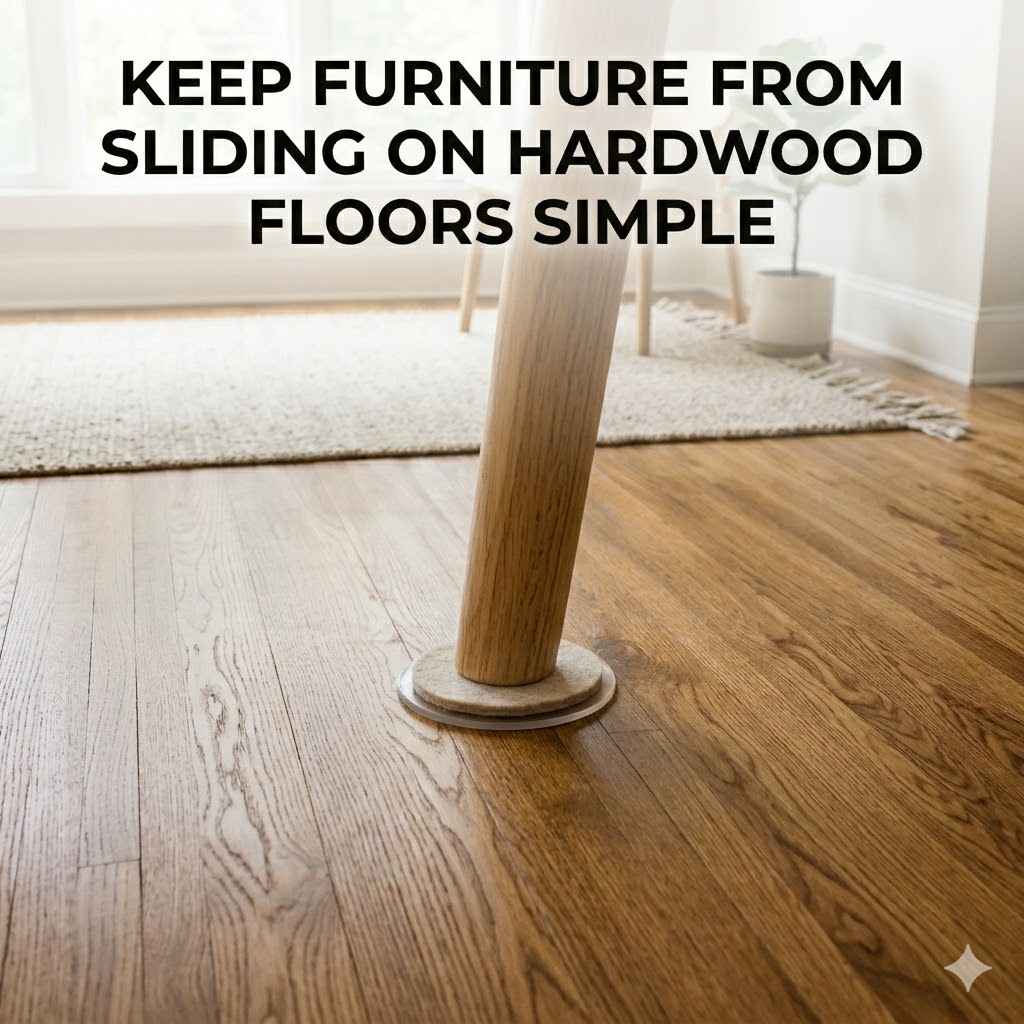
Keep Furniture from Sliding on Hardwood Floors Simple
It’s a common problem when you have beautiful hardwood floors. Your chairs, tables, and sofas tend to scoot around. This can be annoying and even lead to scratches.
Many people find it tricky to figure out the best ways to Keep Furniture from Sliding on Hardwood Floors. Don’t worry, though! We’ll walk through easy steps to solve this.
You’ll learn how to stop furniture movement without damaging your floors. Let’s get your furniture settled and your floors protected.
Stop Furniture Slipping On Hardwood
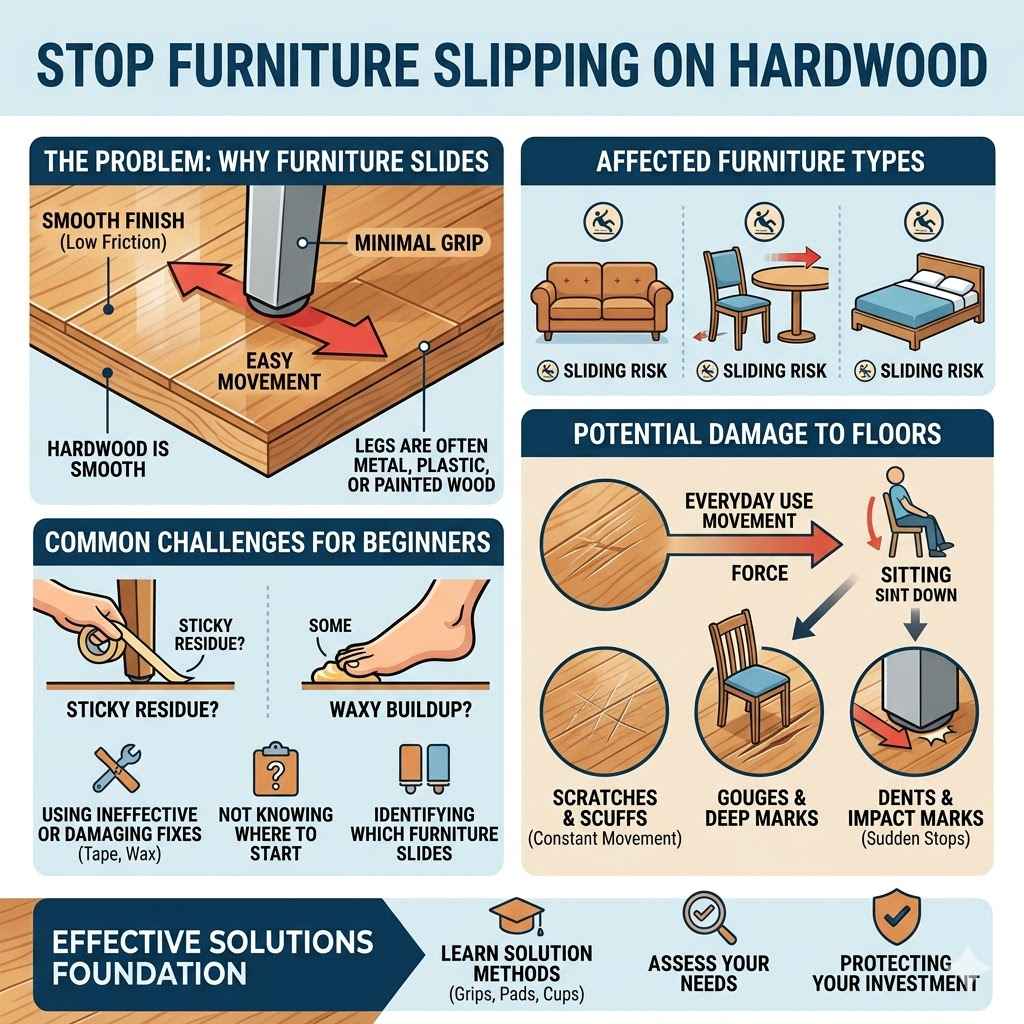
Many homeowners love hardwood floors for their beauty and warmth. Yet, the smooth surface can make furniture prone to unwanted movement. This section explores why furniture slips and the common challenges people face in preventing it.
We will look at the different types of furniture that are most affected and the potential damage that can occur if the issue is ignored. Understanding the root cause helps us find the most effective solutions for your home.
Why Furniture Slides on Hardwood
Furniture slides on hardwood floors primarily because of friction. Hardwood is a very smooth surface. Many furniture legs have smooth bottoms, like plastic or metal.
When there’s little friction between the furniture leg and the floor, even a slight push can cause the furniture to move. Think about pushing a toy car on a shiny floor; it glides easily. Furniture is no different.
The type of finish on your hardwood floors also plays a role. A high-gloss finish is even smoother than a matte one. This makes it harder for furniture to grip.
The weight of the furniture can also affect slippage. Heavier items might press down more, but if the contact point is smooth, they can still slide.
The environment can also contribute. Humidity changes can cause wood floors to expand or contract slightly, creating tiny gaps or unevenness. This can make furniture feel less stable.
Even everyday use, like someone sitting down or moving a chair at a table, creates enough force to push a slippery piece of furniture.
Common Challenges for Beginners
When you first get hardwood floors or new furniture, you might not think about this problem. Then, you notice your sofa creeping away from the wall. Or, your dining chairs slide back too far when you get up.
Beginners often struggle because they don’t know where to start. They might try a quick fix that doesn’t last.
One common mistake is using materials that could damage the floor. Some people might try to use tape, but it can leave sticky residue. Others might use thick, waxy products that can build up over time.
Finding the right material that grips well without harming the floor’s finish is key.
Another challenge is identifying which furniture needs attention. It’s not always obvious. Sometimes, it’s just one or two pieces.
Learning to assess your furniture and floors helps you pick the best solutions. We want to make sure our homes are safe and our floors look good.
Potential Damage to Floors
When furniture slides, it can cause significant damage to hardwood floors. The constant movement can lead to scratches and scuffs. These marks are hard to remove and can make your beautiful floors look worn.
Over time, these small scratches can add up.
Chairs being dragged in and out from a dining table are a prime example. This can create deep gouges in the floor. If the furniture has sharp edges or rough parts on its legs, the damage can be even worse.
Beyond scratches, furniture can also cause dents. If a heavy item slides and then stops abruptly, it can create an impact mark. This is especially true if the floor has a softer wood species.
Repairing these kinds of damages can be costly and time-consuming. Protecting your floors upfront is much easier.
Solutions to Keep Furniture from Sliding
Now that we understand why furniture moves and the problems it causes, let’s explore the many effective ways to keep furniture from sliding on hardwood floors. This section will cover a range of simple and practical solutions. We will look at products you can buy and even some DIY approaches.
The goal is to find methods that work for different types of furniture and different floor finishes.
Furniture Pads and Grippers
Furniture pads and grippers are perhaps the most popular and straightforward solution. These are small pieces that attach to the bottom of furniture legs. They work by increasing friction or providing a soft, gripping surface.
There are several types of pads. Felt pads are great for protecting floors from scratches. However, they can sometimes slide.
For better grip, many people use rubber or silicone-based pads. These create more friction against the hardwood.
Some pads are adhesive, meaning you stick them directly to the leg. Others are designed to slip over the leg like a sleeve. For very heavy furniture, like sofas, you might find larger gripper mats that go under the entire base.
When choosing pads, consider the material. Rubber offers excellent grip but might leave marks on some finishes if it’s very soft. High-quality silicone is often a good balance, providing grip without transferring color.
Felt is best for preventing scratches but may need to be replaced more often if it wears down.
Felt Pads
Felt pads are soft and protect floors from scratches caused by furniture legs. They are usually self-adhesive and come in various shapes and sizes. You simply peel and stick them to the bottom of the furniture leg.
While they are excellent for preventing scratches, felt pads can sometimes wear out. They can also become loose over time, especially on furniture that is moved frequently. If a piece of felt peels off, the exposed leg can then scratch your floor.
It’s a good idea to check them periodically.
For the best results with felt pads, ensure the furniture leg is clean and dry before applying. Press firmly to ensure a good bond. They are a cost-effective solution for lighter furniture like small tables or accent chairs.
Rubber and Silicone Grippers
Rubber and silicone grippers are designed for better traction. They have a textured surface that digs into the hardwood just enough to prevent sliding. These are often more effective than felt for preventing movement.
Silicone grippers are a popular choice because they are durable and usually non-marking. They are less likely to leave residue than some rubber compounds. Many come as sleeves that fit snugly over furniture legs.
This makes them easy to install and less likely to fall off.
These grippers are excellent for chairs, tables, and even larger items like sofas. They provide a stable base and absorb some of the shock when furniture is pushed or pulled. They are a great way to keep things in place.
Furniture Leg Sleeves
Furniture leg sleeves are another practical option. They are often made of felt, rubber, or a combination of materials. These sleeves slide over the furniture legs, providing a protective and gripping layer.
They are particularly useful for furniture with irregular leg shapes. Unlike adhesive pads, sleeves don’t rely on sticky glue. This means they are less likely to leave residue if you need to remove them.
When selecting sleeves, ensure you get the correct size for your furniture legs. A snug fit is important for them to stay in place and provide the best protection and grip. Some are designed to be very flexible.
Non-Slip Rug Pads
If you have rugs on your hardwood floors, you know how they can bunch up or slide. A non-slip rug pad is essential. But these pads can also be used under furniture legs to provide extra grip.
You can cut small pieces of a non-slip rug pad and place them under furniture legs. This is a simple yet effective method. The rubberized or textured surface of the rug pad creates a strong grip on the hardwood.
This is a great solution for furniture that doesn’t have flat bottoms or for very heavy items. It’s also good if you don’t want to attach anything directly to your furniture legs. Just make sure the rug pad material won’t stain your floors.
Choosing the Right Rug Pad Material
Not all rug pads are created equal. For hardwood floors, look for pads made from natural rubber or a blend that is specifically recommended for hardwood. Avoid PVC-based pads, as they can sometimes react with certain floor finishes and cause discoloration.
Natural rubber pads offer excellent grip and durability. They are breathable, which can help prevent moisture buildup under the rug and pad. Some pads are also designed to provide extra cushioning and sound dampening.
Consider the thickness of the pad. A thicker pad might provide more comfort but could make furniture slightly less stable if it’s too soft. A medium-density pad is usually a good balance for grip and support.
DIY Solutions for Furniture Stability
Sometimes, you might not have the specific products needed, or you might prefer a more hands-on approach. There are several DIY methods that can help keep furniture from sliding. These often involve common household items.
Using Cabinet Liner or Shelf Liner
Similar to rug pads, you can cut pieces of cabinet or shelf liner. These are often made of a non-slip vinyl or rubber material. They provide a good grip and are easy to find at most home stores.
Simply cut the liner to the size of your furniture legs or the base of the furniture. Place these pieces on the floor where the furniture will sit. The friction from the liner will help prevent sliding.
This is a very cost-effective method. It’s also reversible, meaning you can remove the liner without damaging the floor or the furniture. It’s a good temporary fix or a permanent solution for many types of furniture.
Fabric and Felt Scraps
If you have old towels, blankets, or thick fabric scraps, you can use them. Cut pieces and attach them to the bottom of furniture legs. You can use strong fabric glue or even double-sided tape for this.
Ensure the fabric is thick enough to provide some cushioning and grip. Avoid very thin or slippery fabrics. Felt scraps are ideal if you have them.
This method is very gentle on floors.
This is a great way to repurpose materials and save money. It’s also a solution that can be easily replaced if the fabric wears out. Make sure the attachment is secure so the fabric doesn’t come loose.
Specialty Furniture Feet
Beyond basic pads, there are specialized furniture feet designed for maximum stability. These often incorporate advanced materials and designs to address specific sliding issues.
Adjustable Furniture Levelers
For furniture that sits on legs, adjustable levelers can be a lifesaver. These are threaded bolts that screw into the base of the furniture. You can then turn them to raise or lower that corner of the furniture.
This is especially useful if your hardwood floors are not perfectly level. By adjusting the levelers, you can ensure all four legs make even contact with the floor. This stability prevents wobbling and also reduces sliding.
Many levelers have a rubber or plastic foot to protect the floor and provide grip.
These are common on items like cabinets, dressers, and even some sofas. They require a bit more effort to install, often needing you to drill a hole in the furniture leg. However, the stability they provide is well worth it.
Furniture Stabilizers for Sofas and Beds
Sofas and beds are large pieces of furniture that can easily shift. Specialty stabilizers are designed to anchor these items securely. They often work by extending downwards to the floor or by gripping the floor.
Some stabilizers have a wide base that spreads the weight and increases friction. Others might use adhesive pads on their base. For beds, there are also anti-skid strips that can be placed under the bed frame.
These are crucial for safety as well as protecting your floors. A shifting bed or sofa can be a hazard. These stabilizers ensure your furniture stays put, even with regular use.
Choosing the Best Solution for Your Furniture
Selecting the right method to keep furniture from sliding on hardwood floors depends on several factors. We need to consider the type of furniture, its weight, the floor’s finish, and how much you move the furniture. This section will help you weigh your options and make the best choice for your home.
Assessing Your Furniture and Floors
Before you buy any products, take a close look at your furniture and floors. What kind of legs does your furniture have? Are they wide and flat, or narrow and round?
Is the furniture very heavy, like a solid wood dining table, or lighter, like an accent chair?
Also, consider your hardwood floors. Are they new with a fresh finish, or older and perhaps a bit worn? Some floor finishes are more sensitive than others.
For example, very soft rubber might mark a delicate urethane finish. Always test a small, hidden area if you are unsure.
Think about how often the furniture is moved. A dining chair that gets pushed back multiple times a day needs a more robust solution than a decorative cabinet that stays put for years.
Weight of the Furniture
The weight of your furniture is a major factor. Lighter items like small side tables or decorative stools may only need simple felt pads, though even these can slide. Heavier items, like sofas, sectionals, or large dining tables, require solutions that can handle more pressure and movement.
For heavy furniture, look for products that offer a wider contact area with the floor. This distributes the weight more evenly and creates better stability. Gripper pads designed for large furniture are ideal.
Adjustable levelers can also be very effective as they ensure all legs are firmly on the ground.
Using adhesive pads on very heavy furniture can sometimes be problematic. If the pad fails, the furniture could shift suddenly. Therefore, solutions that physically grip or support the furniture, like sleeves or levelers, might be safer for extremely heavy pieces.
Type of Furniture Legs
The shape and material of furniture legs are critical. Round legs might need different pads than square legs. Furniture with very narrow or delicate legs might require specialized protectors.
If legs are made of metal or hard plastic, they will need a layer of softer material like rubber or felt to prevent sliding and scratching. If the legs are already wooden, adding a gripper pad can still prevent unwanted movement.
Some furniture has sliders built-in. These can be useful, but they may not always provide enough grip on hardwood. You might need to add a gripper over them.
For furniture without legs, like a solid-base cabinet, you might need larger gripper mats that go under the entire base.
Comparing Different Solutions
To help you decide, let’s compare some of the most common solutions. This table shows their pros and cons for keeping furniture from sliding on hardwood floors.
| Solution | Pros | Cons | Best For |
|---|---|---|---|
| Felt Pads | Prevents scratches, inexpensive, easy to apply | Can wear out, may not prevent sliding well, can come loose | Light furniture, scratch prevention primary |
| Rubber/Silicone Grippers | Excellent grip, durable, good for preventing movement | Can leave marks on some finishes (especially soft rubber), can be harder to find correct size | Chairs, tables, moderate to heavy furniture |
| Furniture Leg Sleeves | Snug fit, less likely to fall off, good for various leg shapes | Requires correct sizing, may not offer as much grip as dedicated grippers | Regularly shaped legs, furniture that is moved often |
| DIY Shelf Liner | Very inexpensive, easy to cut and use, reversible | May not be as durable, can look less tidy than commercial products | Temporary solutions, budget-conscious users |
| Adjustable Levelers | Provides perfect stability, compensates for uneven floors | Requires installation, more effort than pads | Cabinets, tables, furniture prone to wobbling |
Durability and Longevity
When you choose a solution, think about how long it will last. Felt pads often need to be replaced every few months, especially if they get a lot of wear. Adhesive pads can lose their stickiness over time.
Rubber and silicone grippers tend to be quite durable. They can last for years, especially if they are good quality. Adjustable levelers, once installed correctly, are a permanent fix.
Consider the traffic your furniture gets. High-traffic areas like dining rooms or living room sofas will benefit from more durable solutions. Less-used furniture might be fine with simpler, less permanent options.
Ease of Installation
Some methods are incredibly easy. Peeling and sticking felt pads takes seconds. Cutting and placing shelf liner is also very quick.
Sleeves that slip over legs are also simple. The most involved solutions are adjustable levelers. These might require drilling holes and carefully adjusting each leg.
However, this extra effort often leads to the most stable results.
For most people, a balance between ease of installation and effectiveness is ideal. Many effective solutions, like silicone grippers, are very easy to put on.
When to Seek Professional Help
In most cases, keeping furniture from sliding on hardwood floors is a DIY project. However, there are times when you might want to call in a professional.
If you have very expensive or antique hardwood floors, you might be hesitant to try DIY solutions. A flooring professional can advise on the best products or even install them for you.
Also, if your furniture is extremely heavy or has a unique design, a professional might be able to offer custom solutions. This is rare, but good to keep in mind for very specific situations.
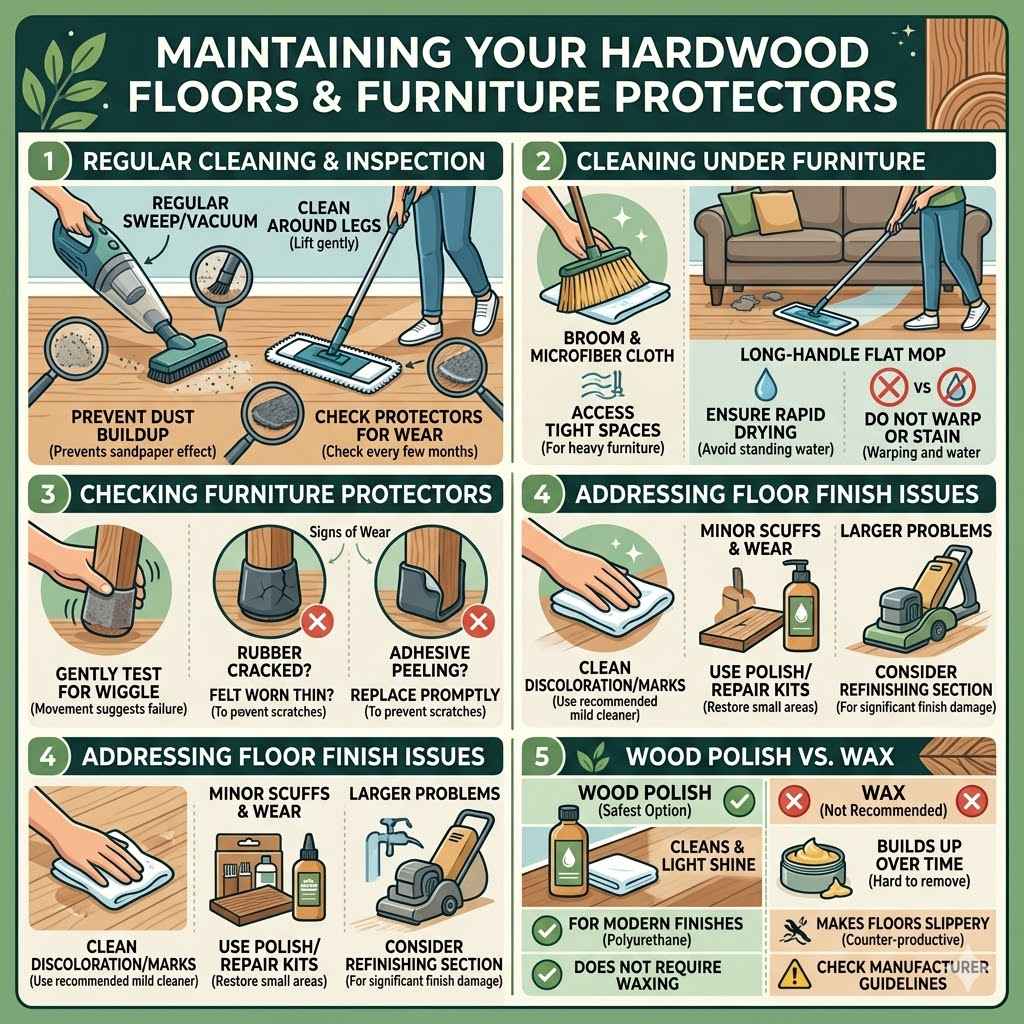
Maintaining Your Hardwood Floors and Furniture
Once you’ve secured your furniture, it’s important to maintain both your floors and the solutions you’ve used. Regular care will ensure your floors stay beautiful and your furniture stays put for a long time.
Regular Cleaning and Inspection
Regular cleaning is key for any floor, especially hardwood. Dust and debris can get trapped under furniture pads or grippers. This can act like sandpaper, scratching your floors over time.
Vacuum or sweep your floors regularly. When cleaning under furniture, lift it if possible, or use a damp cloth to wipe around the legs. Periodically inspect the furniture protectors.
Check for wear and tear, or if they are coming loose.
For floors, use cleaning products specifically designed for hardwood. Avoid abrasive cleaners or excessive water, which can damage the finish.
Cleaning Under Furniture
Dust bunnies love to hide under furniture. When you clean, try to get under as much of the furniture as you can. A broom with soft bristles or a vacuum cleaner with a soft brush attachment works well.
If furniture is too heavy to move, consider using a flat dust mop or a microfiber cloth attached to a long handle. This allows you to reach into tighter spaces.
Ensure that any cleaning solution used on the floor dries quickly. Never leave standing water on hardwood floors. This can cause warping and staining.
Checking Furniture Protectors
Furniture pads and grippers don’t last forever. They can wear down, become loose, or gather debris. It’s wise to check them every few months.
Gently try to wiggle the furniture legs. If there’s any movement, the protector might be failing. Also, look for signs of wear, like the felt being worn thin or the rubber looking cracked.
If a protector is damaged, replace it promptly to prevent scratches.
For adhesive pads, check that they are still stuck firmly. If one starts to peel, it’s best to remove it and apply a new one. For sleeves, ensure they are still snug.
Addressing Floor Finish Issues
Sometimes, even with protectors, there might be minor issues with the floor finish. This can happen if a product is not compatible, or if the floor is old and the finish is worn.
If you notice any discoloration or marks on your floor from a gripper, it’s important to address it. Clean the area with a mild cleaner recommended for hardwood.
If the finish is slightly scuffed, there are furniture polish or wood repair kits that can help. These can restore the look of the floor in small areas. For larger problems, you might need to consider refinishing a section of your floor.
Wood Polish vs. Wax
Wood polish is generally a safer option for maintained finishes. It cleans and provides a light shine. Many modern hardwood floor finishes are polyurethane-based, and these generally don’t require waxing.
Wax can build up over time and become difficult to remove, especially on polyurethane finishes. It can also make floors more slippery, which is the opposite of what we want when trying to stop furniture from sliding.
Always follow the manufacturer’s recommendations for your specific floor finish. If in doubt, stick to simple cleaning with a recommended hardwood floor cleaner.
Frequently Asked Questions
Question: What is the best material for furniture pads on hardwood floors
Answer: The best materials are typically high-quality silicone or dense rubber. These offer excellent grip without marking the floor. Felt pads are good for preventing scratches but may not stop sliding as effectively.
Always test a small, hidden area if you’re concerned about floor finish compatibility.
Question: How often should I check my furniture pads
Answer: It’s recommended to check your furniture pads every 3-6 months. Look for signs of wear, loosening, or debris accumulation. Replace them if they show damage or are no longer providing adequate grip.
Question: Can I use old carpet scraps under my furniture
Answer: While old carpet scraps can offer some friction, they might not be ideal. Some carpet backing materials can damage or discolor hardwood floors. It’s safer to use materials specifically designed for hardwood, like rubber rug pads or shelf liners.
Question: Will furniture grippers leave marks on my hardwood floors
Answer: High-quality silicone or rubber grippers are usually non-marking. However, some softer rubber compounds or colored materials might leave temporary or permanent marks on certain floor finishes. Always test in an inconspicuous area first.
Question: My furniture still slides a little even with pads, what else can I do
Answer: If pads aren’t enough, consider furniture leg sleeves that offer a tighter fit or adjustable furniture levelers. For very heavy items, look for specialized furniture stabilizers that anchor the piece more securely to the floor.
Wrap Up
Keeping furniture from sliding on hardwood floors is simple with the right approach. You can easily stop chairs from moving and sofas from creeping. Using furniture pads, grippers, or leg sleeves are effective solutions.
Regularly check these protectors and clean your floors. Enjoy your stable furniture and beautiful, protected hardwood floors.