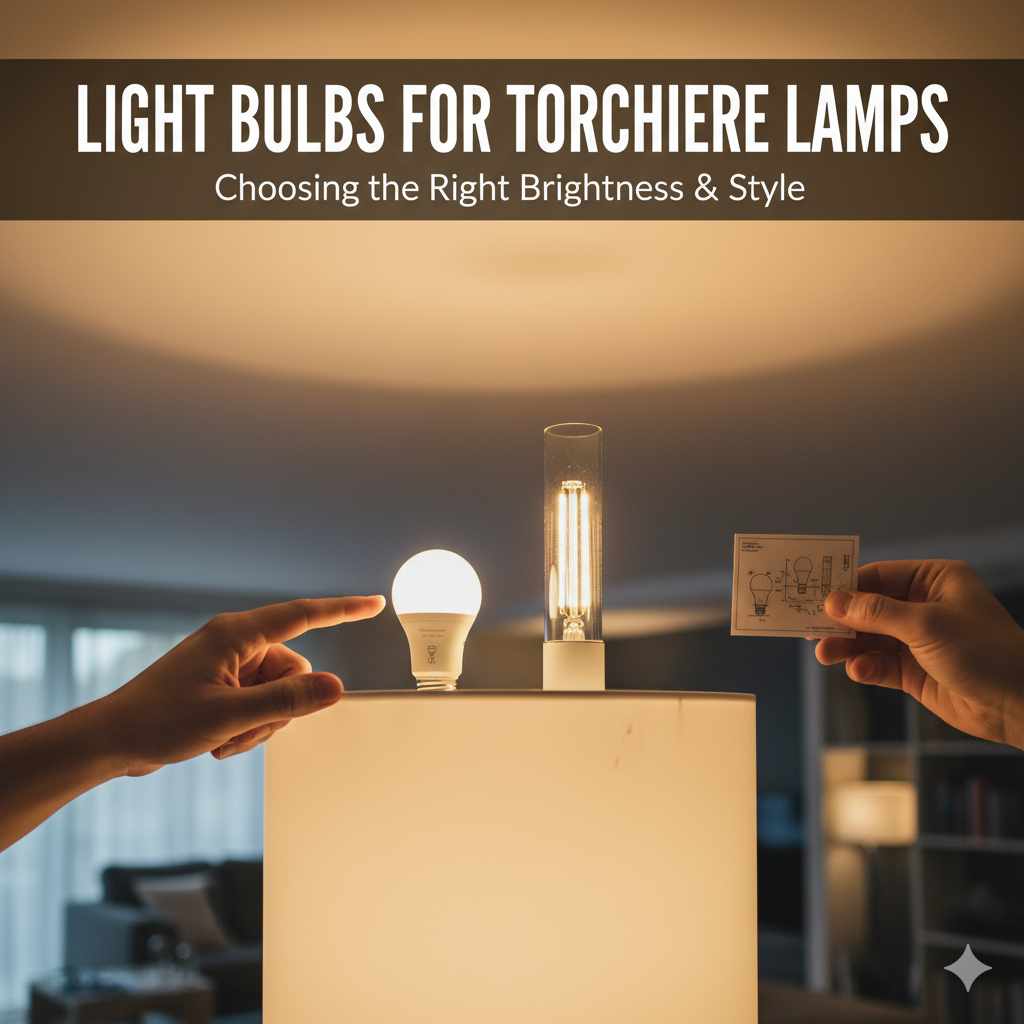
Light Bulbs for Torchiere Lamps: Essential Guide
Quick Summary:
Choosing the right light bulbs for your torchiere lamp is simple! Opt for LED bulbs for energy efficiency, long life, and excellent light quality. Ensure the bulb base matches your lamp (usually E26) and select the right brightness (lumens) and color temperature for your desired ambiance.
Hello there, fellow home improvers! Md Meraj here, ready to shed some light on a common household puzzle: finding the perfect light bulbs for your torchiere lamps. These tall, elegant lamps are fantastic for casting a warm glow upwards, brightening up a room without harsh glare. But when that bulb burns out, or you’re looking to upgrade, you might find yourself staring at a dizzying array of options. Don’t worry! This guide is designed to make selecting the right bulb as easy as turning on your lamp. We’ll walk through everything you need to know, from bulb types to brightness, ensuring your torchiere lamp shines its best.
Why the Right Bulb Matters for Your Torchiere Lamp
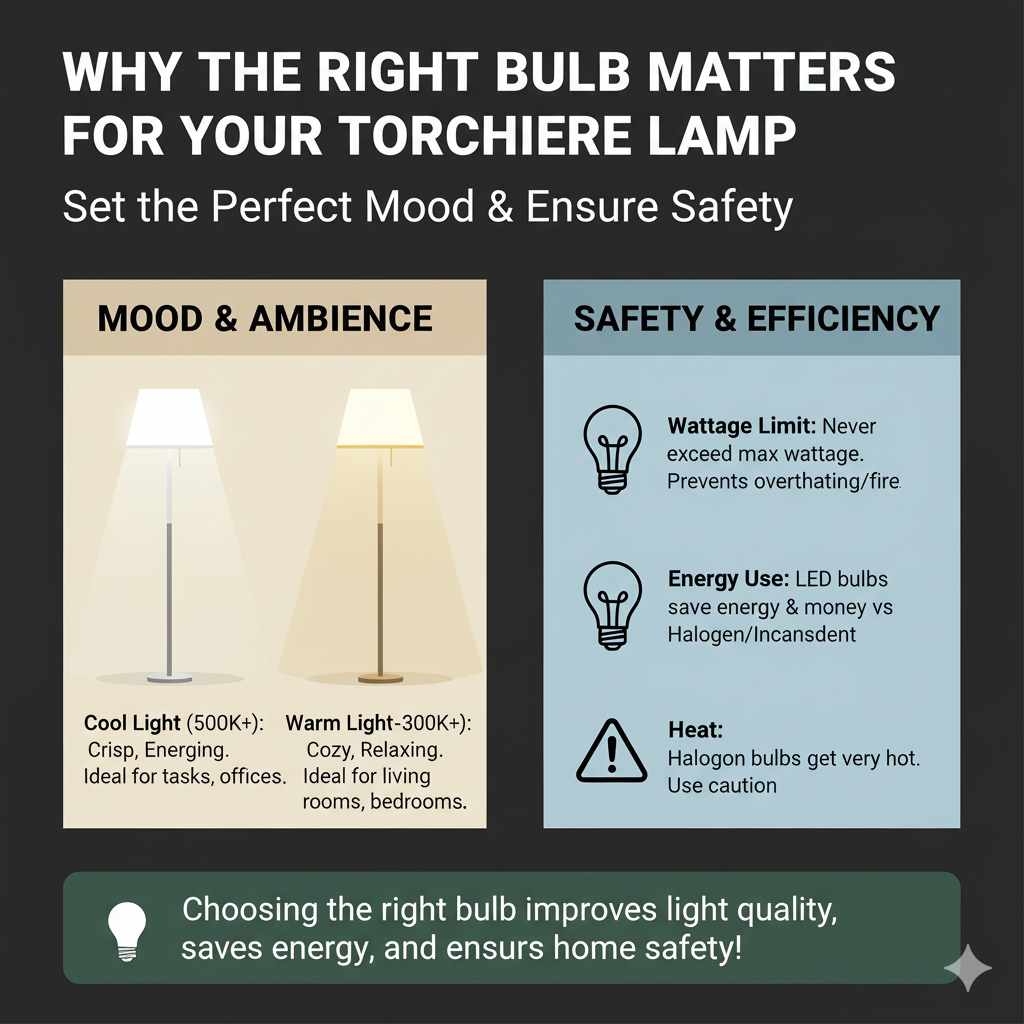
Torchiere lamps are designed to illuminate a space indirectly by bouncing light off the ceiling. This means the bulb inside plays a crucial role in the overall mood and functionality of your room. The wrong bulb can lead to dimness, an unpleasant color cast, or even a fire hazard if it’s not suited for the lamp. Getting it right ensures your torchiere lamp does exactly what it’s supposed to: provide beautiful, ambient lighting.
Think about it: a bright, cool-toned bulb might make a cozy reading nook feel sterile, while a dim, warm bulb might not provide enough light for tasks. Understanding your lamp’s needs and the different bulb technologies available will help you create the perfect atmosphere in any room. We’ll break down the key features to consider, making sure you feel confident in your choice.
Understanding Torchiere Lamp Bulb Basics
Before we dive into the different types of bulbs, let’s cover the fundamental aspects you’ll find on any light bulb packaging. These are the key details that will help you make an informed decision.
Bulb Base Type
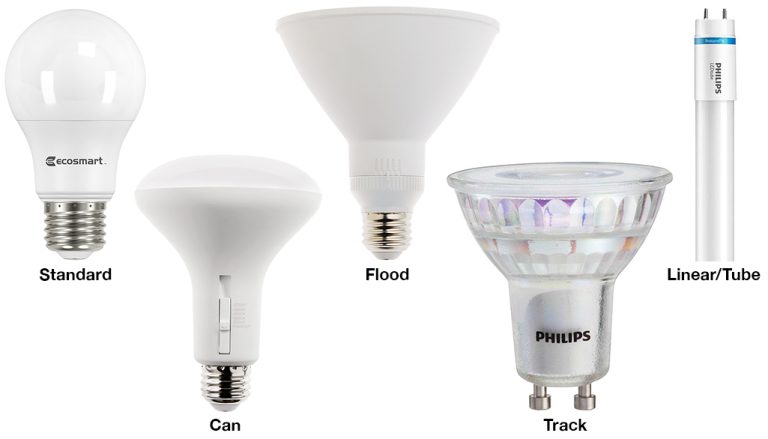
This is the part of the bulb that screws into the lamp socket. For most standard torchiere lamps in North America, you’ll be looking for a bulb with an E26 base. This is also commonly referred to as a medium or standard base. In other parts of the world, you might encounter an E27 base, which is very similar and often interchangeable, but it’s always best to check your lamp’s specifications. Some smaller or more decorative torchiere lamps might use a different base, like a candelabra (E12) or even a GU10 twist-and-lock base, though this is less common for the uplighting style.
Key takeaway: Always check the socket in your torchiere lamp to confirm the base type. If you’re unsure, take a picture of the old bulb or the socket with you to the store, or consult your lamp’s manual.
Wattage vs. Lumens: What’s the Difference?
This is where many people get confused. For decades, we’ve equated brightness with wattage. However, wattage actually measures the amount of energy a bulb consumes, not how much light it produces.
Lumens (lm) are the true measure of brightness. The higher the lumen count, the brighter the light. When choosing bulbs for your torchiere lamp, you’ll want to focus on lumens to ensure you get the light output you desire.
Here’s a rough guide for comparing old incandescent wattages to LED lumens, as LEDs are the most common and efficient choice today:
- 60-watt equivalent: Around 800 lumens
- 75-watt equivalent: Around 1100 lumens
- 100-watt equivalent: Around 1600 lumens
Your torchiere lamp likely has a maximum wattage rating printed on its socket or base. This is a safety measure to prevent overheating. While you’ll focus on lumens for brightness, ensure the actual wattage of your new LED bulb is well below this maximum rating. LEDs consume far less energy, so a bright LED will have a very low wattage.
Color Temperature (Kelvin – K)
Color temperature describes the appearance of the light itself – whether it looks warm and yellowish or cool and bluish. It’s measured in Kelvin (K).
- Warm White (2700K – 3000K): This is similar to traditional incandescent bulbs. It creates a cozy, inviting atmosphere, perfect for living rooms and bedrooms.
- Cool White / Bright White (3500K – 4100K): This offers a more neutral, crisp light. It’s good for kitchens, bathrooms, or workspaces where you need good visibility.
- Daylight (5000K – 6500K): This mimics natural daylight and has a bluish tint. It’s excellent for task lighting or areas where you need maximum clarity and alertness, but can feel too stark for general ambient lighting.
For most torchiere lamps used for ambient lighting, a warm white (2700K-3000K) is often preferred to create a relaxing mood.
Types of Light Bulbs for Torchiere Lamps
The world of light bulbs has evolved significantly. Here’s a look at the main types you might encounter, with a strong emphasis on why LEDs are usually the best choice for your torchiere lamp.
LED (Light Emitting Diode) Bulbs
LEDs are the modern champion for good reason. They are incredibly energy-efficient, last much longer than other types of bulbs, and are available in a vast range of brightness levels and color temperatures.
Pros:
- Energy Efficiency: Use up to 80% less energy than incandescent bulbs.
- Long Lifespan: Can last 15,000 to 50,000 hours, meaning fewer replacements.
- Durability: More resistant to breakage than glass bulbs.
- Instant On: Reach full brightness immediately.
- Variety: Available in all common base types, brightness levels, and color temperatures.
- Cooler Operation: Generate less heat, which is safer for lamps and the surrounding environment.
Cons:
- Higher Upfront Cost: Though prices have dropped significantly, they can still be more expensive initially than incandescent or CFL bulbs. However, the long-term savings make them more economical.
- Dimmer Compatibility: Some older dimmer switches may not work well with all LED bulbs, causing flickering. Look for “dimmable” LEDs and ensure your dimmer is compatible.
For torchiere lamps, LEDs are almost always the best choice due to their efficiency, longevity, and the ability to get them in the perfect color temperature for ambient lighting.
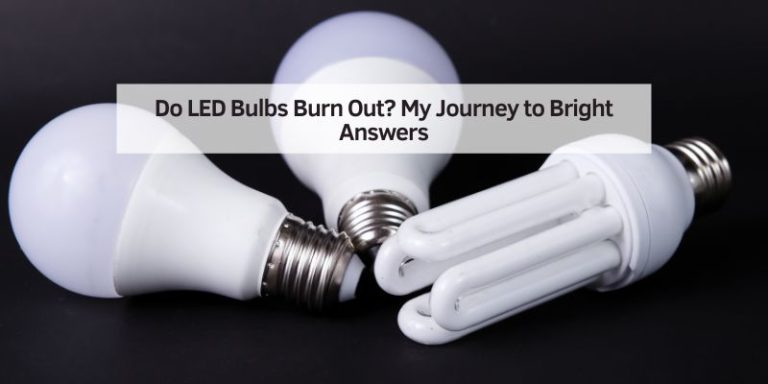
CFL (Compact Fluorescent Lamp) Bulbs
CFLs were the energy-efficient alternative before LEDs became mainstream. They work by passing an electric current through gas, which produces UV light that then excites a phosphor coating inside the bulb to emit visible light.
Pros:
- Energy Efficient: Use about 75% less energy than incandescent bulbs.
- Longer Lifespan: Typically last 6,000 to 15,000 hours.
Cons:
- Contain Mercury: Require careful disposal. Check with your local waste management for proper recycling. The U.S. Environmental Protection Agency (EPA) provides guidance on CFL disposal.
- Warm-up Time: May take a minute or two to reach full brightness.
- Color Rendering: Can sometimes have a less natural color rendering compared to LEDs or incandescents.
- Dimming Issues: Not all CFLs are dimmable, and those that are may not dim smoothly.
- Fragile: Made of glass and can break easily.
While CFLs are more efficient than incandescents, they are largely being phased out in favor of LEDs due to the mercury content and slower warm-up times.
Halogen Bulbs
Halogen bulbs are a type of incandescent bulb. They contain a filament that heats up to produce light, but they have a halogen gas inside that allows the filament to burn hotter and last longer than traditional incandescents.
Pros:
- Good Color Rendering: Produce a bright, crisp light that renders colors accurately.
- Instant On: Full brightness immediately.
- Dimmable: Work well with most dimmer switches.
Cons:
- Energy Inefficient: Use significantly more energy than CFLs and LEDs.
- Shorter Lifespan: Typically last around 2,000 hours.
- Get Very Hot: The bulb surface can become extremely hot, posing a burn risk and a potential fire hazard if placed too close to flammable materials.
While they offer good light quality, their inefficiency and heat generation make them a less ideal choice for torchiere lamps compared to LEDs.
Incandescent Bulbs (Traditional)
These are the classic light bulbs you probably grew up with. They work by heating a tungsten filament until it glows. While familiar, they are the least efficient option available.
Pros:
- Inexpensive Upfront: Usually the cheapest to buy initially.
- Familiar Warm Light: Produce a warm, familiar glow.
- Instant On & Dimmable: Work perfectly with dimmers.
Cons:
- Extremely Inefficient: Most of the energy is lost as heat, not light.
- Short Lifespan: Typically last only 750-1,000 hours.
- Get Very Hot: Significant heat output poses a safety risk.
- Being Phased Out: Many countries are phasing out the production and sale of incandescent bulbs due to their inefficiency.
Due to their inefficiency and safety concerns (especially the heat), incandescent bulbs are generally not recommended for modern use, particularly in lamps like torchiere lamps that are often left on for extended periods.
Choosing the Right Bulb: A Step-by-Step Approach
Now that you understand the basics, let’s put it all together to find the perfect bulb for your torchiere lamp.
Step 1: Check Your Lamp’s Specifications
This is the most crucial first step. Look for a label on your lamp, usually near the socket or on the power cord, that indicates the maximum wattage it can safely handle. Also, confirm the bulb base type (most likely E26).
Example: Your lamp might say “Max 100W” and have an E26 base.
Step 2: Decide on the Bulb Type (We Recommend LED!)
As we’ve discussed, LED bulbs offer the best combination of energy efficiency, longevity, safety, and light quality. They are the most cost-effective choice in the long run and the most environmentally friendly.
Step 3: Determine the Brightness (Lumens)
Think about how you use the room where the torchiere lamp is located.
- Living Room/Bedroom (Ambient Lighting): 800-1100 lumens (equivalent to a 60-75W incandescent) is usually sufficient for a soft, diffused glow.
- Reading Nook/Task Area: 1100-1600 lumens (equivalent to a 75-100W incandescent) might be better for focused light.
Remember, the “equivalent wattage” on the packaging is just a reference. Focus on the lumen (lm) number.
Step 4: Select the Color Temperature (Kelvin)
This significantly impacts the mood of your room.
- For a cozy, relaxing atmosphere: Choose Warm White (2700K – 3000K). This is ideal for most living rooms and bedrooms.
- For a brighter, more neutral light: Choose Cool White or Bright White (3500K – 4100K). This can be good for hallways or multi-purpose rooms.
- For maximum clarity (less common for torchiere ambient light): Choose Daylight (5000K+). This is best for specific task lighting where true color and alertness are key, but can feel too harsh for general mood lighting from a torchiere.
Step 5: Consider Special Features (Optional)
- Dimmable: If your lamp has a dimmer switch, make sure to buy “dimmable” LED bulbs. Not all LEDs are dimmable, and using a non-dimmable one with a dimmer can cause flickering or damage.
- Smart Bulbs: Some LEDs are “smart,” allowing you to control brightness, color, and even color temperature via a smartphone app or voice assistant.
- High CRI (Color Rendering Index): A CRI of 90+ means colors will look more natural under the light. This is especially important if you have artwork or vibrant decor.
Example Scenarios
Let’s put this into practice with a couple of common scenarios:
Scenario 1: Cozy Living Room Torchiere
Goal: Soft, warm light for relaxing and watching TV.
- Lamp Max Wattage: 100W
- Base Type: E26
- Bulb Type: LED
- Brightness: 800 lumens (60W equivalent)
- Color Temperature: 2700K (Warm White)
- Features: Non-dimmable (if lamp has no dimmer)
Result: A comfortable, inviting glow perfect for winding down.
Scenario 2: Bright Reading Nook Torchiere
Goal: Clear, bright light for reading without eye strain.
- Lamp Max Wattage: 100W
- Base Type: E26
- Bulb Type: LED
- Brightness: 1100-1600 lumens (75W-100W equivalent)
- Color Temperature: 3000K (Slightly whiter than true warm white, but still cozy) or 3500K (Bright White for maximum clarity)
- Features: Dimmable (if lamp has a dimmer)
Result: Sufficient light for detailed tasks without feeling harsh.
Comparing Bulb Technologies for Torchiere Lamps
To help visualize the differences, here’s a comparison table:
| Feature | Incandescent | Halogen | CFL | LED |
|---|---|---|---|---|
| Energy Efficiency | Very Low | Low | Medium | Very High |
| Lifespan (Hours) | ~1,000 | ~2,000 | ~10,000 | ~25,000+ |
| Heat Output | Very High | High | Medium | Low |
| Instant On | Yes | Yes | No (Takes time to warm up) | Yes |
| Dimmable | Yes | Yes | Sometimes (Can be problematic) | Yes (If specifically labeled “Dimmable”) |
| Contains Mercury | No | No | Yes | No |
| Upfront Cost | Low | Low to Medium | Medium | Medium to High (but lowest long-term cost) |
| Best Use for Torchiere | Not Recommended | Not Recommended | Avoid if possible | Highly Recommended |
Safety First!
Safety is always paramount when working with electrical fixtures. Here are a few reminders:
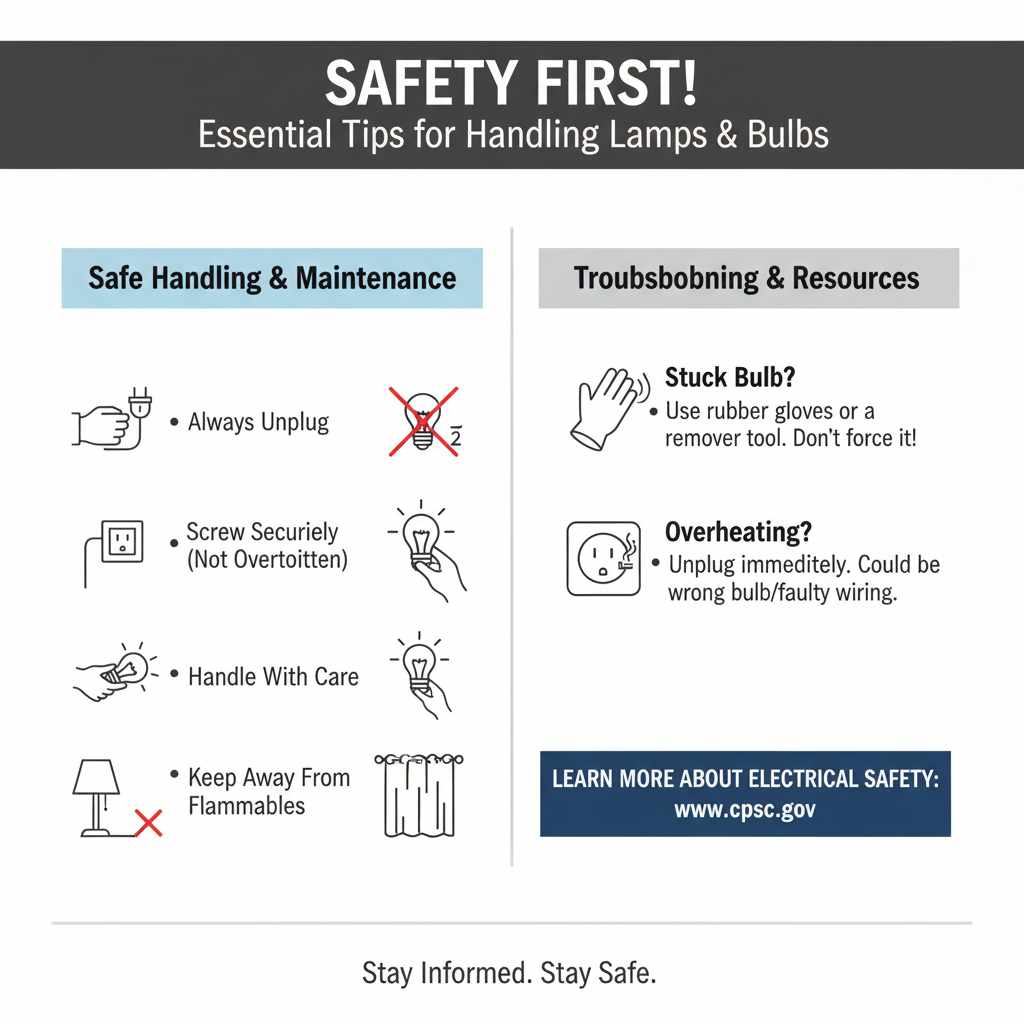
- Always unplug the lamp before replacing the bulb.
- Never exceed the maximum wattage rating of your lamp. Using a bulb with a higher wattage than recommended can cause the lamp to overheat, damage the wiring, or even start a fire.
- Ensure the bulb is fully screwed in but not overtightened.
- Handle bulbs with care, especially CFLs and glass-enclosed halogens, to avoid breakage.
- Keep bulbs away from flammable materials like curtains, paper, or fabric. Torchiere lamps direct light upwards, so ensure there’s clear space above the lamp shade.
- If a bulb base is stuck or difficult to remove, try using a rubber glove for better grip or a specialized bulb remover tool. Do not force it, as this could damage the socket.
For more information on electrical safety, the U.S. Consumer Product Safety Commission (CPSC) offers valuable resources on home electrical safety, including tips for preventing fires and injuries.
Frequently Asked Questions (FAQ)
Q1: What is the most common bulb base for torchiere lamps?
A1: The most common bulb base for standard torchiere lamps in North America is the E26 base, also known as a medium or standard base.
Q2: Can I use any LED bulb in my torchiere lamp?
A2: You can use an LED bulb as long as its base type (e.g., E26) matches your lamp’s socket and its actual wattage is well below the lamp’s maximum wattage rating. Always check the lumen output and color temperature to ensure it meets your lighting needs.
Q3: My torchiere lamp has a dimmer. What kind of bulb do I need?
A3: If your lamp has a dimmer, you must use “dimmable” LED bulbs. Look for this label on the packaging. Using non-dimmable bulbs with a dimmer can cause flickering, buzzing, or premature bulb failure.
Q4: How do I know if a bulb is bright enough for my needs?
A4: Focus on the lumen (lm) rating. For general ambient lighting in a living room, around 800-1100 lumens is usually good. For brighter task lighting, aim for 1100-1600 lumens. The “wattage equivalent” on the packaging is just a helpful comparison to older incandescent bulbs.
Q5: My torchiere lamp feels hot. Is this normal?
A5: If you’re using older incandescent or halogen bulbs, some heat is normal, but excessive heat could indicate a problem or that the bulb’s wattage is too high for the lamp. LED bulbs produce significantly less heat, making them a much safer option if heat is a concern.
Q6: Can I use a smart bulb in my torchiere lamp?
A6: Yes, you can use a smart bulb in your torchiere lamp, provided it has the correct base type (usually E26) and its wattage is within the lamp’s limits. Smart bulbs offer advanced control over brightness and color, often via an app or voice assistant.
Conclusion
Choosing the right light bulb for your torchiere lamp doesn’t have to be complicated. By understanding the basic specifications like bulb base and focusing on lumens for brightness and Kelvin for color temperature, you can easily find the perfect fit. We highly recommend opting for LED bulbs for their incredible energy efficiency, long lifespan, and superior light quality, making them the safest and most economical choice for your home. Remember to always check your lamp’s maximum wattage rating and unplug the lamp before making any changes.
With this guide, you’re well-equipped to select bulbs that will enhance your space, create the desired ambiance, and keep your torchiere lamp shining brightly for years to come. Happy lighting!