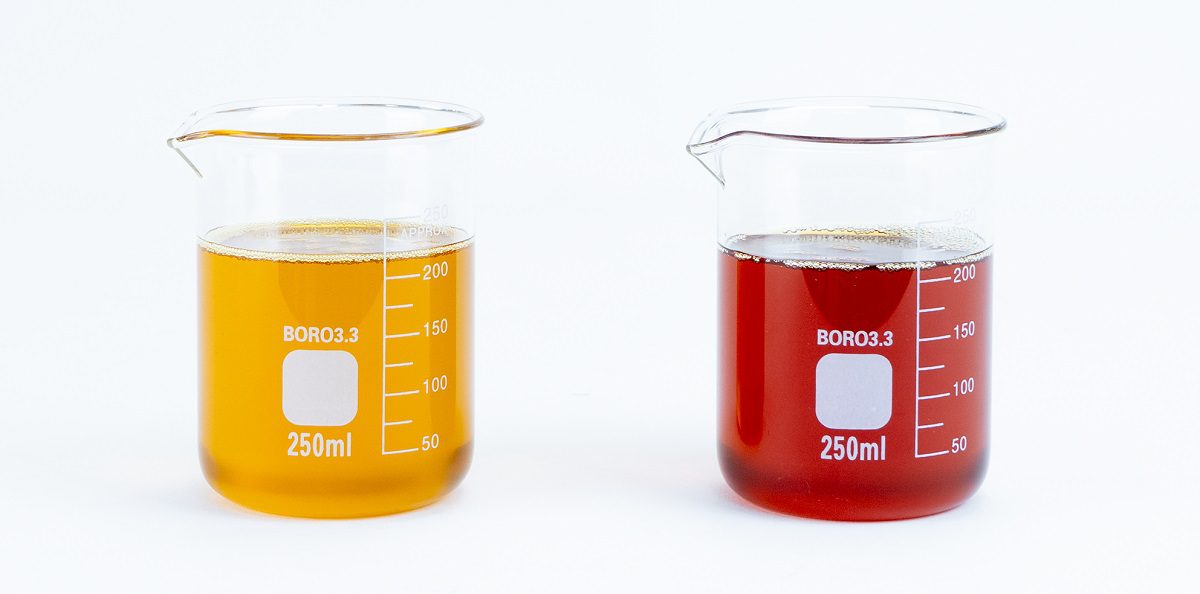
Linseed Oil Boiled Vs Raw: Choosing the Right Finish
When you’re diving into the world of wood finishing or painting, the choice between boiled and raw linseed oil can be puzzling. You might wonder which one is right for your project and why.
This decision isn’t just about personal preference; it can significantly impact the durability and appearance of your work. Imagine the satisfaction of finishing a piece that not only looks stunning but also stands the test of time. The answer lies in understanding the differences and benefits of each type of linseed oil.
Stick around, and by the end of this article, you’ll have the clarity you need to make an informed choice that enhances your creative projects.
Linseed Oil Basics
Linseed oil comes from flaxseeds. It’s a natural oil. People use it for wood and art. There are two types: boiled and raw. Boiled linseed oil dries faster. It’s good for wood projects. Raw linseed oil takes longer to dry. It’s used in art and food.
Boiled oil is not really boiled. It’s treated with heat and chemicals. This makes it dry quicker. Raw oil is pure. No chemicals added. It’s safer for food. Always choose the right type for your project.
Linseed oil protects surfaces. It gives wood a nice finish. Artists like its smooth texture. Always store linseed oil in a cool place. Keep it sealed.
Credit: pinetarworld.com
Raw Linseed Oil Characteristics
Raw linseed oil offers a natural finish, often preferred for its slow drying time. Unlike boiled linseed oil, which dries faster due to added solvents, raw oil provides a rich, matte appearance. Perfect for wood protection and sealing, its unique properties cater to specific needs in woodworking.
Natural Properties
Raw linseed oil comes from flax seeds. It is completely natural. This oil is clear and light. It has a slow drying nature. This makes it ideal for wood and leather. People use it to protect surfaces. It is also used for polishing. Raw linseed oil is safe for the environment. It does not have harmful chemicals. It is good for eco-friendly projects.
Application Methods
Applying raw linseed oil is simple. Use a brush or cloth. Spread evenly on the surface. Let it soak well. Wait for the oil to dry. This may take a long time. Sometimes, it needs more coats. More coats give better finish. People also use it for paint mixing. It helps in color blending.
Boiled Linseed Oil Features
Boiled linseed oil dries fasterthan raw. This makes it great for quick projects. It is made by heating raw oil and adding drying agents. This helps it dry in one day. Raw linseed oil can take a week or more. The fast drying is a big advantage. Many woodworkers and artists like it. It saves time and lets them finish projects quickly.
Use a brush to spread boiled linseed oil. Make sure it covers the wood well. Apply in thin layers for best results. Wait for each layer to dry before adding another. This keeps the wood smooth and shiny. Clean brushes with soapy water after use. Store oil in a cool, dark place. This keeps it fresh and effective.
Comparing Drying Times
Boiled linseed oil dries faster than raw linseed oil. This happens because boiled oil is treated with heat. This process speeds up the drying time. Raw linseed oil takes a long time to dry. It can take days or even weeks. Boiled oil is ready in just a few hours. Artists and woodworkers prefer boiled oil. They like its quick drying time. It helps them finish projects faster. For raw oil, patience is key. You need to wait for it to dry completely. Both oils have their uses. Choose the one that fits your needs. Remember, drying time matters in many projects.
Durability And Protection
Raw linseed oil is a natural protector for wood. It penetrates deep into the wood fibers. This oil helps to improve moisture resistance. It keeps wood from drying out too quickly. Over time, raw oil may need more frequent application. It does not dry quickly. Wood may stay sticky for longer periods. Raw oil provides a gentle sheen to surfaces. It enhances the natural grain and color. Ideal for indoor furniture, raw oil is safe and non-toxic.
Boiled linseed oil offers faster drying times. This oil is treated with heat, making it more durable. It forms a hard, protective layer on wood surfaces. Boiled oil resists wear and tear better than raw oil. It also provides a glossy finish. The oil is perfect for outdoor furniture and surfaces. It helps protect against rain and sun. Less frequent application is needed for boiled oil. This oil delivers strong protection and beauty.
Aesthetic Outcomes
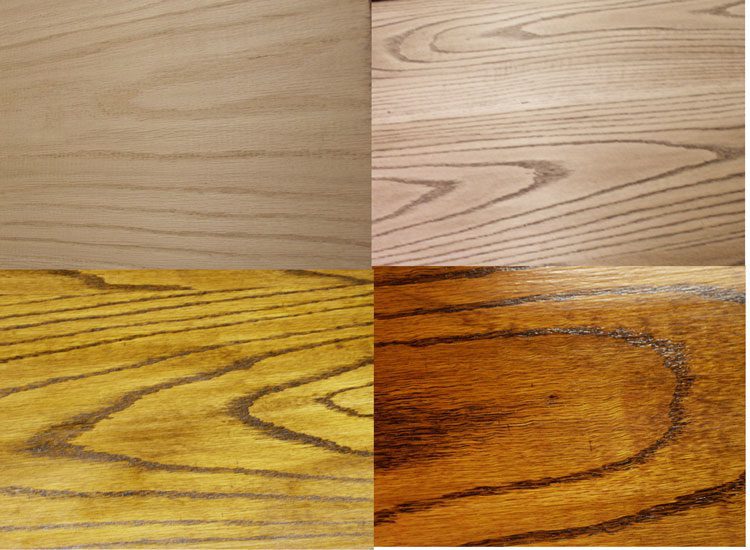
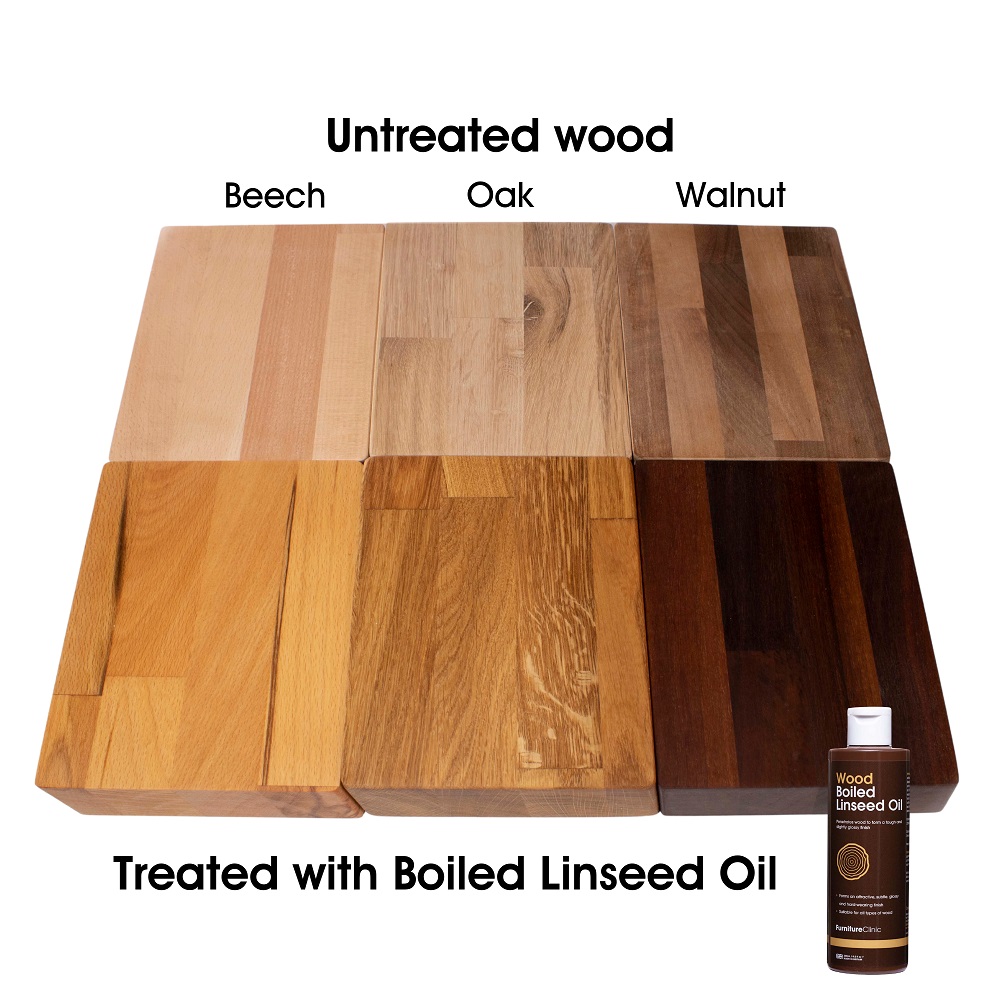
Linseed oil can change the look of wood. Raw linseed oil gives a light, natural finish. This option keeps wood close to its original color. Boiled linseed oil offers a darker, rich hue. It adds depth to the wood’s appearance. Boiled oil can make wood grain pop more. Texture also changes with each type. Raw oil leaves a soft, smooth feel. Boiled oil creates a more glossy finish. It makes surfaces shine. Both types enhance wood but in different ways.
Linseed oil can provide different finishes. Raw oil offers a matte look. It feels natural and understated. Boiled oil gives a shiny appearance. It looks polished and sleek. Raw oil dries slowly. Boiled oil dries faster. This affects the final look. Each type has unique benefits. Choose based on desired finish. Consider drying time and gloss level. Both can protect and beautify wood.
Safety Considerations
Boiled linseed oil dries faster. It has added chemicals. These help speed drying. Raw linseed oil takes longer to dry. It is more natural. Safety is a big topic. Boiled oil can be harmful. It smells strong. Use in a well-ventilated area. Avoid breathing it in. Raw oil is safer for some. It smells less. But it takes time to dry. Choose the oil with care. Consider your project needs. Understand each oil’s properties. Wear gloves when using any oil. Protect your skin. Keep oils away from heat. They can catch fire easily. Store them safely. Use closed containers.
Environmental Impact
Boiled linseed oilcontains added chemicals. These help it dry faster. This process might harm the environment. Chemicals can leak into the soil. They can also reach water sources. This is bad for plants and animals. People who care about nature might prefer raw linseed oil.
Raw oil is pure. It dries slowly. But it has no added chemicals. This means less harm to the planet. It is safer for nature. Choosing raw oil helps keep the earth clean. It supports healthy ecosystems. Always think about the planet when using oils.
Choosing Based On Project Type
Boiled linseed oil dries faster than raw oil. This makes it great for indoor projects. Furniture and wooden floors benefit from its quick drying. It provides a shiny finish. Raw linseed oil takes longer to dry. It is better for art projects. Artists use it for oil painting. It keeps colors vivid and rich.
Outdoor wood needs extra care. Boiled linseed oil protects against weather damage. It forms a protective layer. Raw linseed oil can also be used. But it is not as effective. Boiled oil is better for decks and fences. It adds strength and durability.
Credit: www.furnitureclinic.co.uk
Frequently Asked Questions
What Are The Disadvantages Of Using Linseed Oil On Wood?
Linseed oil can yellow over time, affecting wood’s natural color. It attracts dust and dirt easily. It requires frequent reapplication to maintain finish. It might not offer sufficient protection against moisture and scratches. Linseed oil takes long to dry, delaying project completion.
Why Would You Boil Linseed Oil?
Boiling linseed oil, known as “boiled linseed oil,” enhances its drying time and durability for wood protection. It’s used in woodworking and painting to create a protective, glossy finish. The process involves heating and adding drying agents, making it more effective for sealing and preserving wood surfaces.
Is It Safe To Use Boiled Linseed Oil On A Cutting Board?
Boiled linseed oil is not safe for cutting boards. It contains additives that can be harmful. Use food-grade mineral oil or beeswax for safe treatment. Keep your cutting board clean and free from toxic substances for health safety. Always choose products specifically labeled safe for food contact.
Is Boiled Linseed Oil Safe To Use Indoors?
Boiled linseed oil is safe indoors if used correctly. Ensure proper ventilation to avoid strong odors. Keep away from heat sources and open flames. Dispose of rags carefully to prevent fire hazards. Follow manufacturer instructions for best results and safety.
Conclusion
Choosing between boiled and raw linseed oil depends on your needs. Boiled linseed oil dries faster. Ideal for projects needing quick completion. Raw linseed oil takes longer to dry. Offers a natural finish, though. Both oils protect wood surfaces effectively.
Consider the project’s requirements before deciding. Use boiled oil for speed. Opt for raw oil for a more natural touch. Both options enhance wood’s beauty. Ensure the best results by selecting wisely.