Low Water Pressure in an Apartment Shower? What You Can Check and What the Building Must Handle
In an apartment, low shower pressure splits into two categories: things you’re allowed to fix yourself inside your unit, like a clogged showerhead or a closed shut-off valve, and things that are the building’s plumbing system’s responsibility, like an undersized main riser, a failing booster pump, or a building-wide pressure-reducing valve. This guide separates what a tenant can reasonably check from what requires a maintenance request or landlord involvement, since apartment plumbing is shared infrastructure in a way a single-family home’s isn’t.
What’s Actually Inside Your Control
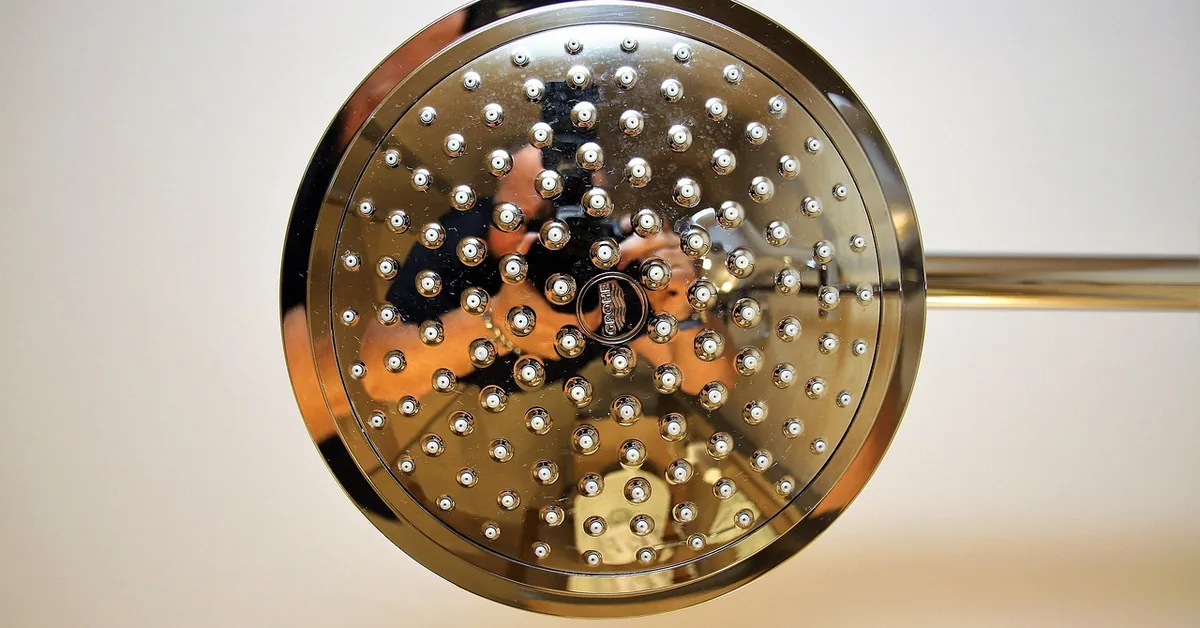
A clogged showerhead is the most common fixable cause and the easiest to check: unscrew it and run water directly from the arm, if pressure there is strong, the head or its flow restrictor is scaled up with mineral deposits and needs a vinegar soak. Check whether an aerator or flow restrictor was added inside the showerhead by a previous tenant or by the building for water conservation, some can be removed (check your lease first, since some buildings prohibit this). Also check that nothing else in the unit is running simultaneously, since older apartment plumbing with smaller-diameter branch lines shows pressure drops more noticeably when a toilet, dishwasher, or another shower shares the same riser.
What Points to a Building-Wide Issue
If every fixture in your unit runs weak, not just the shower, and neighbors on the same floor or riser report the same thing, the cause is upstream of your unit: an undersized or corroded main riser pipe (common in buildings built before the 1980s with galvanized steel supply lines that narrow over decades from internal rust buildup), a building booster pump that’s underpowered or malfunctioning (needed in taller buildings where gravity and municipal pressure alone can’t reach upper floors), or a pressure-reducing valve serving multiple units that’s failed toward the closed position. None of these are something a tenant can access or repair, and attempting to adjust building-side valves in a mechanical room is both outside a lease’s scope and potentially against building rules.
Upper Floors Are Structurally More Vulnerable
Static water pressure drops roughly 0.433 psi for every foot of elevation gain, so a unit on the 10th floor of a building relying on gravity-fed rooftop tanks or a single ground-level pump naturally sees less pressure than a ground-floor unit, even with identical plumbing. If low pressure correlates with floor height in the building rather than a specific unit’s fixtures, that’s a design or booster-pump capacity issue that management needs to address, sometimes with a dedicated pressure-boosting pump for upper floors.
What to Put in a Maintenance Request
Document specifics before submitting a request: which fixtures are affected, whether it’s constant or only at certain times of day (which points to peak-demand strain on a shared system), and whether you’ve already ruled out a clogged showerhead yourself. This is the same diagnostic path covered for electric shower low pressure situations, where isolating fixture-level causes first saves a maintenance visit from being wasted checking things you’ve already ruled out, and gives management a clearer starting point if the cause turns out to be building-side.
Frequently Asked Questions
Can I install my own pressure-boosting showerhead?
Yes, a handheld or fixed showerhead marketed as “high pressure” concentrates the same water volume through fewer, smaller nozzle openings, which can noticeably improve the sensation of pressure without needing more actual flow from the building. It won’t fix a genuine low-flow problem but helps with borderline cases.
Is my landlord legally required to fix low water pressure?
In most jurisdictions, adequate water pressure and functioning plumbing fall under the implied warranty of habitability, meaning a landlord generally must address a genuine building-side pressure problem. Requirements vary by state and city, so check local tenant-rights resources if a documented request goes unaddressed.
Why is pressure worse in the morning or early evening?
Peak-demand times, when most residents in a building are showering or running water at once, strain shared risers and booster pumps the most, causing a temporary dip that isn’t present at off-peak hours. This pattern is a strong sign of a building-capacity issue rather than a problem isolated to your unit.
Sponsored / affiliate links. As an Amazon Associate I earn from qualifying purchases. I may earn additional commission from eligible campaigns.