Pine Vs Maple Wood: Ultimate Guide to Choosing Right
Choosing the right wood for your next project can feel like a daunting task. With so many options available, how do you know which one is right for you?
Pine and maple are two popular choices, each with its own unique characteristics. Imagine transforming your living space with furniture or decor that perfectly matches your style and needs. You deserve to make an informed decision that you’ll be happy with for years to come.
Dive into this article to uncover the secrets of pine and maple wood. By the end, you’ll be equipped with the knowledge to choose the wood that best fits your vision, enhancing both the beauty and functionality of your home.
Differences Between Pine And Maple
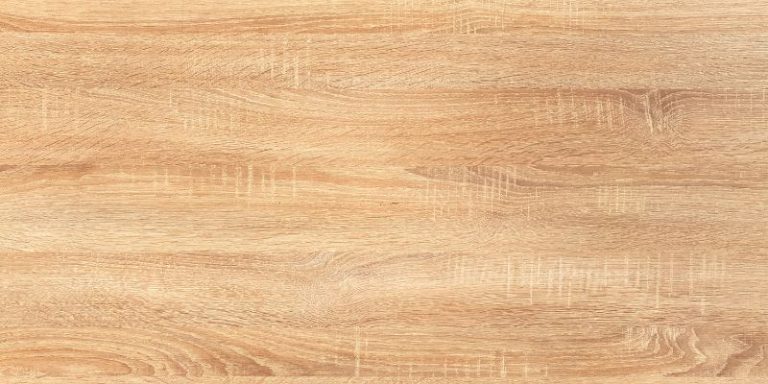
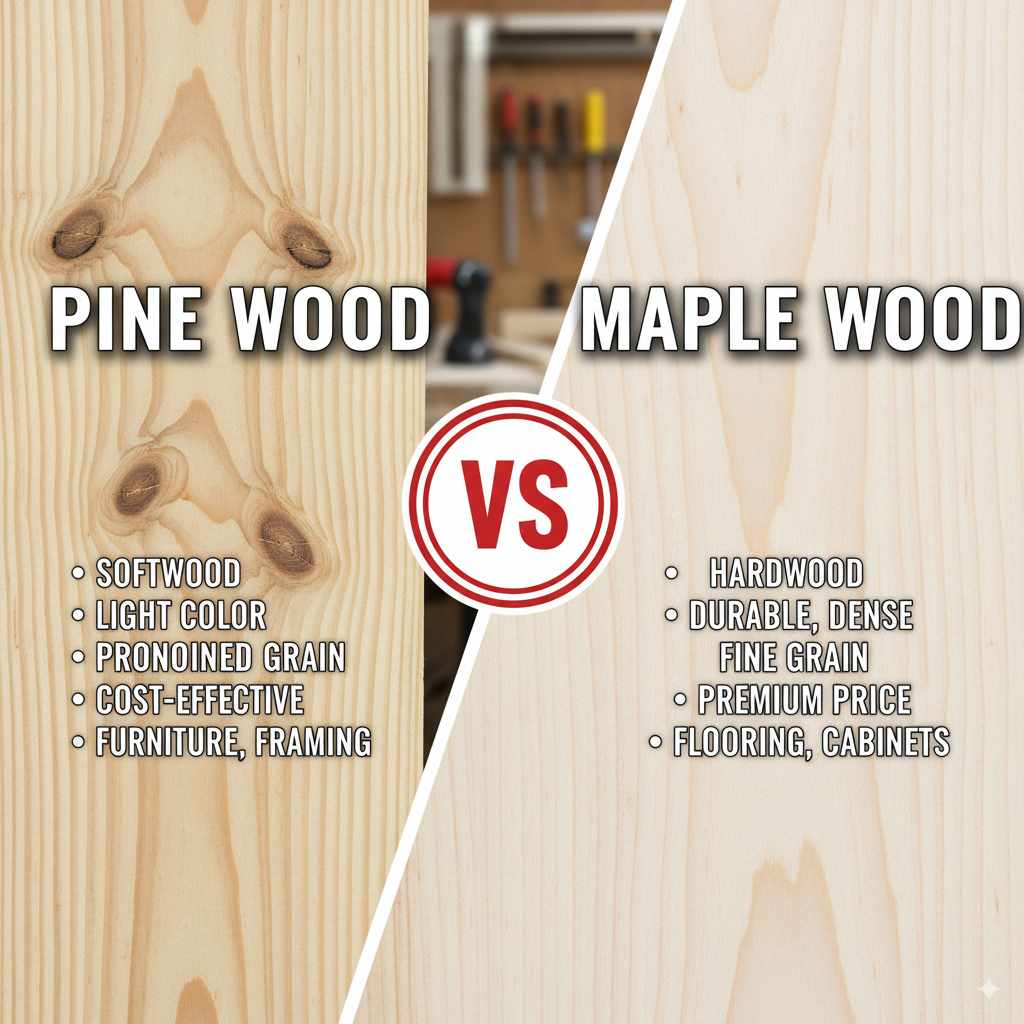
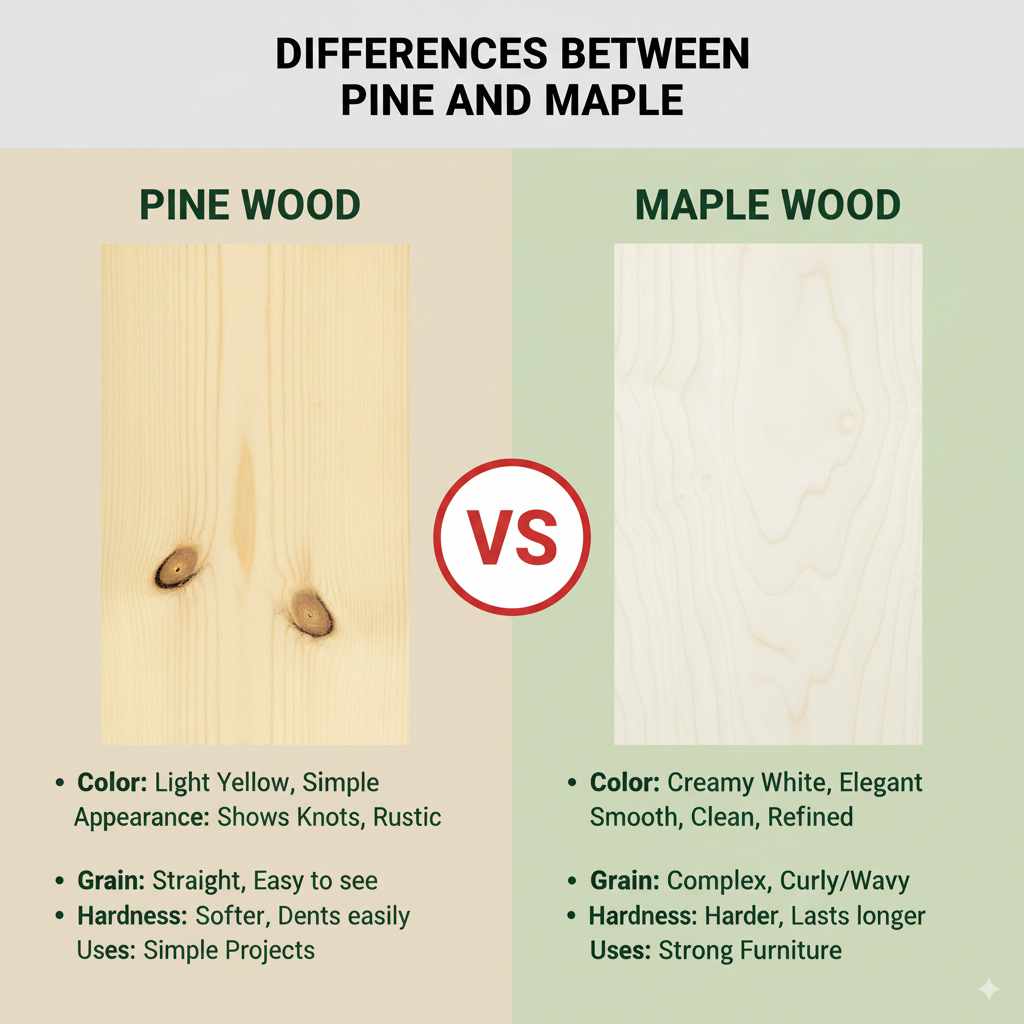
Pine wood has a light yellow color. It looks simple and soft. Maple wood is different. It has a creamy white color. It often looks more elegant. Pine shows knots easily. Maple wood is smooth and clean. Both woods look nice in different ways.
Pine has straight grain lines. These lines are easy to see. Maple grain is more complex. It can be curly or wavy. Pine grains make it look rustic. Maple looks refined. Both have unique styles.
Pine is softer. It can dent easily. Kids can scratch it. Maple is harder. It lasts longer. This makes maple more durable. Pine is good for simple projects. Maple is for strong furniture. Each wood has its own strengths.
Uses Of Pine Wood
Pine wood is popular for making furniture. It is lightweight and easy to work with. This wood has a soft texture. It is ideal for creating comfortable chairs and tables. Pine is also affordable, making it a great choice for budget-friendly furniture. People love its natural look. Pine furniture often has a rustic style. This wood can be painted or stained. It fits well in modern and traditional homes.
Pine wood serves well in construction. Builders use it for framing houses. It is strong but lightweight. This makes it easy to handle. Pine is also used for roofing and flooring. It is a cost-effective choice. Builders prefer it for temporary structures. It is durable for short-term use. Pine is also used in cabinet making. It provides a solid base for many projects.
Pine wood is great for decorative items. People use it to make picture frames and crafts. Its natural grain adds beauty. Pine is easy to carve. It is perfect for artistic projects. Many people prefer it for home decorations. Pine can be painted in bright colors. It adds a warm feel to any space. Pine wood is a favorite for DIY projects. It is simple to shape and design.
Uses Of Maple Wood
Maple wood is popular in furniture making. It is strong and durable. Tables, chairs, and beds often use maple. The wood has a smooth finish. It looks clean and bright. Maple furniture lasts long. It resists scratches and dents. People choose it for its beauty and strength.
Maple is a favorite for flooring. It is hard and wear-resistant. Maple floors are easy to clean. The light color brightens rooms. It fits modern designs well. Maple flooring adds value to homes. It’s a smart choice for families.
Maple wood is used in musical instruments. Violins and guitars often have maple parts. Its density gives a warm sound. Maple instruments are valued by musicians. They look beautiful and produce great music. The wood helps instruments last long.
Cost Comparison
Pine wood is often less expensive. Prices usually range from $3 to $7per board foot. It is a popular choice for budget-friendly projects. Pine is also lightweight and easy to work with.
Maple wood can be pricier than pine. The cost ranges from $6 to $12per board foot. Maple is known for its strength and smooth finish. It is ideal for furniture and flooring.
Several factors affect wood prices. Qualityof the wood matters. Higher quality means higher prices. Availabilityalso plays a role. Rare woods can cost more. Locationimpacts costs too. Local woods are often cheaper.
Environmental Impact
Pine trees grow fast. This makes pine very sustainable. It can be used again and again. Pine needs less time to grow back. This means more trees and less harm to the environment. Pine is often grown on plantations. This helps save wild forests. The management of pine forests is often very good. This leads to better forest health. Pine wood is a great choice for eco-friendly projects.
Maple trees grow slowly. This makes maple less sustainable than pine. It takes more time for maple to grow back. Maple is often found in natural forests. This can lead to deforestation if not managed well. Maple wood is strong and durable. It lasts a long time. This helps to save resources. Proper management of maple forests is important for sustainability.
Choosing wood impacts the planet. Pine grows fast and is easy to replace. Maple is strong and lasts long. This reduces the need for new resources. Using recycled or certified wood is best. It helps save the planet. Every choice counts. Both pine and maple have pros and cons. Think about the impact on the earth. Choose wisely.
Maintenance And Care
Pine and maple wood need regular cleaning. Dust can harm their surfaces. Use a soft cloth to wipe dust. For deep cleaning, use mild soap and water. Avoid harsh chemicals. These can damage the wood. Dry the wood completely after cleaning. Wet surfaces can cause wood to warp. Regular cleaning keeps the wood fresh and beautiful.
Protect wood from direct sunlight. Sunlight can fade colors. Use curtains or blinds to block sun. Apply wood polishfor shine and protection. Polish keeps wood looking new. It prevents scratches and stains. Preserve wood by controlling humidity. Too much moisture can cause wood to rot. Use a dehumidifier if needed. These steps ensure long-lasting beauty.
Small scratches are easy to fix. Use a wood filler to cover them. Sand the area gently. Apply a fresh coat of finish. For deeper damages, consult a professional. They can restore wood properly. Regular inspections help find issues early. Fixing them early saves time and money. Keep your wood in top condition.
Choosing The Right Wood
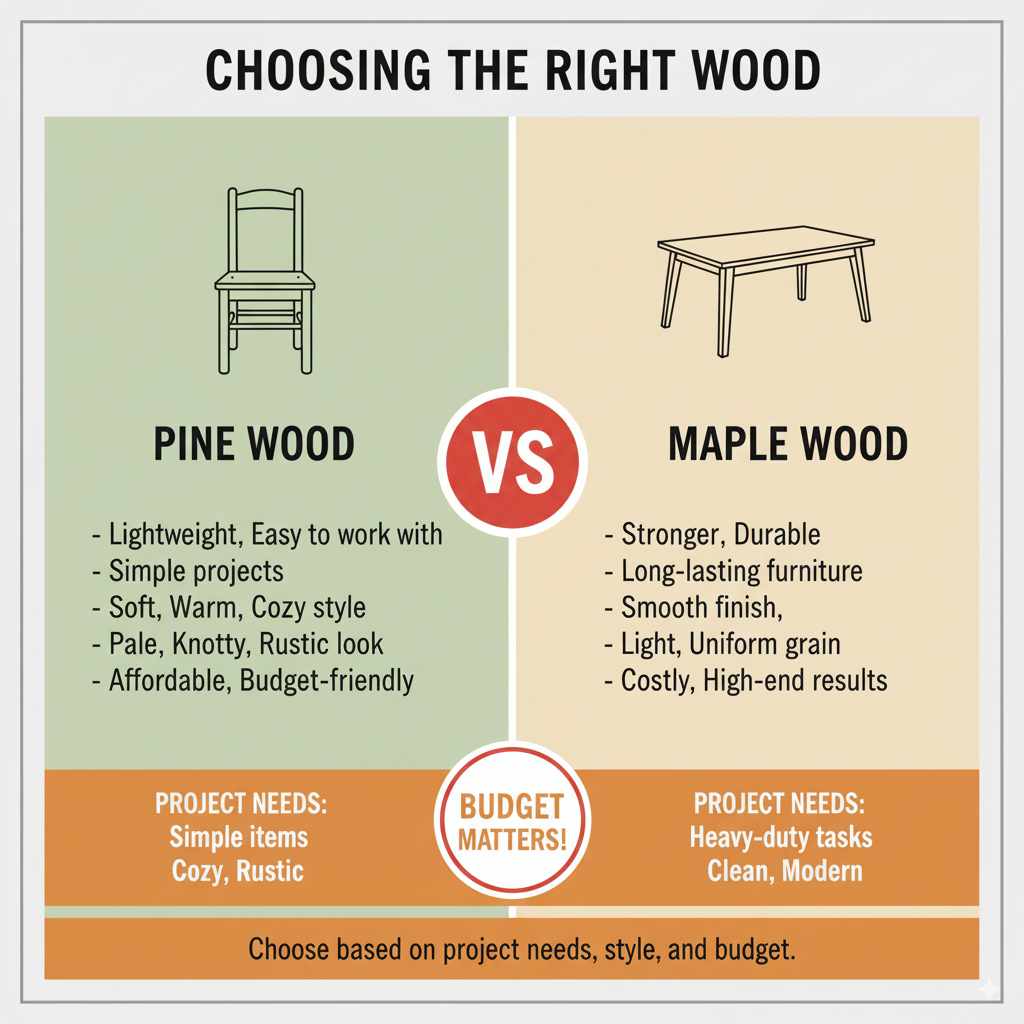
Pine wood is lightweight and easy to work with. Great for simple projects. Maple wood is stronger and durable. Ideal for furniture that lasts. Think about what you need. Choose based on project needs. Pine is good for small items. Maple fits heavy-duty tasks.
Pine offers a soft and warm look. Perfect for a cozy style. Maple has a smooth finish. Gives a clean, modern feel. Color and grain matter. Pine is pale and knotty. Maple is light and uniform. Pick what suits your taste.
Pine is affordable. Great for budget projects. Maple can be costly. Worth it for high-end results. Budget affects choice. Pine saves money. Maple offers quality at a price.
Frequently Asked Questions
Is Maple Wood Better Than Pine?
Maple wood is harder and more durable than pine. Pine is softer and more affordable. Choose maple for strength and pine for budget-friendly projects. Both have unique grain patterns. Decide based on your specific needs and aesthetic preferences.
Is Pine Or Maple More Expensive?
Maple is generally more expensive than pine. Maple’s durability and fine grain increase its cost. Pine is softer and more affordable, making it popular for budget-friendly projects. Price can vary based on availability and quality, but maple typically commands a higher price in the market.
What Is A Disadvantage Of Pine Wood?
Pine wood dents and scratches easily due to its softness. It requires frequent maintenance to remain appealing. Pine can also warp or shrink if exposed to moisture, affecting its durability and stability. This makes it less suitable for high-traffic areas or outdoor use.
What Are The Disadvantages Of Maple Wood?
Maple wood can be prone to scratches and dents. It may react to moisture, causing warping or swelling. The wood’s density makes it challenging to work with, particularly in intricate designs. Maple can be expensive compared to other woods, affecting budget constraints for larger projects.
Conclusion
Choosing between pine and maple wood depends on your needs. Pine is affordable and easy to work with. It’s great for projects on a budget. Maple offers durability and a smooth finish. Ideal for furniture that lasts. Both have unique benefits and fit different styles.
Consider your project and budget. Choose pine for cost-effective solutions. Opt for maple if strength is key. Each type of wood has its own charm. Make your decision based on what suits your project best. Happy woodworking!