Polystyrene Vs Polywood: The Ultimate Material Showdown
When you’re choosing materials for your next project, the decision between polystyrene and polywood can feel daunting. Both have their unique advantages and applications, but which is the right fit for you?
This choice can impact not only the look and feel of your project but also its durability and environmental footprint. By understanding the key differences, you can make an informed decision that aligns perfectly with your needs and values. Discover how each material stacks up in terms of cost, sustainability, and functionality.
Let’s dive into the details that matter most to you, and find out which material will truly bring your vision to life.
Material Composition
Polystyrene is a plastic material. It is made from small molecules called styrene. These molecules join to form long chains. These chains make the material strong. This material is often used for packaging and insulation. It can be clear or colored. Polystyrene is light and easy to shape. It is not good for the environment. It can break down into small pieces. These pieces can harm animals.
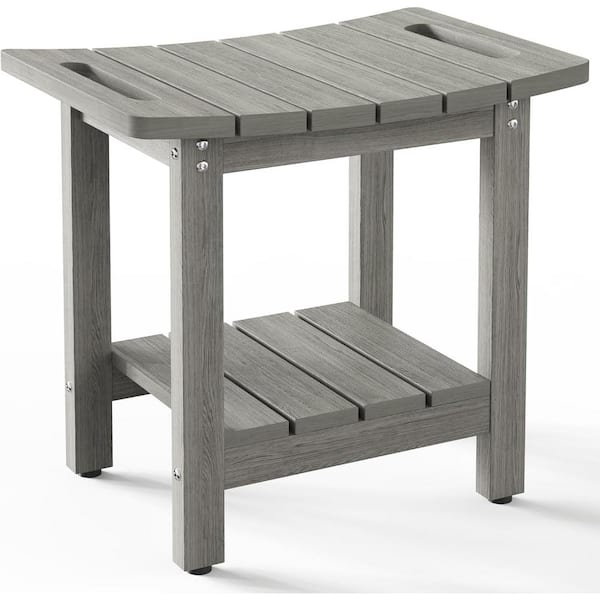
Polywood is made from recycled plastics. It uses milk jugs and other plastics. This makes it a green choice. Polywood looks like real wood. It is strong and heavy. It can stand up to rain and sun. It does not crack or rot. Polywood is used for outdoor furniture. It needs little care. Just wash with water and soap. It can last many years.
Credit: www.homedepot.com
Environmental Impact
Polystyrene is a type of plastic. It is not easy to break down. This means it stays in the earth for a long time. Many people throw it away after using it. Polystyrene takes up space in landfills. It can also end up in oceans. Animals can get hurt by it. Recycling polystyrene is hard. Not many places can do it. This makes polystyrene less friendly to the earth.
Polywood is made from recycled plastic. It helps keep plastic out of landfills. Polywood lasts a long time. It does not get ruined easily. This means people do not have to replace it often. Using polywood is better for the earth. It uses old plastic to make new things. This helps save resources. Polywood is a good choice for the planet.
Durability And Strength
Polystyrene is light and easy to move. It can break easily if hit hard. Water can damage it. It does not do well in the sun. Over time, it might fade or become brittle. This means it can snap or crack. It is not very strong. Polystyrene is best for indoor use.
Polywood is very strong. It can last a long time. Rain and sun do not hurt it. Polywood is good for outside use. It does not fade. This means colors stay bright. It can hold heavy items. Scratches do not show much. Polywood can handle tough weather. It is very durable.
Cost Efficiency
Polystyrene is often cheaper than Polywood. For many, this is a key factor. Polystyrene products have lower manufacturing costs. This makes them less expensive in stores. Polywood, made from recycled materials, costs more to produce.
Even though Polywood is pricier, it lasts longer. This means fewer replacements. Over time, you could save money. Think about your budget and needs. Do you want to spend less now? Or save more in the long run?
Polywood is durable. It can last many years without wear. Polystyrene may need replacing sooner. If you want furniture that endures, Polywood is a smart choice. This means fewer purchases over time.
Polywood resists weather better. It does not crack or fade easily. This makes it good for outdoor use. Think about how long you want your items to last. The initial cost may be higher, but the benefits can outweigh this.
Aesthetic Appeal
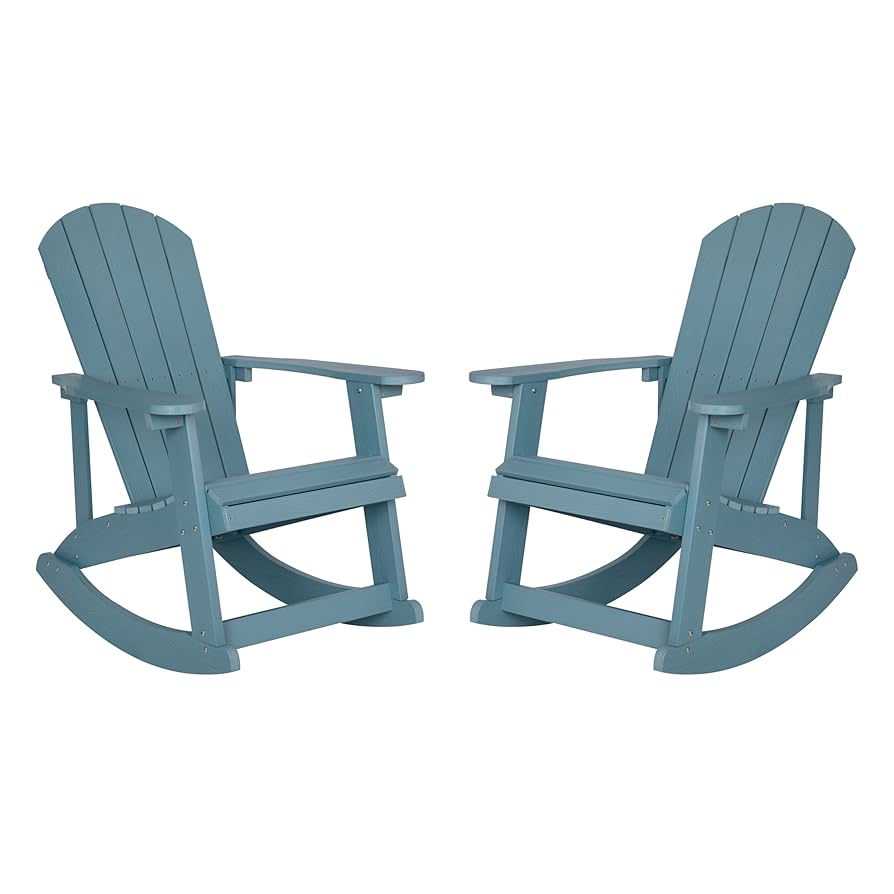
Polystyreneoffers a wide range of design options. It can be shaped into many forms. This makes it a favorite for creative projects. Colors are vibrant and stay true for a long time. Polywoodis crafted to mimic real wood. It gives a natural look, often used in furniture. Both materials allow for unique designs. But their visual appeal is different.
The finish on polystyreneis smooth and sleek. It feels like plastic and shines a bit. Polywoodhas a textured finish. It looks and feels like real wood. Its surface can have grains and knots. These textures make them special in their own ways. Choosing between them depends on personal taste.
Credit: www.amazon.com
Applications And Uses
Polystyrene is used in packaging. Keeps items safe during shipping. Makes cups and plates. Useful for foodcontainers. It is also found in insulationmaterials. Helps keep homes warm. Lightweight and easy to mold. Used in craftsand school projects. Cheap and easy to find. Great for modelsand decorations.
Polywood is popular in furniture. Looks like real wood. Lasts a long time. Used for outdoordecks and patios. Does not rot or fade. Easy to clean and care for. Made from recycled plastics. Helps the environment. Used for building benchesand tables. Comfortable and strong.
Maintenance Requirements
Polystyrene is easy to clean. Use a soft cloth and some soapy water. It does not need much care. Avoid using strong chemicals. They can harm the surface. Keep it away from heat. Heat can damage polystyrene. Sunlight can make it fade over time. Dust it regularly. This keeps it looking new.
Polywood needs simple care. Soap and water keep it clean. Use a soft brush for dust. Avoid harsh cleaners. They can scratch it. Polywood does not fade in the sun. It stays strong in bad weather. Wipe it often to keep it fresh. Use a cover when not in use. This protects it from dirt.
Safety Considerations
Polystyrenecan release chemicals. These chemicals might be harmful. Some people might feel sick. It’s important to be careful. Polywoodis often safer. It does not release harmful chemicals. This makes it better for health. Always check materials before using them. Safety is important for everyone.
Polystyrenecan catch fire easily. It might burn fast. This can be dangerous. Polywoodis better with fire. It burns slower than polystyrene. This makes it safer in some cases. Always think about fire safety. Choose materials wisely to stay safe.
Market Availability
Polystyrene is found in many places. It’s used in packaging and disposable cups. Factories make it fast. This makes it cheap. You can buy it easily. Stores and online shops have it. Many countries make it. This keeps the supply steady.
Polywood is a bit special. It looks like real wood. People use it for furniture and outdoor decks. It is not as common as polystyrene. You might find it in big stores. Some online shops sell it too. It can be more costly. This is because of the way it’s made. But it lasts a long time. Many people like it for this reason.

Credit: www.webstaurantstore.com
Consumer Preferences
Polystyreneis a favorite for its light weight. It’s easy to move. Many people choose it for quick projects. It’s also cheaper than other materials. Polywoodshines in strength and durability. It lasts longer. Families love it for outdoor furniture. It doesn’t rot or fade easily.
More people are choosing eco-friendlymaterials. Polywood is made from recycled plastic. It’s better for the environment. Polystyrene is still popular for crafts. But trends show a shift. People want durable and green options. They think long term. Polywood fits these needs. It’s growing in popularity.
Frequently Asked Questions
Is Polywood Made Of Polystyrene?
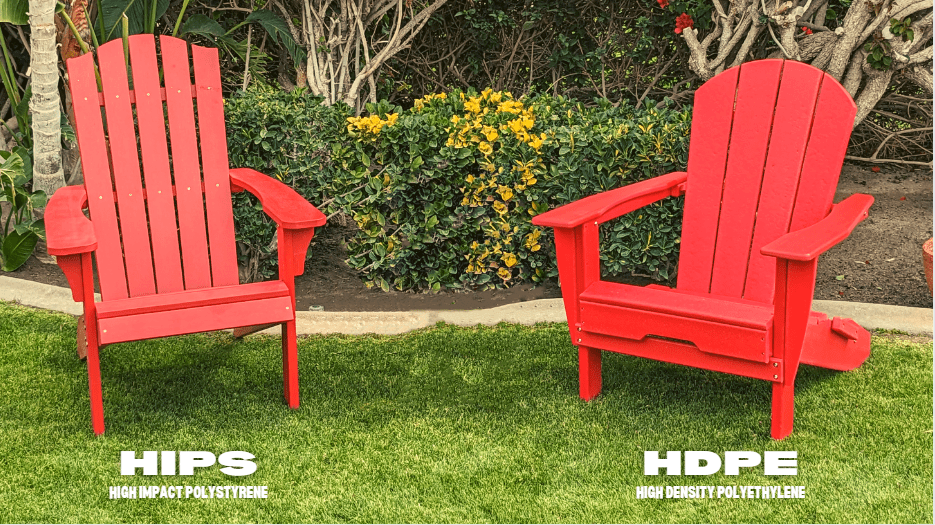
POLYWOOD is not made of polystyrene. It is crafted from high-density polyethylene, sourced from recycled plastic materials. This eco-friendly furniture is durable, weather-resistant, and perfect for outdoor use. POLYWOOD stands as a sustainable choice for environmentally conscious consumers seeking quality and longevity in outdoor furniture.
What Is The Difference Between Polyethylene And Polywood?
Polyethylene is a plastic polymer used in various products. POLYWOOD is a brand using recycled plastics to create outdoor furniture.
What Is The Downside Of Polywood?
POLYWOOD can be expensive compared to traditional wood. It may lack the natural aesthetic appeal of real wood.
What Is Polystyrene Furniture?
Polystyrene furniture is crafted from lightweight, durable plastic. It’s ideal for outdoor settings due to its weather resistance. This furniture is available in various designs and colors, offering style and comfort. Polystyrene is also easy to clean, making it a practical choice for many homeowners.
Conclusion
Choosing between polystyrene and polywood depends on your needs. Both materials offer unique benefits. Polystyrene is lightweight and moisture-resistant. It’s ideal for outdoor use. Polywood, on the other hand, is durable and resembles real wood. It’s perfect for furniture and décor.
Consider the environment and usage when deciding. Cost and maintenance are also important factors. Polystyrene might suit short-term projects. Polywood may be better for long-term investments. Evaluate your priorities carefully. Make an informed decision that aligns with your goals. Both materials have their place in construction and design.
Choose wisely for lasting satisfaction.