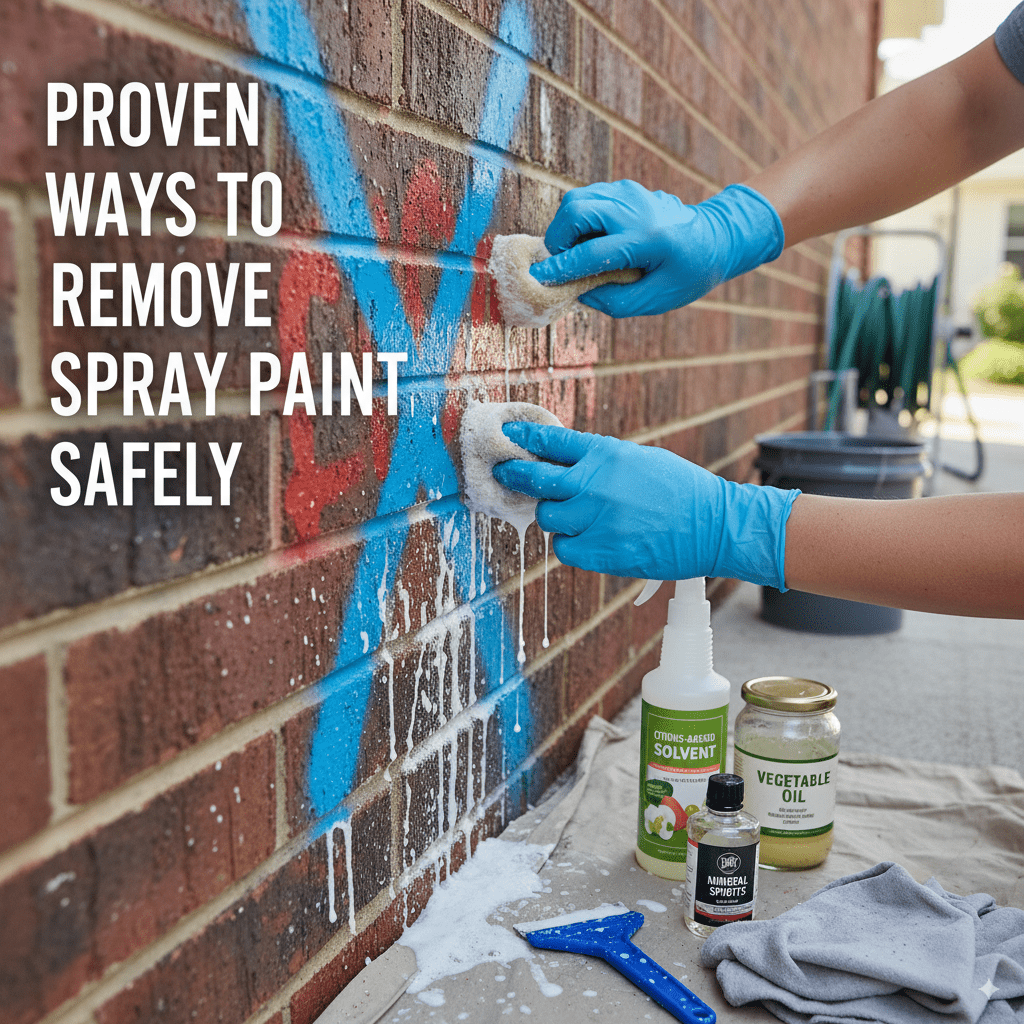
Proven Ways to Remove Spray Paint Safely
Safely remove unwanted spray paint from wood or other surfaces using gentle methods like mineral spirits, denatured alcohol, or specialized paint removers. Always test in an inconspicuous area and wear protective gear for best results.
Hey there, fellow makers! Ashraf here. Ever found yourself with a project that’s been accidentally sprayed with a coat of paint you didn’t intend? Maybe a workbench got a little overspray, or a favorite piece of furniture has a stubborn mark from a DIY project gone slightly awry. It happens to the best of us! Dealing with unwanted spray paint can be a bit of a headache, especially when you’re worried about damaging the original finish or the material itself. But don’t you worry, because with a few simple, safe techniques, you can tackle this problem effectively. We’ll walk through some proven methods that are gentle yet effective, so you can get back to enjoying your beautifully finished projects. Ready to make that spray paint disappear without a trace?
Why Removing Spray Paint Can Be Tricky
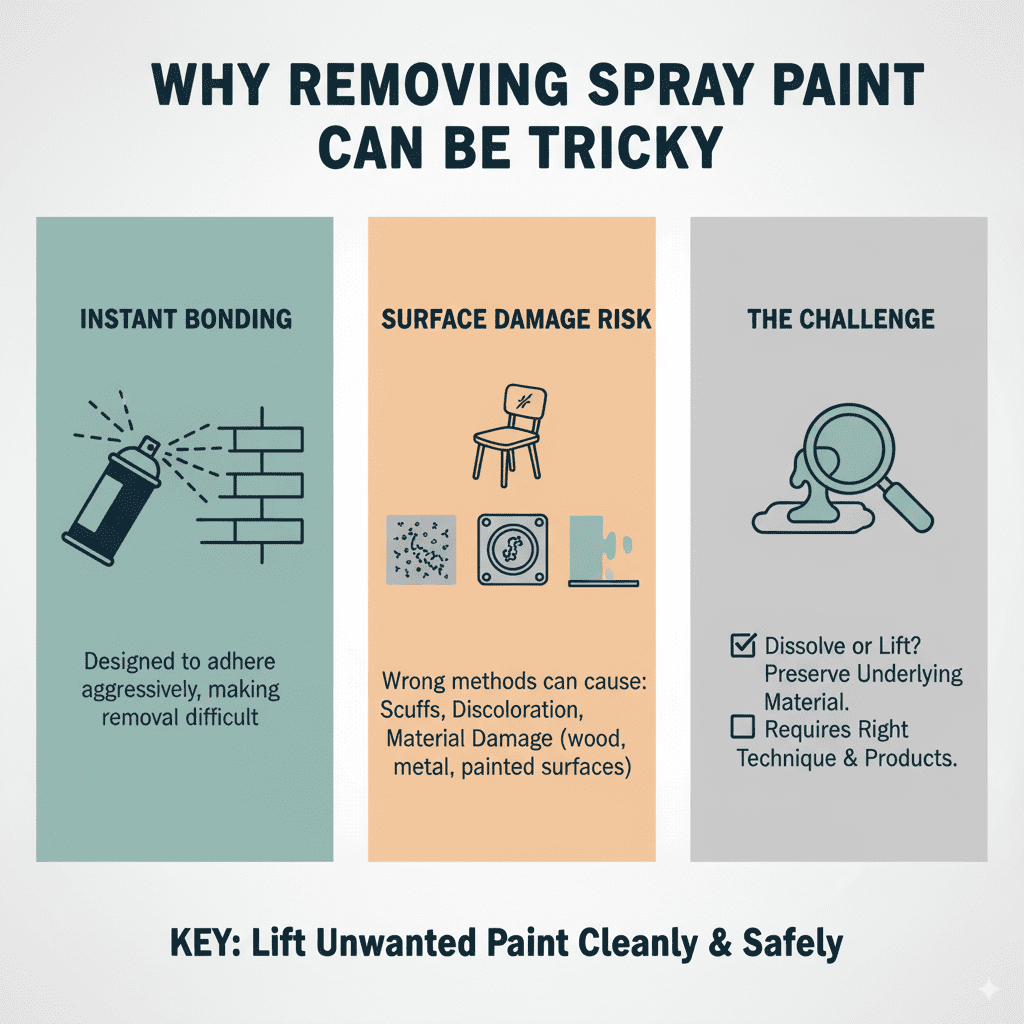
Spray paint, especially when it’s fresh, can seem like it bonds instantly to surfaces. It’s designed to adhere well, which is great for its intended purpose but less so when it lands where it shouldn’t. The challenge often lies in finding a way to dissolve or lift that paint without harming the underlying material. Whether it’s a delicate wood finish, a painted surface you want to preserve, or even metal, the wrong approach can lead to scuffs, discoloration, or even material damage. This is why understanding the right techniques and products is key. We want to lift that unwanted paint cleanly, preserving the beauty of your original work.
Understanding Your Surface: The First Step to Safe Removal
Before you grab any cleaning product, take a moment to identify what you’re working with. The material of your project will heavily influence the best removal method. For instance, bare wood is quite forgiving, but a delicate antique finish or a lacquered surface requires a much gentler touch. Knowing the surface will help you choose a solvent or stripper that’s effective on the spray paint but safe for your item.
Common Surfaces and Their Sensitivities
Here’s a quick look at some common surfaces you might encounter and how sensitive they can be to paint removal attempts:
| Surface Type | Sensitivity Level | Considerations |
|---|---|---|
| Bare Wood (untreated) | Low to Medium | Can absorb solvents. Lighter solvents are usually safe. Avoid harsh stripping that can raise the grain excessively. |
| Sealed/Finished Wood (varnish, polyurethane) | Medium | Solvents can penetrate and damage the finish. Test in a hidden spot. Gentle solvents are preferred. |
| Painted Surfaces (different color) | High | The goal is to remove the top spray paint layer without affecting the original paint. This is often the trickiest. |
| Metal | Low to Medium | Generally durable, but some finishes or plating can be affected by strong chemicals. |
| Plastic | High | Many solvents can melt or cloud plastic. Use with extreme caution or avoid altogether. |
| Glass | Low | Very durable, most common removers are safe. |
Choosing the Right Paint Remover: A Gentle Approach
The world of paint removers can be a bit overwhelming, but for our purposes, we’re looking for options that are effective on spray paint without being overly aggressive. The key is to start with the mildest effective option and only escalate if necessary. We want to remove the unwanted paint, not strip the original finish or damage the material beneath.
Mild Solvents for Light Overspray or Fresh Paint
For light overspray, or paint that hasn’t fully cured, milder options are often all you need. These are generally safer for a variety of surfaces and easier to work with.
- Mineral Spirits: A fantastic go-to for many DIYers. Mineral spirits are petroleum-based solvents that are effective at breaking down oil-based spray paints. They are relatively slow-acting but gentle enough for most finished wood surfaces and metals. They have a less offensive odor than some stronger solvents.
- Denatured Alcohol: This is a powerful solvent, often made from ethanol with additives to make it unfit for consumption. It’s particularly good at dissolving lacquer-based spray paints and shellac. It evaporates quickly and typically leaves no residue, making it a good choice for quick clean-ups. It can, however, dull or damage some finishes, so always test first.
- Rubbing Alcohol (Isopropyl Alcohol): While less potent than denatured alcohol, rubbing alcohol (70% or 91%) can be effective on latex or water-based spray paints, especially if the paint is still somewhat fresh. It’s readily available and generally safe for many surfaces.
When to Consider Stronger Removers (With Caution!)
If the mild solvents aren’t cutting it, you might need to consider something a bit more robust. However, this is where you need to be extra careful and always prioritize safety.
- Acetone: A very strong solvent that’s excellent for dissolving many types of paint, including lacquers and enamels. However, acetone is also very aggressive. It can quickly damage or dissolve many plastics, finishes (like lacquer, shellac, and some varnishes), and even some paints. Use it sparingly and with extreme caution, primarily on glass, metal, or bare, unfinished wood where you know it won’t cause damage. Always wear appropriate personal protective equipment (PPE).
- Commercial Paint Strippers: These come in various formulations (gel, liquid, aerosol). Some are designed to be less harsh (e.g., “safer” or “eco-friendly” options), while others are heavy-duty. Always read the product label carefully to ensure it’s suitable for your specific surface and the type of paint you’re trying to remove. These often require significant ventilation and protective gear. For an overview of chemical paint removers and their safety, you can refer to resources from organizations like the U.S. Environmental Protection Agency (EPA) regarding lead paint safety, which often touches upon safe removal practices.
Safety First: Essential Protective Gear
Working with solvents and paint removers means protecting yourself. It’s not just about avoiding a mess; it’s about preventing skin irritation, respiratory issues, and eye damage. Think of this as your essential toolkit for safe paint removal.
Always use the following:
- Gloves: Nitrile gloves are generally recommended as they offer good resistance to many common solvents. Latex gloves may not provide adequate protection against stronger chemicals.
- Eye Protection: Safety glasses or goggles are crucial to protect your eyes from splashes and fumes.
- Respiratory Protection: If you’re working in an enclosed space or using stronger solvents, a respirator mask with organic vapor cartridges is highly recommended to avoid inhaling fumes. Ensure good ventilation in your workspace.
- Protective Clothing: Wear old clothes or an apron to protect your skin and clothing from spills.
Step-by-Step Guide: How to Remove Spray Paint Safely
Now that we’ve covered the basics of surfaces and safety, let’s get to the actual removal process. Remember, patience is key. You want to be thorough but gentle.
Method 1: Using Mild Solvents (Mineral Spirits, Denatured Alcohol, Rubbing Alcohol)
This is your first line of defense for most situations.
- Prepare Your Workspace: Lay down drop cloths or old newspapers to protect the surrounding area from drips and spills. Ensure the area is well-ventilated.
- Test in an Inconspicuous Area: This is the MOST important step. Apply a small amount of your chosen solvent to a hidden spot on the surface (e.g., the underside of a table, the back of a chair). Let it sit for a minute or two, then gently rub with a cloth. Check for any signs of damage to the underlying finish or material. If it looks good, proceed.
- Apply the Solvent: Dampen a clean, soft cloth or cotton ball with the solvent. Don’t soak it to the point of dripping excessively.
- Gently Rub the Painted Area: Start rubbing the affected area in a circular motion. You should see the spray paint begin to lift and transfer to your cloth.
- Rinse and Repeat: As the cloth picks up paint, switch to a clean section of the cloth or use a new one. Continue applying solvent and rubbing gently. For stubborn spots, you might need to let the solvent sit for a minute or two before rubbing.
- Clean the Surface: Once the spray paint is removed, clean the area with a clean, damp cloth to remove any solvent residue. For wood, you might follow up with a wood cleaner or polish appropriate for the original finish.
Method 2: Using Acetone or Commercial Strippers (Use with Extreme Caution!)
This method is for tougher jobs or when mild solvents have failed. Remember to re-emphasize safety and testing.
- Prepare Workspace and Gear: As before, ensure excellent ventilation, wear your nitrile gloves, eye protection, and respirator. Lay down protective coverings.
- TEST, TEST, TEST: This is critical with stronger chemicals. Test on a hidden area. Acetone, in particular, can melt plastic and ruin finishes very quickly. If you are unsure about the surface’s reaction, do not proceed with these stronger agents.
- Apply Sparingly: Dampen a clean cloth or cotton ball with acetone or your chosen commercial stripper. Avoid over-saturation.
- Work Quickly and Gently: Apply the solvent to the spray paint and let it sit for only a short period (as per product instructions, or just a minute for acetone). Gently rub. You may need to work in smaller sections.
- Scrape (if necessary and safe): For very thick or stubborn spray paint, a plastic scraper or an old credit card might be used VERY GENTLY to lift the softened paint. Never use metal scrapers on finished surfaces as they will cause scratches.
- Neutralize and Clean: Follow the manufacturer’s instructions for the paint stripper. Many require neutralization with water or a specific product. For acetone, wipe down with a clean, damp cloth to remove residue.
- Assess and Repeat (with caution): If the paint isn’t fully removed, you can repeat the process, but be mindful of the surface. If you see any signs of damage, stop and consider a different approach or professional help.
Specific Scenarios and Solutions
Let’s look at some common scenarios and tailor the approach.
Removing Spray Paint from Finished Wood
This is a delicate operation. The goal is to remove the overspray without disturbing the existing varnish, polyurethane, or stain.
- Best Bets: Start with mineral spirits on a soft cloth. Gently dab or wipe the affected area. If that doesn’t work, try denatured alcohol, but test it very carefully as it can sometimes dull certain finishes.
- What to Avoid: Harsh abrasives (like steel wool), strong solvents like lacquer thinner or pure acetone unless absolutely necessary and tested extensively, and excessive scrubbing.
- Technique: Work in the direction of the wood grain if possible. Use a light touch. If the underlying finish starts to feel sticky or looks hazy, stop immediately.
Removing Spray Paint from Bare Wood
Bare wood is more forgiving, but you still want to avoid damaging the wood fibers.
- Best Bets: Mineral spirits are excellent here. If it’s latex paint, rubbing alcohol can also work well. Acetone can be used with caution if the paint is very stubborn, but it can sometimes lighten the wood color.
- What to Avoid: Over-saturating the wood, which can cause it to swell. Excessive scraping that can gouge the wood.
- Technique: You can use a slightly stiffer brush (like an old toothbrush) for textured areas, but always test the brush on a scrap piece first to ensure it doesn’t scratch.
Removing Spray Paint from Metal
Metal surfaces are generally quite resilient.
- Best Bets: Mineral spirits, denatured alcohol, or even a good quality degreaser can often do the trick. For tough spots, acetone can be effective.
- What to Avoid: Abrasive cleaners or scouring pads that can scratch painted or plated metal finishes.
- Technique: You can often use a bit more elbow grease on metal. If the metal is painted with a finish you want to preserve, start with milder options. For bare metal, you have more leeway.
Removing Spray Paint from Glass
Glass is one of the easiest surfaces to clean.
- Best Bets: Almost any of the solvents listed will work. Razor blades (used carefully at a low angle) are also very effective for scraping dried paint off glass.
- What to Avoid: Nothing significant, as glass is very durable. Just be careful not to scratch adjacent materials with a razor blade.
- Technique: For dried paint on glass, applying a solvent and letting it sit for a few minutes before wiping or scraping often makes the job much easier.
Table: Solvent Strength and Application
Here’s a quick reference guide to help you choose the right tool for the job:
| Solvent/Remover | Typical Use | Effectiveness on Spray Paint | Surface Safety Notes | Key Precautions |
|---|---|---|---|---|
| Rubbing Alcohol (Isopropyl) | General cleaning, latex paint | Mild to moderate | Generally safe for most finishes, plastics, and painted surfaces. Test first. | Good ventilation. |
| Mineral Spirits | Oil-based paints, general degreasing | Moderate | Safe for most finished wood, metal. Can affect some plastics. | Good ventilation, wear gloves. |
| Denatured Alcohol | Lacquer, shellac, some enamels | Moderate to strong | Can dull or damage some finishes (varnish, polyurethane). Test carefully. Safe for glass, metal. | Excellent ventilation, wear gloves and respirator. Evaporates quickly. |
| Acetone | Strong paints, lacquers, enamels | Very strong | Can damage many plastics, finishes (lacquer, shellac, some varnishes). Test extensively. Safe for glass, metal, bare wood. | Excellent ventilation, wear gloves and respirator. Highly flammable. |
| Commercial Paint Strippers | Tougher, older paints | Varies (mild to very strong) | Depends entirely on formulation. ALWAYS read product label for surface compatibility. | Follow manufacturer’s instructions precisely. Requires significant PPE and ventilation. |
Tips for Best Results
Beyond the basic steps, a few extra tips can make your paint removal project smoother:
- Work in Good Lighting: You need to see what you’re doing to avoid missing spots or damaging the surface.
- Patience is a Virtue: Don’t rush the process. Letting a solvent sit for a few extra minutes can save you a lot of scrubbing and potential damage.
- Don’t Over-Saturate: Too much liquid can seep into porous materials like wood and cause swelling or damage. Dampen your cloth, don’t soak it.
- Clean Up Thoroughly: Residual solvents can continue to affect a surface. Always clean the area with a damp cloth and ensure it’s dry.
- Consider the Original Finish: If you’re working on a valuable antique or a surface with a delicate finish, it might be worth consulting a professional restorer before attempting removal yourself.
What If the Spray Paint is Dried and Baked On?
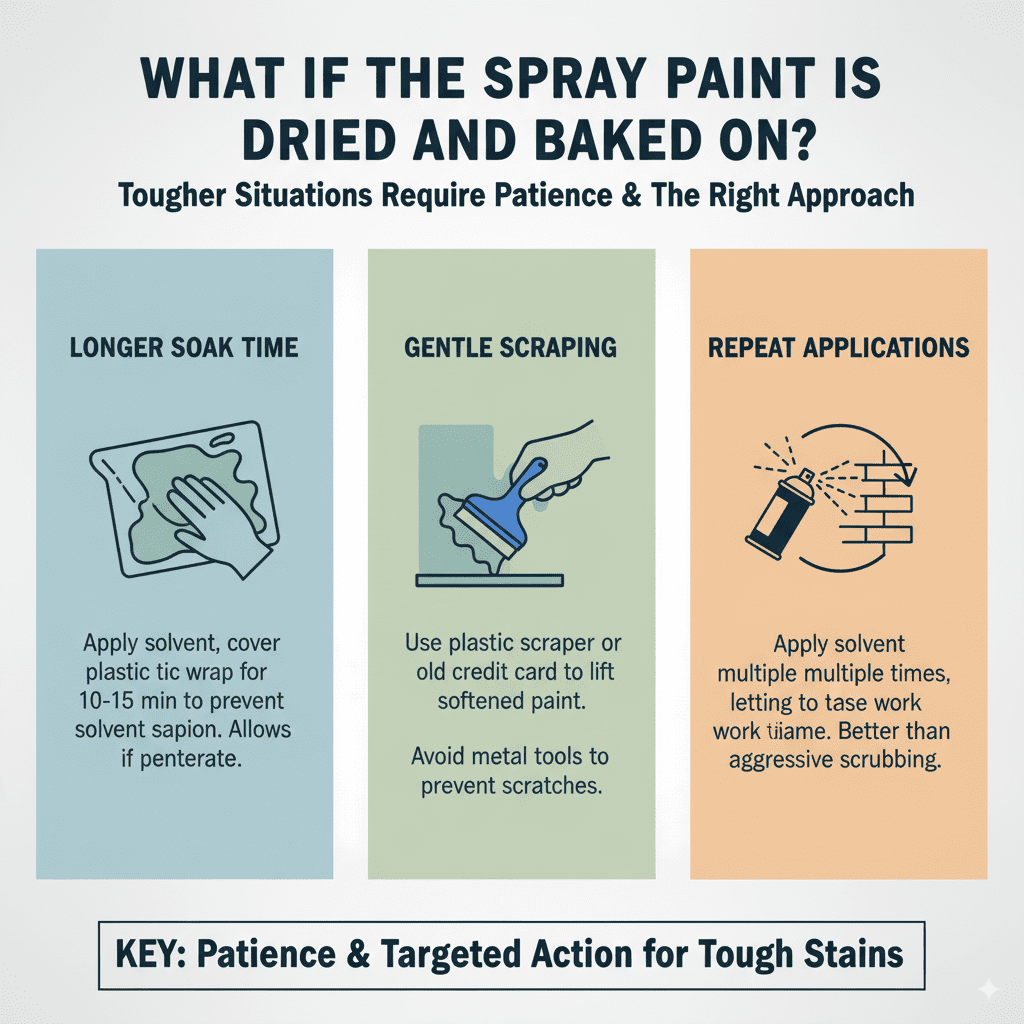
Dried, cured spray paint is tougher. It’s less likely to wipe away easily. For these situations, you’ll likely need to let the solvent work a bit longer, or you might need a slightly more aggressive approach.
- Longer Soak Time: Apply the solvent and cover the area with plastic wrap for 10-15 minutes to keep it from evaporating. This allows the solvent to penetrate and break down the paint more effectively.
- Gentle Scraping: As mentioned, a plastic scraper or an old credit card can be used to gently lift softened paint. Avoid metal tools on anything you don’t want scratched.
- Repeat Applications: It’s often better to apply a solvent multiple times, letting it work each time, rather than trying to force it with aggressive scrubbing or scraping.
Frequently Asked Questions (FAQ)
Q1: Can I use nail polish remover to remove spray paint?
A1: Many nail polish removers contain acetone, which is a strong solvent. While it might work, it also carries the risks of acetone, such as damaging finishes and plastics. It’s generally better to use pure acetone or other tested solvents specifically designed for paint removal, as they offer more predictable results and you can control the application better.
Q2: Will WD-40 remove spray paint?
A2: WD-40 is a lubricant and penetrant, not primarily a paint remover. It might help loosen very light overspray on some surfaces, especially if it’s still wet, but it’s not very effective on dried or cured spray paint. Mineral spirits or denatured alcohol are much better choices.
Q3: How do I remove spray paint from fabric?
A3: Removing spray paint from fabric is challenging and depends heavily on the fabric type and the paint. For many fabrics, pre-testing a solvent like rubbing alcohol or a specialized fabric stain remover in an inconspicuous spot is crucial. Blotting is usually more effective than rubbing. For delicate fabrics, professional cleaning might be the safest option.
Q4: Can I use a heat gun to remove spray paint?
A4: Heat guns are typically used for removing thicker layers of paint (like house paint) from durable surfaces like wood or metal. For light spray paint overspray, a heat gun is usually overkill and carries a risk of scorching or damaging the underlying material or finish. It’s best avoided unless you have experience with it and know it’s appropriate for the surface.
Q5: What’s the safest way to remove spray paint from a car?
A5: For car paint, you need to be extremely cautious. Very light, fresh overspray might be removed with a clay bar or a specialized automotive detailing spray. Dried overspray often requires products like isopropyl alcohol (diluted), or dedicated automotive bug and tar removers, always tested in a hidden area first. Avoid harsh solvents that can damage clear coats. If in doubt, consult a professional auto detailer.
Q6: How do I know if a solvent is safe for my surface?
A6: The absolute best way is to test the solvent on a hidden or inconspicuous part of the item. Let it sit for a few minutes, then gently rub. Check for any discoloration, dulling, softening, or damage to the surface. If there’s no adverse reaction, it’s likely safe to use on the main area.
Conclusion
Tackling unwanted spray paint doesn’t have to be a daunting task. By understanding your surface, choosing the right (and often gentlest) solvent, and prioritizing your safety with proper protective gear, you can effectively remove those errant paint marks. Remember that testing in an inconspicuous area is your best friend, and patience will always lead to better results. Whether it’s a splash of overspray on your workbench or a misguided mark on a project piece, these proven methods should help you restore your items to their former glory. So go ahead, give these techniques a try, and keep those creative juices flowing without the worry of accidental paint mishaps!