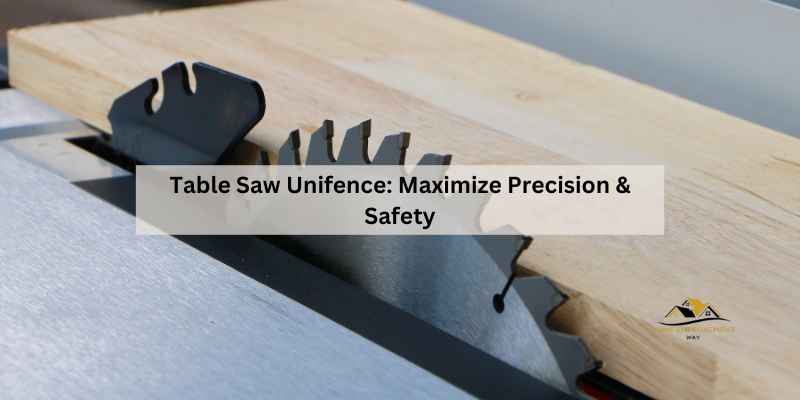
Table Saw Unifence: Maximize Precision & Safety
The Table Saw Unifence is a high-quality fence system designed for accuracy and stability in woodworking. It enhances your table saw’s performance by providing precise measurements and easy adjustments.
A reliable fence system is crucial for any woodworker. The Table Saw Unifence stands out due to its robust construction and user-friendly design. This fence allows for quick adjustments, making it ideal for both beginners and experienced craftsmen. Its unique locking mechanism ensures that your settings remain intact during operation, enhancing safety and precision.
With a focus on performance, the Unifence supports various cutting tasks, from rip cuts to crosscuts. Whether you’re working on cabinetry or fine furniture, this fence system improves efficiency and accuracy, ultimately elevating your woodworking projects. Consider investing in the Table Saw Unifence for a noticeable upgrade in your workshop.
Introduction To The Table Saw Unifence
The Table Saw Unifence is a vital tool for woodworkers. It enhances cutting accuracy and boosts safety. This guide explores its role and benefits. Understanding this system can greatly improve your woodworking experience.
The Role Of A Unifence In Woodworking
A Unifence serves multiple important functions. It acts as a guide for making precise cuts. Here are some key roles:
- Stability: It provides a steady surface for cutting.
- Adjustability: Users can easily adjust it for various widths.
- Versatility: Works well with different table saws.
This system helps maintain control during cuts. It reduces the chances of accidents and errors.
Benefits For Precision And Safety
Using a Unifence offers many advantages. These benefits enhance both precision and safety.
| Benefit | Description |
|---|---|
| Precision Cuts | Ensures straight and accurate cuts every time. |
| Improved Safety | Reduces risk of kickback during cutting. |
| Easy Setup | Quickly adjusts for different projects. |
| Consistent Results | Delivers uniform cuts for quality finishes. |
Investing in a Unifence can transform your woodworking. It promotes better craftsmanship and safer practices.
Key Features Of A Quality Unifence
A quality Unifence enhances your table saw experience. It improves precision and safety. Key features make it reliable and user-friendly. Here are the essential features to consider.
Materials And Build
The build quality of a Unifence impacts its performance. High-quality materials ensure durability and strength. Common materials include:
- Aluminum: Lightweight and resistant to rust.
- Steel: Offers strength and stability.
- Plastic: Lightweight and cost-effective for certain components.
Check the finish. A smooth surface reduces friction. This enhances accuracy during cuts. The design should allow for easy installation and adjustment.
Adjustability And Measurement Accuracy
Adjustability is crucial for precision. A good Unifence should allow easy adjustments. Look for features like:
- Micro-adjustment: Fine-tune measurements for perfect cuts.
- Scale Markings: Clear and easy-to-read measurements.
- Locking Mechanism: Keeps settings secure during use.
Measurement accuracy is vital for quality work. A reliable Unifence ensures consistent results. Many models offer a built-in ruler for easy tracking.
Installation Process
The installation of the Table Saw Unifence is crucial for optimal performance. A proper setup ensures accuracy and safety during your woodworking projects. Follow these steps to set up your Unifence with ease.
Step-by-step Setup
- Gather Your Tools: You will need a wrench, screwdriver, and measuring tape.
- Remove the Old Fence: Unscrew and detach the existing fence from the table saw.
- Clean the Surface: Ensure the table surface is free of dust and debris.
- Attach the Rails: Align the Unifence rails to the table saw. Use screws to secure them tightly.
- Install the Fence: Slide the Unifence onto the installed rails. Ensure it moves smoothly.
- Adjust the Alignment: Use a measuring tape to check the alignment with the blade.
- Tighten All Screws: Go through each screw and tighten them securely.
- Test the Setup: Perform a test cut to ensure accuracy and functionality.
Common Installation Challenges
Some users face issues during the installation. Here are common problems and solutions:
| Problem | Solution |
|---|---|
| Misalignment | Recheck the rail alignment with the blade. |
| Fence Sticking | Clean the rails and apply a lubricant. |
| Loose Screws | Tighten screws and check all connections. |
| Difficulty Sliding | Ensure no debris is obstructing the rails. |
Following these steps and solutions will make your installation smooth. Enjoy woodworking with your new Table Saw Unifence!
Adjusting The Unifence For Accurate Cuts
Adjusting the Unifence is essential for achieving precise cuts. A well-aligned fence ensures clean, straight edges on your projects. Follow these steps to fine-tune your Unifence.
Fine-tuning The Fence Alignment
Proper alignment of the Unifence is crucial for accuracy. Start by checking the position of the fence against the blade.
- Loosen the locking knobs on the Unifence.
- Slide the fence until it is parallel to the blade.
- Use a measuring tape to confirm the distance from the blade to the fence.
Repeat this process on both ends of the fence. Ensure both sides have the same measurement. Tighten the locking knobs securely once aligned.
Ensuring Parallelism With The Blade
Next, ensure the Unifence is parallel to the blade. This step prevents uneven cuts.
- Set the blade to a height slightly above the material.
- Use a combination square to check the distance.
- Adjust the fence until it matches the blade’s distance at both ends.
After adjustments, make a test cut. Check the cut for accuracy. Repeat the process if necessary. A well-adjusted Unifence leads to better results.
| Step | Action |
|---|---|
| 1 | Loosen the locking knobs. |
| 2 | Align the fence parallel to the blade. |
| 3 | Tighten the knobs after alignment. |
With these adjustments, your Unifence will provide accurate cuts. This precision enhances the quality of your woodworking projects.
Safety Measures With Unifence Systems
Using a Unifence system can enhance your woodworking experience. Safety is essential when operating any table saw. Unifence systems provide unique features to improve safety. Follow these guidelines to stay safe while using your Unifence.
Proper Handling And Operation
Handling your Unifence correctly is vital for safety. Here are key practices:
- Always wear safety gear: Use goggles and ear protection.
- Keep your workspace tidy: A clean area prevents accidents.
- Check the setup: Ensure the saw and fence are aligned.
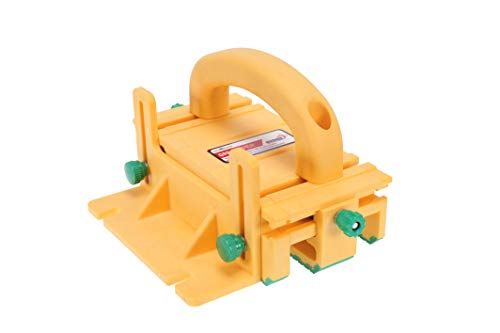
- Use push sticks: Keep hands away from the blade.
Follow these steps:
- Turn off the saw before making adjustments.
- Adjust the fence with the saw off.
- Make sure guards are in place.
- Always stand to the side of the blade.
Avoiding Common Hazards
Identifying hazards can prevent injuries. Here are common risks:
| Hazard | Description |
|---|---|
| Kickback | Material can suddenly move back toward the operator. |
| Blade contact | Hands near the blade can cause serious injuries. |
| Noise | Prolonged exposure can damage hearing. |
To avoid these hazards:
- Use the correct blade for the material.
- Do not force the material through the blade.
- Keep distractions away from the workspace.
- Never remove safety guards while operating.
Stay alert and focused while using your Unifence. Proper handling and awareness can make a significant difference in your safety.
Maintenance And Care
Proper maintenance keeps your Table Saw Unifence in top shape. Regular care extends its lifespan and improves performance. Follow these simple steps for optimal use.
Routine Cleaning
Regular cleaning helps maintain the Unifence’s accuracy and smooth operation. Dust and debris can affect performance.
- Turn off the saw and unplug it.
- Use a soft brush to remove dust.
- Wipe the surface with a damp cloth.
- Check for any stuck debris in the tracks.
Cleaning every few weeks keeps your equipment running smoothly. Consider using a mild cleaner for tough spots.
Wear And Tear Inspection
Inspecting your Unifence for wear and tear is crucial. Regular checks help catch issues early.
| Part | Check For | Action |
|---|---|---|
| Fence Rails | Scratches or bends | Replace if damaged |
| Locking Mechanism | Looseness or failure | Repair or replace |
| Alignment | Misalignment issues | Realign as needed |
Conduct these inspections monthly. Take quick action on any concerns. A well-maintained Unifence ensures safety and precision.
Advanced Techniques And Tips
Mastering the Table Saw Unifence opens doors to advanced cutting techniques. These methods enhance precision and efficiency. Use the right jigs and blades for specialized cuts.
Creating Jigs For Specialized Cuts
Jigs help achieve consistent and accurate cuts. They are easy to make and customize. Here are a few popular jigs:
- Crosscut Sled: Ensures straight cuts on small pieces.
- Box Joint Jig: Perfect for making box joints.
- Table Saw Sled: Great for repetitive cuts and wider boards.
Follow these steps to create a simple crosscut sled:
- Use a sturdy piece of plywood.
- Cut it to fit your table saw.
- Add a fence for stability.
- Attach a stop block for repeated cuts.
Ensure your jig is square to the blade. This keeps your cuts precise. Test your jig before using it on your final project.
Using The Unifence With Dado Blades
The Unifence works well with dado blades. It allows for clean grooves and joints. Follow these tips for successful dado cuts:
| Tip | Description |
|---|---|
| Set Depth Correctly | Adjust the height for the desired groove depth. |
| Use a Sacrificial Fence | Protect the Unifence from dado cuts. |
| Test Cuts First | Practice on scrap wood before final pieces. |
Always secure your material firmly. This prevents movement during cutting. Keep your hands clear of the blade for safety.
Choosing The Right Unifence For Your Table Saw
Finding the perfect Unifence for your table saw is crucial. A suitable Unifence enhances your cutting accuracy and safety. This guide helps you make an informed choice.
Compatibility Considerations
Compatibility is key. Not all Unifences fit every table saw. Check these factors:
- Table Saw Brand: Ensure the Unifence matches your saw’s brand.
- Model Number: Verify the specific model compatibility.
- Mounting Type: Confirm the mounting system aligns with your table saw.
Measuring your table saw’s dimensions is essential. This step ensures a proper fit for the Unifence.
Feature Comparisons For Different Models
| Model | Cutting Length | Material | Adjustment Type | Price |
|---|---|---|---|---|
| Unifence Model A | 30 inches | Aluminum | Manual | $200 |
| Unifence Model B | 36 inches | Steel | Electric | $350 |
| Unifence Model C | 48 inches | Aluminum | Manual | $250 |
Consider these features:
- Cutting Length: Choose a length that suits your projects.
- Material: Aluminum is lightweight; steel offers durability.
- Adjustment Type: Manual adjustments are simple; electric adjustments save time.
- Price: Balance your budget with required features.
Compare these features carefully. The right Unifence will enhance your woodworking experience.
User Experiences And Recommendations
Many users share their experiences with the Table Saw Unifence. These insights help potential buyers understand its value. Reviews highlight efficiency, ease of use, and durability. Let’s explore real-life case studies and endorsements.
Case Studies Of Unifence Efficiency
Real users report impressive results. Here are a few case studies:
| User Type | Project Type | Efficiency Rating |
|---|---|---|
| Professional Carpenter | Custom Furniture | 9/10 |
| Hobbyist Woodworker | Wooden Toys | 8/10 |
| DIY Enthusiast | Home Renovation | 10/10 |
These ratings show how users value the Unifence. Projects become easier and faster. Accurate cuts save time and materials.
Expert And Hobbyist Endorsements
Experts and hobbyists praise the Table Saw Unifence for its features:
- Stability: Users love how stable the fence is.
- Adjustability: Easy to adjust for precise measurements.
- Durability: Built to last, even under heavy use.
- Ease of Use: Simple setup and operation for all skill levels.
Many experts recommend the Unifence for both beginners and professionals. It enhances productivity and boosts confidence in woodworking. Users suggest investing in this tool for long-term benefits.
Future Of Table Saw Fences
The future of table saw fences looks bright. Innovations in design and technology promise improved safety and efficiency. Woodworkers can expect features that enhance precision and ease of use.
Innovations On The Horizon
New advancements are emerging in table saw fences. Key innovations include:
- Smart Technology: Integrated sensors for automatic adjustments.
- Digital Readouts: Easy-to-read displays for accurate measurements.
- Modular Designs: Customizable fences for various projects.
- Lightweight Materials: Enhanced portability without sacrificing strength.
These innovations will streamline workflows. They will also allow woodworkers to achieve higher levels of accuracy.
Predicted Trends In Woodworking Safety
Safety remains a top priority in woodworking. Expected trends focus on reducing accidents and injuries:
- Enhanced Guard Systems: Improved blade guards for better protection.
- Automatic Shut-Off: Features that stop the saw when danger is detected.
- Training Programs: Increased emphasis on safety education for users.
- Ergonomic Designs: Tools that minimize strain and fatigue.
These trends will create a safer working environment. Woodworkers will benefit from peace of mind.
What A UniFence Means
UniFence usually refers to the fence style used on older Delta Uni Saw systems and compatible replacements made to fit that layout. For Delta owners, the name matters because the fence, rails, and saw top geometry all have to work together. A fence that looks similar can still miss the rail position, locking points, or face height needed for a clean fit.
Start by identifying the saw generation before buying parts or a full fence system. Look at the existing rails, how the fence locks down, and where the front and rear contact points sit on the table. Compare those details to the replacement system rather than relying on the fence shape alone. Measure the rail span and the available table width so the new fence can travel far enough for the cuts planned in the shop. If a replacement includes a sacrificial face, check that it will line up with the blade path without interfering with the guard or splitter setup. A correct match gives smooth movement, reliable locking, and better cut consistency.
When To Replace Parts Or All
A full fence replacement makes more sense when the rails are bent, the locking action is weak, or the original parts are missing and no longer hold alignment. If the fence body is sound but the face is worn, the scale is hard to read, or one accessory point is damaged, replacing only the affected part can be enough. The goal is to restore repeatable alignment without buying more system than the saw needs.
Check the fence in stages. First, see whether it slides freely without side play. Next, lock it in place and confirm it stays square at both ends. Then inspect the front face for wear, since a damaged face can push material off line even when the fence body still locks well. If the saw needs a longer reach for wider work, a full upgrade is often the cleaner path. If the current system only needs a fresh face or minor hardware, replacing parts keeps the setup familiar and avoids unnecessary changes. A fence upgrade should solve a real fit or accuracy problem, not just swap working parts.
What Not To Do With The Fence
Do not use a fence that is not locked firmly in place, and do not force stock between the fence and blade. Both mistakes can cause binding, burning, or a dangerous kickback path. A fence should guide the work smoothly, not trap it. If the fence drifts after locking, stop and correct the cause before making another cut.
Keep the fence parallel to the blade for straight rips, and avoid using it as a stop block on the outfeed side of the blade. That setup can pinch the offcut and pull material back toward the operator. Do not rely on a fence face that is loose, warped, or damaged at the edge closest to the blade. If a sacrificial face is used, keep it flat and secure so it supports the work evenly. Before each cut, check that the fence path is clear of scrap, fasteners, and buildup that can change the setting. A clean, secure fence setup helps the saw do the cutting without extra risk.
Frequently Asked Questions
What Is A Unifence System?
The Unifence system is a popular fence design for table saws. It provides precise measurements and excellent stability. This system allows easy adjustments and is compatible with various table saws. Users appreciate its durability and accuracy in making cuts. Overall, it enhances the woodworking experience significantly.
How Does Unifence Improve Cutting Accuracy?
Unifence improves cutting accuracy by offering a stable, adjustable guide. The design minimizes blade movement and enhances alignment. Users can make precise adjustments for different wood thicknesses. This leads to cleaner cuts and reduces waste. Accurate cuts are essential for professional-quality projects.
Is Unifence Compatible With All Table Saws?
Not all table saws are compatible with Unifence. It is specifically designed for certain models and brands. Before purchasing, check compatibility with your table saw’s specifications. Some modifications may be required for older models. Always refer to the manufacturer’s guidelines for best results.
Can I Install Unifence Myself?
Yes, you can install Unifence yourself with basic tools. The installation process is straightforward and well-documented. Most users find it manageable with a little patience and attention to detail. Follow the manufacturer’s instructions for proper setup. A successful installation greatly enhances your table saw’s performance.
What Is A Table Saw UniFence?
It guides the workpiece for straight cuts while locking in place for repeatable results. Fit depends on the saw’s rail layout, fence travel, and locking points, not just the fence’s overall shape.
How Do I Know If My Fence Is Misaligned?
A misaligned fence often shows up as burning, pinching, or cuts that wander from the marked line. Check whether the fence measures the same distance from the blade at both ends after locking. If the fence shifts, binds, or sits out of parallel, it needs adjustment.
Should I Replace Parts Or The Whole Fence?
Replace parts when the fence body still locks securely and the issue is limited to a face, scale, or small piece of hardware. Choose a full replacement when the rails are damaged, the fence drifts, or key parts are unavailable. The best choice restores stable, repeatable alignment without overbuilding the saw.
Conclusion
The Table Saw Unifence is a valuable addition to any woodworking shop. Its precision and ease of use enhance your cutting experience. With its sturdy design and reliable performance, this tool helps elevate your projects. Investing in a Unifence ensures accuracy and efficiency, making your woodworking tasks more enjoyable and productive.
Sponsored / affiliate links. As an Amazon Associate I earn from qualifying purchases. I may earn additional commission from eligible campaigns.
 Adjustable Conveyor Roller Stand, Table Saw Outfeed Roller with Adjustable Height Retractable Feature Braked Wheels & Practical Hooks Flexible Roller Conveyorfor for Logistics Automobile Manufacturing
 Heavy Duty Roller Conveyor, Table Saw outfeed Table with Lockable Universal Casters, Adjustable Adjustable Roller Stand for Woodworking with 6 Widened Conveying Rollers