Teak Vs IPE: Ultimate Guide to Choosing Deck Wood
Imagine transforming your outdoor space into a stunning oasis with the perfect deck or furniture. You want wood that not only looks beautiful but stands the test of time.
That’s where the age-old debate of Teak vs Ipe comes in. Choosing between these two heavyweights can be daunting, especially when each boasts its own unique qualities. But don’t worry, you’re not alone in this decision. You’re about to discover which wood suits your needs, style, and budget.
By the end of this article, you’ll have a clear winner in mind that aligns with your vision for a gorgeous, long-lasting outdoor haven. Get ready to dive into the world of Teak and Ipe, and make an informed choice that you’ll be thrilled with for years to come.
Teak Wood Features
Teak is a very strong wood. It is great for outdoor use. The wood can last for many years. This is because teak resists water and bugs. It stays strong even in bad weather. This makes teak a good choice for furniture and boats.
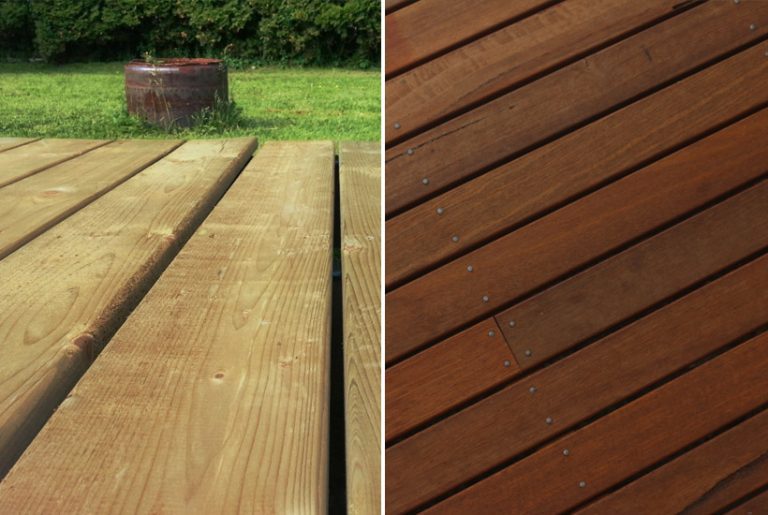
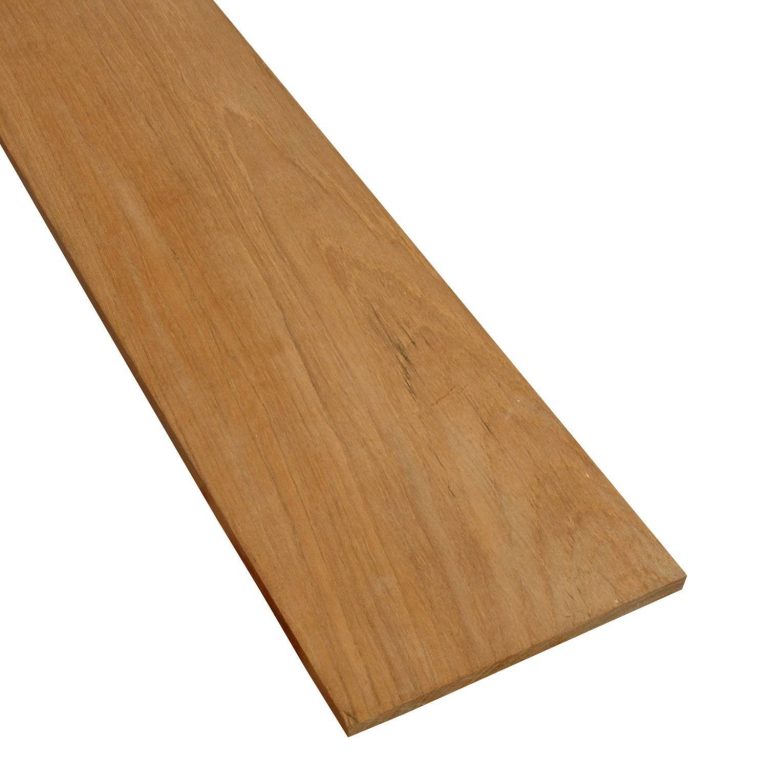
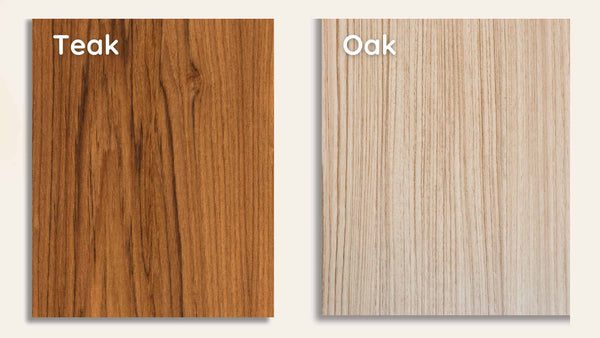
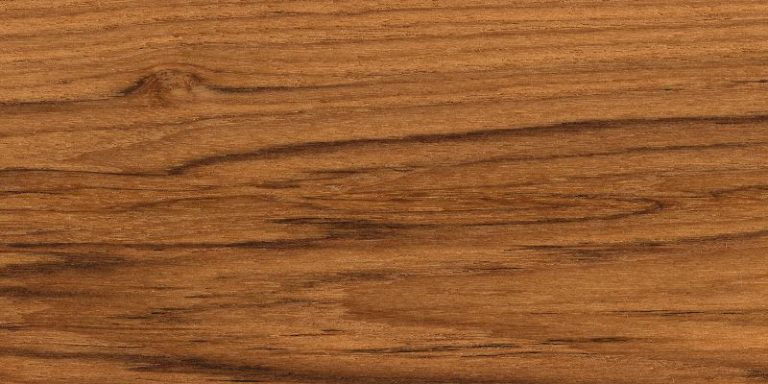
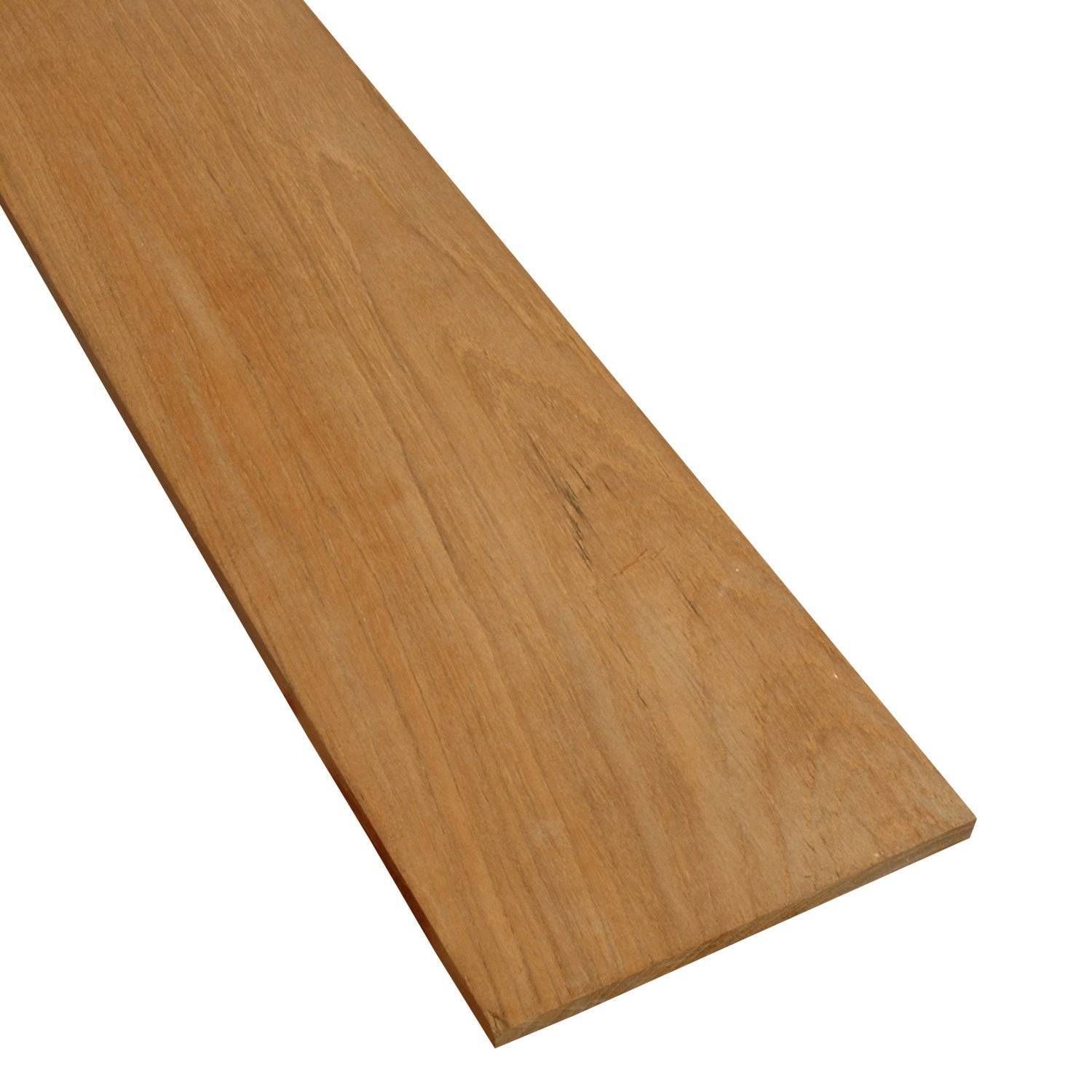
Teak wood has a rich, golden-brown color. It looks warm and inviting. Over time, the color can turn silver-gray. This change happens naturally. The wood also has a smooth texture. Its grains are straight and even.
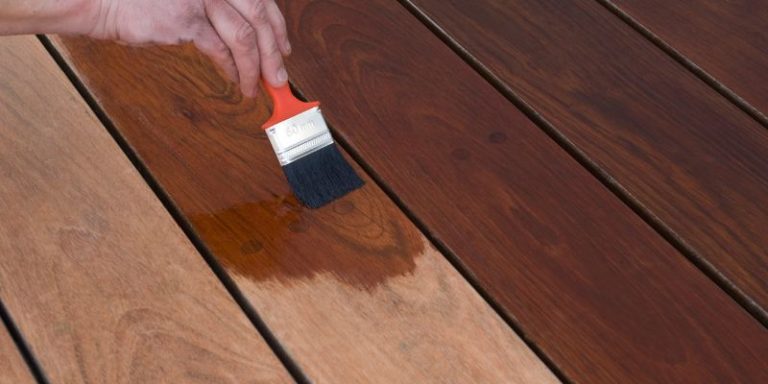
Teak requires low maintenance. It needs oiling to keep its color. This is done once or twice a year. Cleaning is easy with soap and water. It can stay beautiful with little effort. This is why many people like teak.
Ipe Wood Characteristics
Ipe wood is known for its impressive longevity. It can last up to 75 years. This makes it ideal for outdoor use. Its hardnessis also remarkable. Ipe is one of the hardest woods available. It resists scratches and dents easily. This durability is a key feature. Many homeowners prefer it for their decks.
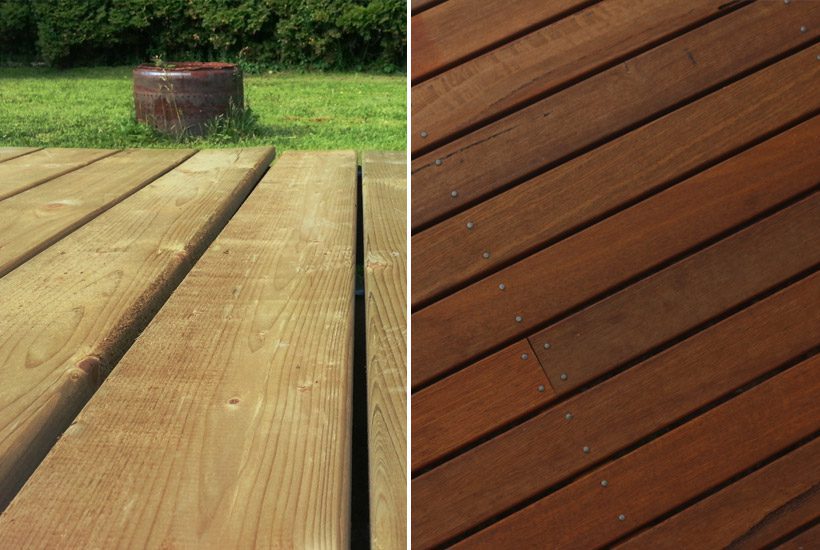
Ipe offers a beautiful appearance. Its color ranges from dark brown to olive green. This gives it a rich look. The grain is fine and smooth. It adds elegance to any space. Many choose Ipe for its natural beauty. It enhances both modern and traditional designs.
Maintaining Ipe wood is relatively easy. Regular cleaning is needed. It helps preserve its look. Occasional sealing is recommended. This protects against weather damage. Ipe’s natural oils aid in durability. They reduce the need for treatments. It’s a practical choice for busy homeowners.
Environmental Impact
Teak trees grow in tropical forests. They are slow-growing. This makes them less sustainable. Teak plantations help, but natural forests suffer. Illegal logging is a big problem. It harms the environment. Forests lose their balance. Animals lose homes. Some companies plant new trees. This helps a bit. But it takes time for trees to grow. We must be careful with teak use.
Ipe wood comes from South America. It is very strong and lasts long. Cutting too many trees harms the forest. Ipe trees are important for the forest. They take a long time to grow. Responsible logging is important. Some companies follow strict rules. This helps save the forest. But not all companies do this. Buying from good companies helps protect nature.
Cost Comparison
Teak costs more than Ipe, making it a luxury option. Ipe offers a budget-friendly alternative with similar durability. Both provide excellent value depending on budget and preference.
Initial Investment
Teak is often cheaper than Ipe. It costs less to buy. Builders find teak easier to work with. Ipe is more expensive. It is hard and dense. Cutting Ipe takes more time. Tools might wear out faster. Teak’s price can vary. Ipe’s price is usually high. Choose wisely based on budget.
Long-term Value
Ipe lasts a long time. It can last over 25 years. Teak lasts less time. Maybe 15 to 20 years. Ipe is very durable. It resists bugs and rot. Teak is also durable. But less than Ipe. Maintenance can cost more for teak. Ipe needs less upkeep. Saving money over time is possible with Ipe.
Installation Considerations
Choosing between teak and ipe involves considering installation needs. Teak is easier to work with due to its softer texture. Ipe requires specialized tools because of its density and hardness.
Ease Of Use
Teakis easy to work with. Its texture is smooth. Ipeis very hard. It needs special tools. This makes it tough for beginners.
Teak is good for DIY projects. You can handle it with basic tools. Ipe is best for professionals. It requires advanced skills.
Teak deckscan be installed quickly. Ipe takes more time. It needs careful planning. This is important for big projects.
Credit: www.teakwoodsupply.com
Performance In Different Climates
Teak excels in humid climates, resisting moisture and decay. Ipe thrives in both hot and wet conditions, known for its extreme durability. Both woods offer unique strengths, but climate plays a crucial role in their performance and longevity.
Teak In Humid Conditions
Teak is famous for its durability in humid places. It resists moisture well. This makes it ideal for tropical climates. Teak’s natural oils help protect it. It stays strong and lasts long. Even when wet, teak does not rot easily. This makes it a top choice for outdoor furniture. It is also used for boat decks. The wood feels smooth and nice. Teak looks good even after years. It remains a favorite in rainy areas.
IPE In Dry Environments
Ipe is known for its strength in dry places. It handles heat and sun without problems. Ipe is very hard and dense. This makes it last long. It does not crack easily. Ipe is great for deserts and sunny locations. It does not fade under the sun. The wood stays beautiful and strong. Ipe is often used for outdoor decks. It remains a popular choice for dry climates.
Aesthetic Choices
Teak’s Natural Beautyshines with a warm, golden hue. Its grain is smooth and even. Teak’s color deepens over time, adding charm. People love its classic look. Teak fits well with many styles. It feels cozy and welcoming. This wood is great for traditional spaces.
Ipe’s Exotic Appealbrings a rich, dark tone. Its texture is dense and fine. Ipe’s color is striking and bold. Many admire its unique appearance. Ipe suits modern designs well. It adds a touch of elegance. This wood is perfect for luxury settings.
Common Uses And Applications
Teak and Ipe wood serve different needs in construction and design. Teak’s natural oils make it perfect for outdoor furniture. Ipe, with its dense structure, suits decking projects. Both are prized for durability and beauty.
Residential Decking
Teak is a popular choice for residential decking. It resists water and rot well. Its warm color adds beauty to homes. Ipe is known for its durability. It can last for decades. Ipe is also resistant to scratches. Many homeowners love its smooth texture. Both woods are great for outdoor spaces. They provide a natural look. Teak requires regular maintenance. Ipe needs less care. Choose based on your needs.
Commercial Projects
Ipe is often used in commercial projects. It handles heavy traffic with ease. Its strength is unmatched. Teak offers elegance. It suits luxury settings well. Ipe is perfect for public spaces. Its hardness makes it ideal for flooring. Teak shines in hotels and resorts. Both woods are versatile. They bring a touch of class. Businesses value their quality. Consider your project’s demands.
Final Decision Factors
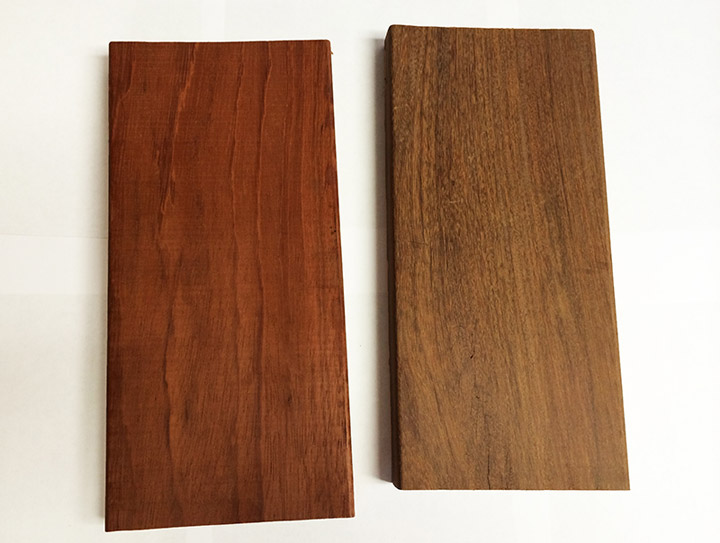
Choosing between Teakand Ipedepends on what you love most. Teak feels warm and cozy. It’s like a hug for your deck. Ipe feels strong and lasts long. It’s tough like a superhero. Think about the color and texture you like. Teak is golden. Ipe is dark and rich. Both have their own charm.
Money matters when picking wood for your deck. Teak is beautiful but costs more. It’s like buying a fancy dress. Ipe is cheaper and strong. It’s like a good pair of jeans. Think about how much you want to spend. Teak might need extra care. Ipe stays strong with little fuss. Choose the one that fits your wallet.
Credit: blog.advantagelumber.com
Frequently Asked Questions
What Are The Key Differences Between Teak And IPE?
Teak is known for its warm color and high oil content, making it resistant to water and decay. Ipe, on the other hand, is extremely dense, offering superior durability and resistance to scratches. Both woods are excellent for outdoor use, but Teak may require more maintenance to retain its color.
Which Wood Is More Durable, Teak Or IPE?
Ipe is more durable than Teak due to its extreme density and hardness. It resists wear, scratches, and rot better than Teak. While both woods are suitable for outdoor use, Ipe’s durability makes it a preferred choice for high-traffic areas like decks and patios.
Is Teak More Expensive Than IPE?
Teak is generally more expensive than Ipe due to its popularity and limited availability. Teak’s high demand in luxury furniture and boat building increases its cost. Ipe, while still costly, is often more affordable, making it a popular choice for budget-conscious homeowners seeking durability.
How Do Teak And IPE Handle Weather Changes?
Teak handles weather changes well due to its natural oils that protect against moisture. Ipe’s density makes it highly resistant to weather variations, minimizing expansion and contraction. Both woods are excellent for outdoor applications but may require maintenance to preserve their appearance.
Conclusion
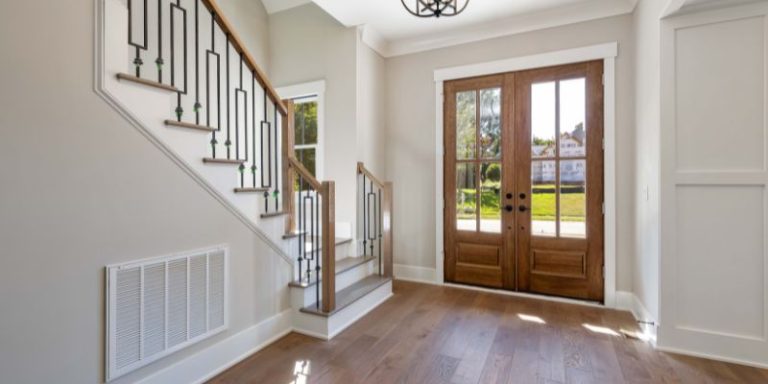
Choosing between Teak and Ipe depends on your needs. Teak offers warmth and elegance. It’s known for its durability. Ipe is robust and long-lasting. Perfect for harsh weather. Both woods boast unique qualities. Consider your budget and climate. Teak might suit indoor spaces better.
Ipe is ideal for outdoor projects. Think about maintenance requirements too. Teak needs regular oiling. Ipe requires less upkeep. Both add beauty to your space. Decide what fits your lifestyle best. Make an informed choice for lasting satisfaction.