What Is 19/32 Plywood? Actual Thickness vs Nominal 5/8-Inch
19/32 plywood is the actual, sanded thickness of panels sold under the nominal 5/8-inch label — 0.594 inches (15.1mm), about 1/32 inch thinner than a true 5/8 inch (0.625 in.) sheet. Buying the wrong panel for a 16-inch on-center subfloor can fail a 24/16 span rating and an inspection. This guide covers the exact inch and millimeter conversion, how 19/32 compares to 5/8 plywood, and where each is used.
19/32 plywood is a structural wood panel manufactured to a nominal 5/8-inch thickness rating but milled and sanded to an actual finished thickness of 19/32 inch (0.594 in / 15.1mm). The reduced dimension comes from APA’s PS 1 voluntary product standard, which allows panel thickness to run under the nominal label after sanding. It is not the panel to reach for in fine furniture or cabinetry where an exact 5/8-inch dimension matters — use hardwood cabinet-grade plywood there instead.
📊 Actual plywood thickness runs under its nominal label by design — under Voluntary Product Standard PS 1-19, average veneer thickness must fall within ±5% of the nominal dimension, and panels are sanded after glue-up, which is why “5/8-inch” plywood is stamped and sold at an actual 19/32 inch. — Source: NIST / APA Voluntary Product Standard PS 1-19 (2019)
How Thick Is 19/32 Plywood in Inches and Millimeters?
19/32 inch equals 0.59375 inches, which rounds to 0.594 inches or 15.1mm. That is the number a tape measure or caliper will actually show on a sheet stamped “5/8” — the nominal 5/8-inch figure (0.625 in / 15.9mm) is the trade name, not the measured size.
| Label | Decimal (inches) | Metric (mm) | What It Means |
|---|---|---|---|
| 19/32″ (actual) | 0.594 in. | ~15.1 mm | Real thickness of a sanded panel |
| 5/8″ (nominal) | 0.625 in. | ~15.9 mm | Trade name printed on the stamp/label |
| Difference | 0.031 in. | ~0.8 mm | About the thickness of a fingernail |
19/32 vs 5/8 Plywood: What’s the Real Difference?
19/32 plywood and 5/8 plywood are, in almost every practical case, the same panel. “5/8” is the nominal trade name; 19/32 is the actual sanded thickness that ships under that name. A true, unsanded 5/8-inch (0.625 in.) panel is rarely sold in North American lumber yards — when a supplier says 5/8, they mean 19/32.
| 19/32 (Nominal 5/8″) | True 5/8″ | Best For |
|---|---|---|
| 0.594 in. actual | 0.625 in. actual | Both meet code for standard framing |
| ~45–50 lb per 4×8 sheet | Slightly heavier | 19/32 — easier one-person handling |
| 24/16 span rating | Same span class | Subfloor over 16″ o.c. joists (IRC R503.2.1.1) |
| Tolerance-graded thickness | True dimension | True 5/8 — cabinetry needing a tight, exact fit |
“The average veneer thickness shall conform to the limitations given in this Standard within a tolerance of ± 5% of the specified nominal thickness measured dry before layup.”
Best Panel Thickness Caliper Pick
NEIKO Electronic Digital Caliper (0-6 in) – $25.39
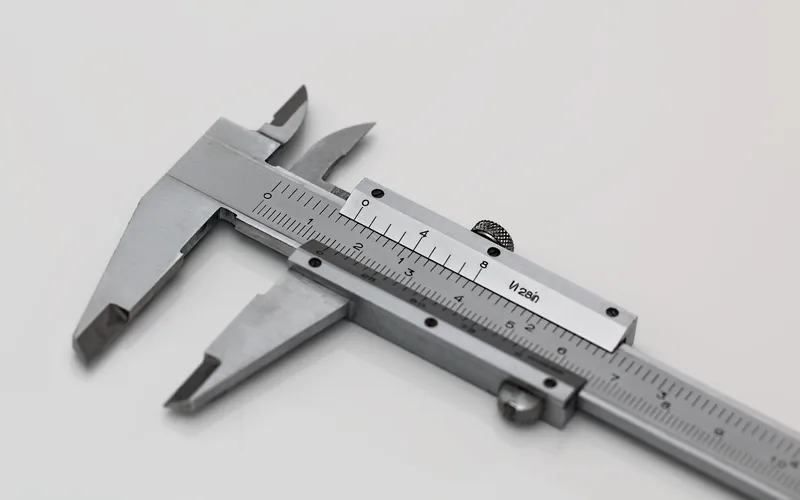
Since nominal and actual plywood thickness differ by 1/32 inch, a digital caliper is the fastest way to confirm a stack is genuinely 19/32 before it goes into a subfloor cut list.
- Best for: Verifying panel thickness in seconds at the lumber yard
- Why we picked it: Instant inch/mm/fraction switch matches how this guide reports thickness
- Main drawback: Plastic carry case is not built for daily jobsite abuse
Compare more thickness-check tool options
 Option 1 HARDELL Digital Caliper 6 Inch – $21.99
|
 Option 2 Adoric Digital Caliper 0-6 Inch – $6.99
|
 Option 3 General Tools MMD4E Wood Moisture Meter – $37.70
|
As an Amazon Associate we earn from qualifying purchases.
What Is 19/32 Plywood Used For?
19/32 plywood is a subfloor and sheathing panel first. Under IRC section R503.2.1.1, a panel span-rated 24/16 — which is what a 19/32 sheet is stamped — meets code for subfloor over joists spaced up to 16 inches on center. That same stamp also qualifies it for roof sheathing on 16″ o.c. rafters and for wall sheathing, where it resists racking and adds shear strength.
- Subfloor: Standard choice under 16″ o.c. joists, per its 24/16 span rating.
- Roof sheathing: Common on 16″ o.c. rafters and trusses.
- Wall sheathing: Adds racking resistance in residential wall assemblies.
- Not ideal for: Fine furniture or cabinetry, where the true 5/8-inch dimension and a cleaner face veneer matter more than span rating.
Choosing and Buying 19/32 Plywood
Most 19/32 sold for construction is graded CDX — a C-grade face veneer, D-grade back veneer, and exterior (waterproof) glue line, which is why it tolerates job-site weather exposure before it’s covered. For a cleaner appearance where the panel stays visible, ask for a sanded (“RTD” or BC-grade) panel instead of CDX. Before you cut a whole sheet list around it, confirm the panel you’re holding actually measures standard plywood dimensions and figure out how many sheets you need before ordering, since 19/32 typically only ships in full 4×8 sheets.
A 4×8 sheet of 19/32 plywood weighs roughly 45–50 lb, light enough for one person to carry but heavy enough that stacking more than a few flat invites warping. If the project is outdoors or the panel will sit near grade, choose a pressure-treated or marine-grade 19/32 panel instead of standard CDX — standard CDX resists job-site rain short-term but is not rated for sustained ground contact. Check current 4×8 plywood prices before buying, since CDX, treated, and sanded grades price differently per sheet, and browse the full plywood buying guide for grade-by-grade comparisons. If you’ll be cutting panels down to size, a sharp router bit for plywood keeps the face veneer from chipping along the edge.
Is 19/32 Plywood the Same as 5/8 CDX?
Yes. When a supplier lists “5/8 CDX,” the panel that ships is milled to 19/32 inch actual thickness — the CDX grade stamp describes the veneer quality and glue type, not a different thickness standard. Ask for the actual measurement only if a project genuinely needs the true 0.625-inch dimension.
Frequently Asked Questions
What is 19/32 plywood used for?
19/32 plywood is used mainly for subfloors, roof sheathing, and wall sheathing in residential construction. Its 24/16 span rating qualifies it for joists and rafters spaced up to 16 inches on center, making it the standard structural panel for most single-family framing.
How thick is 19/32 plywood in inches?
19/32 plywood measures 0.59375 inches, rounded to 0.594 inches, or about 15.1mm. That is roughly 1/32 inch (0.8mm) less than a true 5/8-inch panel, a difference allowed under APA’s PS 1 voluntary product standard for sanded panels.
Is 19/32 plywood the same as 5/8 plywood?
Yes, for nearly all practical purposes. “5/8” is the nominal trade name; 19/32 inch is the actual thickness the panel is sanded to before it ships. Structurally, both meet the same span ratings for subfloor and sheathing use.
Can 19/32 plywood be used outdoors?
Standard CDX-grade 19/32 plywood tolerates short-term job-site weather exposure because of its exterior glue line, but it is not rated for sustained outdoor exposure or ground contact. For decks, fences, or anything near grade, use a pressure-treated or marine-grade 19/32 panel instead.
How much does a 19/32 sheet of plywood weigh?
A standard 4×8-foot sheet of 19/32 CDX plywood weighs approximately 45 to 50 pounds, depending on wood species and moisture content. Freshly manufactured panels typically weigh more than sheets that have had time to dry and acclimate.
Is 19/32 plywood good for flooring?
Yes. 19/32 plywood is a standard subfloor panel for residential flooring when joists are spaced 16 inches on center, meeting the IRC’s minimum thickness and span requirements. For 19.2″ or 24″ o.c. joist spacing, check the panel’s span rating before installing, since wider joist spacing needs a thicker or higher-rated panel.
Conclusion
19/32 plywood is the real, sanded thickness behind every panel sold as nominal 5/8-inch — 0.594 inches, about 1/32 inch under the trade name, per APA’s PS 1 standard. For subfloor, roof, and wall sheathing over 16-inch on-center framing, it is functionally identical to true 5/8-inch stock and carries the same 24/16 span rating. Measure with a caliper rather than trusting the label if a project genuinely needs the true 0.625-inch dimension, and reach for a different grade entirely for furniture or cabinetry work.
Sponsored / affiliate links. As an Amazon Associate I earn from qualifying purchases. I may earn additional commission from eligible campaigns.