Tung Oil Vs Linseed: Which Oil Seals Best?
Are you standing in the hardware store, staring at rows of finishes, trying to decide between tung oil and linseed oil? You’re not alone.
Choosing the right wood finish can feel like a daunting task, especially when both options promise to protect and enhance your wood projects beautifully. But how do you know which one is the right fit for your needs? This decision can impact not just the look of your furniture, but also its longevity and maintenance.
You’ll discover the key differences between tung oil and linseed oil, helping you make an informed choice that you’ll feel confident about. Get ready to uncover the secrets that will make your woodwork shine with durability and style.
Tung Oil Properties
Tung oil offers a natural finish, known for water resistance and quick drying. Compared to linseed oil, tung oil provides a harder, durable surface. It penetrates deeply, enhancing wood grain beautifully. Linseed oil, while also protective, tends to yellow over time and dries slower.
Origin And Extraction
Tung oil comes from the seeds of the Tung tree. This tree grows in China and East Asia. Farmers crush the seeds to get the oil. Extraction uses pressing machines. This oil is clear and golden. It has been used for centuries. People use it for its protective features.
Chemical Composition
Tung oil contains polyunsaturated fatty acids. These acids help the oil dry well. Its main acid is called eleostearic acid. This gives the oil its unique qualities. The oil forms a strong film on surfaces. This film protects wood from water and bugs.
Drying Time
Tung oil dries faster than many oils. It takes about 24 hours to dry. The oil hardens as it dries. This makes surfaces strong. Multiple coats may be needed for full protection. Each coat should dry before adding another. Proper drying gives surfaces a smooth finish.
:max_bytes(150000):strip_icc()/GettyImages-98458433-34246b5e035d433c91169def5959b2de.jpg)
Credit: www.thespruce.com
Linseed Oil Characteristics
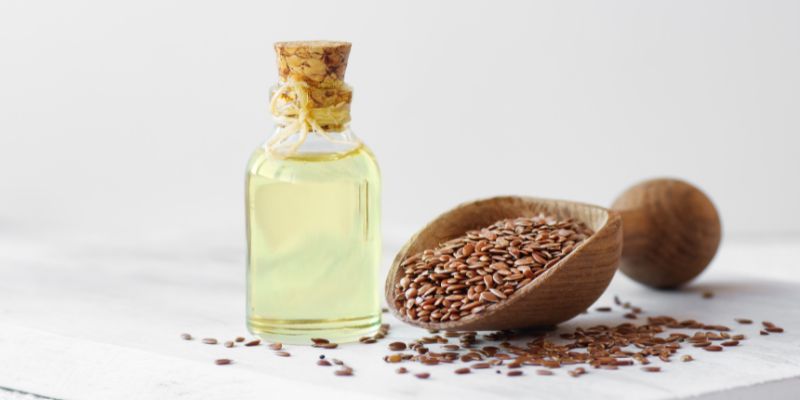
Linseed oilcomes from flax seeds. Farmers grow these seeds in fields. Once collected, seeds are crushed. This process extracts the oil. The oil is then refined. This makes it pure and ready for use.
The structure of linseed oil is unique. It contains fatty acids. These acids are important for its properties. They help in forming a strong finish. This finish is often used on wood. It gives the wood a shiny look.
Curing means drying. Linseed oil cures slowly. It can take days to dry fully. The process involves air. The oil reacts with air to harden. This creates a protective layer. This layer shields surfaces from damage.
Application Techniques
Tung oil dries faster and provides a hard, water-resistant finish. Linseed oil takes longer to dry but penetrates deeply, enhancing wood grain. Both require multiple coats for durability and beauty.
Preparation Of Surface
Clean the surface well. Use a mild soap and water. Dry the area completely. Sand the surface lightly to remove rough spots. Ensure the surface is dust-free before applying oil. Both tung oil and linseed oil need a clean base. This helps them stick better and look nice.
Methods Of Application
Apply the oil with a cloth or a brush. Use a soft, lint-free cloth for the best results. Rub the oil in small circles. Let the oil soak into the wood. You may need to apply more oil if the wood is dry. Always work with the grain of the wood.
Number Of Coats
Two to three coats are usually enough. Tung oil often needs more coats than linseed oil. Let each coat dry before adding the next. Drying time is important. It helps the oil set well on the wood. Check the label for exact drying times.

Credit: www.popularwoodworking.com
Durability And Resistance
Tung oil is known for its strong water resistance. It forms a hard layer on wood. Linseed oil is less effective in water protection. This makes Tung oil a better choice for wet areas. Both oils need regular reapplication to maintain their resistance.
Tung oil offers great scratch protection. It penetrates deeply into wood. Linseed oil provides moderate protection against scratches. Tung oil also guards against stains better than Linseed. Protecting furniture from daily wear is easier with Tung oil.
Tung oil lasts longer on wood surfaces. It keeps wood strong and beautiful. Linseed oil requires more frequent applications. Tung oil gives long-term protection. It is ideal for durable wood finishes.
Environmental Impact
Tung oiland linseed oilboth come from plants. This makes them sustainable. Tung oil is from the seeds of the tung tree. Linseed oil is from flax seeds. Both trees and plants can be grown again. This helps nature stay balanced. Using plant-based products is good for the earth.
Both oils break down naturally over time. This means they do not harm the planet. They return to the soil and help it. Biodegradable products are better for our world. They keep the earth clean and safe.
Both oils are safe when dry. Wet oils can be harmful if ingested. Care is needed when using them. Keep them away from pets and kids. Always wash hands after use. Safety is very important with all oils.
Credit: walrusoil.com
Cost And Availability
Tung oilusually costs more than linseed oil. The price of tung oil can be double. Tung oil is often priced around $20 per liter. Linseed oil is more affordable. It may cost around $10 per liter. Linseed oil is often chosen for cost-effective projects.
Linseed oilis easy to find in stores. It is available in most hardware shops. Many people use it for woodwork and painting. Tung oilcan be harder to find. It is not as common. Some stores may not carry it. People often order it online. Tung oil is popular for high-quality furniture finishes.
User Experience
Tung Oil is simple to apply. It dries quickly. You can use it with a cloth. Linseed Oil takes more time. It needs more coats. It can be sticky. Both oils need patience. Tung Oil finishes smoother. Linseed Oil might feel rough. It needs sanding between coats. Tung Oil is good for beginners. Linseed Oil needs practice. Tools are easy to clean. Tung Oil smells less. Linseed Oil has a strong smell.
Tung Oil requires less maintenance. It is durable. Linseed Oil needs more care. It can wear out. Tung Oil lasts longer. It resists water. Linseed Oil might need reapplying. It fades with time. Both oils protect wood. Tung Oil can be renewed easily. Linseed Oil requires more work. Regular checks are important. Keep both oils away from fire. Store them safely.
Best Uses And Recommendations
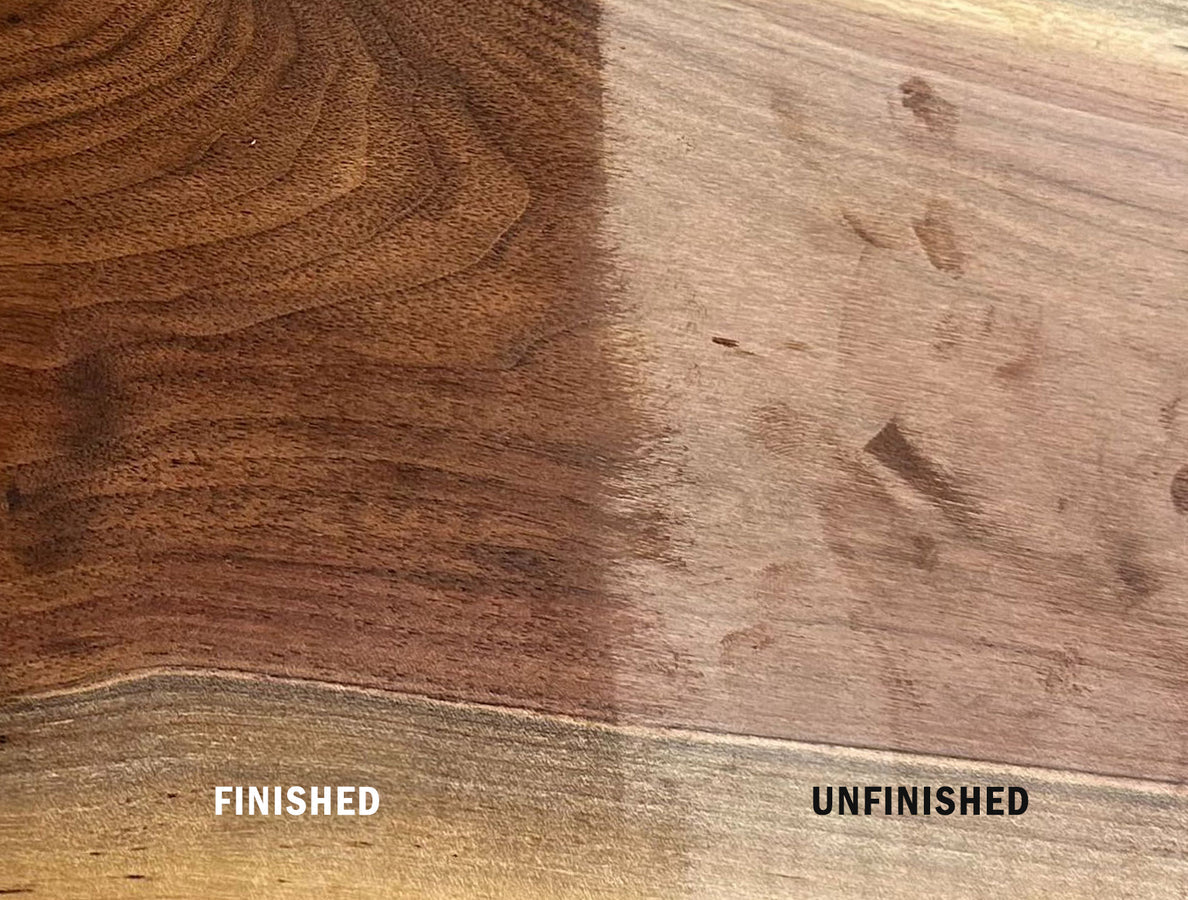
Tung oil is best for hardwoodslike teak or walnut. These woods show off its shine. Linseed oil suits softwoodslike pine or cedar. It goes deep into the wood. Both oils protect and make wood look nice.
Tung oil is great for outdoor furniture. It fights off water and weather. Linseed oil is perfect for indoor items. It gives a warm look and feel. Choose tung oil for decks and boats. Pick linseed oil for tables and chairs.
Frequently Asked Questions
What Is Tung Oil?
Tung oil is a natural oil derived from tung tree seeds. Known for its water-resistant properties, it provides a durable finish for wood. It’s popular in woodworking for its ability to enhance grain patterns and protect surfaces without altering their natural appearance.
How Does Linseed Oil Differ From Tung Oil?
Linseed oil is extracted from flax seeds and has a slower drying time than tung oil. While both oils enhance wood, linseed oil provides a softer finish. Tung oil offers superior water resistance, making it ideal for outdoor furniture.
Can Tung Oil Be Used On All Wood Types?
Tung oil is versatile and can be applied to most wood types, enhancing their natural beauty. It’s especially effective on hardwoods due to its penetrating ability. However, always test on a small area to ensure compatibility with your specific wood type.
Is Linseed Oil Better For Outdoor Furniture?
Linseed oil is less water-resistant compared to tung oil, making it less suitable for outdoor use. Tung oil’s superior moisture resistance makes it a better choice for outdoor furniture, protecting it from weather elements while maintaining its appearance.
Conclusion
Choosing between tung oil and linseed oil depends on your needs. Both oils offer unique benefits for wood protection. Tung oil provides a durable, water-resistant finish. Linseed oil enhances wood’s natural grain and color. Consider the application process and drying time.
Tung oil dries faster, making it more convenient. Linseed oil requires more patience but rewards with a rich finish. Assess your project’s requirements and desired finish. Both options can enhance your woodwork beautifully. Whether you seek durability or aesthetic appeal, both oils are excellent choices.
Make an informed decision for your next woodworking project.