Waterlox Vs Tung Oil: The Ultimate Wood Finish Showdown
Are you looking to protect and enhance the beauty of your wooden surfaces? Choosing the right finish is crucial.
When it comes to wood finishes, Waterlox and Tung Oil are two popular options that often come up in discussions. But which one is right for your project? Understanding the differences between these two can make all the difference in achieving the perfect look and durability for your wood.
Imagine walking into a room where your wooden floors or furniture shine with a rich, natural luster that not only catches the eye but also stands up to everyday wear and tear. This is the promise of a quality wood finish. With Waterlox and Tung Oil, each offers unique benefits and characteristics, but knowing how they perform and what they offer is key to making an informed decision. You’ll discover the pros and cons of Waterlox and Tung Oil, how they differ in application and longevity, and which might be the better fit for your specific needs. Dive in to uncover which finish will bring your wood to life, ensuring it remains beautiful and protected for years to come. Don’t settle for anything less than the best for your cherished wood pieces. Keep reading to make the choice that will elevate your space and give you peace of mind.
Credit: www.woodworkingtalk.com
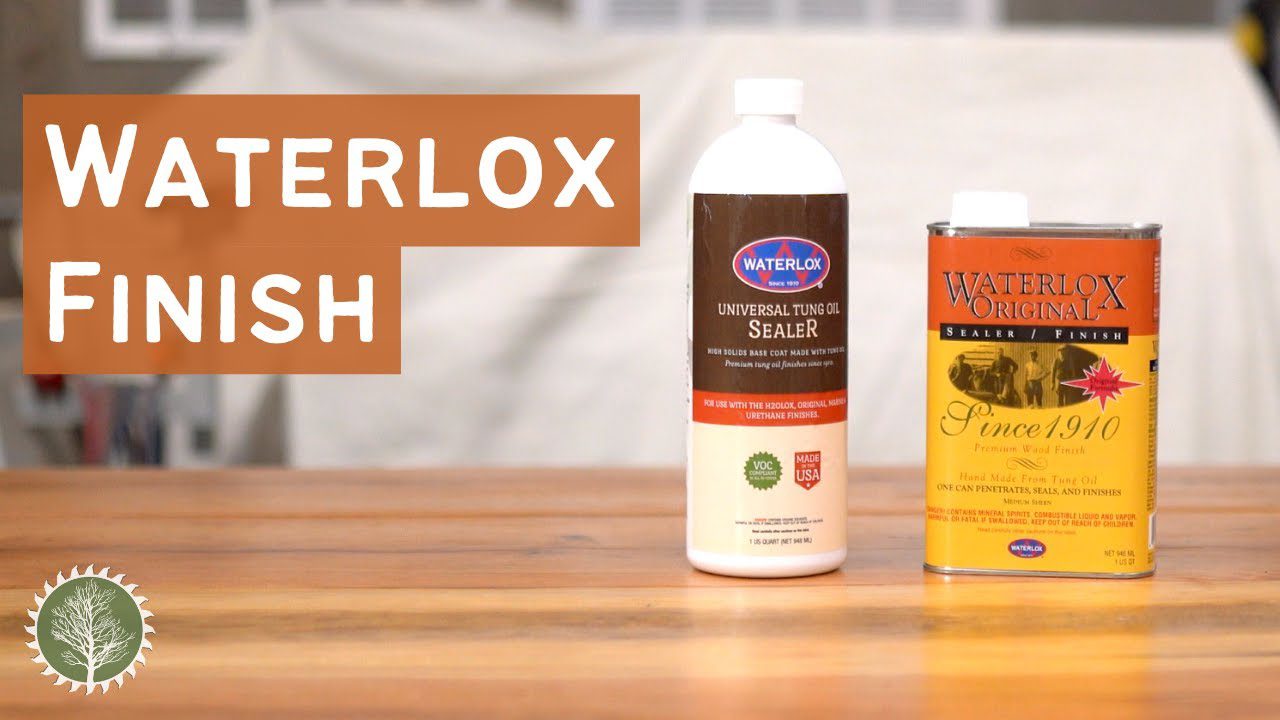
Waterlox: Composition And Features
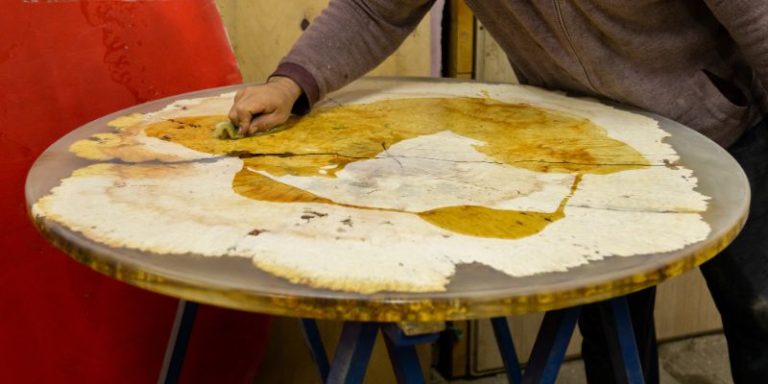
Waterlox is a finish for wood. It creates a tough surface. It is made from tung oil. Tung oil is from nuts of tung trees. Waterlox adds a glossy look to wood. It protects wood from water damage. It also stops scratches and stains.
The main ingredientis tung oil. It also has resins. Resins help the oil stick to wood. Solvents are added too. Solvents thin the oil. This makes it easy to spread. The formula dries quickly. It forms a hard coat on wood.
Waterlox is known for its shine. It gives wood a rich glow. The finish is long-lasting. It does not peel off easily. Waterlox is also water-resistant. This keeps wood safe from moisture. The finish is smooth and clear.
Credit: www.drivenbydecor.com
Tung Oil: Origins And Benefits
Tung Oil comes from seeds of the Tung tree. This tree grows in China and other parts of Asia. People have used Tung Oil for many years. Its clear, shiny look is loved by many. It helps make wood shine and last longer.
Tung Oil is a natural oil. It does not have chemicals. This makes it safe for homes and places with kids. The oil dries and forms a hard coat. This coat protects the wood. It is also water-resistant. This means water does not easily damage the wood.
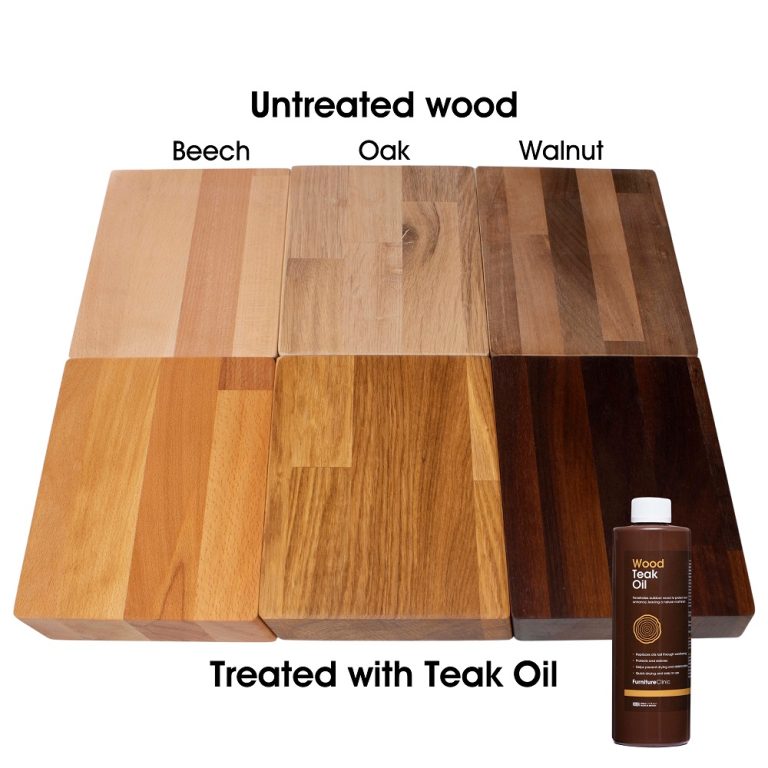
Tung Oil makes wood look better. It brings out the natural beautyof wood grains. It is easy to apply with a brush or cloth. The oil can be layered for more shine. Tung Oil lasts a long time on surfaces. It keeps wood strong and looking good.
Application Techniques
Clean the wood using a damp cloth. Let it dry fully. Sand the wood with fine sandpaper. Remove all dust with a clean cloth. A smooth surface helps the oil soak in better. Ensure the wood is dry before applying any oil.
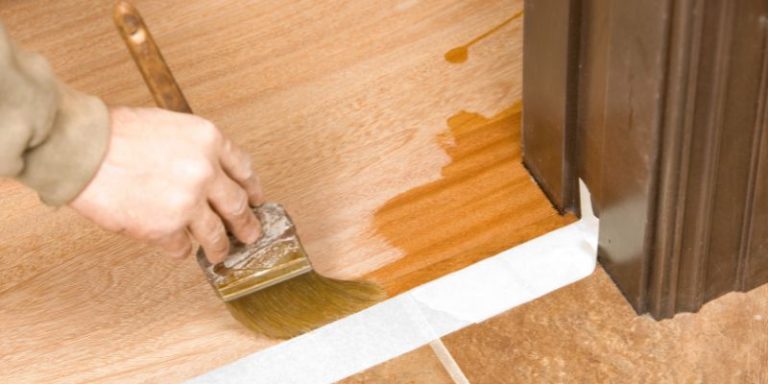
Use a natural-bristle brush for Waterlox. Apply in thin layers. Let each layer dry before adding another. Usually, 24 hours is enough. Two or three coats give the best finish. Always work in a well-ventilated area. Waterlox can have strong fumes.
Tung oil can be applied with a cloth. Rub the oil into the wood gently. Let it sit for 30 minutes. Wipe off any extra oil. Allow the first coat to dry fully. This can take 24 to 48 hours. Repeat for extra coats, if needed.
Waterlox takes about 24 hours to dry. Complete curing can take up to 30 days. Tung oil dries in 24 to 48 hours. Curing might take a week or more. Both finishes need time to harden. Be patient for the best results.
Durability And Protection
Waterlox offers strong water resistance. It keeps wood safe from spills. Tung oil gives some protection too. But Waterlox does better in wet places. Tung oil can soak into wood. This helps but isn’t enough for heavy water. Choose Waterlox for areas with lots of water.
Waterlox is great against scratches and wear. It forms a tough layer on the wood. This layer handles daily use well. Tung oil is softer. It might scratch easily. Tung oil needs more layers for good protection. For busy areas, Waterlox is a good choice.
Waterlox finish lasts long. It stays shiny and strong over time. Tung oil can fade quicker. It may need reapplying often. Waterlox needs less upkeep. This saves time and effort. For lasting beauty, pick Waterlox over Tung oil.
Aesthetic Appeal
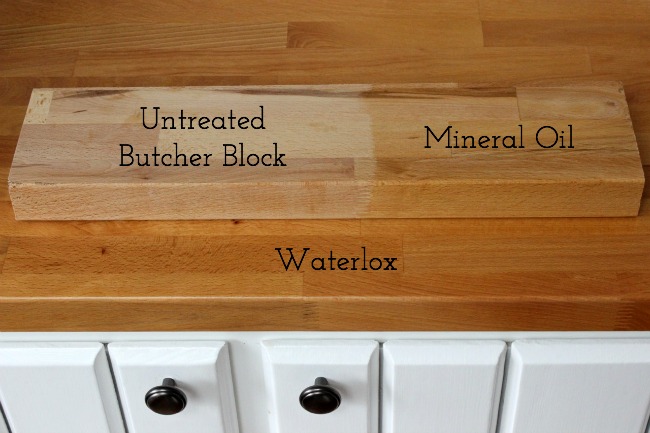
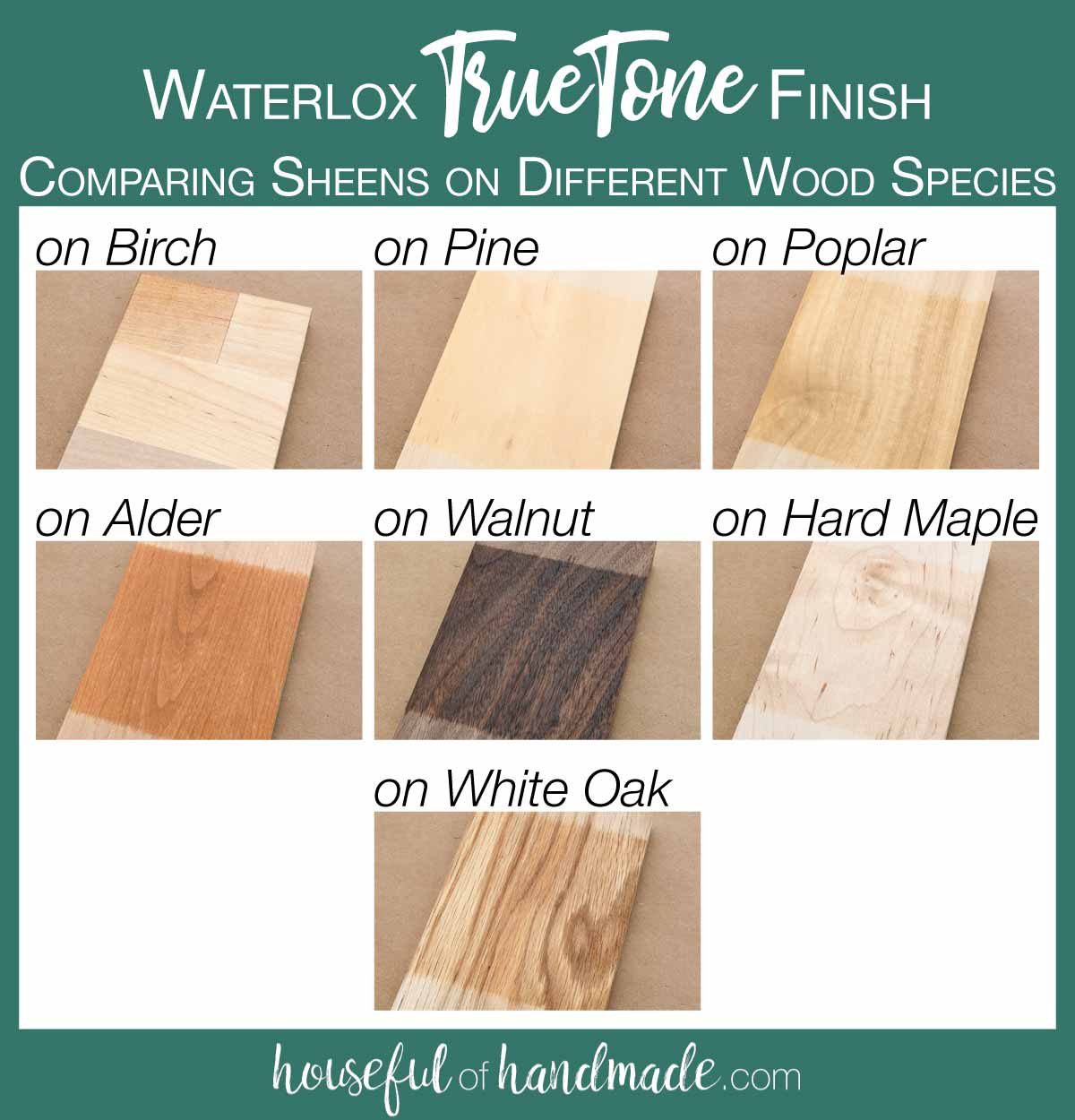
Waterlox makes wood look deeper and richer. It brings out the natural colors. Tung oil gives a warm, golden hue. Both can make wood look beautiful. Each has its own charm. Choose based on your color preference.
Waterlox provides a shiny and glossy finish. It looks sleek and polished. Tung oil offers a soft sheen. It’s less shiny but still nice. Both finishes look good. The choice depends on your desired level of shine.
Wood with Waterlox feels smooth. It’s like touching glass. Tung oil gives a soft, natural feel. It feels more like wood. Both provide unique textures. Think about how you like your wood to feel.
Maintenance And Care
Regular cleaning keeps surfaces looking fresh. Use a soft cloth. Avoid harsh chemicals. Warm water and mild soap are best. Dry surfaces immediately. This helps prevent water spots.
Both Waterlox and Tung Oil need care. Waterlox may need refinishing every few years. Tung Oil needs more frequent touch-ups. Apply a new coat once a year. This keeps it in good shape.
Scratches or dents can happen. Sand lightly to fix small scratches. Apply a new coat for deeper damage. This hides marks and keeps surfaces smooth. Always follow the product instructions.
Environmental Impact
Waterlox and Tung Oil differ in their environmental impact. Waterlox contains more synthetic chemicals, affecting eco-friendliness. Tung Oil, a natural product, offers a greener option, as it is derived from the seeds of the tung tree.
Sustainability Of Waterlox
Waterlox is made from natural materials. It uses fewer chemicals than other finishes. This makes it safer for the earth. The production process of Waterlox is less harmful. It creates less waste. The finish lasts a long time. This reduces the need for replacements. Long-lasting products save resources. Waterlox helps preserve trees. It uses fewer raw materials. This supports forest health. Sustainable practices are vital for our planet.
Eco-friendliness Of Tung Oil
Tung oil comes from tung trees. These trees are renewable. They grow back after harvesting. This oil is biodegradable. It breaks down naturally. It is safe for the environment. Tung oil does not harm water or soil. It is chemical-free. This makes it a green choice. Using tung oil helps the earth. It supports eco-friendly practices. Simple choices can protect our planet.
Cost And Value Considerations
Waterloxcosts more than Tung Oil. It is ready to use from the can. Tung Oil needs mixing with other oils or thinners. This adds to its cost. Buying Tung Oil alone is cheaper. But mixing can make it cost more. The ready-to-use nature of Waterlox saves time. It can be more convenient for many users.
Waterloxprovides a strong, long-lasting finish. It protects surfaces better over time. Less maintenance is needed. Tung Oil needs reapplication more often. This can be time-consuming. Over years, Waterlox might save money. It reduces the need for frequent touch-ups. This can be important for busy households.
User Experiences And Reviews
Waterloxreceives many positive reviews. Users love its durabilityand finish. It makes wood look richand shiny. Some say it’s easy to apply. Others find the smell strong. But it fades with time. Most are happy with the final result.
Tung oilis popular for its natural look. It gives wood a smoothfinish. Many appreciate its eco-friendly nature. Some users find it hard to apply. It needs multiple coats. Patience is key. Others say it enhanceswood grain beautifully. It’s a favorite for DIYenthusiasts.
Choice depends on personal needs. Want a shiny finish? Choose Waterlox. Prefer a natural look? Go for Tung Oil. Both have their fans. Both offer unique benefits. Consider the project’s demands. Each product has strengths. Decide based on your goals. Happy woodworking!
Credit: waterlox.com
Frequently Asked Questions
What Is Waterlox Used For?
Waterlox is a durable, waterproof finish commonly used for wood surfaces. It enhances the natural beauty of the wood while providing protection. Waterlox is ideal for high-moisture areas like kitchens and bathrooms. It’s a popular choice for floors and countertops due to its durability and protective qualities.
How Does Tung Oil Protect Wood?
Tung oil penetrates deep into wood fibers, providing a protective, water-resistant finish. It enhances the wood’s natural grain and color. Tung oil is easy to apply and maintain, making it a popular choice for furniture and woodworking projects. It offers a natural, matte finish that improves wood’s appearance.
Is Waterlox Better Than Tung Oil?
Waterlox offers a more durable and waterproof finish compared to Tung oil. It is better for high-moisture areas. Tung oil, however, provides a more natural look and feel. Choosing between them depends on your specific needs and the wood’s intended use.
Both have their unique advantages.
Can I Apply Waterlox Over Tung Oil?
Applying Waterlox over Tung oil is generally not recommended. The oils may not bond well, leading to finish issues. For best results, start with a clean, unfinished surface. Ensure the wood is free of previous finishes before applying Waterlox to achieve optimal adhesion and performance.
Conclusion
Choosing between Waterlox and Tung Oil depends on your specific needs. Waterlox offers durability and water resistance. Great for high-traffic areas. Tung Oil provides a natural finish. Perfect for minimal maintenance. Both options enhance wood beauty. Each has unique benefits.
Consider your project requirements. Think about desired appearance and durability. Evaluate ease of application. Budget matters too. Both oils have their fans. Your choice reflects your priorities. Enjoy your wood’s renewed look. Experiment and find what works best. Happy finishing!