What Are String Lights: Essential Guide
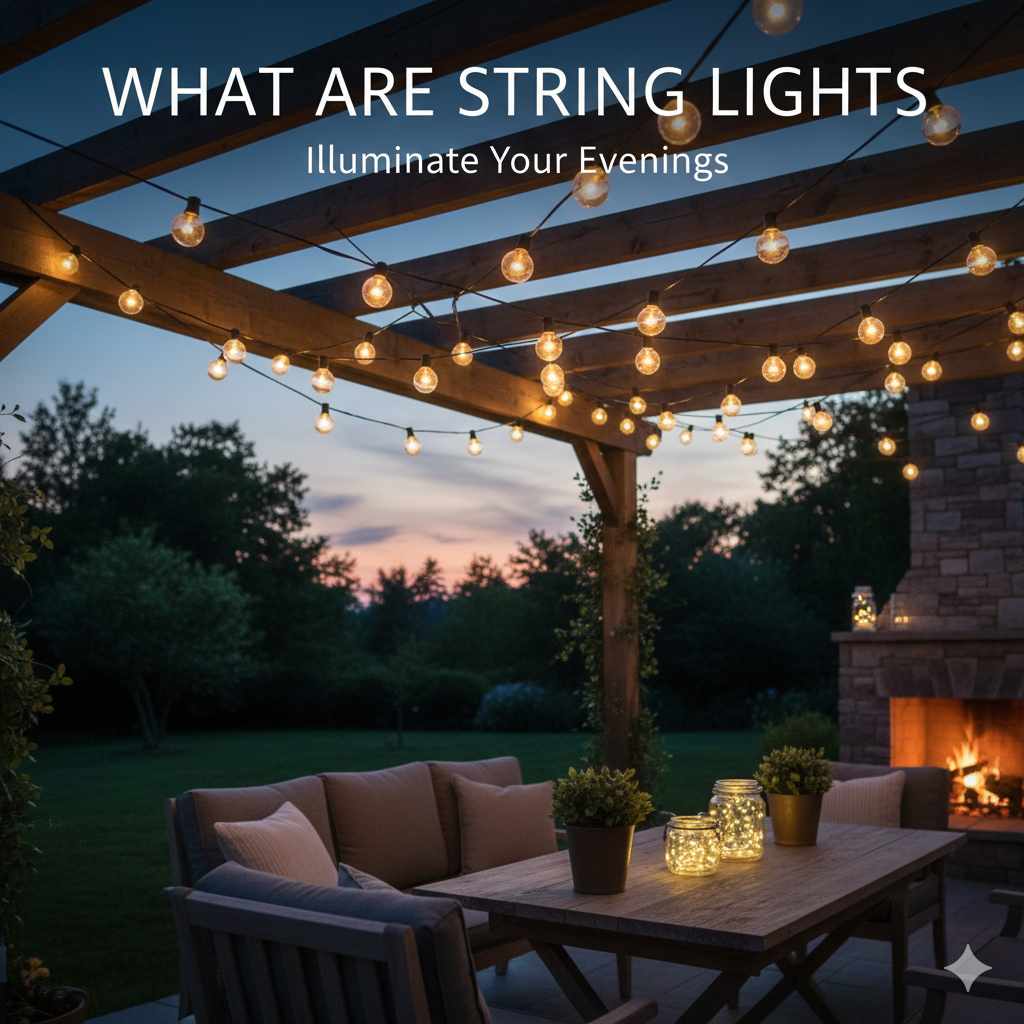
String lights are decorative strands of lights, often with exposed bulbs, used to enhance ambiance and provide gentle illumination for indoor and outdoor spaces. They’re versatile, easy to install, and come in many styles, making them a popular choice for adding charm and warmth to homes.
Hey there, DIY enthusiasts and home improvers! Ever looked at a patio, a cozy reading nook, or even a festive holiday display and wondered about those magical, glowing strands? You’re probably thinking about string lights! They’re fantastic for adding a special touch to any space, but sometimes knowing where to start can feel a bit… well, dim.
Don’t worry, I’m Md Meraj, and I’m here to shine a light on everything string lights. We’ll break down what they are, why they’re so popular, and how you can use them to make your home even more inviting. Think of this as your friendly guide to understanding and choosing the perfect string lights for your next project. Ready to brighten things up?
What Exactly Are String Lights?
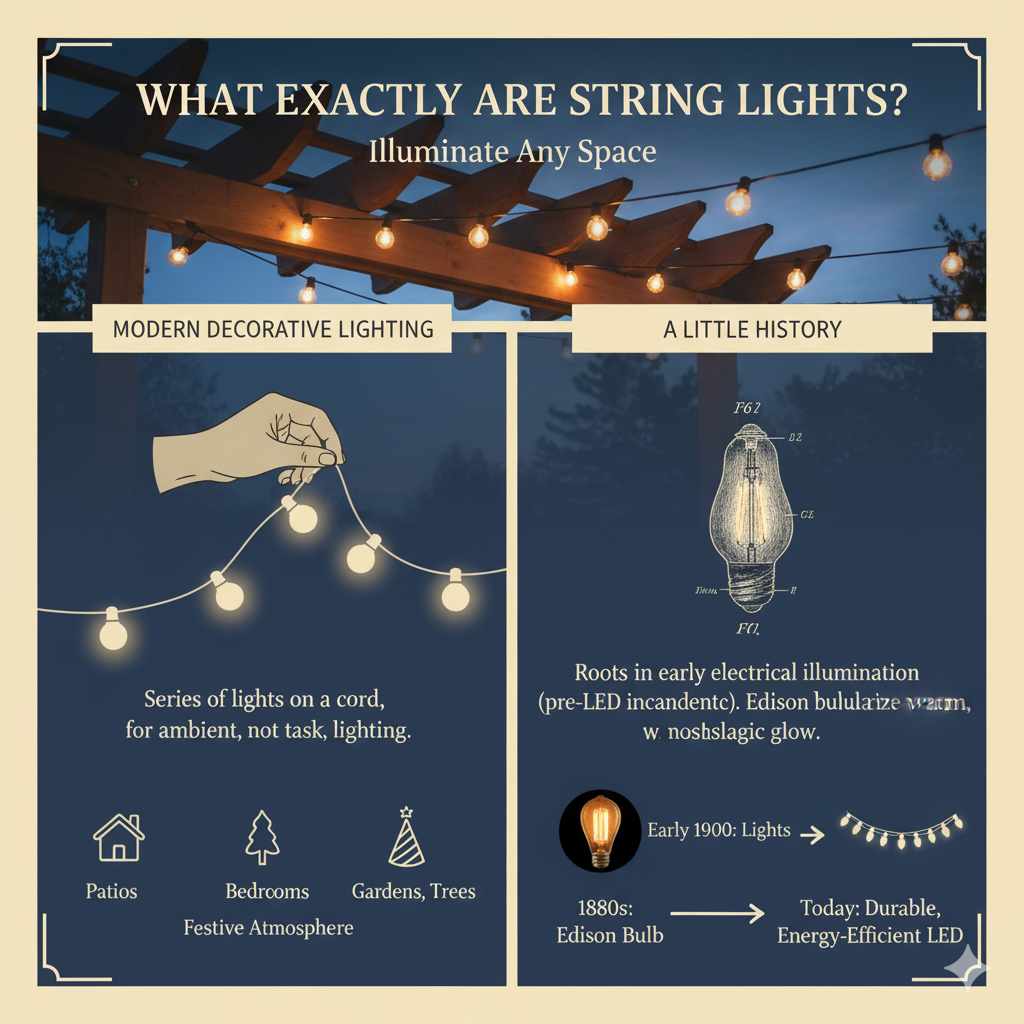
At their core, string lights are simply a series of lights connected together on a wire or cord. They’re designed to be decorative and provide ambient lighting rather than task lighting (like a desk lamp). The beauty of string lights lies in their versatility and the warm, inviting glow they cast.
You’ve likely seen them strung across patios, wrapped around trees, hung along fences, or even adorning indoor spaces like bedrooms or living rooms. They’re a go-to for creating a festive atmosphere for parties, holidays, or just for everyday enjoyment.
A Little History
The concept of decorative lighting isn’t new, but the modern string light has roots in early electrical illumination. Before LEDs, incandescent bulbs were strung together, often for holiday decorations. Think of those classic Christmas lights! Over time, the designs evolved, becoming more durable, energy-efficient, and suitable for a wider range of applications beyond just the winter holidays.
The invention of the Edison bulb, with its visible filament, played a significant role in popularizing a certain aesthetic that many string lights still evoke today. These vintage-style bulbs, often used in modern string lights, bring a touch of nostalgia and warmth that’s hard to beat.
Types of String Lights
The world of string lights is surprisingly vast! They come in all sorts of shapes, sizes, bulb types, and power sources. Understanding these differences will help you pick the perfect ones for your needs.
By Bulb Type
The type of bulb used is one of the most significant factors affecting the look, energy efficiency, and lifespan of your string lights.
- Incandescent: These are the classic bulbs. They produce a warm, familiar glow but consume more energy and can get quite hot. They’re also more fragile.
- LED (Light Emitting Diode): LEDs are the modern workhorses. They are incredibly energy-efficient, last much longer than incandescent bulbs, and produce very little heat. They come in a wide range of colors and color temperatures.
- Solar-Powered: These lights have small solar panels that charge them during the day. They’re great for areas without easy access to an electrical outlet and are very eco-friendly. Their brightness can sometimes be less intense than wired options.
By Style and Shape
The “string” part is often adorned with various decorative elements.
- Edison/Filament Bulbs: These are designed to mimic the look of old-fashioned incandescent bulbs with visible, decorative filaments. They offer a warm, vintage ambiance.
- Globe Lights: These feature larger, round bulbs, often clear or frosted, creating a softer, more diffused light. They can be quite dramatic and stylish.
- Fairy Lights: These are typically very small, delicate lights (often LEDs) on thin, flexible wires. They’re perfect for subtle accents, crafting, or creating a whimsical feel.
- Lantern Lights: These have small, decorative lanterns around each bulb, adding a unique visual element.
- Commercial/Cafe Lights: Often featuring larger, more robust bulbs, these are popular for outdoor patios and commercial spaces, designed to withstand the elements.
- Novelty Lights: These come in fun shapes like stars, hearts, animals, or themed designs, adding a playful touch.
By Power Source
How your lights are powered is a key consideration for placement and installation.
- Plug-in (AC Power): These are the most common and reliable. They plug into a standard wall outlet and provide consistent brightness.
- Battery-Operated: Convenient for areas where outlets aren’t accessible, like centerpieces or temporary decorations. They require battery changes.
- Solar-Powered: As mentioned, these charge via sunlight, making them ideal for gardens, pathways, and remote areas.
Why Are String Lights So Popular?
It’s not just about the light; it’s about the feeling they create. Their popularity stems from a blend of aesthetics, functionality, and ease of use.
Ambiance and Mood
This is the big one! String lights are masters at creating a specific mood. A soft, warm glow can instantly make a space feel cozier, more inviting, and romantic. Whether you’re hosting a dinner party, enjoying a quiet evening outdoors, or setting a festive holiday scene, string lights are your secret weapon for ambiance.
Versatility in Placement
You can hang them almost anywhere! Over a patio, along a balcony railing, draped around a pergola, woven through bushes, inside a jar, or along a bookshelf. Their flexibility means they can adapt to your space and your vision.
Ease of Installation
For the most part, string lights are incredibly DIY-friendly. Many simply need to be unspooled and hung, then plugged in. This is a huge plus for homeowners looking for quick and impactful decor upgrades without needing professional help.
Aesthetic Appeal
From the vintage charm of Edison bulbs to the whimsical sparkle of fairy lights, there’s a style to match almost any decor. They add a decorative element even when they’re not lit.
Affordability
Compared to other lighting installations, string lights are often a very budget-friendly way to make a significant visual impact. You can find options at various price points to suit your budget.
Where to Use String Lights
The possibilities are practically endless, but here are some popular spots to get your creative juices flowing:
Outdoor Spaces
This is where string lights truly shine. They transform patios, decks, balconies, and backyards into magical extensions of your home.
- Patios & Decks: String them across the space, along railings, or under eaves to create a cozy dining or lounging area.
- Pergolas & Gazebos: Drape them overhead for a canopy of light.
- Trees & Bushes: Wrap them around trunks or branches for a whimsical, enchanting effect.
- Fences & Walls: Outline features or create a backdrop.
- Gardens & Pathways: Use solar-powered or stake lights to guide your way and add charm.
Indoor Spaces
Don’t limit yourself to the outdoors! String lights can add a wonderful touch indoors too.
- Bedrooms: Drape them above a headboard, around a mirror, or along a wall for a soft, dreamy glow.
- Living Rooms: Use them to highlight architectural features, frame a fireplace, or add a cozy accent.
- Dining Rooms: Create an intimate atmosphere for meals.
- Hallways & Entryways: Add a welcoming touch.
- Crafts & DIY Projects: Incorporate them into wall art, DIY headboards, or decorative displays.
Special Occasions
String lights are synonymous with celebrations!
- Parties & Gatherings: Instantly elevate the mood for birthdays, anniversaries, or casual get-togethers.
- Holidays: Essential for Christmas, Diwali, Hanukkah, and other festive occasions.
- Weddings & Events: Create romantic and magical settings.
Choosing the Right String Lights: Key Considerations
With so many options, how do you pick the best ones? Here’s what to think about:
1. Location: Indoor vs. Outdoor
This is your first and most important decision. Outdoor lights need to be weather-resistant. Look for UL Wet Location ratings or similar certifications. Indoor lights don’t need this, but they should still be made with safe, durable materials.
2. Power Source
As discussed, consider where you’ll place them. Do you have an outlet nearby? Is solar a viable option? For battery-operated lights, think about how often you’re willing to change batteries.
3. Bulb Type & Style
What kind of mood are you going for? Warm and cozy (incandescent or warm-white LEDs)? Bright and modern (cool-white LEDs)? Vintage and romantic (Edison bulbs)? Consider the size and shape of the bulbs too – globe lights make a statement, while fairy lights are subtle.
4. Length and Spacing
Measure the area you want to illuminate. String lights come in various lengths, and the spacing between bulbs can differ. More space between bulbs might be better for larger areas, while closer spacing creates a more concentrated glow.
5. Durability and Quality
Especially for outdoor use, choose lights made with robust materials. Look for thicker gauge wires, sturdy sockets, and good insulation. Reputable brands often offer better quality and longer-lasting products.
6. Energy Efficiency
If you plan to use your lights frequently, especially outdoors, LEDs are the clear winner. They use significantly less energy than incandescent bulbs, saving you money on electricity bills and reducing your environmental impact. According to the U.S. Department of Energy, LEDs use at least 75% less energy and last 25 times longer than incandescent lighting. You can learn more about LED lighting efficiency on the Energy.gov website.
7. Color Temperature
This refers to the warmth or coolness of the light.
- Warm White (2700K-3000K): This is the most common for creating a cozy, inviting atmosphere, similar to traditional incandescent bulbs.
- Cool White (4000K-5000K): This has a bluer tone, appearing brighter and more modern. It’s good for task areas or a crisper look.
- Daylight (5000K-6500K): This mimics natural daylight and is very bright.
For most decorative applications, warm white is the preferred choice.
Installation Tips for a Safe and Beautiful Look
Installing string lights is usually straightforward, but a few tips can make a big difference in both safety and appearance.
Safety First!
This is crucial, especially when working with electricity and at heights.
- Read the Instructions: Always read the manufacturer’s manual before you begin.
- Check for Damage: Before hanging, inspect the lights for any frayed wires, cracked sockets, or loose connections. If you find any damage, do not use them.
- Proper Power Source: Ensure you’re using the correct voltage and type of power source for your lights.
- Outdoor Safety: For outdoor use, make sure lights are rated for the conditions (wet, damp, or dry). Use GFCI (Ground Fault Circuit Interrupter) protected outlets. These outlets are designed to shut off electricity if they detect a fault, significantly reducing the risk of shock. You can find more information on GFCI protection from the <a href=”https://www.nfpa.org/education-and-research/home-fire-/gfcis” target=”_blank” rel=”noopener noreferrer”>National Fire Protection Association (NFPA).
- Avoid Overloading: Do not connect too many strands together if the manufacturer advises against it. Overloading can cause overheating and fire hazards.
- Secure Installation: Use appropriate hooks, clips, or fasteners. Don’t just tape them up. Ensure they are securely fastened so they don’t fall, especially in windy conditions.
- Ladder Safety: If using a ladder, ensure it’s stable and you have someone to spot you.
Planning Your Layout
A little planning goes a long way.
- Measure Your Space: Know the dimensions you need to cover.
- Visualize the Look: Sketch out where you want the lights to go. Consider how they will complement your existing decor.
- Consider the Power Source: Plan where your extension cords or power outlets will be. Try to hide them as much as possible for a cleaner look.
Hanging Techniques
Make them look intentional and professional.
- Use Appropriate Hardware: Invest in sturdy outdoor-rated hooks, screw eyes, or zip ties designed for hanging lights. For temporary setups, specialized light clips can be very useful.
- Even Spacing: Try to space your hanging points evenly for a neat appearance.
- Consider the Wire Color: Some lights come with green, black, or white wires. Choose a color that blends in with your surroundings.
- Manage Excess Wire: Neatly coil and secure any extra wire to prevent tripping hazards and maintain a tidy look.
- Draping vs. Straight Lines: Decide if you want a taut, straight line or a more relaxed, draped effect. Draping can often make the lights appear softer.
String Lights vs. Other Lighting Options
How do string lights stack up against other ways to light up your home?
| Feature | String Lights | Recessed Lighting | Pendant Lights | Lanterns (Standalone) |
|---|---|---|---|---|
| Ambiance Creation | Excellent, warm, decorative | Good for general, even lighting; can be dimmed | Can be ambient or task; stylish focal point | Good for accent, path lighting; portable |
| Installation Complexity | Very Easy (DIY-friendly) | Moderate to Difficult (requires cutting into ceiling) | Moderate (requires wiring, mounting) | Very Easy (place and go) |
| Cost (Initial) | Low to Moderate | Moderate to High | Moderate to High | Low to Moderate |
| Energy Efficiency | Varies (LEDs are excellent) | Varies (LEDs are excellent) | Varies (LEDs are excellent) | Varies (battery/solar dependent) |
| Flexibility/Portability | Moderate (can be rearranged) | None (permanent installation) | None (permanent installation) | High (easily moved) |
| Primary Use | Decorative accent, mood lighting | General room illumination | Focal point, task or ambient lighting | Accent, path, or mood lighting |
As you can see, string lights excel at creating atmosphere and are incredibly easy to implement. While recessed and pendant lights offer more functional, general illumination, they involve more complex installation and higher costs. Standalone lanterns are great for portability but don’t offer the same widespread decorative effect as a string.
Maintaining Your String Lights
To keep your lights looking and working their best, a little maintenance goes a long way.
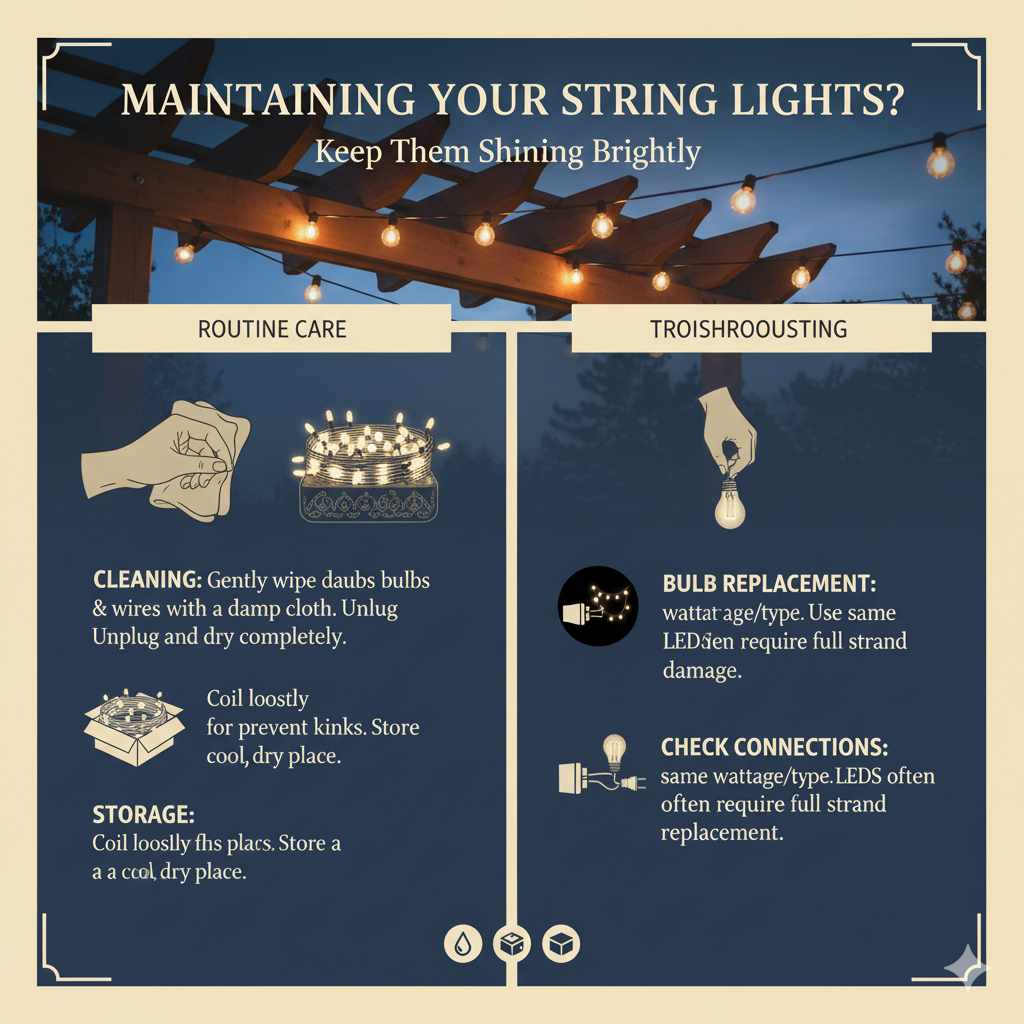
- Cleaning: For outdoor lights, dust and debris can accumulate. Gently wipe bulbs and wires with a damp cloth. For stubborn grime, a mild soap solution can be used, but ensure the lights are unplugged and completely dry before re-powering.
- Storage: When not in use, especially for seasonal lights, store them properly. Coil them loosely to avoid kinking the wires. Store them in a cool, dry place, perhaps in their original packaging or a dedicated storage container, to protect them from damage.
- Bulb Replacement: If a bulb burns out (especially with incandescent types), replace it with one of the exact same wattage and type. For LED lights, individual bulbs are often not replaceable; you may need to replace the entire strand if one fails, though LEDs are designed to last for many years.
- Check Connections: Periodically inspect plugs and connections for corrosion or damage, particularly for outdoor sets.
Frequently Asked Questions (FAQ)
Q1: Are string lights safe to leave on all night?
A: For LED string lights, yes, it’s generally safe to leave them on all night, as they produce very little heat. However, always check the manufacturer’s instructions. For incandescent string lights, it’s best to turn them off when not supervised due to the heat they generate.
Q2: Can I connect multiple strands of string lights together?
A: It depends on the type and rating of the lights. Many commercial-grade or heavy-duty string lights are designed to be connected end-to-end. Always check the product packaging or specifications for the maximum number of strands you can safely connect. Overconnecting can overload the circuit and pose a fire risk.
Q3: How do I hang string lights without damaging my house?
A: Use damage-free hanging solutions like adhesive hooks (for indoor, lightweight lights), C-clips that attach to gutters, or specialized outdoor light clips that can be screwed into eaves or siding without causing significant holes. For more permanent fixtures, use screw eyes or hooks designed for outdoor use.
Q4: What’s the difference between warm white and cool white string lights?
A: Warm white lights have a yellowish, cozy glow, similar to traditional incandescent bulbs, and are ideal for creating a relaxing ambiance. Cool white lights have a bluer, brighter tone, appearing more modern and crisp, and can be good for areas where more visibility is needed.
Q5: How long do LED string lights typically last?
A: LED string lights are known for their longevity. While incandescent bulbs might last around 1,000-2,000 hours, LEDs can last anywhere from 15,000 to 50,000 hours or even more, depending on the quality and usage. This means they can last for many years.
Q6: Can I use indoor string lights outdoors?
A: No, it’s not recommended. Indoor string lights are not designed to withstand moisture, temperature fluctuations, or other outdoor elements, which can lead to electrical hazards, damage to the lights, and potential fires. Always use lights specifically rated for outdoor use when placing them outside.
Conclusion
So there you have it! String lights are more than just decorative additions; they are versatile tools that can transform your living spaces, both inside and out. From setting a cozy mood on your patio to adding a touch of magic to your bedroom, their impact is undeniable. By understanding the different types available, considering your specific needs, and following a few simple safety and installation tips, you can confidently choose and use string lights to enhance the beauty and warmth of your home.
Whether you’re a seasoned DIYer or just starting out, string lights offer an accessible and affordable way to add personality and charm. They’re a testament to how simple elements can create profound ambiance. So go ahead, embrace the glow, and let your creativity shine!