What Are Tie Downs? Your Guide to Securing Loads Safely
Hey there, buddy! So, you’re curious about tie downs, huh? Maybe you’re planning to haul a motorcycle, some furniture, or a pile of camping gear, and you’ve heard the term thrown around. I’ve been using tie downs for years, from strapping my dirt bike to a trailer for weekend rides in Colorado to securing kayaks for a trip to the lake. Let me break it down for you. Tie downs are a game-changer when it comes to moving stuff safely, and I’m excited to share what I’ve learned. By the end, you’ll know exactly what tie downs are and how to use them like a pro.
I’ve had my share of tie-down triumphs and a few rookie mistakes—like the time a cheap strap snapped and nearly sent my ATV rolling. This guide is packed with everything I’ve picked up along the way, from types of tie downs to tips for keeping your load secure. Whether you’re new to hauling or a seasoned road warrior, let’s dive into the world of tie downs and get your gear locked down tight!
What Exactly Are Tie Downs?
Let’s start simple. Tie downs are straps, ropes, or cords used to secure cargo to a vehicle, trailer, or truck bed. They keep your stuff from sliding, tipping, or flying off while you’re driving. Think of them as the seatbelt for your cargo. I use tie downs whenever I’m hauling something heavy, like my motorcycle or a stack of lumber. They come in different styles and strengths, but their job is always the same: hold your load steady.
Tie downs are a must for safe transport. Without them, your cargo could shift, damage your vehicle, or cause an accident. I learned this the hard way when I tried moving a couch without proper straps—it slid into my tailgate, leaving a nasty dent. Whether you’re towing a car, moving furniture, or securing bikes, tie downs are your best friend.
Why Tie Downs Matter
You might be thinking, “Can’t I just toss my stuff in the truck and go?” I used to think that too, until that couch incident. Tie downs are critical for a few reasons. First, they keep your cargo safe. A loose load can get damaged or destroyed. Second, they protect your vehicle. Unsecured items can scratch paint or dent panels. Third, and most important, they keep the road safe. A shifting load can cause you to lose control or create hazards for other drivers.
The law agrees. In the USA, the Department of Transportation has rules about securing cargo. If your load isn’t tied down properly, you could get fined. Plus, a secure load gives you peace of mind. I’d rather spend 10 minutes strapping straps than deal with a runaway ATV on the highway. Tie downs are worth the effort.
Types of Tie Downs
There are lots of tie downs out there, and I’ve tried most of them. Each type has its strengths, depending on what you’re hauling. Here’s what I’ve found works best.
Ratchet Straps
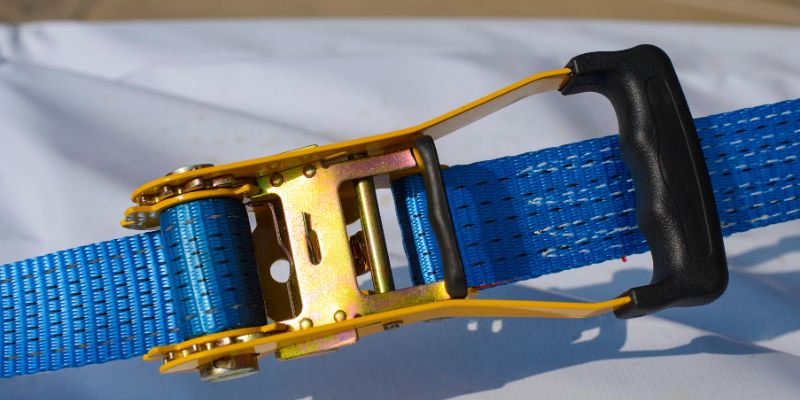
Ratchet straps are my go-to for heavy loads like motorcycles or furniture. They’re strong, adjustable straps with a ratchet mechanism that lets you tighten them easily. I use 1.5-inch-wide ratchet straps with a 2,000-pound breaking strength for my dirt bike. They’re durable but can be a bit bulky for small loads.
Cam Buckle Straps
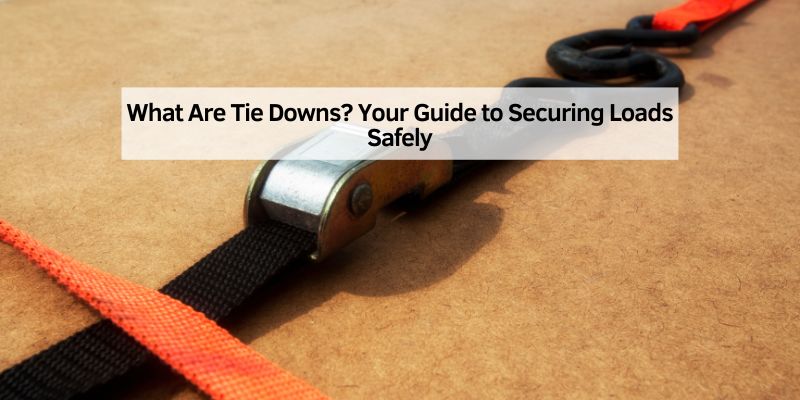
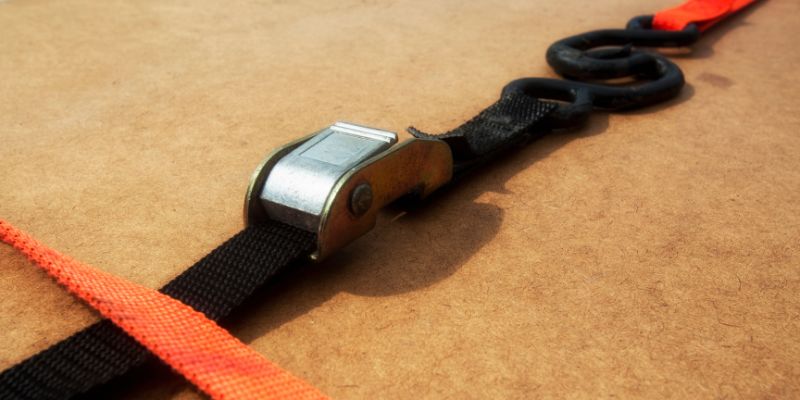
Cam buckle straps are lighter and easier to use than ratchet straps. You pull the strap through a buckle to tighten it. They’re great for medium loads like kayaks or bikes. I used cam straps to secure my canoe on a road trip—they’re quick and reliable. They’re not as strong as ratchet straps, though.
Bungee Cords
Bungee cords are stretchy cords with hooks on the ends. They’re perfect for light, temporary tie-downs, like securing a tarp or small gear. I keep a few in my truck for quick jobs. They’re not strong enough for heavy cargo, and they can lose elasticity over time.
Rope
Good old rope is versatile and cheap. I’ve used paracord to tie down camping gear in a pinch. It’s strong but requires knot-tying skills. I prefer ropes with a breaking strength of at least 500 pounds for safety. The downside? Knots can slip if you’re not careful.
Cargo Nets
Cargo nets are stretchy nets with multiple attachment points. They’re great for covering loose items, like bags or boxes. I used a cargo net to secure a pile of moving boxes in my truck bed. They’re not ideal for single heavy items but work well for odd-shaped loads.
Here’s a table to compare them:
| Type | Best For | Strength | Ease of Use |
|---|---|---|---|
| Ratchet Straps | Heavy loads (e.g., vehicles) | Very high (1,000-5,000 lbs) | Moderate |
| Cam Buckle Straps | Medium loads (e.g., bikes) | High (500-2,000 lbs) | Easy |
| Bungee Cords | Light loads (e.g., tarps) | Low (50-200 lbs) | Very easy |
| Rope | Versatile loads | Varies (200-1,000 lbs) | Requires skill |
| Cargo Nets | Loose or odd-shaped items | Medium (200-500 lbs) | Easy |
Choosing the Right Tie Down
Picking the right tie-down depends on your load. I’ve learned to match the tie down to the job. For heavy stuff like my ATV, I use ratchet straps with a high breaking strength. For lighter gear, like camping chairs, bungee cords, or cam straps, do the trick. Here’s what I consider:
- Weight: Check your load’s weight. The tie-down’s breaking strength should be at least twice the load’s weight. My 500-pound ATV needs straps with at least a 1,000-pound rating.
- Size and Shape: Big, bulky items need wide straps or nets. My motorcycle fits ratchet straps, but my toolbox works better with a cargo net.
- Vehicle Type: Trailers need tie downs with strong anchors. Truck beds need shorter straps. I use 6-foot ratchet straps for my truck bed.
- Weather: Wet straps can loosen. I use waterproof nylon straps for rainy trips.
- Distance: For long hauls, I choose stronger tie downs, like ratchet straps, to avoid loosening.
Always check the tie-down’s condition. I once used a frayed strap, and it snapped mid-trip. Inspect for wear and tear before every use.
How to Use Tie Downs Properly
Using tie downs correctly is key. I’ve had to redo setups because I rushed. Here’s my step-by-step process for securing a load:
- Position the Load: Place your cargo centrally on the trailer or truck bed. I put my dirt bike in the middle of my trailer for balance.
- Choose Anchor Points: Find strong anchor points on your vehicle, like D-rings or frame hooks. I use my trailer’s built-in D-rings for ratchet straps.
- Attach the Tie Downs: Hook or loop the tie downs through the anchor points and around the load. For my bike, I loop soft loops around the frame to protect it.
- Tighten Evenly: Tighten the tie downs gradually, alternating sides. I compress my bike’s suspension slightly to keep it stable.
- Check for Slack: Tug on the tie downs to ensure they’re snug. I shake my load to test for movement.
- Secure Loose Ends: Tie or tuck extra strap length to prevent flapping. I use bungee cords to hold strap tails.
Take your time. A rushed job leads to loose loads.
Tips for Safe Tie-Down Use
I’ve picked up some tricks to make tie downs work better. Here’s what I do:
- Use Soft Loops: For delicate items like motorcycles, soft loops prevent scratches. I wrap them around my bike’s frame.
- Double Up: For heavy loads, use two tie downs per side. I use four ratchet straps for my ATV.
- Check Often: Stop after 10-20 miles to recheck tie downs. They can loosen. I check every gas station stop.
- Avoid Twisting: Twisted straps lose strength. I smooth mine out before tightening.
- Protect Your Load: Use padding or blankets under tie downs to prevent damage. I put a towel under straps on my kayak.
These habits keep your cargo secure and undamaged.
Common Tie-Down Mistakes to Avoid
I’ve made plenty of mistakes with tie downs. Here’s what to steer clear of:
- Using Weak Tie Downs: Cheap straps break easily. I learned this when a $5 strap snapped on me.
- Over-Tightening: Too much tension can damage your load or tie downs. I only compress my bike’s suspension a third of the way.
- Poor Anchor Points: Weak anchors, like thin rails, can bend. I only use solid D-rings or frame points.
- Not Checking Straps: Old or frayed straps fail. I inspect mine before every trip.
- Uneven Tightening: Uneven straps cause shifting. I tighten both sides equally.
Avoid these, and your load will stay put.
Tie Downs for Different Loads
Different loads need different tie downs. Here’s how I handle common automotive loads:
Motorcycles
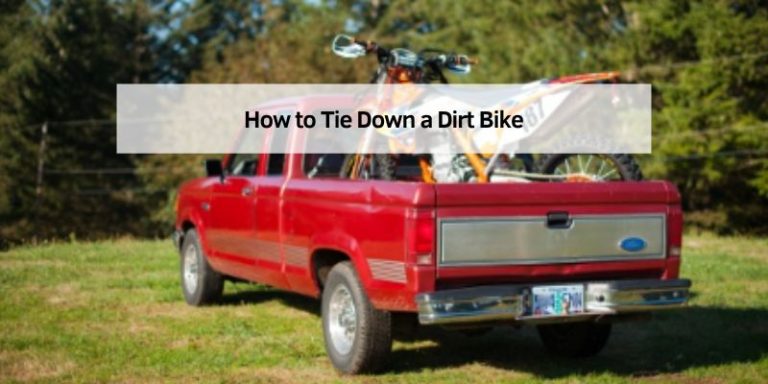
Motorcycles are heavy and delicate. I use four ratchet straps with soft loops to secure my dirt bike. Two straps go on the front forks, two on the rear frame. I compress the suspension slightly and use a wheel chock for stability.
ATVs and UTVs
ATVs are heavier than bikes. I use four heavy-duty ratchet straps with 3,000-pound strength. I attach them to the ATV’s frame and the trailer’s corners, tightening evenly. A front wheel chock helps.
Cars
Towing a car requires serious tie downs. I use axle straps or wheel nets with ratchet straps rated for 5,000 pounds. I secure each wheel to the trailer and check for movement. A tow dolly can reduce the need for straps.
Furniture and Boxes
For furniture, I use cargo nets or wide cam buckle straps. I wrap nets around stacks of boxes and strap furniture to the truck bed’s sides. Blankets prevent scratches.
Boats and Kayaks
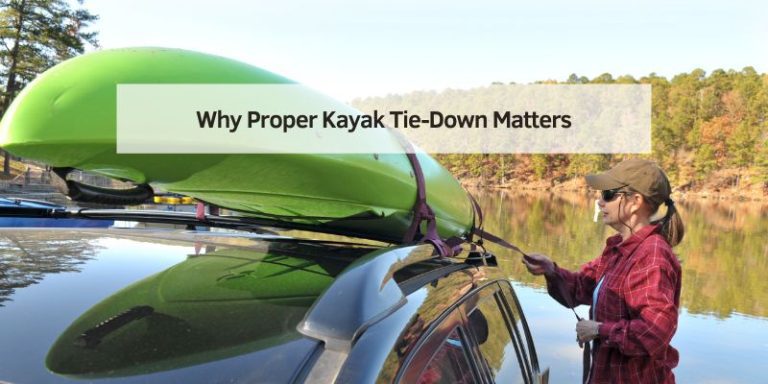
Kayaks are light but awkward. I use cam buckle straps or cargo nets, padding the contact points. For boats, I use heavy-duty ratchet straps tied to the trailer’s frame.
Legal Considerations
In the USA, cargo securement is regulated. I looked into this after a cop pulled me over for a loose load. The Federal Motor Carrier Safety Administration requires:
- Tie downs must have a working load limit (WLL) at least half the cargo’s weight.
- Loads must not shift or fall during transport.
- Tie downs must be in good condition—no fraying or damage.
Check your state’s laws too. Some have stricter rules. I carry extra straps to stay compliant.
Maintaining Your Tie Downs
Tie downs last longer with care. Here’s how I keep mine in shape:
- Clean Them: Wash straps with mild soap to remove dirt. I rinse mine after muddy trips.
- Store Dry: Wet straps get moldy. I dry mine completely before storing in a plastic bin.
- Check for Wear: Inspect for fraying or rust. I replace damaged straps yearly.
- Avoid Overloading: Don’t exceed the strap’s weight limit. I check the label before use.
- Keep Them Untangled: Tangled straps are a pain. I roll mine up after use.
Good maintenance saves money and keeps your tie downs reliable.
Where to Buy Quality Tie Downs
You can find tie downs at hardware stores, auto shops, or online. I’ve bought mine from places like Home Depot, Harbor Freight, and Amazon. Look for reputable brands like Keeper or Erickson. Check the breaking strength and read reviews. I paid $20 for a set of four ratchet straps, and they’ve lasted years.
My Tie-Down Stories
One of my favorite trips was hauling my dirt bike to a race in Nevada. My ratchet straps and wheel chock kept it rock-solid over 500 miles of bumpy roads. But I’ve had mishaps too—like when a bungee cord snapped and my camping gear went flying. Checking my tie downs saved the day on later trips. I hope my stories help you get it right the first time.
Conclusion
Tie downs are your ticket to safe, stress-free hauling. Whether you’re securing a motorcycle, furniture, or a boat, the right tie downs keep your load steady and your vehicle safe. From ratchet straps to bungee cords, each type has its place. Choose strong, reliable tie downs, use them properly, and check them often. Avoid my early mistakes, like using weak straps or rushing the setup, and you’ll be golden.
I love the freedom of hitting the road with my gear securely tied down. It’s a small step that makes big adventures possible. I hope this guide gives you the confidence to strap down your cargo and enjoy the journey. Load up, tie down, and drive safe!
FAQs
What are tie downs use d for?
Tie downs secure cargo to a vehicle or trailer. They stop loads from shifting or falling during transport.
What’s the best tie-down for a motorcycle?
Ratchet straps with soft loops are best. I use four straps with 2,000-pound strength to secure my bike.
Can I use bungee cords for heavy loads?
No, bungee cords are for light loads. They’re not strong enough for things like motorcycles or furniture.
How many tie downs do I need?
Use at least four for heavy loads like vehicles. Two on each side, tightened evenly, work best.
How do I know if a tie-down is strong enough?
Check the breaking strength on the label. It should be at least twice your load’s weight.
What happens if I don’t use tie downs?
Your load could shift, damage your vehicle, or cause an accident. You might also get fined.
How often should I check my tie downs?
Check before driving, after 10-20 miles, and at every stop. Straps can loosen on the road.