What Color Is The Low Air Pressure Warning Light: Essential Guide
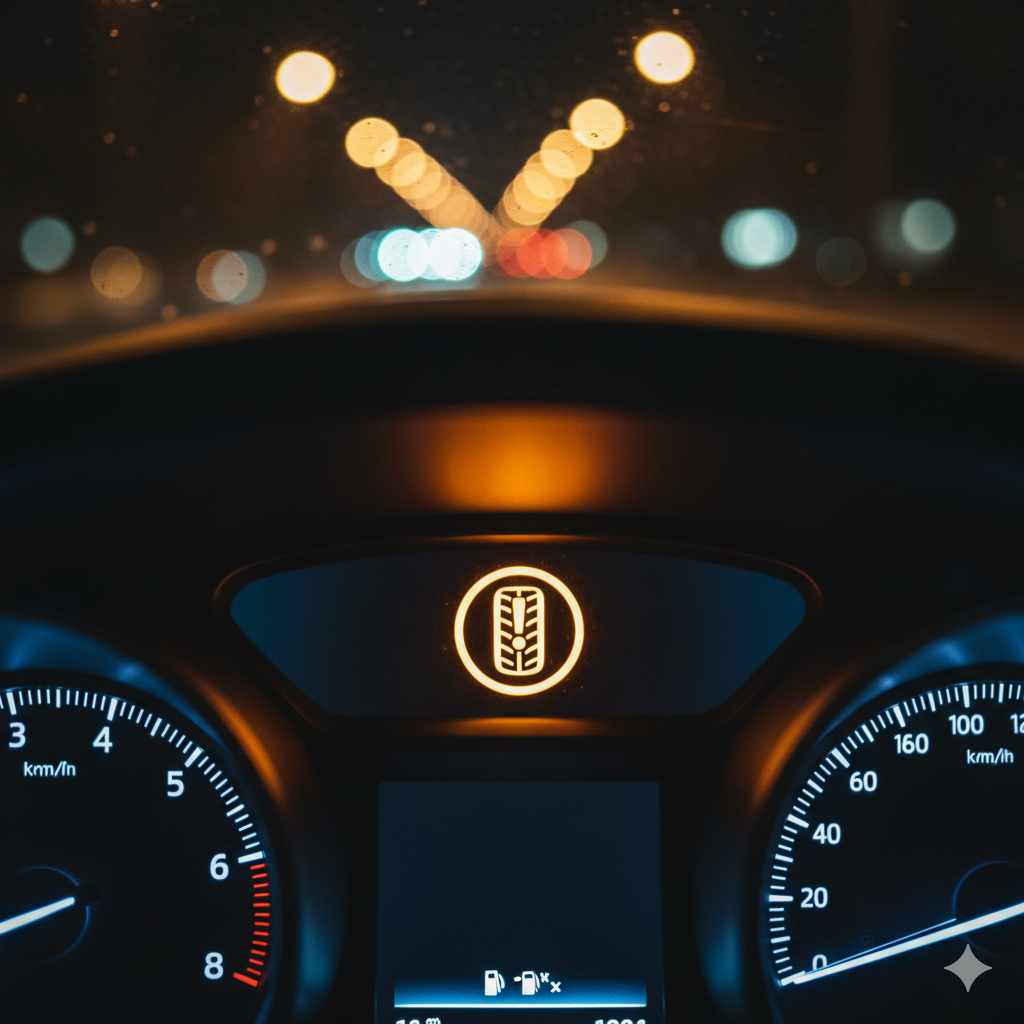
The low air pressure warning light on your dashboard is typically amber or yellow. Seeing this light means your tire pressure needs immediate attention to ensure safety and optimal vehicle performance. Don’t worry, this guide will help you understand it and what to do next.
Hey there, DIY homeowner! Ever glance at your dashboard and see a curious little light pop on? It can be a bit unnerving, especially when you’re not sure what it means. One that often causes a bit of head-scratching is the low air pressure warning light. It’s usually a friendly, yet important, amber or yellow indicator. Seeing it doesn’t have to be a cause for panic. Think of it like a gentle tap on the shoulder from your car, letting you know it’s time for a quick check of your tires. We’ll walk through exactly what this light signifies and the simple steps you can take to address it, just like we tackle any home project with clear instructions and a bit of know-how. By the end of this, you’ll feel confident in understanding and handling this common automotive alert.
Understanding Your Tire Pressure Warning Light (TPMS)
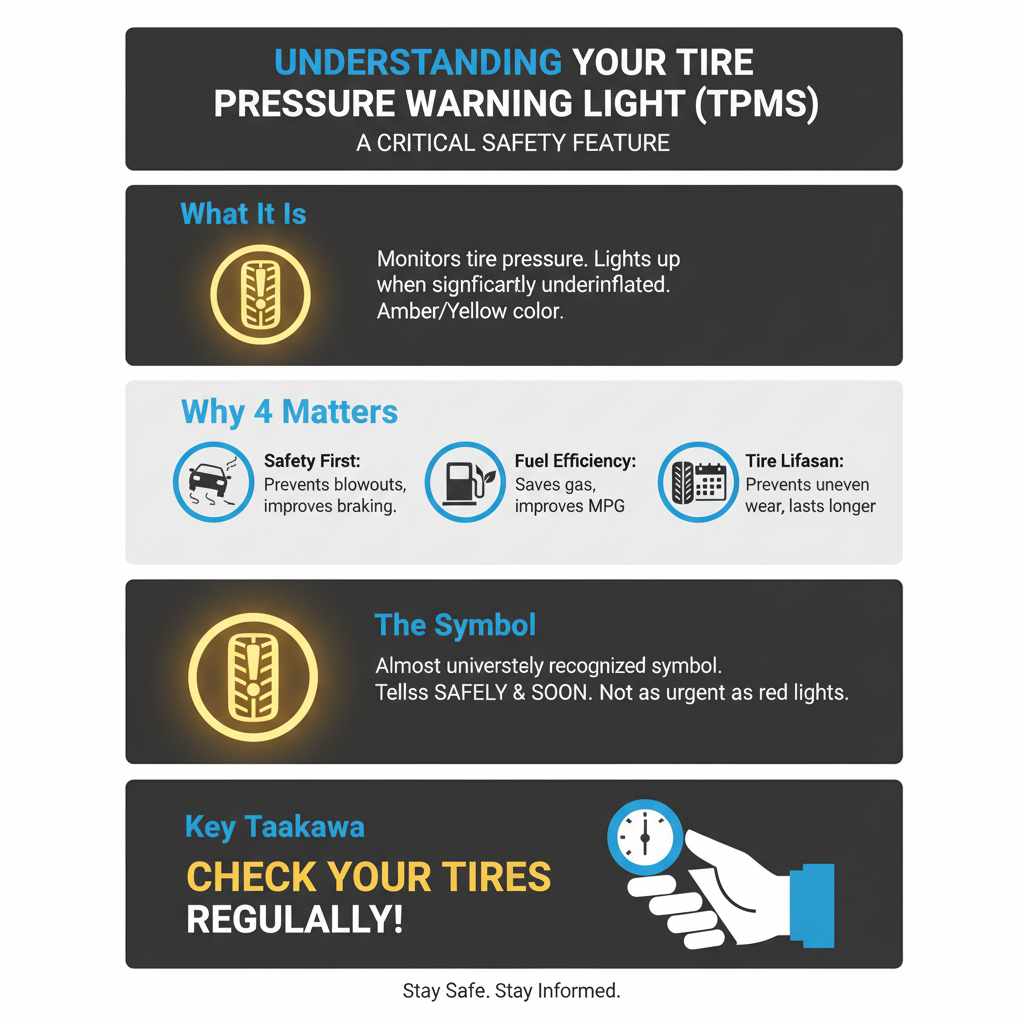
That little light you’re seeing is part of your car’s Tire Pressure Monitoring System, or TPMS. It’s a safety feature designed to alert you when one or more of your tires are significantly underinflated. This is super important because driving on underinflated tires can be dangerous. It affects how your car handles, can lead to poor fuel economy, and significantly increases the risk of a blowout. Your TPMS is there to help you avoid these issues by giving you an early warning.
What Does the Light Look Like?
The low air pressure warning light is almost universally depicted as a cross-section of a tire with an exclamation mark in the middle. It’s usually illuminated in an amber or yellow color. While the exact design might vary slightly from one car manufacturer to another, the symbol itself is quite standard. You’ll find it among the other dashboard indicators that monitor your vehicle’s systems.
It’s crucial to recognize this symbol immediately. Unlike a red warning light, which often signifies a more urgent or critical issue, the amber/yellow TPMS light is a heads-up. It’s telling you to check your tires as soon as it’s safe to do so, rather than immediately pulling over to the side of the road unless you suspect a serious problem.
Why Is Tire Pressure So Important?
Just like a sturdy foundation is vital for a house, proper tire inflation is crucial for your car’s performance and your safety. Here’s why it matters:
- Safety First: Underinflated tires can overheat and lead to a dangerous blowout. They also reduce your car’s ability to brake effectively and handle turns.
- Fuel Efficiency: When tires aren’t properly inflated, your engine has to work harder to move the car. This means you’ll be visiting the gas station more often. Properly inflated tires can significantly improve your miles per gallon (MPG).
- Tire Lifespan: Driving on underinflated tires causes them to wear unevenly and prematurely. This means you’ll be buying new tires sooner than you’d like.
- Ride Comfort: Properly inflated tires contribute to a smoother and more comfortable ride.
Think of your tires as the connection between your vehicle and the road. If that connection isn’t optimal, everything else is affected. Maintaining the correct tire pressure is one of the simplest yet most effective ways to ensure your car is running safely and efficiently.
Common Causes for the Low Air Pressure Warning Light
Seeing that amber light doesn’t always mean you have a flat tire. There are several common reasons why your TPMS might activate:
- Actual Low Tire Pressure: This is the most straightforward reason. The air pressure in one or more tires has dropped below the safe operating level. This can happen due to gradual air loss, punctures, or significant temperature changes.
- Temperature Fluctuations: Air inside your tires contracts when it’s cold and expands when it’s hot. If you’ve had a sudden drop in outside temperature, your tire pressure could have decreased, triggering the light. For every 10°F (5.6°C) drop in ambient temperature, tire pressure can decrease by about 1 PSI.
- Recently Filled Tires: Sometimes, after refilling your tires, the TPMS sensor might take a little while to reset. In some vehicles, you might need to drive a short distance for the system to recognize the corrected pressure.
- Spare Tire Issues: If your car has a full-size spare tire, and it’s also equipped with a TPMS sensor, low pressure in the spare can trigger the warning light.
- TPMS Sensor Malfunction: Though less common, the TPMS sensor itself or its battery could be failing. This would mean the system isn’t accurately reading your tire pressure, or it’s sending a false alert.
- Significant Tire Damage: While the light is for low pressure, if you have a slow leak from a nail or a damaged valve stem, the pressure will drop over time and trigger the light.
How to Check Your Tire Pressure
Checking your tire pressure is a simple task, much like ensuring your tools are sharp and ready before starting a woodworking project. You’ll need a reliable tire pressure gauge. These are inexpensive and readily available at auto parts stores or even some larger supermarkets. Digital gauges are very popular for their ease of use and accuracy.
What You’ll Need:
- Tire Pressure Gauge: Digital or analog.
- Vehicle’s Recommended Tire Pressure: This is crucial information!
Where to Find Your Vehicle’s Recommended Tire Pressure:
This is one of the most important pieces of information for your car. You won’t find it on the tire itself (that’s the maximum pressure the tire can hold). Instead, look for a sticker, usually located on the:
- Driver’s Side Doorjamb: This is the most common location. Open your driver’s door and look at the pillar where the door latches.
- Glove Compartment Door: Some manufacturers place the sticker here.
- Fuel Filler Door: Less common, but possible.
- Owner’s Manual: If you can’t find a sticker, your owner’s manual will have this information.
The sticker will list the recommended “cold tire inflation pressure” for your front and rear tires, and sometimes for the spare. “Cold” means the tires haven’t been driven on for at least three hours, or for less than a mile at moderate speed. This is because driving heats up the tires and increases the air pressure inside.
Step-by-Step Guide to Checking Tire Pressure:
Here’s how to get an accurate reading:
- Ensure Tires are Cold: Ideally, check your tires first thing in the morning before driving. If you’ve been driving, let them cool down for at least three hours.
- Locate the Valve Stem: Each tire has a small, black or metal cap on its rim. This is the valve stem.
- Remove the Valve Stem Cap: Unscrew the cap and set it aside in a safe place (like your pocket) so you don’t lose it.
- Attach the Tire Pressure Gauge: Press the gauge firmly onto the valve stem. You might hear a slight hiss of air, which is normal. Hold it steady for a second or two until the gauge registers a reading.
-
Read the Pressure:
- Digital Gauge: The number will appear on the screen.
- Analog Gauge: A small bar or needle will indicate the pressure.
- Compare to Recommended Pressure: Check the reading against the recommended PSI (pounds per square inch) found on your vehicle’s sticker.
-
Adjust Pressure if Necessary:
- If pressure is too low: You’ll need to add air. Most gas stations have air pumps. You can also use a portable air compressor. Add air in short bursts, re-checking the pressure frequently until it reaches the recommended level.
- If pressure is too high: Gently press the small pin in the center of the valve stem with the back of the gauge or a fingernail to release air. Release a little at a time, then re-check until you reach the correct PSI.
- Replace the Valve Stem Cap: Screw the cap back onto the valve stem tightly. This protects the valve from dirt and moisture.
- Repeat for All Tires: Don’t forget to check all four tires, and the spare if applicable.
Once you’ve adjusted the pressure, drive your car for a few miles. The TPMS light should turn off on its own. If it stays on, there might be another issue, or one of the tires might still be low.
When to Seek Professional Help
While checking and inflating your tires is a straightforward DIY task, there are times when you should call in the experts. It’s similar to knowing when a DIY home repair might be beyond your comfort zone and better left to a professional contractor.
Signs You Need Professional Assistance:
- TPMS Light Stays On After Adjusting Pressure: If you’ve confirmed all tires are at the correct pressure and the light persists, there might be an issue with a TPMS sensor or the system itself.
- Tire is Visibly Flat or Damaged: If a tire is obviously flat, has a large gash, or looks damaged, do not drive on it. Call for roadside assistance or a tow truck.
- Frequent Air Loss: If you find yourself constantly having to add air to a tire, it likely has a slow leak that needs professional repair. This could be a puncture, a faulty valve stem, or a damaged wheel rim.
- Unsure About the TPMS System: If you’re not comfortable with the TPMS system or suspect a malfunction, a mechanic can diagnose and fix it.
- Tire Sidewall Damage: Any bulges, cuts, or cracks on the sidewall of your tire are serious issues and require immediate replacement by a professional.
When in doubt, it’s always best to consult your vehicle’s owner’s manual or visit a trusted mechanic. They have the specialized tools and knowledge to properly diagnose and repair any TPMS issues or tire problems.
TPMS Resetting and Calibration
After adjusting tire pressures, your TPMS light should reset automatically. However, some vehicles require a manual reset procedure. This varies significantly by make and model.
Common Reset Methods:
- Driving: As mentioned, most modern cars will reset the TPMS light after you drive for a short period (typically 5-15 minutes) at speeds above 15-20 mph. The system recalibrates itself.
- Manual Reset Button: Some older vehicles might have a physical button, often located under the dashboard or near the steering column, that you need to press and hold to reset the system. Check your owner’s manual for its location.
- Infotainment System: Many newer vehicles allow you to reset the TPMS through the car’s infotainment or settings menu. Navigate through the menus to find the “Vehicle Settings,” “Tire Pressure,” or “TPMS” option and select “Reset.”
- Specialized Tool: In some cases, a mechanic or tire shop might need to use a specialized diagnostic tool to communicate with the TPMS control module and reset it, especially after replacing sensors.
Always refer to your vehicle’s owner’s manual for the specific procedure for your car. For instance, if you recently had new tires installed or rotated your wheels, the sensors might need to be recalibrated by a professional to ensure they are correctly communicating with the car’s computer.
Understanding Tire Pressure Variations by Season
The temperature outside has a direct impact on your tire pressure. This is a principle that applies to many things, from the expansion of wood in different climates to the pressure in your car’s tires.
Cold Weather: As the temperature drops, the air inside your tires contracts, causing the pressure to decrease. For every 10°F (5.6°C) drop in ambient temperature, tire pressure can fall by about 1 PSI. This is why the TPMS light is more likely to come on during colder months, especially after a sudden cold snap. It’s essential to check and adjust your tire pressure more frequently during fall and winter.
Hot Weather: Conversely, when temperatures rise, the air inside your tires expands, increasing the pressure. While this might seem less problematic, overinflated tires can also cause issues, such as a harsher ride and uneven wear. Additionally, driving at high speeds for extended periods generates heat within the tires, further increasing pressure. Ensure you don’t over-inflate in hot weather; stick to the recommended cold tire pressure.
Seasonal Check-Up: It’s a good practice to check your tire pressure at the start of each season, especially when transitioning from warmer to colder months and vice-versa. This proactive approach can prevent the TPMS light from coming on unexpectedly and ensures your tires are always at their optimal pressure for safety and performance.
TPMS Sensor Types and Maintenance
There are two main types of TPMS systems found in vehicles:
1. Direct TPMS
Direct TPMS uses individual pressure sensors mounted on each wheel, inside the tire. These sensors measure the actual air pressure and temperature in each tire and transmit this data wirelessly to the car’s central computer.
- Pros: Provides very accurate, real-time pressure readings for each specific tire. Can often identify which tire is low.
- Cons: Sensors are battery-powered and have a lifespan of about 5-10 years. Replacing a sensor can be more expensive. Sensors can be damaged during tire installation or removal if not handled carefully.
2. Indirect TPMS
Indirect TPMS does not use dedicated pressure sensors. Instead, it uses the car’s Anti-lock Braking System (ABS) wheel speed sensors. The system infers tire pressure by monitoring how quickly each wheel is rotating. If a tire is underinflated, it will have a slightly smaller diameter and will spin faster than the others.
- Pros: No batteries to replace, generally less expensive to maintain.
- Cons: Less accurate than direct TPMS. It can only detect a significant pressure loss, not small gradual leaks. It cannot tell you which specific tire is low without further diagnostics. It may not work correctly if all tires are equally underinflated or if you have a full-size spare.
TPMS Sensor Maintenance Tips:
- Valve Stem Inspection: The rubber valve stems on direct TPMS sensors can degrade over time. It’s recommended to replace these whenever you get new tires, even if the sensors themselves are still functioning.
- Battery Replacement: When the battery in a direct TPMS sensor dies (usually indicated by a persistent TPMS warning light and sometimes a specific sensor error code), the entire sensor unit typically needs to be replaced.
- Proper Installation: If you’re having tires mounted or dismounted, ensure the technician is experienced with TPMS systems to avoid damaging the sensors.
- Regular Checks: Even with TPMS, it’s wise to manually check your tire pressure at least once a month. This ensures you catch any issues the TPMS might miss or that are developing slowly. For more information on vehicle maintenance, the National Highway Traffic Safety Administration (NHTSA) provides excellent resources on tire safety: NHTSA Tire Safety.
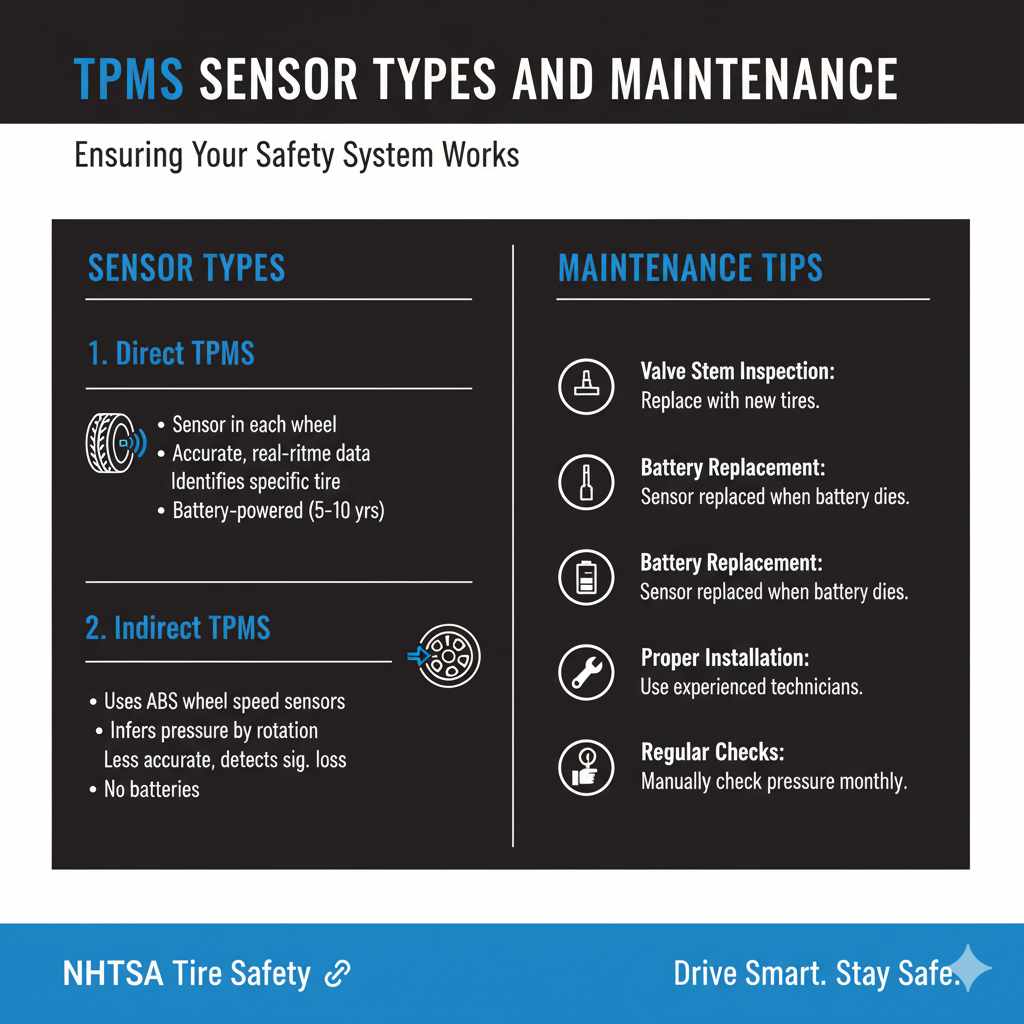
Table: Common Dashboard Warning Lights and Their Meanings
It’s helpful to know your dashboard lights. While the TPMS light is amber, other lights can appear. Here’s a quick reference table:
| Warning Light Symbol | Color | Meaning | Action Required |
|---|---|---|---|
| Exclamation Mark inside a tire cross-section | Amber/Yellow | Low Tire Pressure (TPMS) | Check tire pressure immediately. Inflate to recommended levels. |
| Oil Can | Red | Low Engine Oil Pressure | Stop driving immediately and turn off the engine. Check oil level. |
| Battery symbol | Red | Battery Charging System Fault | Check battery and charging system. May need immediate service. |
| “!” or Brake symbol | Red | Brake System Warning | Check brake fluid level and parking brake. Seek professional inspection if light persists. |
| Engine outline | Amber/Yellow | Check Engine Light (Malfunction Indicator Lamp – MIL) | Indicates a potential issue with engine, emissions, or transmission. Schedule diagnostic check. |
| Steering wheel with exclamation mark | Amber/Yellow | Power Steering System Warning | Check power steering fluid. May indicate a leak or pump issue. |
Understanding these lights is a key part of being a responsible driver and homeowner. Just like knowing which tools to use for a specific home repair, knowing your car’s warning lights helps you respond appropriately and keep your vehicle in good working order.
Frequently Asked Questions (FAQ) About Low Air Pressure Warning Lights
Here are some common questions homeowners have about their car’s low air pressure warning light:
Q1: My TPMS light just came on after driving on a cold morning. Do I have a flat tire?
A: Not necessarily! As temperatures drop, the air inside your tires contracts, reducing pressure. This is a very common reason for the TPMS light to illuminate in colder weather. Check your tire pressure with a gauge; you’ll likely find it just needs a bit of air. Once you inflate them to the recommended PSI, the light should go off after a short drive.
Q2: How often should I check my tire pressure manually?
A: It’s a good habit to manually check your tire pressure at least once a month and before any long road trips. Also, check them at the beginning of each season, especially when transitioning into colder weather.
Q3: Can I just ignore the low air pressure warning light?
A: No, it’s not recommended to ignore the low air pressure warning light. Driving on underinflated tires is unsafe, reduces fuel efficiency, and can cause premature tire wear. It’s important to address the issue promptly.
Q4: My TPMS light is on, but all my tires look fine. What else could it be?
A: If your tires look properly inflated and the light stays on after checking and adjusting pressure, there could be a few other reasons: a slow leak in one tire, a faulty TPMS sensor, or an issue with the TPMS system itself. It’s best to have a mechanic check it out.
Q5: Does the TPMS light come on if my spare tire is low on air?
A: This depends on whether your spare tire is equipped with a TPMS sensor. Most full-size spare tires are, but temporary or “donut” spares often are not. If your spare has a sensor and is low, the TPMS light will illuminate.
Q6: How long does a TPMS sensor battery last?
A: The batteries in direct TPMS sensors typically last between 5 to 10 years, depending on the sensor’s quality and usage. Once the battery dies, the entire sensor unit usually needs to be replaced.
Q7: Can I reset the TPMS light myself?
A: Yes, in many cases! After ensuring your tires are properly inflated, you can often reset the light by driving for a few minutes at a moderate speed (check your owner’s manual). Some vehicles also have a manual reset button or an option within the car’s infotainment system to perform a reset.
Conclusion
So, there you have it! The low air pressure warning light, typically amber or yellow, is your car’s way of giving you a friendly heads-up about your tires. It’s a crucial safety feature that helps prevent dangerous situations, improves your gas mileage, and extends the life of your tires. By understanding what the light means, knowing how to check your tire pressure with a simple gauge, and recognizing when to seek professional help, you’re well-equipped to handle this common dashboard alert.
Remember, maintaining the correct tire pressure is one of the easiest and most impactful DIY car maintenance tasks you can perform. It’s a small effort that contributes significantly to your safety on the road. Keep that owner’s manual handy for specific details about your vehicle, and don’t hesitate to perform those regular checks. Just like a well-maintained tool makes a woodworking project smoother, well-maintained tires make your driving experience safer and more efficient. You’ve got this!