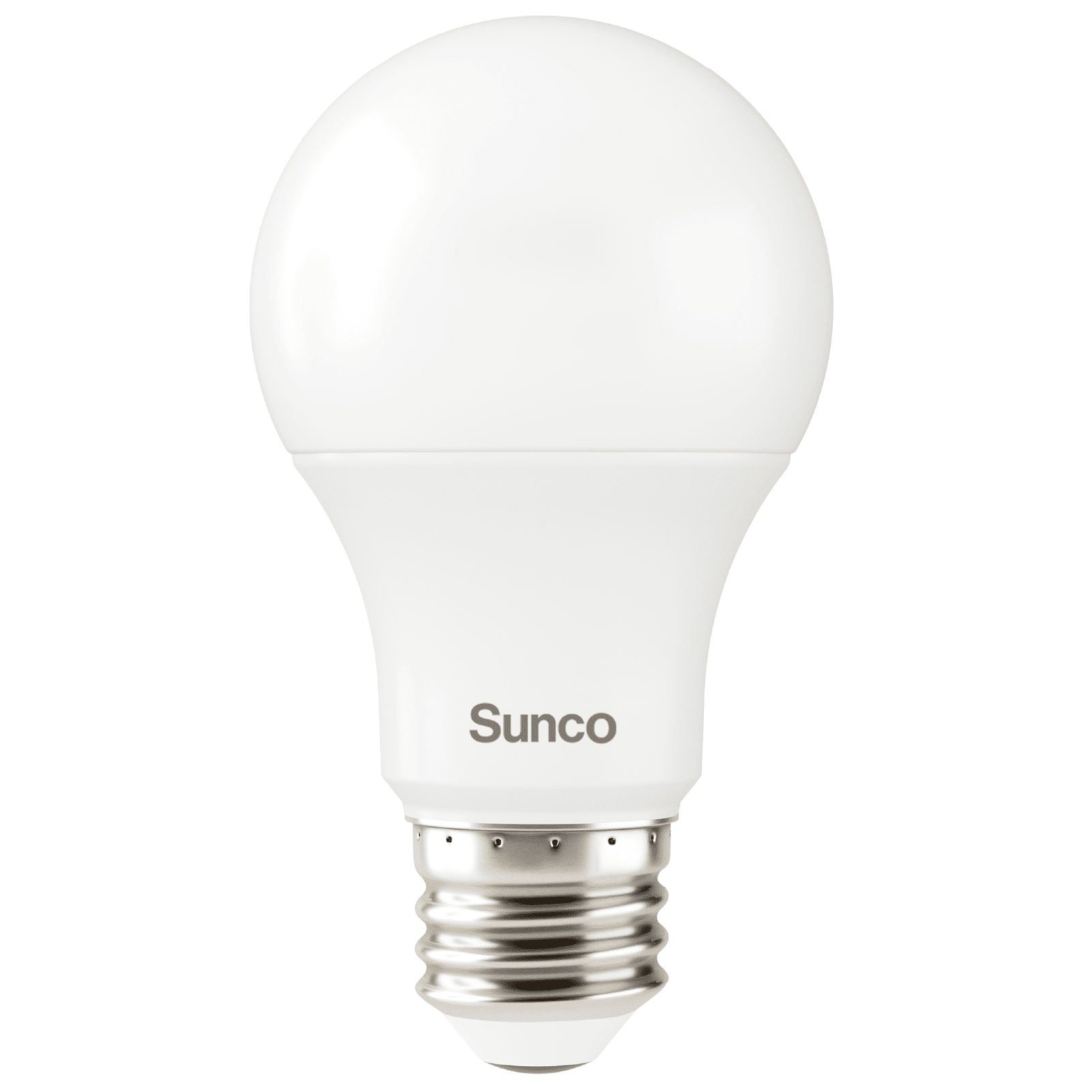
What is a Led Light Bulb: A Comprehensive Guide
Have you ever wondered what makes LED light bulbs stand out among other lighting options? If you’re looking to brighten your home or save on electricity bills, understanding LED light bulbs might be your next step.
Imagine illuminating your space efficiently while being eco-friendly and cost-effective. It’s not just about light; it’s about smarter lighting. As you dive into the world of LED bulbs, you’ll discover how they can transform your environment and enhance your lifestyle.
Keep reading to unlock the secrets of LED technology and see why switching to LED could be one of the best decisions for you and your home.
Credit: en.wikipedia.org
What Is Led Technology
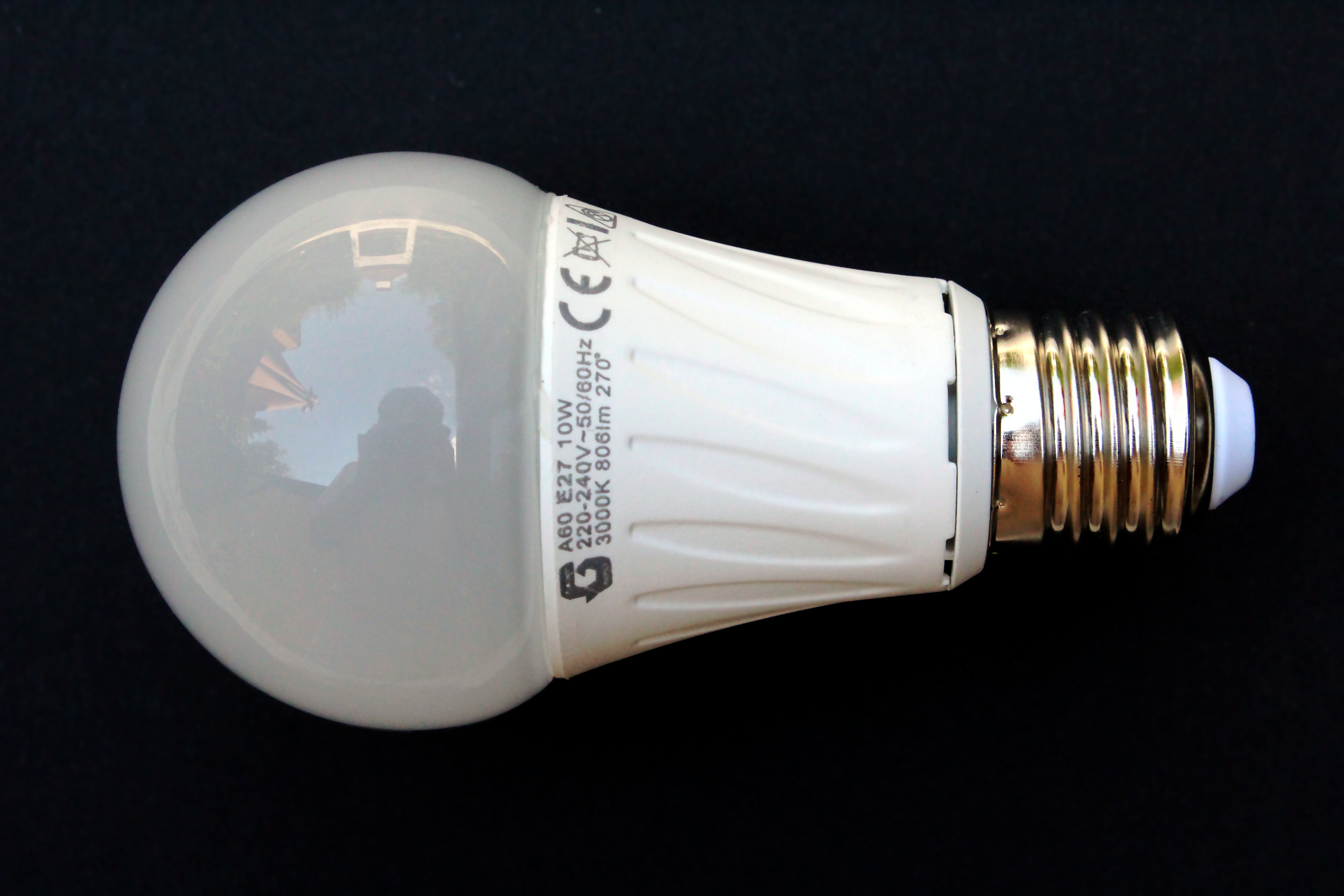
LED stands for Light Emitting Diode. It is a small light source. LEDs use a special process to make light. They need a small amount of electricity. This makes them very efficient. LEDs are also long-lasting. They can work for many hours without burning out. This is why LEDs are popular in homes and offices. They save energy and money.
LEDs have two parts called semiconductors. When electricity passes through, light appears. This process is called electroluminescence. The light is bright and clear. Different materials make different colors. This is why LEDs can be red, blue, or green. Some LEDs change colors. They are used in special lights and displays.
History Of Led Bulbs
LED bulbs were first created in the 1960s. They only emitted red light. Scientists were amazed by their long lifespan and low heat. Nick Holonyak invented the first practical LED. He worked with General Electric. His invention changed the way we see light. Early LEDs were costly and not very bright. They could only be used in small devices.
Technology made LED bulbs much better. Today, they come in many colors. White LEDs are the most popular now. They are used in homes and offices. These bulbs save energy and last longer than old ones. Prices have dropped, making them affordable. People like them because they are eco-friendly. They help reduce electricity bills. They also produce less heat, making them safe. Modern LEDs are used in cars, screens, and more.
Types Of Led Bulbs
Standard LED bulbs fit in most lamps. They are energy-efficient and last a long time. These bulbs come in different colors. Some are bright white. Others are soft yellow. Many people use standard LED bulbs at home. They save money on electricity bills. It’s easy to switch from old bulbs to LED ones.
Smart LED bulbs connect to your phone. You can change their color with an app. These bulbs can be set to turn on or off at certain times. They are fun and useful. Smart bulbs can make your home look cool. They are also great for saving energy. Many people like these bulbs for their features.
Specialty LEDs have unique shapes and uses. Some are small and fit in string lights. Others are large for outdoor spaces. Specialty bulbs can be used in art and decor. They give your home a special touch. These LEDs are popular for events. People choose them for their versatility.

Credit: www.ikea.com
Benefits Of Led Bulbs
LED bulbs use much less energy. They save electricity. This means lower bills. Traditional bulbs waste energy. LEDs use it well. They are smart choices for homes. Save money and energy with LEDs.
LED bulbs last a long time. They can shine for many years. Traditional bulbs burn out fast. You change them often. LEDs need less changing. Save time and money. Enjoy bright light for longer.
LEDs are kind to our planet. They use less power. This means less pollution. Traditional bulbs have harmful chemicals. LEDs are safe and clean. Better for Earth. Choose LEDs for a greener world.
Comparing Led And Traditional Bulbs
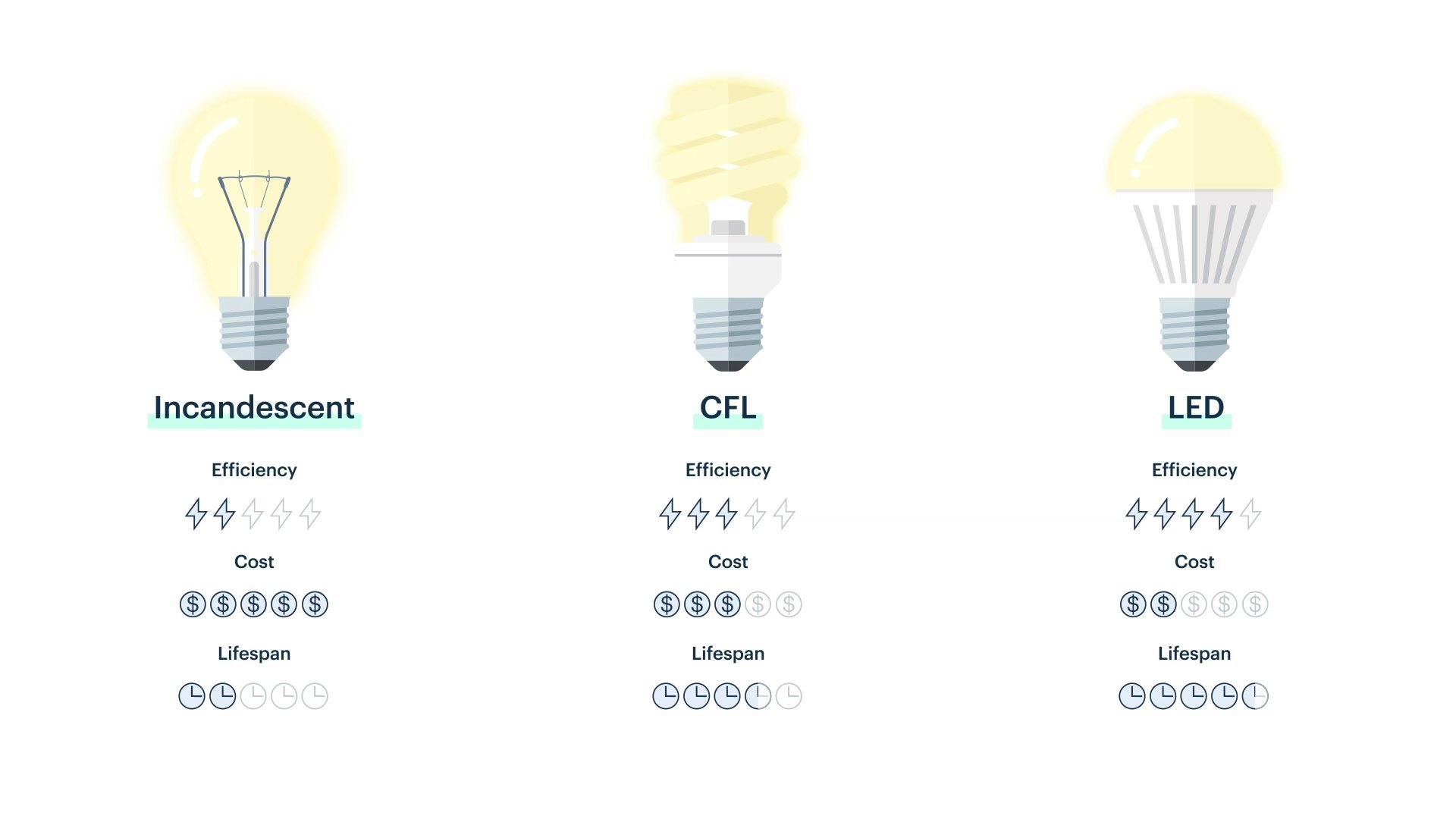
LED bulbs might cost more at first. But they save money later. LEDs use less energy. This means smaller electricity bills. Traditional bulbs waste energy. They produce more heat. This costs more money over time.
LED bulbs shine bright right away. No waiting for them to warm up. They also come in many colors and shapes. Traditional bulbs take longer to reach full brightness. They usually offer fewer color choices. LEDs provide better lighting options.
LED bulbs last much longer than traditional bulbs. Some LEDs can last up to 25,000 hours. Traditional bulbs might only last 1,000 hours. LEDs are more durable. They handle bumps and drops better. This makes them a smart choice for many homes.
Applications Of Led Bulbs
LED bulbs are used in homes for bright light. They save energy and last long. Many people use them in living rooms and bedrooms. They come in different colors. Families like them for reading lights. LEDs also fit kitchen and bathroom lights. They are safe and do not get hot. This makes them good for children’s rooms.
Many businesses use LED bulbs for lighting. Shops and offices find them cost-effective. They are bright and help save money on bills. LEDs are used in signs and displays. They shine brightly and catch attention. Malls and restaurants use them to create a good mood. LED lighting is reliable and needs little maintenance.
LED bulbs are great for outdoor lights. They light up gardens and paths. People use them for security lights. LEDs are strong and do not break easily. They work well in rain and snow. Streetlights and parking lots use them too. LED lighting keeps places safe and visible at night.
Choosing The Right Led Bulb
LED bulbs have different brightness levels. Measured in lumens, more lumens mean brighter light. A room needs different brightness. Living rooms need medium brightness. Kitchens need brighter bulbs. Compare lumens before buying. Choose the best for your room.
Color temperature affects mood. It is measured in Kelvin. Warm colors are cozy. Cool colors are fresh. Bedrooms need warm lights. Offices need cool lights. Pick the right color for your space.
Check the bulb’s compatibility with fixtures. Some bulbs fit certain sockets. Others are universal. Look at socket type before buying. Ensure your fixture matches the bulb. Avoid buying incompatible bulbs.
Credit: www.arcadia.com
Installation And Maintenance
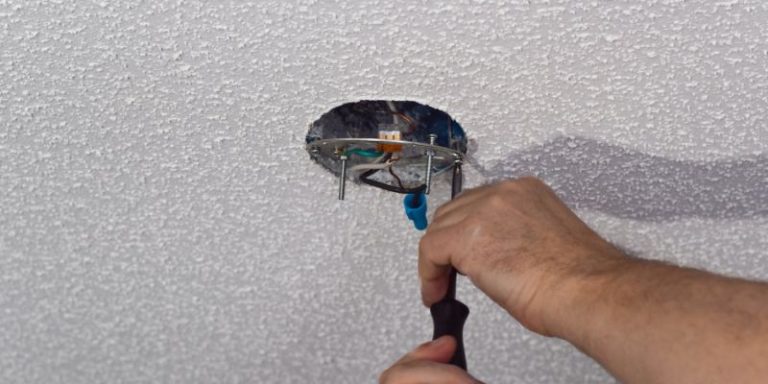
LED light bulbs are easy to install. First, turn off the power. Remove the old bulb by twisting it counterclockwise. Then, take the new LED bulb. Carefully insert it into the socket. Twist it clockwise until it is snug. Turn the power back on. The bulb should light up immediately.
LED bulbs sometimes flicker. Check if the bulb is tightly screwed. A loose bulb may cause flickering. If the bulb does not light up, check the power source. Ensure the socket is working. Try a different bulb to test the socket. Check for burned out bulbs. Replace them if needed. If issues persist, consult an expert. They can find the problem easily.
Future Trends In Led Lighting
LED lights are getting smarter. They can change colors. They can even connect to Wi-Fi. This means you can control them with your phone. Smart LEDs can also save more energy. They last longer than regular bulbs. Some LEDs can even adapt to your mood. They can change brightness on their own. This makes them very special.
LED lights are becoming more popular. Many people want them in their homes. This is because they save money on bills. They are also good for the planet. More companies are making LED bulbs now. This means they are getting cheaper. As more people buy LEDs, the market grows. In the future, almost every home will have LED lights.
Frequently Asked Questions
What Is The Difference Between Led And Regular Light Bulbs?
LED bulbs use less energy and last longer than regular incandescent bulbs. They emit light using semiconductors, while incandescent bulbs use heated filaments. LED bulbs are more efficient, environmentally friendly, and often brighter. Regular bulbs generate more heat and have a shorter lifespan, impacting overall energy consumption and costs.
What Is The Downside Of Led Lights?
LED lights can emit blue light, potentially disrupting sleep patterns. They may flicker, causing headaches in sensitive individuals. Initial costs are higher compared to traditional bulbs. Some LEDs may not dim smoothly. Disposal requires care due to electronic components.
What Is A Led Light Bulb Used For?
LED light bulbs are used for energy-efficient and long-lasting illumination in homes, offices, and outdoor spaces. They provide bright lighting while consuming less power compared to traditional bulbs, making them cost-effective and environmentally friendly. LED bulbs also come in various colors and designs, suitable for decorative and functional purposes.
Can I Put Led Bulbs In Any Light Fixture?
Yes, you can use LED bulbs in most light fixtures. Ensure compatibility with the fixture’s wattage and size. Check for dimmability if needed. LEDs are energy-efficient and long-lasting, making them a smart choice for upgrading your lighting. Always follow manufacturer guidelines for optimal performance and safety.
Conclusion
LED light bulbs offer many benefits. They save energy and last longer. They are cost-effective in the long run. Bright and versatile, they suit any space. LED bulbs are eco-friendly too. They reduce your carbon footprint. Consider switching to LED for better lighting.
It’s a smart choice for homes and offices. Easy to install and maintain. LED light bulbs are a modern solution. Make your space brighter and greener today. Enjoy the advantages of LED lighting. Your wallet and the planet will thank you.