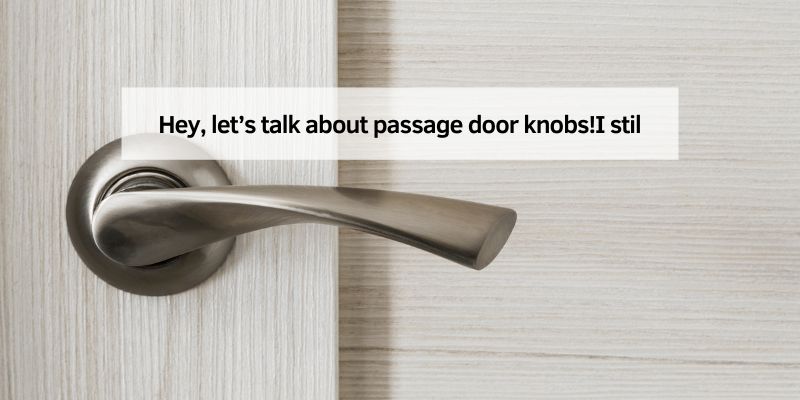
Hey, let’s talk about passage door knobs!I stil
l remember my first home project—swapping out an old, wobbly door knob in my hallway. I was confused about what kind to buy until I learned about passage door knobs. These simple knobs are everywhere in homes, and they’re super easy to use. In this article, I’ll explain what is a passage door knob, why it’s useful, and how you can pick or install one. Whether you’re fixing a door or decorating your home, I’ll share tips to make it fun and easy. Let’s get started!
What Is a Passage Door Knob?
A passage door knob is a knob that opens a door without locking. You turn it, and the door opens—simple as that! It’s perfect for rooms like hallways, closets, or living areas where you don’t need a lock. I love how these knobs make moving around a home smooth and hassle-free. They’re different from privacy knobs, which lock for rooms like bathrooms.
Passage knobs come in many styles, like round, oval, or lever shapes. You can find them in shiny brass, sleek nickel, or even fun colors. They’re built to be easy to use for kids, adults, and even pets who nudge doors open!
Why Use a Passage Door Knob?
Passage door knobs are great for rooms everyone uses. They keep things open and welcoming. For example, I put one in my living room so my kids can run in and out without getting stuck. They’re also affordable, usually costing $10–$30, depending on the style.
Unlike privacy knobs, passage knobs don’t lock, so there’s no worry about losing keys. They’re safe for kids’ rooms since no one can get locked inside. But they’re not ideal for private spaces like bedrooms or bathrooms.
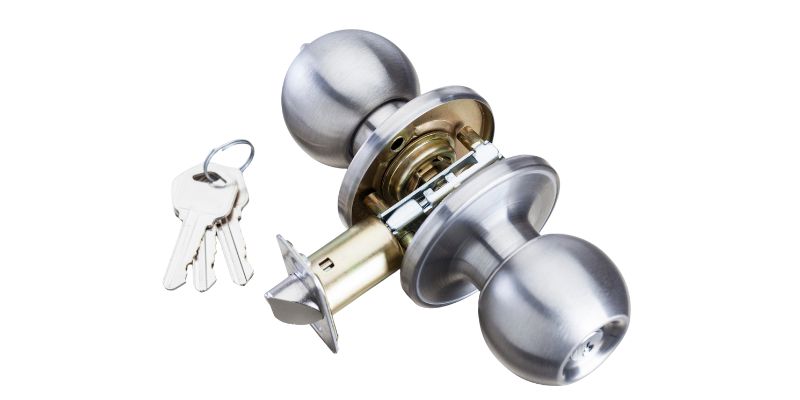
How to Choose the Right Passage Door Knob
Picking a passage door knob is fun but can feel tricky. Here’s how I do it:
- Match your style: Choose a knob that fits your home’s look, like modern or classic.
- Check the material: Brass or stainless steel lasts longer than plastic.
- Think about ease: Lever knobs are easier for kids or people with weak hands.
I once picked a shiny brass knob for my hallway, and it made the whole space feel fancy! Look at stores like The Home Depot or Lowe’s for ideas. Prices vary, so check out this table to compare options:
Table 1: Comparing Passage Door Knob Types
| Type | Price Range | Best For | Pros | Cons |
|---|---|---|---|---|
| Round Knob | $10–$20 | Classic homes | Affordable, stylish | Harder to grip |
| Lever Knob | $15–$30 | Modern homes | Easy to use | Costs more |
| Crystal Knob | $20–$50 | Fancy decor | Looks elegant | Can be fragile |
Caption: This table helps you pick a passage door knob for your home.
How to Install a Passage Door Knob
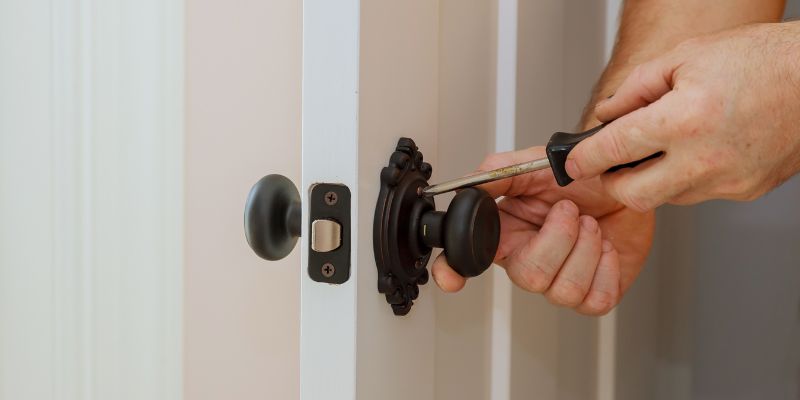
Installing a passage door knob is easier than it looks! I did it in 20 minutes with just a screwdriver. Here’s a simple guide:
- Gather tools: You need a screwdriver, a new passage knob, and maybe a drill.
- Remove the old knob: Unscrew the old knob and pull it off.
- Insert the latch: Slide the latch into the door’s edge hole.
- Attach the new knob: Line up the knob pieces and screw them in.
- Test it: Turn the knob to make sure it works smoothly.
Safety tip: Always check that screws are tight to avoid wobbly knobs. If you’re new, watch a quick video on YouTube for help.
Visual Idea: A diagram showing the latch and knob parts would make this step clear.
Benefits and Drawbacks of Passage Door Knobs
Passage door knobs are awesome for many reasons:
- Easy to use: No keys or locks to worry about.
- Safe for kids: No one gets locked in or out.
- Affordable: They’re cheaper than locking knobs.
But there are a few downsides:
- No privacy: They don’t lock, so they’re not for bathrooms.
- Less secure: Anyone can open the door.
I use passage knobs in my home’s common areas, but I switch to privacy knobs for bedrooms.
Alternatives to Passage Door Knobs
Sometimes, a passage door knob isn’t the best choice. Here are other options:
- Privacy knobs: These lock from one side, great for bathrooms.
- Dummy knobs: These don’t turn and are used for decoration, like on closet doors.
- Keyed knobs: These lock with a key for extra security.
I used a dummy knob on my pantry door to make it look nice without needing a real knob. Here’s a table to compare:
Table 2: Passage Knobs vs. Other Knobs
| Knob Type | Locks? | Best Use | Cost |
|---|---|---|---|
| Passage | No | Hallways, closets | $10–$30 |
| Privacy | Yes (one side) | Bathrooms, bedrooms | $15–$40 |
| Dummy | No (doesn’t turn) | Decorative doors | $5–$20 |
Caption: This table shows how passage knobs compare to other types.
Common Mistakes to Avoid
I’ve made a few mistakes with passage door knobs. Here’s what to watch out for:
- Buying the wrong size: Measure your door’s hole (usually 2⅛ inches).
- Skipping instructions: Read the manual to avoid loose screws.
- Choosing style over function: Fancy knobs can be hard to grip.
Once, I bought a cheap knob that broke in a month. Spend a little more for quality!
My Top Tips for Passage Door Knobs
After years of fixing doors, here are my best tips:
- Clean knobs weekly to keep them shiny.
- Pick levers for kids or elderly family members.
- Check screws every few months to prevent wobbling.
Visual Idea: A photo of a shiny brass passage knob on a hallway door would show its style.
Passage Door Knobs in Real Life
Imagine you’re setting up a new closet. A passage door knob lets you open it easily without fumbling for keys. Or picture a busy hallway in your home—passage knobs keep things moving smoothly. I used them in my kids’ playroom so they can come and go freely. They’re simple but make life easier.
For a fun project, try painting a plain knob to match your room’s colors. Just use spray paint and seal it with clear coat. It’s a cheap way to add personality!
Table 3: Passage Door Knob Project Ideas
| Project | Materials Needed | Time | Cost |
|---|---|---|---|
| Paint a knob | Spray paint, clear coat | 1 hour | $5–$10 |
| Replace old knobs | New passage knob, screwdriver | 20 minutes | $10–$30 |
| Add levers to kids’ rooms | Lever-style passage knob | 30 minutes | $15–$30 |
Caption: These projects make passage door knobs fun and personal.
Conclusion
Passage door knobs are simple, affordable, and perfect for busy rooms like hallways or closets. They don’t lock, so they’re safe and easy for everyone to use. Whether you’re installing one or picking a style, I hope my tips make it fun. Try swapping a knob in your home this weekend—it’s an easy project! Share your favorite knob designs in the comments or ask me for more tips. Let’s make your home awesome!
Frequently Asked Questions
What is a passage door knob?
A passage door knob is a knob that opens a door without locking. It’s used in rooms like hallways or closets where you don’t need privacy. They’re easy to turn and great for kids or busy homes.
Can I use a passage door knob in a bathroom?
No, passage door knobs don’t lock, so they’re not good for bathrooms. Use a privacy knob instead, which locks from one side for safety and privacy.
How much does a passage door knob cost?
Passage door knobs cost $10–$30, depending on style and material. Basic round knobs are cheaper, while levers or crystal knobs cost more. Check stores like Lowe’s for deals.
Are passage door knobs easy to install?
Yes, installing a passage door knob takes about 20 minutes. You need a screwdriver and the knob’s parts. Follow the instructions, and test the knob to ensure it turns smoothly.
What’s the difference between passage and dummy knobs?
Passage knobs turn to open a door, while dummy knobs are fixed and used for decoration, like on closet doors. Dummy knobs are cheaper but don’t function as real knobs.
Can kids use passage door knobs?
Yes, passage knobs are kid-friendly because they’re easy to turn and don’t lock. Lever-style knobs are especially good for small hands or people with limited strength.
Where should I buy passage door knobs?
Buy passage door knobs at home improvement stores like The Home Depot or Lowe’s. Online retailers like Amazon also have a wide selection with customer reviews.