What is a Spider Lamp Shade Fitter: Essential Guide
Quick Summary
A spider lamp shade fitter is a crucial component that attaches a lampshade to a light bulb socket. It features a central hole that fits over the socket and a rim that rests on the bulb, securing the shade. Understanding this simple piece is key to successfully fitting or replacing your lampshades.
Ever struggled to get a new lampshade to sit just right on your lamp base? You’re not alone! Many DIYers find themselves scratching their heads when it comes to lamp shades, and a big part of that puzzle is the little but mighty component called the spider lamp shade fitter. This seemingly small piece is actually the unsung hero that keeps your lampshade in place. Without it, your shade would likely just fall off! Don’t worry, though. We’re going to break down exactly what a spider fitter is, why it matters, and how to make sure you’re using the right one. By the end of this guide, you’ll have the confidence to tackle any lampshade fitting project.
Let’s dive in and demystify the spider lamp shade fitter, making your home lighting projects a breeze!
Understanding the Basics: What Exactly is a Spider Lamp Shade Fitter?
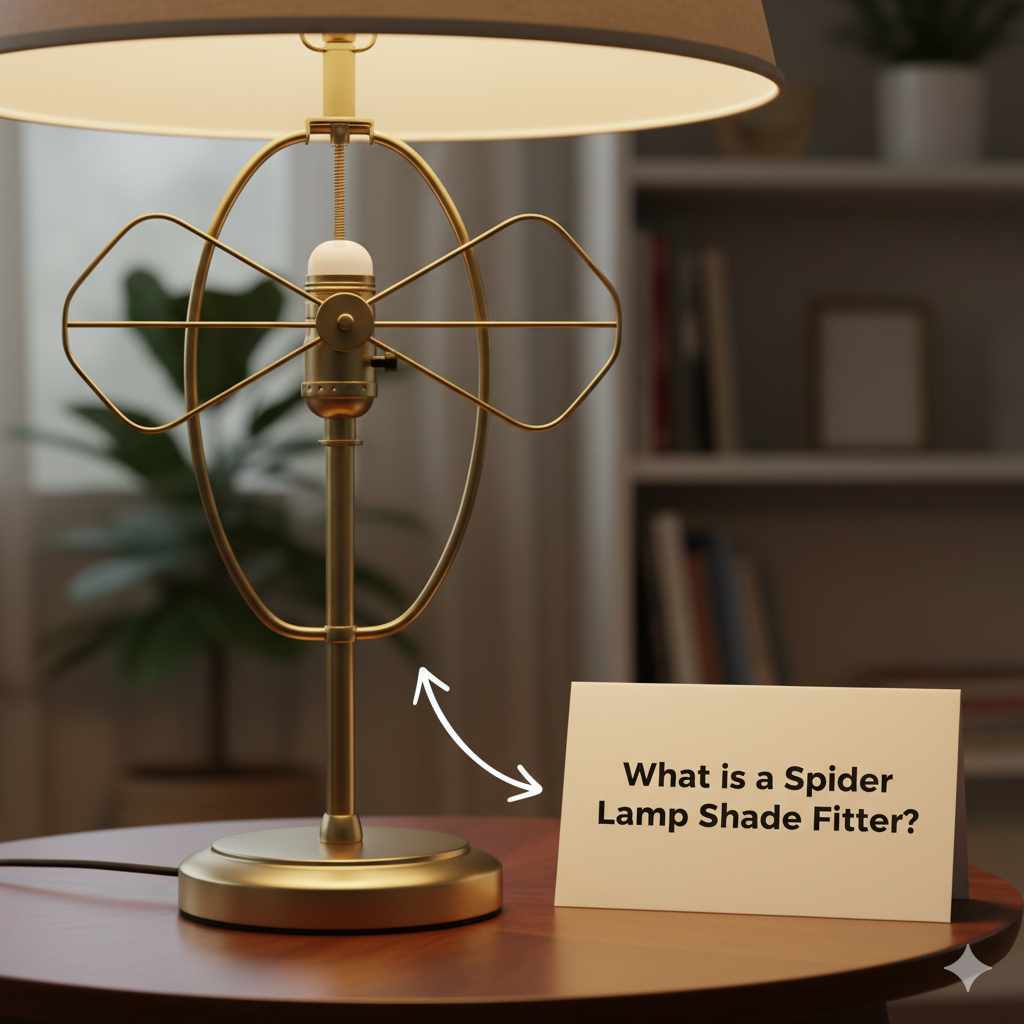
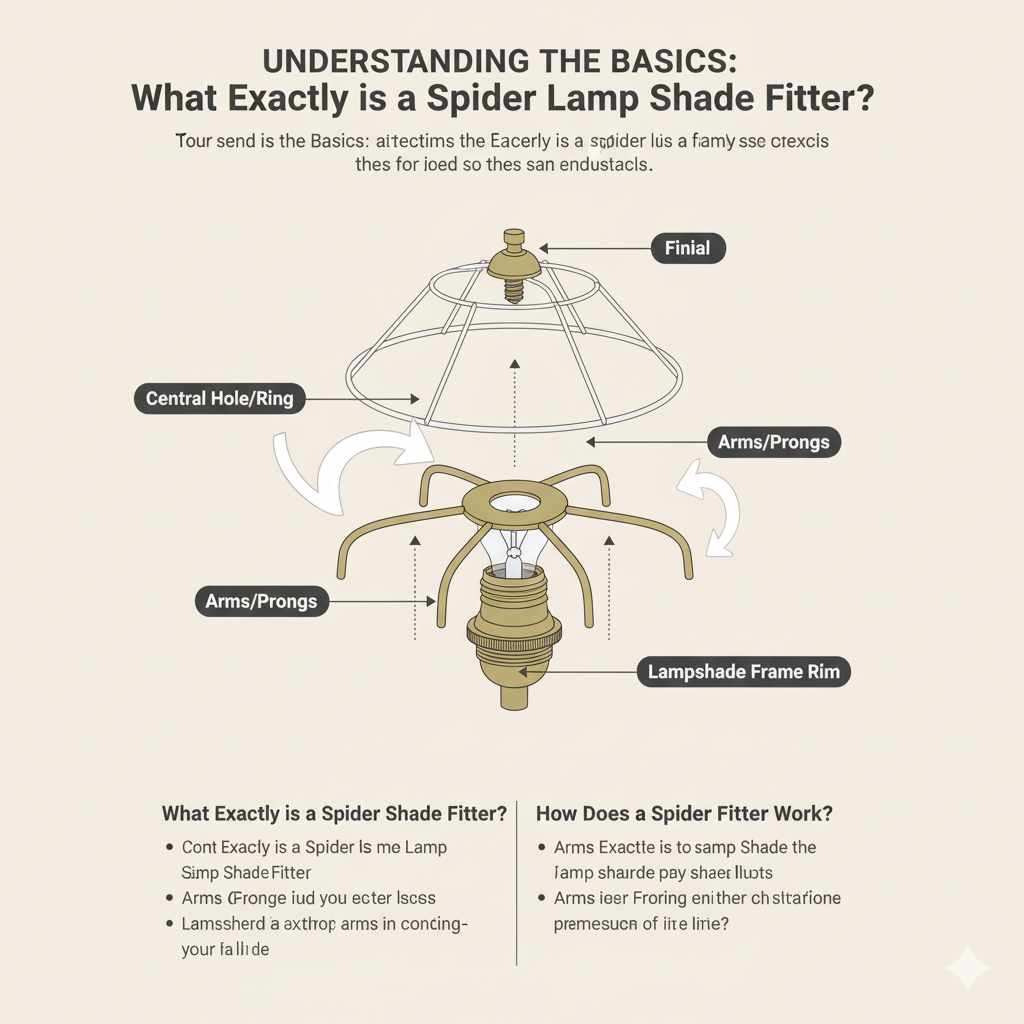
At its core, a spider lamp shade fitter is a type of hardware designed to connect a lampshade to a light bulb socket. Think of it as an adapter or a bracket that bridges the gap between your decorative shade and the functional part of your lamp. Its name, “spider,” comes from its typical design, which often has three or four arms or prongs that extend outwards from a central ring, resembling a spider’s legs.
The primary job of the spider fitter is to provide a stable platform for the lampshade to rest upon and to keep it centered over the light bulb. This ensures that the light is diffused evenly and that the shade doesn’t tilt or wobble.
How Does a Spider Fitter Work?
The mechanism is quite simple, which is why it’s so effective. Here’s a breakdown of its components and how they function:
- Central Hole/Ring: This is the opening at the very top of the fitter. It’s designed to fit snugly around the light bulb socket (the part where you screw in the light bulb). The size of this hole is critical for a proper fit.
- Arms/Prongs: These are the extensions that radiate from the central ring. They are typically angled upwards and outwards. The lampshade itself has a frame, and the spider fitter rests on the top ring of this frame. The arms hold the shade in place, preventing it from sliding down.
- Rim/Edge: The spider fitter has a rim or edge that sits on top of the lampshade frame. This rim is what the fitter attaches to, ensuring it’s securely held.
When you assemble a lamp with a spider fitter, you first place the fitter over the light bulb socket. Then, you place the lampshade (which has its own frame) onto the fitter, so the fitter’s arms support the top of the shade’s frame. Finally, a finial (a decorative knob) is usually screwed into the top of the socket, pressing down on the fitter and the shade’s frame to hold everything securely in place.
Types of Lamp Shade Fitters
While the spider fitter is very common, it’s not the only type. Knowing the different kinds can help you identify what you have and what you might need for a new shade or repair.
1. Spider Fitter (Most Common)
As we’ve discussed, this is the classic design. It’s found on a vast majority of table lamps and floor lamps. The fitter sits on top of the shade’s frame and is secured by a finial. This type is often referred to as a “Uno” fitter when the fitter itself is part of the shade’s frame and directly screws onto the socket, or an “Empire” fitter when it’s a separate piece that rests on top and is secured by a finial. For the purpose of this guide, we’re focusing on the separate fitter type that is secured by a finial.
2. Harp Fitter
Lamps with a harp fitter have a different structure. Instead of the fitter sitting on top of the shade, the shade has a loop at the top that attaches to a metal arm called a “harp.” The harp extends upwards from the lamp base, and the shade’s loop slips over it. The shade is then secured with a small clip or a finial that screws onto the very top of the harp. These are common on many floor lamps and some table lamps.
3. Clip-On Fitter
These are the simplest type. Clip-on fitters are designed to attach directly to the light bulb itself. The shade has a small, U-shaped frame that clips onto the sides of the bulb. These are usually found on smaller lamps, like accent lamps or chandeliers, where space is limited and a traditional fitter wouldn’t fit. They are generally less stable and can be harder to position evenly.
4. European Fitter (or “Washer” Fitter)
This type is common in Europe and sometimes found on imported lamps. It features a central hole that is designed to sit on top of a ring that is attached to the lamp socket. The shade then rests on this ring, and the fitter is secured by a threaded ring that screws onto the socket itself. It’s similar in function to a spider fitter but has a different attachment mechanism.
Key Features and Considerations for Spider Fitters
When you’re dealing with a spider lamp shade fitter, a few key features determine if it’s the right one for your lamp and shade.
Fitter Size (Diameter)
This is perhaps the most critical measurement. The central hole of the spider fitter needs to be the correct size to fit over your lamp’s socket. Standard socket diameters are typically around 1.5 inches. However, it’s always best to measure your specific socket to ensure a snug fit. A fitter that’s too large will be loose and unstable, while one that’s too small won’t go on at all.
Drop Length
The “drop” of a spider fitter refers to the distance from the top of the central ring (where the finial screws in) down to the bottom of the fitter’s arms, where it would rest on the shade frame. This measurement is important because it affects how high the lampshade sits on the harp (if applicable) or how it aligns with the socket. For most standard table lamps, a drop length of around 1 inch is common.
Fitter Material and Finish
Spider fitters are typically made from metal, such as steel or brass. They often come in various finishes to match your lamp and decor, including:
- Brass: Classic and warm, often seen on traditional lamps.
- Nickel/Chrome: Sleek and modern, suitable for contemporary designs.
- Bronze: Offers an antique or rustic look.
- Black/White: Versatile options that can blend in or make a subtle statement.
The finish should ideally complement your lamp base and the rest of your hardware.
Compatibility with Lamp Harp
If your lamp has a harp, the spider fitter needs to be compatible. In a harp system, the spider fitter is essentially the bottom of the shade’s frame, and the harp fits into the loop of the shade. The finial then screws down onto the top of the fitter, pressing it against the harp loop. Ensure the fitter’s drop length and overall design work with the harp’s height and angle.
How to Measure and Choose the Right Spider Fitter
Getting the right fit is essential for both aesthetics and functionality. Here’s how to measure and select the correct spider fitter.
Step-by-Step Measurement Guide
You’ll need a few simple tools:
- Measuring tape or ruler
- Pen and paper
Follow these steps:
- Measure the Socket Diameter: With the lamp turned off and unplugged for safety, carefully measure the diameter of the light bulb socket. This is the part where the light bulb screws in. You’re looking for the measurement across the widest part of the socket opening. This measurement will help you determine the appropriate central hole size for your spider fitter.
-
Measure the Harp (if applicable): If your lamp uses a harp, you’ll need to measure its components.
- Harp Diameter: This is the measurement around the metal loop at the top of the harp where the shade attaches. Standard harp diameters are often around 6 inches, but it’s best to measure.
- Harp Height: Measure the distance from the bottom of the harp (where it connects to the lamp base) to the top of the harp loop. This helps ensure the shade will sit at the correct height.
- Measure the Shade Frame (if replacing): If you’re working with an existing shade and fitter, measure the diameter of the top ring of the shade’s frame. The spider fitter needs to rest securely on this frame.
- Check the Fitter Drop (if possible): If you have a fitter you’re trying to match, measure its drop length – the distance from the top of the central hole to the lowest point of the fitter arms.
Choosing a New Shade with the Right Fitter Type
When buying a new lampshade, you’ll often see it described by its fitter type:
- Spider Fitter Shades: These are the most common. They will have a central hole and a frame designed to sit on top of a spider fitter. You’ll need to ensure the shade’s fitter diameter matches your lamp’s socket size and that the shade’s top frame diameter is compatible with the spider fitter.
- Harp Fitter Shades: These have a loop at the top that slips over a harp. The size of this loop is important.
- Clip-On Shades: These are designed to clip directly onto the bulb.
When purchasing a shade, always check the product description for the fitter type and measurements. If you’re unsure, it’s often best to bring your lamp base or at least the socket and harp to the store, or take clear photos and measurements.
When to Replace or Repair a Spider Fitter
Spider fitters are generally quite durable, but sometimes they can get damaged or become worn. Here are common scenarios where you might need to replace one:
- Bent or Broken Arms: If the arms of the fitter are bent out of shape, they won’t hold the shade evenly, leading to a crooked appearance. If they are broken, the shade won’t be supported at all.
- Damaged Central Hole: If the central hole is cracked or excessively widened, the fitter won’t sit securely on the socket, making the lamp unstable.
- Rust or Corrosion: Over time, especially in humid environments, metal fitters can rust. This can weaken the metal and also stain your lampshade.
- Wrong Size: You might have inherited a lamp with a shade that doesn’t quite fit, or perhaps you bought a new shade that isn’t compatible. In these cases, you may need a different fitter type or size.
- Upgrading Decor: Sometimes, you might simply want to change the finish of your hardware to match new decor. Replacing a brass fitter with a brushed nickel one can be a simple way to update the look of your lamp.
How to Replace a Spider Lamp Shade Fitter
Replacing a spider fitter is a straightforward DIY task. Here’s how to do it safely and effectively.
Tools and Materials You’ll Need
- New spider lamp shade fitter (ensure it’s the correct size and type)
- Lamp cleaner (optional, for cleaning the socket area)
- Soft cloth
- Screwdriver (if your finial requires one, though most are hand-tightened)
Step-by-Step Replacement Process
- Safety First: Unplug the Lamp! Before you do anything, ensure the lamp is completely unplugged from the electrical outlet. This is the most important step to prevent any electrical shock.
- Remove the Finial: The finial is the decorative knob at the very top of the lamp socket. Unscrew it by turning it counter-clockwise. Keep it in a safe place so you don’t lose it.
- Remove the Lampshade: Carefully lift the lampshade off the fitter. If the shade is attached to a harp, you might need to lift the shade off the harp first, or detach the harp from the base if it’s designed to be removable.
- Remove the Old Fitter: The old spider fitter should now be exposed, resting on the lamp socket. It might be sitting loosely or held in place by the shade’s frame. Gently lift the old fitter off the socket. If it’s stuck, check if there’s a small screw holding it to the socket or if it’s just a tight fit.
- Clean the Socket Area (Optional): While the fitter is off, take a moment to gently wipe down the lamp socket and the area around it with a soft, dry cloth. This can remove dust and grime.
- Install the New Fitter: Take your new spider fitter. Ensure the central hole is the correct size for your socket. Place the new fitter onto the lamp socket, making sure it sits flat and securely. The arms should be pointing upwards, ready to support the lampshade.
- Replace the Lampshade: Carefully place the lampshade back onto the new fitter. Ensure the top rim of the lampshade’s frame rests evenly on the fitter’s arms. If your lamp has a harp, make sure the shade’s loop is correctly positioned on the harp.
- Reinstall the Finial: Screw the finial back onto the top of the lamp socket, turning it clockwise. Tighten it until it’s snug, but don’t overtighten, as this could damage the socket or the fitter. The finial should press down on the lampshade frame and the fitter, securing everything in place.
- Test the Lamp: Plug the lamp back into the outlet and turn it on. Check that the lampshade is level and stable.
If your lamp has a harp system, the process is very similar, but you’ll need to ensure the shade is correctly seated on the harp before reinstalling the finial. The finial will then press down on the shade’s fitter, securing it to the harp.
Table: Common Lamp Shade Fitter Types at a Glance
Here’s a quick comparison to help you identify the fitter type on your lamp.
| Fitter Type | Description | How it Attaches | Common Lamp Types |
|---|---|---|---|
| Spider Fitter | Central hole with outward-extending arms. | Rests on socket, secured by a finial pressing down on the shade’s frame. | Table lamps, floor lamps. |
| Harp Fitter | Shade has a loop that fits over a metal harp. | Harp extends from base; shade loop slides over harp, secured by a clip or finial on top of the harp. | Floor lamps, some table lamps. |
| Clip-On Fitter | Small frame that clips directly onto the bulb. | Clips onto the sides of the light bulb. | Accent lamps, chandeliers, small decorative lamps. |
| European (Washer) Fitter | Central hole designed to fit a specific socket ring. | Sits on a ring attached to the socket; secured by a threaded ring screwing onto the socket. | Imported lamps, some chandeliers. |
Tips for Maintaining Your Lamp and Fitter
Keeping your lamps and their fitters in good condition will ensure they last longer and look their best.
- Regular Cleaning: Dust your lampshade and fitter regularly with a soft cloth or a feather duster. For the metal fitter, a slightly damp cloth can be used, followed by a dry one.
- Check Stability: Periodically check that the finial is snug and that the lampshade is sitting level. A loose finial can cause the shade to tilt.
- Avoid Over-Tightening: When replacing a finial or tightening it, be gentle. Overtightening can strip the threads on the socket or fitter, leading to more complex repairs.
- Handle with Care: When changing bulbs or cleaning, handle the fitter and socket with care to avoid bending or damaging them.
- Use the Right Bulb Wattage: Always check the maximum wattage recommended for your lamp socket and shade. Using bulbs that are too powerful can generate excessive heat, which can damage the shade and potentially the fitter over time. For reference, the U.S. Consumer Product Safety Commission (CPSC) provides guidelines on safe lighting practices. You can find more information on their website.
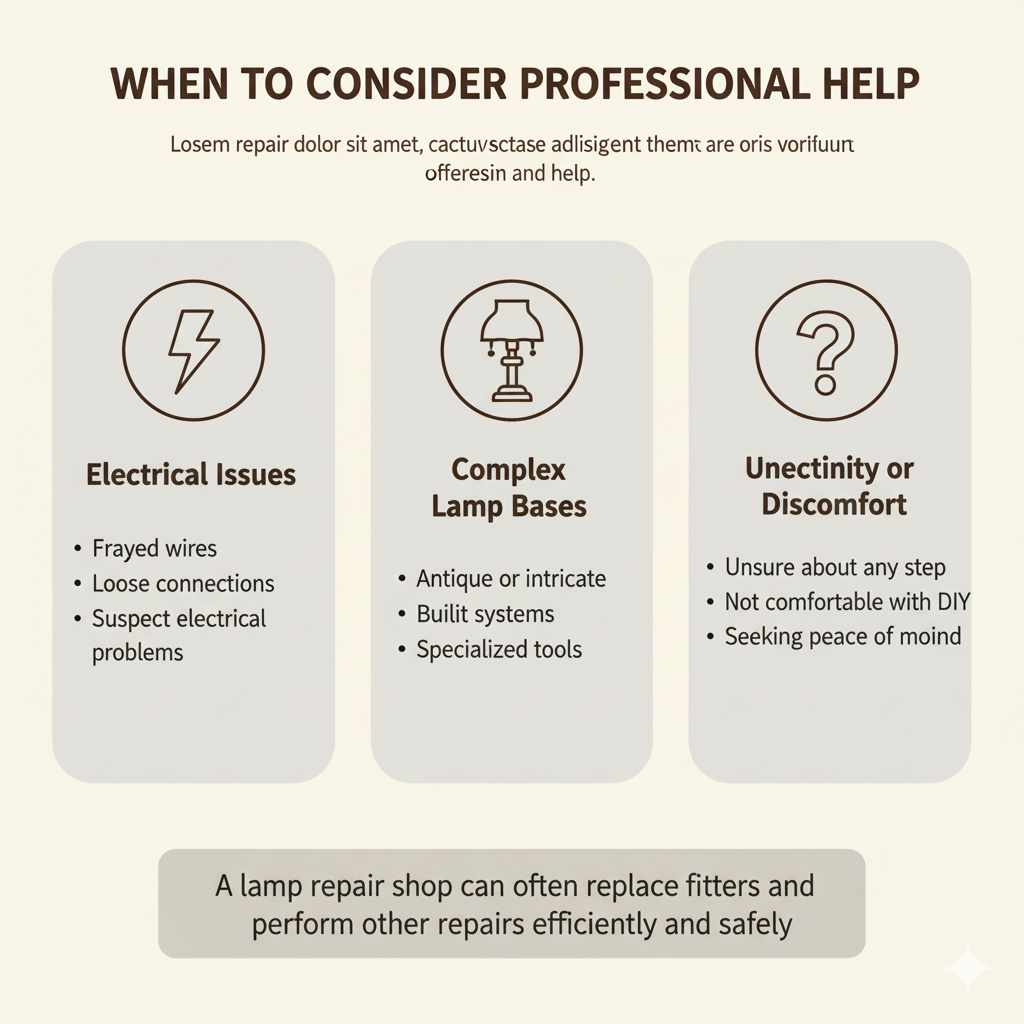
When to Consider Professional Help
While replacing a spider fitter is usually a simple DIY task, there are times when you might want to call in a professional:
- Electrical Issues: If you notice any frayed wires, loose connections, or suspect an electrical problem with the lamp base, do not attempt to fix it yourself. Contact a qualified electrician or a lamp repair specialist.
- Complex Lamp Bases: Some antique or intricate lamp bases might have built-in fitter systems or require specialized tools for disassembly.
- Uncertainty or Discomfort: If you’re not comfortable working with electrical fixtures or simply feel unsure about any step, it’s always better to seek professional assistance. A lamp repair shop can often replace fitters and perform other repairs efficiently and safely.
Frequently Asked Questions (FAQ)
What is the most common type of lamp shade fitter?
The spider fitter is by far the most common type of lamp shade fitter, especially for table lamps and floor lamps. Its simple design makes it versatile and easy to use.
How do I know if I have a spider fitter or a harp fitter?
If your lampshade has a loop at the top that attaches to a metal arm (the harp) extending from the lamp base, you have a harp fitter system. If the lampshade rests on a component that sits directly on the light bulb socket and is secured by a finial, it’s likely a spider fitter.
Can I use a spider fitter shade on a lamp with a harp?
Generally, no. Shades are designed for specific fitter types. A spider fitter shade is designed to sit on a fitter that rests on the socket, while a harp fitter shade has a loop that attaches to the harp. You can, however, often convert a harp lamp to a spider lamp system by removing the harp and installing a spider fitter adapter or by ensuring the shade you choose is compatible with the existing harp.
What does “fitter diameter” refer to on a lampshade?
“Fitter diameter” on a lampshade typically refers to the size of the opening in the lampshade’s frame that connects to the fitter. For spider fitter shades, it’s the diameter of the central hole designed to fit over the lamp socket. For clip-on shades, it refers to the size of the bulb it’s designed to fit.
How do I measure the socket for a spider fitter?
With the lamp unplugged, measure the diameter of the metal part where the light bulb screws in. A standard socket is usually around 1.5 inches in diameter. Your spider fitter’s central hole should match this measurement.
What is a finial and why is it important?
A finial is the decorative knob or ornament that screws onto the top of the lamp socket. It serves a functional purpose by pressing down on the lampshade and fitter, securing them in place. It also adds a decorative touch to the lamp.
Can I change the finish of my spider fitter?
Yes, if your fitter is in good condition but you dislike the finish, you can often replace it with a new one in a different finish (like brass, nickel, or bronze) to better match your decor. Ensure the new fitter has the correct size and drop length.
Conclusion
Understanding what a spider lamp shade fitter is might seem like a small detail, but it’s one of those fundamental pieces that makes a big difference in how your lamps look and function. We’ve explored its purpose, how it works, the different types of fitters you might encounter, and the essential steps for measuring and replacing one. Whether you’re refreshing an old lamp or selecting a new shade, knowing about spider fitters will equip you with the confidence to make the right choices.
By following the simple steps and tips outlined in this guide, you can ensure your lampshades are perfectly fitted, stable, and contribute beautifully to your home’s ambiance. So next time you’re looking at a lamp, you’ll know exactly what that little component at the top is and why it’s so important. Happy lighting!