What Is a Torpedo Level Used For?
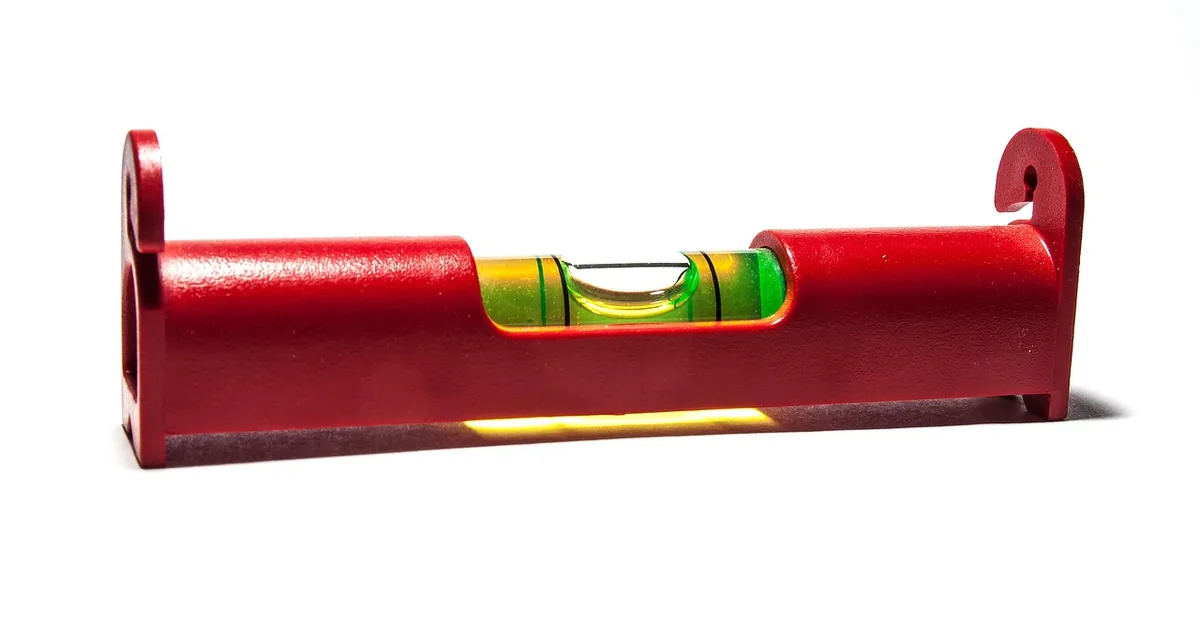
A torpedo level is a short spirit level, usually about 9 inches long with tapered ends, built for jobs where a standard 24 or 48 inch level simply will not fit. It is the tool electricians, plumbers, and cabinet installers reach for when checking level or plumb in tight spots like conduit runs, outlet boxes, pipe hangers, and shelf brackets. This guide covers how it works, what its vials mean, and when a torpedo level is the wrong tool for the job.
What the three vials actually measure
Most torpedo levels carry three vials: a horizontal vial for level, a vertical vial for plumb, and a 45-degree vial for diagonal bracing, stair stringers, and angled conduit runs. The 45-degree vial is the feature that separates a torpedo level from a basic mini level, since it lets you set an angle without a protractor or angle finder. Cheaper models sometimes omit the 45-degree vial or use a fixed acrylic tube that is not individually milled, which is where accuracy problems start.
Why the short length matters
A level’s accuracy over distance depends on its length: the longer the tool, the more a tiny vial error gets magnified across a wall or floor. A torpedo level’s short 9-inch body means a small vial misalignment barely shows up on a short pipe or box, but that same tool would be unreliable for checking a long countertop or a 10-foot wall plate, where the error compounds over distance. That is why most torpedo levels are paired with a longer level on a job rather than used alone for anything spanning more than a couple of feet.
Common uses on a real job site
Electricians use torpedo levels to set outlet and switch boxes square before drywall goes up. Plumbers use them to check the slope of a short drain run or confirm a pipe hanger is level. Many torpedo levels have a magnetic strip along one edge specifically so they can clip onto a steel stud, conduit, or duct and stay put hands-free while you mark or fasten something. A V-groove milled into the base or side lets the level sit stably on round stock like pipe or rebar instead of rocking.
Choosing and checking one
Look for a level with milled (not just molded) vial housings, since molded plastic vials shift slightly during manufacturing and are the main source of inaccurate readings. A quick field check: set the level on a flat surface, note the bubble position, then rotate the level 180 degrees end-for-end on the same spot. If the bubble reads differently in the two positions, the vial is out of calibration by half the difference. Aluminum-bodied levels resist warping better than ABS plastic bodies if the tool gets dropped often on a job site.
Frequently Asked Questions
Can a torpedo level replace a full-size level?
Not for long spans. It is accurate enough for pipes, boxes, and short shelves, but any error in its vial gets magnified badly if you try to use it across a wall plate or long countertop. Keep a 24 or 48 inch level for those jobs.
What does the 45-degree vial get used for?
It confirms a true 45-degree angle without a separate angle finder, which is useful for stair stringers, diagonal braces, and angled conduit or pipe runs where a standard vial only tells you level or plumb.
Does the magnetic strip wear out or lose strength?
The magnets themselves rarely weaken with normal use, but repeated impacts from dropping the level can chip the magnet housing loose from the body. Check that the strip is still flush and firmly seated before relying on it to hold the level unsupported.
Sponsored / affiliate links. As an Amazon Associate I earn from qualifying purchases. I may earn additional commission from eligible campaigns.