What is a Passive Door Lock? A Homeowner’s Guide to Modern Security
Hey there! If you’ve ever rushed out the door with your hands full, juggling keys, coffee, and maybe a kid’s backpack, you know how easy it is to forget to lock up. That’s where passive door locks come in, and let me tell you, they’ve been a game-changer for my home. As someone who’s dived deep into home improvement and security, I’m excited to share everything I’ve learned about passive door locks. These nifty devices are like having a trusty sidekick that locks your door for you, no extra effort needed.
In this article, I’ll walk you through what passive door locks are, how they work, their benefits, and why they’re becoming a must-have for homeowners across the USA. So, grab a cup of coffee, and let’s explore this together!
Understanding Passive Door Locks
Let’s start with the basics. A passive door lock is a smart home security feature that automatically locks your door when it’s closed, without you having to turn a key or press a button. Imagine this: you shut your front door, and it locks itself like magic. No fumbling with keys, no second-guessing if you remembered to lock up. It’s designed to make your life easier while keeping your home secure.
I first came across passive door locks when I was upgrading my home’s security system. I was tired of worrying about whether I’d locked the door when I left for work. These locks use advanced technology, often tied to key fobs or sensors, to detect when the door is closed and engage the lock automatically. They’re part of the broader trend of smart home devices, blending convenience with top-notch security.
How Passive Door Locks Work
So, how do these locks pull off their automatic trick? It’s pretty clever. Most passive door locks are part of a keyless entry system. They rely on a combination of sensors, key fobs, or even smartphone apps to function. Here’s the gist of it: when you close your door, the lock’s sensor detects that the door is in place. If it recognizes an authorized key fob nearby—or if it’s programmed to lock regardless—it engages the locking mechanism.
For example, in my home, I use a passive lock system that pairs with a key fob I keep in my pocket. As I walk away from the house, the system senses the fob moving out of range and locks the door. If I come back and approach the door, it unlocks automatically as the fob gets close. It’s like the door knows me! Some systems even let you control settings through an app, so you can tweak things like lock timing or enable/disable the feature.
Types of Passive Door Locks
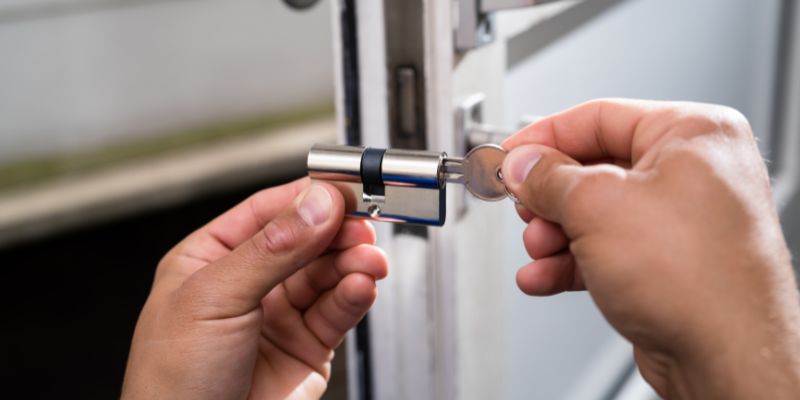
Not all passive door locks are the same. There are a few types out there, and choosing the right one depends on your needs. Let me break down the main ones I’ve explored:
- Key Fob-Based Locks: These use a small device, like a keychain, that communicates with the lock via radio signals. They’re super common in vehicles but are now popular for homes too. I love how portable these are—you just toss the fob in your bag or pocket.
- Smartphone-Controlled Locks: These connect to your phone via Bluetooth or Wi-Fi. You can manage them through an app, which is great if you’re tech-savvy. I’ve tested a couple, and the app control makes it easy to monitor who’s coming and going.
- Proximity Sensor Locks: These detect when you’re near the door, often using RFID technology. They’re similar to key fob systems but can be more sensitive to distance. I found these to be reliable for quick entry and exit.
- Hybrid Systems: Some locks combine multiple methods, like key fobs and smartphone apps, for extra flexibility. I’ve seen these in newer homes, where homeowners want options.
Each type has its strengths, and I’ll dive into choosing the right one later. For now, just know there’s a passive lock out there for every lifestyle.
Benefits of Passive Door Locks
Why should you consider a passive door lock for your home? Let me share the perks that sold me on this technology:
- Automatic Security: The biggest win is that your door locks itself every time it’s closed. No more wondering if you forgot to lock up. This was a lifesaver for me during busy mornings.
- Convenience: You don’t need to pull out a key or fumble with a keypad. The lock does the work for you, which is perfect when your hands are full.
- Enhanced Safety: Since the door locks instantly, there’s less chance of leaving your home vulnerable. I feel safer knowing my door is always secured.
- Time-Saving: It shaves seconds off your routine, which adds up when you’re rushing out the door. Plus, it’s one less thing to think about.
- Family-Friendly: Even kids or elderly family members can use these locks easily, as there’s no manual locking required. My parents love how simple it is.
Here’s a quick table summarizing the benefits:
| Benefit | Why It Matters |
|---|---|
| Automatic Security | Locks the door every time it’s closed, reducing the risk of break-ins. |
| Convenience | No need for keys or manual locking, ideal for busy lifestyles. |
| Enhanced Safety | Immediate locking minimizes vulnerability. |
| Time-Saving | Saves time during daily routines. |
| Family-Friendly | Easy for all ages to use, no complex steps required. |
Installation Process: My Experience
Installing a passive door lock might sound daunting, but I found it surprisingly doable. Most systems come with clear instructions, and you can often install them yourself if you’re handy with tools. Here’s how I tackled it at my house:
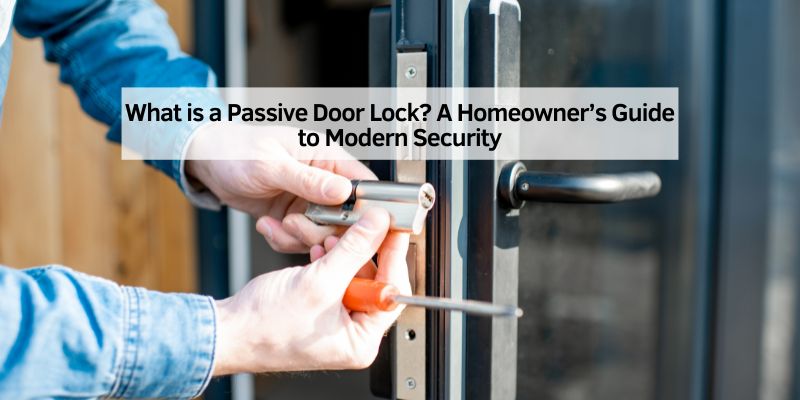
First, I checked that the lock was compatible with my door. Some locks work better with specific door types, like wood or metal. I removed the old lock using a screwdriver, which took about 10 minutes. Then, I followed the manufacturer’s guide to mark where the new lock would go. Drilling was needed for my model, so I used a drill bit recommended in the manual to make holes for the lock mechanism.
Next, I installed the lock itself, securing it with screws and attaching the strike plate to the door frame. Alignment is key here—if the lock and strike plate aren’t lined up, it won’t work smoothly. I used a level to double-check everything. Finally, I tested the lock to ensure it engaged automatically when the door closed. The whole process took about an hour, and I felt like a pro by the end!
If DIY isn’t your thing, a locksmith can handle it for you. I’d recommend this if you’re not confident with tools or if your door requires custom adjustments.
Choosing the Right Passive Door Lock
Picking the perfect passive door lock can feel overwhelming with so many options. Here’s what I learned when choosing mine:
- Compatibility: Make sure the lock fits your door’s thickness and material. I measured my door twice to avoid any surprises.
- Technology: Decide if you want a key fob, smartphone app, or proximity sensor system. I went with a key fob because I didn’t want to rely on my phone’s battery.
- Battery Life: Most passive locks run on batteries, so check how long they last. Mine lasts about a year, which is plenty for me.
- Security Features: Look for locks with strong encryption to prevent hacking. I chose one with AES-128 encryption for peace of mind.
- Brand Reputation: Stick with trusted brands like Schlage, Yale, or August. I read reviews and picked a model with a solid track record.
- Budget: Prices range from $100 to $300. I set a budget of $200 and found a reliable option that didn’t break the bank.
Take your time to compare models. I spent a weekend researching and ended up with a lock that’s been perfect for my family.
Potential Downsides and How to Avoid Them
No technology is perfect, and passive door locks have a few quirks. Here’s what I’ve noticed and how to handle them:
- Key Fob Dependency: If you lose your key fob, you might get locked out. I keep a spare fob in a safe place and have a backup manual key.
- Battery Failure: If the battery dies, the lock might not work. I set a calendar reminder to check the battery every six months.
- Interference: Other electronic devices can mess with the signal. I moved my Wi-Fi router away from the door, and it fixed the issue.
- Accidental Lockouts: If the fob is left inside, the door might lock with you outside. I always double-check that I have my fob before closing the door.
Being aware of these issues helped me avoid headaches. A little preparation goes a long way.
Passive Door Locks vs. Traditional Locks
You might be wondering how passive door locks stack up against traditional keyed locks. Here’s my take after using both:
Traditional locks are reliable and don’t rely on batteries or tech, which is great if you prefer simplicity. But they require manual effort, and it’s easy to forget to lock the door. Passive locks, on the other hand, are all about automation and convenience. They’re pricier upfront and need occasional battery changes, but the peace of mind is worth it for me.
For example, my old keyed lock was sturdy, but I’d sometimes leave the house unlocked by mistake. With my passive lock, that’s not an issue anymore. If you’re debating between the two, think about your lifestyle. If you’re always on the go, a passive lock might be your best bet.
Integrating Passive Door Locks with Smart Home Systems
One of the coolest things about passive door locks is how they fit into a smart home setup. I’ve connected mine to my Amazon Alexa, and it’s like living in the future. You can pair most passive locks with systems like Google Home, Apple HomeKit, or Z-Wave hubs.
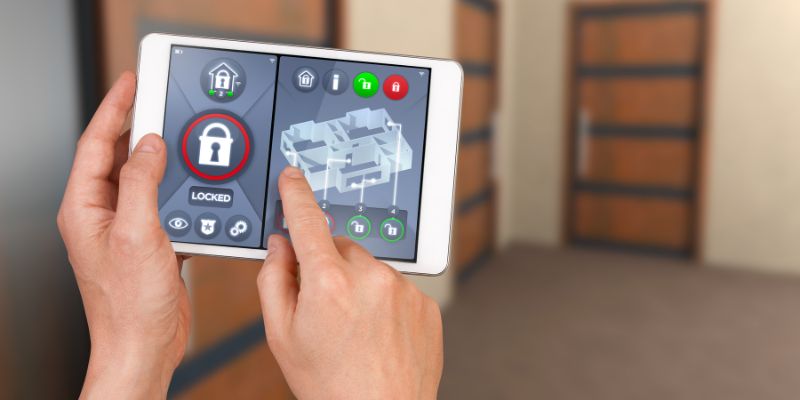
For instance, I can say, “Alexa, is the front door locked?” and get an instant answer. Some locks let you set up routines, like locking the door and turning off lights when you leave. I also get notifications on my phone if someone tries to tamper with the lock. It’s a level of control I didn’t know I needed until I had it.
If you’re already using smart devices, check if your lock is compatible with your system. It’ll make your home feel like a high-tech fortress.
Cost and Value for Money
Let’s talk dollars and cents. Passive door locks typically cost between $100 and $300, depending on the brand and features. Installation by a professional might add $50 to $150. At first, I hesitated at the price, but after using mine for a year, I can say it’s worth every penny.
The value comes from the convenience and security. I’ve saved time and stress, and I feel safer knowing my home is always locked. Plus, some insurance companies offer discounts for smart locks, which helped offset the cost for me. Check with your provider to see if you qualify.
Maintenance Tips for Long-Lasting Performance
To keep your passive door lock in top shape, a little maintenance goes a long way. Here’s what I do:
- Check Batteries: Replace batteries every 6-12 months, depending on usage. I keep spares at home to avoid surprises.
- Clean the Lock: Dust and dirt can build up, so I wipe the lock with a damp cloth every few months.
- Test Regularly: I test the lock’s auto-engage feature monthly to ensure it’s working smoothly.
- Update Software: If your lock has an app, keep it updated for security patches. I check for updates every couple of months.
- Inspect Alignment: Doors can shift over time, so I check the lock’s alignment annually to prevent jams.
These simple steps have kept my lock running like new.
Why Passive Door Locks Are Gaining Popularity
Across the USA, passive door locks are popping up in more homes, and it’s easy to see why. People are busier than ever, and these locks cater to our fast-paced lives. They’re also part of the smart home boom—everyone wants a home that’s secure and easy to manage. I’ve noticed more neighbors upgrading to these locks, especially after hearing about their convenience.
Plus, with home security concerns on the rise, passive locks offer a reliable way to stay protected without extra effort. They’re perfect for families, busy professionals, or anyone who wants peace of mind.
My Personal Experience with Passive Door Locks
When I first installed my passive door lock, I was skeptical. Would it really work as promised? But after a few weeks, I was hooked. One morning, I was running late for work, arms full of groceries I’d forgotten to bring in the night before. I shut the door, and it locked itself—boom, done. I didn’t have to set anything down or dig for keys.
It’s also been a hit with my family. My kids don’t have to worry about locking the door when they head to school, and my parents find it easier than traditional locks. It’s made our home feel safer and our routines smoother.
Future of Passive Door Locks
The future looks bright for passive door locks. Manufacturers are constantly improving them, adding features like facial recognition or voice activation. I’ve read about locks that might integrate with biometric systems, so your fingerprint could trigger the lock. It sounds like something out of a sci-fi movie, but it’s not far off.
As smart homes become the norm, I expect passive locks to get even smarter, with better connectivity and more customization options. It’s an exciting time for home security, and I’m eager to see what’s next.
Conclusion
After diving deep into the world of passive door locks, I can confidently say they’re a fantastic addition to any home. They blend convenience, security, and modern technology in a way that fits our busy lives. Whether you’re a parent juggling a million tasks, a professional always on the go, or just someone who wants a safer home, these locks deliver. My experience with them has been nothing short of amazing—less stress, more peace of mind, and a home that feels like a fortress. If you’re ready to upgrade your home security, a passive door lock might just be the key (pun intended) to a better, safer lifestyle. So, what are you waiting for? Let’s make your home smarter and more secure together!
Frequently Asked Questions
What is a passive door lock?
A passive door lock is a smart lock that automatically locks your door when it’s closed, without needing a key or button press. It uses sensors or key fobs to detect when to engage, making it super convenient and secure.
Are passive door locks safe?
Yes, they’re very safe! Most use strong encryption to prevent hacking, and the automatic locking feature ensures your door is never left unlocked by mistake. Just keep your key fob secure and check batteries regularly.
Can I install a passive door lock myself?
Absolutely, if you’re comfortable with basic tools. I installed mine in about an hour using the manufacturer’s instructions. If you’re unsure, a locksmith can do it for you to ensure proper setup.
Do passive door locks work with smart home systems?
Many do! I connected mine to Alexa, and it works seamlessly. Check if the lock is compatible with your system, like Google Home or Apple HomeKit, before buying.
What happens if the battery dies?
If the battery dies, the lock might not work until it’s replaced. Some models have a manual key override. I keep spare batteries and check mine every six months to avoid issues.
Are passive door locks expensive?
They range from $100 to $300, plus installation costs if you hire a pro. I found mine worth the investment for the convenience and security it provides.