What Is Plastic Tarp? A Beginner’s Guide to This Handy Cover
I’ll never forget my first camping trip when a sudden rain soaked our gear. A friend pulled out a plastic tarp, and it saved the day! That shiny sheet kept us dry and taught me how useful tarps are. In this article, I’ll explain what is plastic tarp, share easy ways to use it, and give tips to pick the right one. Whether you’re a kid, a DIY fan, or a pro, you’ll find simple ideas to try. Let’s dive in!
What Is Plastic Tarp?
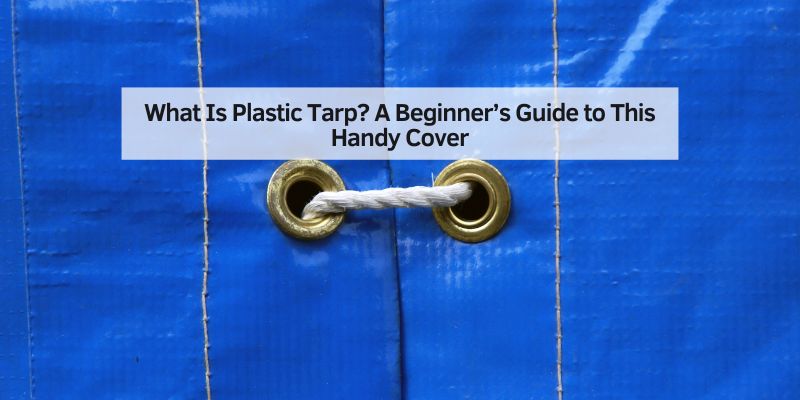
A plastic tarp is a big, waterproof sheet made from materials like polyethylene or vinyl. It’s tough, flexible, and great for covering stuff. Think of it as a giant raincoat for your things! People use tarps to protect gear, cover roofs, or make quick shelters. They come in many sizes and colors, so there’s one for every job.
Why Plastic Tarps Matter
Tarps are a lifesaver for keeping things dry or safe. They’re cheap, easy to use, and work for tons of projects. I once used a tarp to cover a leaky shed roof—it was a quick fix! Whether you’re camping, building, or gardening, a tarp is your go-to tool.
How Are Plastic Tarps Made?
Plastic tarps are usually made from polyethylene, a strong plastic. It’s woven into a tight grid, then coated to make it waterproof. Some tarps have metal rings called grommets for tying them down. Heavy-duty tarps might use vinyl for extra strength. The process is simple but makes a super tough product!
Types of Plastic Tarps
Not all tarps are the same. Here are the main kinds:
- Polyethylene Tarps: Common, lightweight, and affordable. Great for most jobs.
- Vinyl Tarps: Super strong and heavy. Best for tough weather or long-term use.
- Canvas Tarps: Not fully waterproof but breathable. Good for covering plants.
| Tarp Type | Best For | Price Range |
|---|---|---|
| Polyethylene | General use, camping | $5-$50 |
| Vinyl | Heavy-duty, construction | $20-$100 |
| Canvas | Gardening, breathable cover | $15-$80 |
Table 1: Comparing Plastic Tarp Types
Easy Ways to Use a Plastic Tarp
Plastic tarps are super versatile. Here are three fun projects to try:
1. Build a Camping Shelter
No tent? No problem! A tarp can be a quick shelter. Tie it between trees with rope, and you’ve got a cozy roof. My first try was a bit wobbly, but it kept us dry!
2. Protect Your Garden
Cover plants with a tarp during frost. Use stakes to hold it down. It’s like a blanket for your flowers! I saved my tomatoes this way last spring.
3. Cover Outdoor Gear
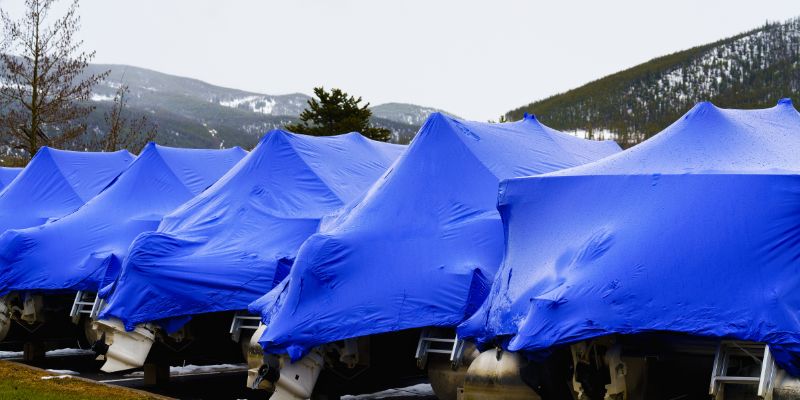
Throw a tarp over bikes or firewood to keep them dry. Use bungee cords to secure it. This trick saved my patio furniture during a storm!
Visual Idea: A simple diagram showing how to tie a tarp for a camping shelter, with ropes and stakes labeled.
Tools and Materials You’ll Need
Using a plastic tarp is easy, but you’ll need a few things:
- Tarp: Pick the size for your project (e.g., 8×10 feet for small jobs).
- Rope or Bungee Cords: To tie it down.
- Stakes or Weights: For securing it to the ground.
- Scissors: To cut rope or trim if needed.
I recommend a basic polyethylene tarp from a brand like Tarps Plus for starters. They’re cheap and work great!
Benefits of Plastic Tarps
Plastic tarps are awesome because they’re:
- Waterproof: Keep rain off anything.
- Cheap: A good tarp costs less than a pizza!
- Portable: Fold it up and go.
- Durable: They last through tough weather.
Drawbacks to Watch For
Tarps aren’t perfect. They can:
- Tear if stretched too tight.
- Fade in the sun over time.
- Flap in the wind if not secured.
Tip: Always double-check the grommets before buying. Weak ones break easily!
Step-by-Step Guide: Setting Up a Tarp Shelter
Here’s a simple way to make a tarp shelter for camping or fun:
- Pick a Spot: Find a flat area with trees or poles.
- Choose Your Tarp: An 8×10-foot tarp works for two people.
- Tie Ropes: Loop ropes through the tarp’s grommets.
- Secure to Trees: Tie ropes to trees at an angle for rain runoff.
- Stake It Down: Use stakes to hold the bottom tight.
- Check It: Make sure it’s snug but not too tight.
Visual Idea: A step-by-step sketch showing a tarp tied between two trees with stakes.
| Step | Tool Needed | Tip |
|---|---|---|
| Pick spot | None | Avoid low ground |
| Tie ropes | Rope | Use strong knots |
| Stake down | Stakes | Push deep for wind |
Table 2: Steps for a Tarp Shelter
Alternatives to Plastic Tarps
If a plastic tarp isn’t right, try these:
- Blankets: For light cover, but not waterproof.
- Silnylon Tarps: Lighter for backpacking, but pricier.
- Shade Cloth: Great for plants, lets air through.
I once used a blanket instead of a tarp—big mistake! It soaked through in minutes.
My Top Tips for Using Plastic Tarps
After years of using tarps, here’s what I’ve learned:
- Check the Weather: Pick a heavier tarp for storms.
- Use Strong Knots: A simple square knot works best.
- Store Dry: Wet tarps get moldy fast.
- Avoid Sharp Edges: They can tear the tarp.
Mistake to Avoid: Don’t skimp on size. A too-small tarp won’t cover everything!
Safety Tips for Plastic Tarps
Tarps are safe, but be careful:
- Secure It Well: Loose tarps can fly off and cause accidents.
- Avoid Fire: Plastic tarps melt near flames.
- Check for Tears: A ripped tarp might not protect you.
I once forgot to tie down a tarp, and it flew into my neighbor’s yard! No harm, but it was embarrassing.
Cost-Saving Ideas
Tarps are already cheap, but here’s how to save more:
- Buy in Bulk: Get a multipack for big projects.
- Reuse Tarps: Clean and store them for next time.
- Shop Sales: Check sites like Harbor Freight for deals.
| Tarp Size | Average Cost | Best Use |
|---|---|---|
| 6×8 ft | $5-$10 | Small gear |
| 10×12 ft | $10-$20 | Camping |
| 20×30 ft | $30-$50 | Large projects |
Table 3: Tarp Sizes and Costs
Visual Idea: A chart comparing tarp sizes to common objects (e.g., 6×8 ft = a picnic table).

Frequently Asked Questions
What Is a Plastic Tarp Made Of?
A plastic tarp is usually made of polyethylene or vinyl. Polyethylene is lightweight and waterproof, while vinyl is heavier and super durable. Both are woven and coated to handle tough weather.
How Long Do Plastic Tarps Last?
Most plastic tarps last 1-3 years with regular use. Heavy-duty vinyl tarps can last longer. Store them dry and out of the sun to make them last!
Can I Use a Plastic Tarp Indoors?
Yes! Plastic tarps are great for protecting floors during painting or crafts. Just make sure the area is dry, as tarps can trap moisture.
Are Plastic Tarps Waterproof?
Yes, most plastic tarps are fully waterproof, especially polyethylene and vinyl ones. Check for a “waterproof” label when buying to be sure.
How Do I Choose the Right Tarp Size?
Measure the area you want to cover and add a foot or two on each side. For example, a 10×12-foot tarp covers a 8×10-foot space well.
Can Plastic Tarps Handle Snow?
Heavy-duty tarps can handle light snow, but clear snow off quickly to avoid weight buildup. Vinyl tarps are best for snowy areas.
Where Can I Buy a Plastic Tarp?
You can find tarps at hardware stores, online at sites like Tarps Plus or Harbor Freight, or even at big retailers like Walmart. Compare prices for deals!
Conclusion
Plastic tarps are simple, cheap, and super handy. They keep your stuff dry, make quick shelters, and protect gardens. With a few ropes and stakes, you can do almost anything! Try setting up a tarp shelter or covering your bike this weekend. It’s easy and fun! Share your tarp ideas in the comments or ask me for tips. Let’s get creative with tarps!