What Is Recessed Lighting? A Complete Guide to Brightening Your Home
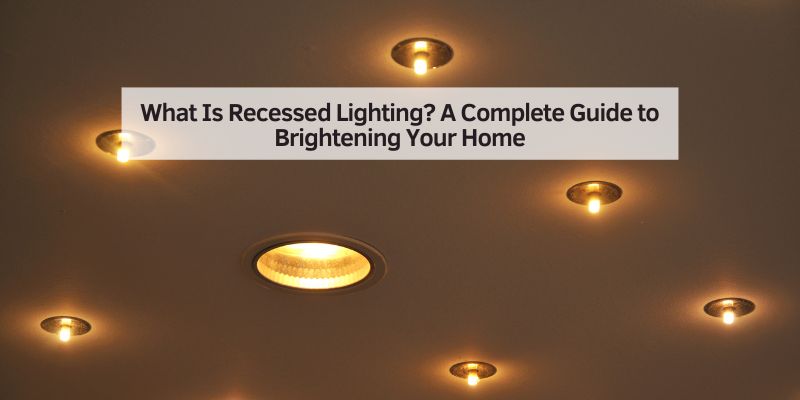
Hey there! If you’re curious about recessed lighting and how it can transform your home, you’re in the right place. I’ve spent years exploring home improvement trends, and let me tell you, recessed lighting is one of those game-changers that can make any space feel modern, cozy, or even luxurious. It’s like the unsung hero of home design—subtle but powerful. So, what is recessed lighting? Simply put, it’s a type of light fixture installed into the ceiling, sitting flush with the surface to create a sleek, streamlined look.
But there’s so much more to it than that. Let’s dive into everything you need to know about recessed lighting, from how it works to why it might be the perfect addition to your home.
I’ve renovated a few spaces in my own house and helped friends with theirs, so I’ve seen firsthand how recessed lighting can elevate a room. Whether you’re sprucing up your kitchen, living room, or even a bathroom, this guide will walk you through the ins and outs. By the end, you’ll feel like a pro, ready to decide if recessed lighting is right for you. Let’s get started!
Understanding Recessed Lighting: The Basics
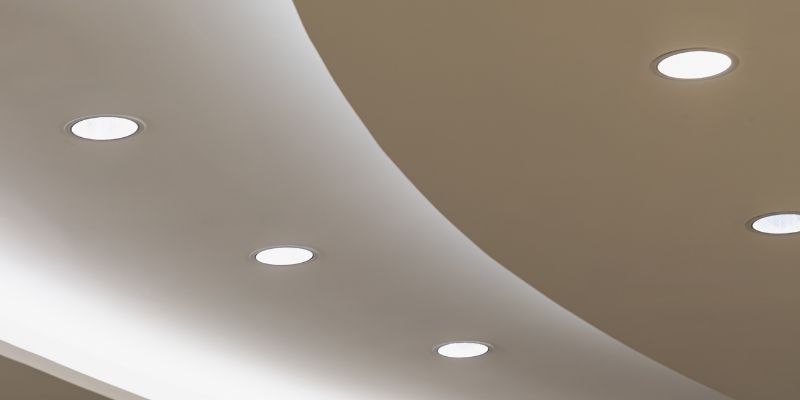
Picture this: you walk into a room, and the ceiling looks clean and uncluttered, but the space is perfectly lit. That’s the magic of recessed lighting. These fixtures, often called can lights or downlights, are installed into a hollow opening in the ceiling. The light source sits above the ceiling line, so all you see is a small, neat opening that emits a soft or focused glow.
I first noticed recessed lighting in a friend’s newly renovated kitchen. The lights were tucked away, and I couldn’t figure out how the room was so bright without any bulky fixtures. That’s when I learned these lights are made up of three main parts: the housing, the trim, and the bulb. The housing is the part hidden in the ceiling, holding everything together. The trim is the visible piece that covers the edge of the hole, and the bulb (or lamp) is what actually produces the light.
What makes recessed lighting so appealing is its versatility. You can use it for general lighting, accent lighting, or even to highlight a specific area, like a piece of art or a countertop. I’ve used it in my living room to create a warm ambiance and in my office to keep things bright and focused. It’s like having a blank canvas—you can customize it to fit your style and needs.
Why Choose Recessed Lighting for Your Home?
You might be wondering, “Why should I consider recessed lighting over other options?” Great question! I asked myself the same thing when I was planning my home’s lighting. After installing recessed lights in a few rooms, I can confidently say they offer some unique benefits.
First, they save space. Unlike chandeliers or pendant lights, recessed lights don’t hang down or take up visual space. This makes them perfect for rooms with low ceilings or small spaces where you want a clean look. In my daughter’s bedroom, which has a lower ceiling, recessed lights made the room feel bigger and less cluttered.
Second, they’re incredibly versatile. You can adjust the brightness, choose different beam angles, or even pick colored trims to match your decor. I’ve seen recessed lights used in everything from cozy cabins to sleek, modern apartments. They just work everywhere.
Finally, they add value to your home. When I was house hunting a few years ago, I noticed that homes with recessed lighting felt more updated and appealing. Real estate agents often say that good lighting can make a home more attractive to buyers, and I’ve seen it make a difference in how spaces are perceived.
Types of Recessed Lighting: Finding the Right Fit
Not all recessed lights are created equal, and that’s a good thing! There are different types to suit various needs, and I’ve learned through trial and error that choosing the right one matters. Let’s break down the main types so you can figure out what works best for your space.
One key distinction is between new construction and remodel recessed lights. New construction lights are installed before the ceiling is finished, so they’re great for homes being built or undergoing major renovations. Remodel lights, on the other hand, are designed for existing ceilings. When I added recessed lighting to my dining room, I used remodel fixtures because the ceiling was already in place. It was a straightforward process, and I didn’t have to tear anything apart.
Another thing to consider is the size of the fixture. Recessed lights come in different diameters, typically 3 to 6 inches. Smaller ones are great for accent lighting, like highlighting a fireplace. Larger ones work better for general lighting in bigger spaces, like a living room. I used 4-inch lights in my kitchen for a balanced look, and they’ve been perfect.
You’ll also come across terms like “fixed” and “adjustable” recessed lights. Fixed lights point straight down, which is great for even, general lighting. Adjustable ones let you tilt the light to focus on a specific spot, like a painting or a reading nook. I have adjustable lights in my hallway to shine on family photos, and it creates such a warm, personal touch.
Here’s a quick table to summarize the types of recessed lighting:
| Type | Best For | Key Feature |
|---|---|---|
| New Construction | New homes or major renovations | Installed before ceiling is finished |
| Remodel | Existing ceilings | Easy to install without major demo |
| Fixed | General lighting | Light points straight down |
| Adjustable | Accent or task lighting | Light can be tilted to focus on a spot |
| Small (3-4 inches) | Accent lighting, small spaces | Subtle and focused |
| Large (5-6 inches) | General lighting, larger rooms | Broad, even light distribution |
How to Plan Your Recessed Lighting Layout
Planning where to put recessed lights can feel overwhelming, but I promise it’s doable with a little thought. When I installed recessed lighting in my living room, I made a few mistakes at first, like spacing the lights too far apart. Here’s what I’ve learned to help you get it right.
Start by thinking about the room’s purpose. In a kitchen, you’ll want brighter, more focused light over work areas like countertops. In a bedroom, softer lighting creates a relaxing vibe. I sketched out my living room on graph paper, marking where furniture would go, to decide where the lights should be. This helped me avoid putting a light directly over the couch, which would’ve been uncomfortable for anyone sitting there.
A good rule of thumb is to space recessed lights about 4 to 6 feet apart, depending on the room’s size and ceiling height. For an 8-foot ceiling, I placed my lights about 4 feet apart to get even coverage. If your ceiling is higher, you might need to space them closer or use lights with a wider beam angle.
Another tip is to think about layers of lighting. Recessed lights are great for ambient or task lighting, but you might want to pair them with other fixtures, like a floor lamp or wall sconces, for a balanced look. In my dining room, I combined recessed lights with a chandelier for a mix of practical and decorative lighting.
Don’t forget about dimmers! I installed dimmer switches in every room with recessed lighting, and it’s been a game-changer. You can lower the lights for a cozy movie night or brighten them for a family game night. It’s like having multiple rooms in one.
Choosing the Right Bulbs for Recessed Lighting
The bulb you choose for your recessed lights can make or break the vibe of your room. I learned this the hard way when I first installed LED bulbs that were too cool and made my kitchen feel like a hospital. Let’s talk about how to pick the right bulb so your space feels just right.
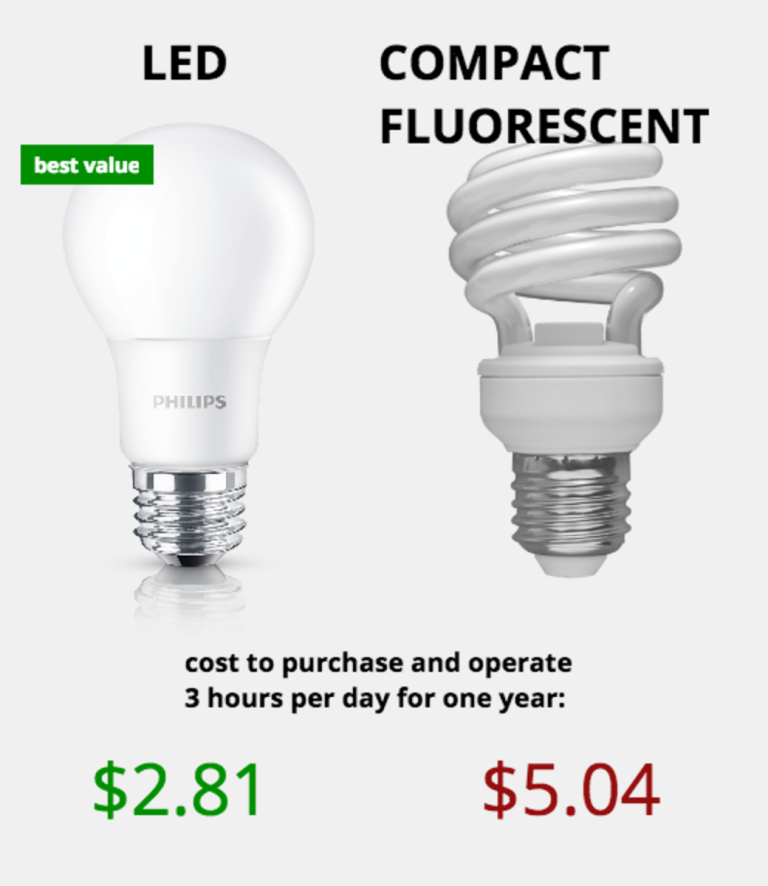
Most recessed lights today use LED bulbs because they’re energy-efficient, long-lasting, and versatile. You’ll want to pay attention to two things: color temperature and lumens. Color temperature, measured in Kelvin (K), determines how warm or cool the light looks. For a cozy feel, like in a living room or bedroom, go for 2700K to 3000K. For task-oriented spaces like kitchens or offices, 3500K to 4100K works better. I switched to 3000K bulbs in my kitchen, and it’s now warm but still bright enough for cooking.
Lumens measure brightness. A typical recessed light needs about 700-800 lumens for general lighting, but you might want more for task areas or less for accent lighting. I use 600-lumen bulbs in my bathroom for a softer glow, and it’s perfect for relaxing baths.
You’ll also need to check the bulb type your fixture requires—some use standard screw-in bulbs, while others need pin-based or GU10 bulbs. Always check the fixture’s specs to avoid buying the wrong one. I made that mistake once and ended up with a drawer full of bulbs I couldn’t use!
Installing Recessed Lighting: DIY or Hire a Pro?
If you’re handy like me, you might be tempted to install recessed lighting yourself. I gave it a go in my home office, and while it was rewarding, it’s not for everyone. Let’s talk about what’s involved so you can decide if it’s a DIY project or one for a professional.
For a DIY install, you’ll need basic tools like a stud finder, drywall saw, and wire cutters, plus some electrical know-how. Safety is key—always turn off the power at the breaker before starting. I used a template to cut perfect holes in the ceiling and followed the fixture’s instructions to connect the wiring. It took me a weekend, but I saved a good chunk of money.
That said, if you’re not comfortable with electrical work or your home has tricky wiring (like mine did in an older section), hiring an electrician is the way to go. A pro can also help with permits, which some areas require for electrical work. When I added lights to my kitchen, I hired an electrician because the ceiling had insulation, and I didn’t want to mess with it. It was worth every penny for the peace of mind.
If you do hire someone, get quotes from a few electricians and check reviews. I learned to ask for a detailed breakdown of costs upfront to avoid surprises. Expect to pay $100-$200 per light for professional installation, depending on your location and the complexity of the job.
Maintaining and Upgrading Your Recessed Lighting
Once your recessed lights are installed, they’re pretty low-maintenance, but a little care goes a long way. I’ve had my lights for a few years now, and a few simple habits keep them looking and working great.
First, clean the trim regularly. Dust and grime can build up, especially in kitchens where grease is a factor. I use a damp cloth to wipe down the trims every few months, and it keeps them shiny and new.
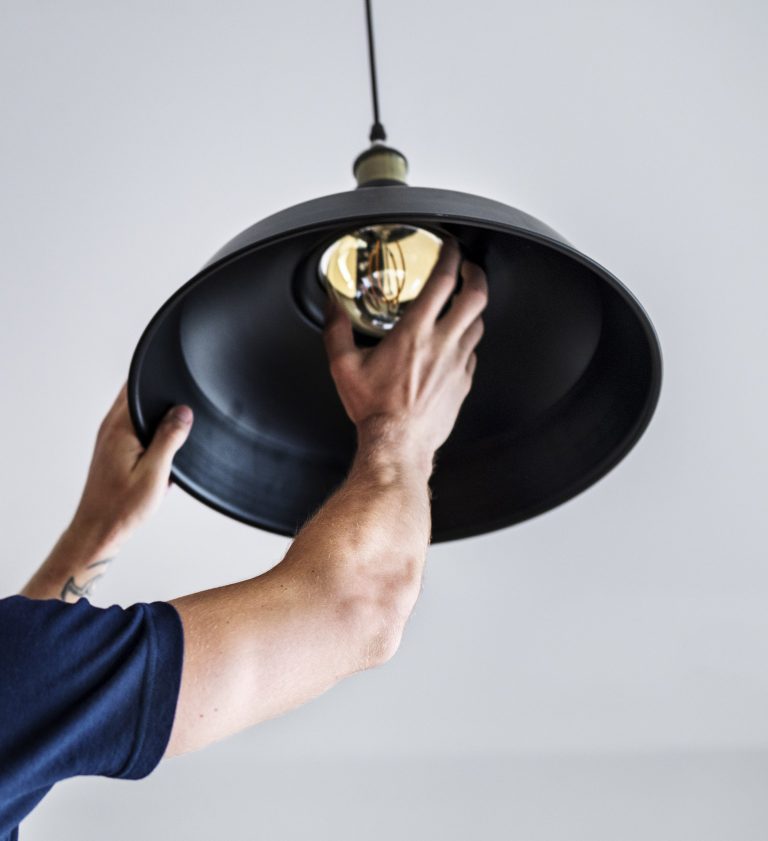
If a bulb burns out, replace it promptly to avoid straining the fixture. I keep a few spare LED bulbs on hand so I’m not caught off guard. Also, check the housing occasionally for signs of wear or loose connections, especially if your lights flicker.
Upgrading is another fun option. I recently swapped out some of my old trims for sleeker, black ones to match my modern decor, and it completely changed the room’s vibe. You can also upgrade to smart bulbs that let you control the lights from your phone or voice assistant. I added smart bulbs to my living room, and now I can dim the lights or change their color without getting off the couch. It’s like living in the future!
Cost of Recessed Lighting: What to Expect
Let’s talk money. I know budgeting is a big part of any home improvement project, and recessed lighting can vary in cost depending on a few factors. When I planned my projects, I broke it down into fixtures, bulbs, and installation.
Fixtures range from $20 to $100 each, depending on the brand and features. Basic remodel fixtures are on the lower end, while smart or specialty fixtures cost more. I spent about $30 per fixture for my dining room and splurged on $50 fixtures for my kitchen to get a more polished look.
Bulbs are another cost. LED bulbs typically cost $5-$15 each, but they last for years, so I see it as an investment. I spent about $10 per bulb for good-quality LEDs and haven’t had to replace them yet.
Installation is the big variable. If you’re doing it yourself, you’ll just need tools and materials, which might run $50-$100 total. Professional installation, as I mentioned, can cost $100-$200 per light. For my five-light kitchen project, I paid about $750 for professional installation, including materials.
To save money, shop around for fixtures and bulbs at hardware stores or online retailers. I found great deals during holiday sales, which helped me stay within budget.
Common Mistakes to Avoid with Recessed Lighting
I’ve made my fair share of mistakes with recessed lighting, and I want to help you avoid them. One big one is not planning the layout carefully. I once placed a light too close to a wall, and it created an awkward shadow. Always sketch out your plan and double-check measurements.
Another mistake is choosing the wrong bulb color temperature. I mentioned my hospital-like kitchen earlier—trust me, you don’t want that! Test a bulb in one fixture before buying a whole set.
Finally, don’t skimp on quality. Cheap fixtures might save you money upfront, but they can flicker or fail sooner. I learned to stick with reputable brands, even if they cost a bit more.
Why Recessed Lighting Is a Game-Changer for Your Home
After installing recessed lighting in multiple rooms, I can honestly say it’s one of the best upgrades I’ve made. It’s not just about the light—it’s about how it makes your home feel. The clean, modern look, the flexibility to create different moods, and the way it opens up a space are hard to beat. Whether you’re updating a single room or your whole house, recessed lighting is worth considering.
I love walking into my living room at night, dimming the lights, and feeling like I’m in a cozy retreat. Or turning up the brightness in my kitchen to make meal prep easier. It’s practical, stylish, and adds that extra touch of polish to any home. If you’re on the fence, start small—maybe add a few lights in one room—and see how it transforms the space. I bet you’ll be hooked, just like I was.
FAQs About Recessed Lighting
Can I install recessed lighting in any room?
Yes, recessed lighting works in almost any room! I’ve used it in kitchens, living rooms, bedrooms, and even bathrooms. Just make sure to use wet-rated fixtures for bathrooms or outdoor areas to handle moisture safely.
How many recessed lights do I need for a room?
It depends on the room’s size and purpose. A general rule is one light per 4-6 feet of ceiling space. For my 12×12 living room, I used four 4-inch lights, and it’s perfectly lit. Larger rooms or task areas might need more.
Are recessed lights energy-efficient?
Absolutely! I use LED bulbs in all my recessed lights, and they use way less energy than traditional bulbs. They also last longer, so I save money on replacements over time.
Can I add recessed lighting to an existing ceiling?
Yes, that’s what remodel fixtures are for! I added them to my dining room without tearing out the ceiling. An electrician can help if you’re not comfortable with the wiring.
Do recessed lights increase home value?
In my experience, yes! Good lighting makes a home feel modern and well-maintained, which buyers love. When I sold my last house, the recessed lighting in the kitchen was a big selling point.