What Is the Canopy of a Light Fixture? A Simple Guide to Brighten Your Space
I’ll never forget my first attempt at installing a chandelier in my dining room. I thought the canopy was just a fancy lid for the ceiling wires—boy, was I wrong! What is the canopy of a light fixture? It’s the part that covers the electrical box where your light connects to the ceiling or wall. This article will explain what a canopy does, why it’s important, and how you can use it to make your home shine. Whether you’re a kid curious about lights or a homeowner tackling a DIY project, I’ve got you covered with easy tips and fun examples.
What Is the Canopy of a Light Fixture?
A canopy is like a hat for your light fixture. It hides the messy wires and the electrical box where your light connects to the ceiling or wall. Think of it as a decorative plate that makes everything look neat and safe. Without a canopy, you’d see ugly wires dangling from your ceiling—not a good look!
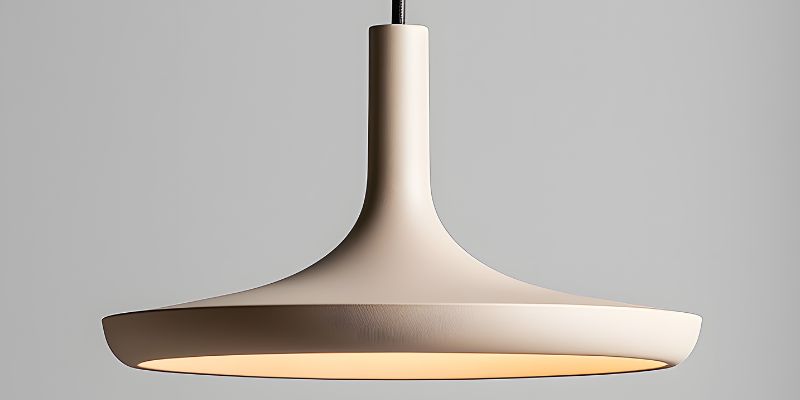
Canopies are used in many lights, like chandeliers, pendant lights, and flush-mount fixtures. They come in all shapes—round, square, or even fancy designs—and materials like metal, glass, or plastic. I once saw a sparkly glass canopy that made a simple pendant light look like a million bucks!
Why Does a Canopy Matter?
A canopy isn’t just for looks. It keeps your light secure and safe. Here’s why it’s a big deal:
- Hides Wires: Covers the electrical box for a clean, polished look.
- Adds Safety: Protects wires from dust or accidental bumps.
- Boosts Style: Matches your room’s vibe, from modern to classic.
Types of Canopies for Light Fixtures
Canopies come in different styles, and picking the right one depends on your light and room. Here are the main types I’ve worked with:
- Surface-Mount Canopies: These sit flat against the ceiling. They’re great for chandeliers or pendant lights. I used one in my kitchen, and it was a piece of cake to install!
- Recessed Canopies: These fit into a hollow space in the ceiling for a sleek, minimalist look. Perfect for modern homes.
- Hang-Straight Canopies: Used for sloped ceilings to keep lights level. I learned this the hard way when my pendant tilted like a wonky hat!
Here’s a table comparing canopy types:
Table 1: Comparing Canopy Types for Light Fixtures
| Canopy Type | Best For | Pros | Cons |
|---|---|---|---|
| Surface-Mount | Chandeliers, Pendants | Easy to install, Affordable | May stick out slightly |
| Recessed | Modern homes | Sleek look, Hidden | Harder to install |
| Hang-Straight | Sloped ceilings | Keeps light level | Limited design options |
Caption: This table helps you pick the right canopy for your light fixture.
How to Install a Light Fixture Canopy
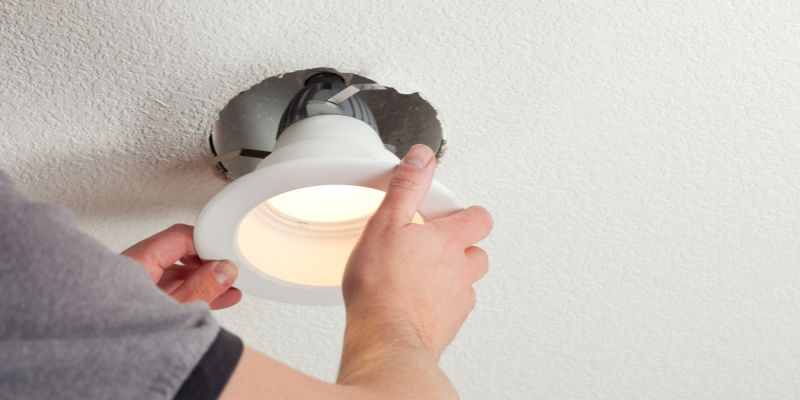
Installing a canopy is easier than it sounds. I installed a pendant light in my living room last year, and it took me under an hour. Here’s a simple step-by-step guide:
- Turn Off Power: Flip the breaker switch to avoid shocks. Safety first!
- Remove Old Fixture: Unscrew the old light and canopy, if there is one.
- Check the Junction Box: Make sure it’s secure in the ceiling.
- Connect Wires: Match the light’s wires to the ceiling wires (black to black, white to white).
- Attach the Canopy: Screw the canopy to the junction box with the provided hardware.
- Test the Light: Turn the power back on and admire your work!
Safety Tip: Always double-check that the power is off before touching wires. I once forgot and got a tiny zap—lesson learned!
For tools, you’ll need a screwdriver, wire stripper, and a ladder. I recommend a basic canopy kit from Home Depot for about $15-$30. They’re sturdy and come with all the screws you need.
Table 2: Tools and Costs for Canopy Installation
| Tool/Material | Purpose | Estimated Cost |
|---|---|---|
| Screwdriver | Secure canopy | $5-$10 |
| Wire Stripper | Prepare wires | $10-$15 |
| Canopy Kit | Mount light | $15-$30 |
Caption: These affordable tools make installing a canopy a breeze.
Benefits and Drawbacks of Light Fixture Canopies
Canopies are awesome, but they’re not perfect. Here’s what I’ve learned from years of installing lights:
Benefits
- Clean Look: Hides wires for a tidy ceiling.
- Easy Maintenance: Surface-mount canopies are simple to clean or replace.
- Versatile Designs: From sleek metal to ornate glass, there’s a canopy for every style.
Drawbacks
- Size Issues: A canopy too small won’t cover the junction box. Measure first!
- Installation Hassle: Recessed canopies can be tricky without pro help.
- Cost: Fancy canopies can get pricey, sometimes over $50.
I once bought a cheap canopy that was too small, and the junction box peeked out like an awkward turtle. Always measure your junction box (usually 4-6 inches wide) before buying.
Personal Tips for Choosing and Using Canopies
After installing dozens of lights, I’ve picked up some tricks:
- Match the Style: Pick a canopy that fits your room. A sleek metal canopy looks great in modern spaces, while a bronze one suits rustic vibes.
- Go Oversized: A slightly larger canopy (6-7 inches) hides ceiling imperfections. I learned this after patching a messy ceiling hole!
- Check Weight: Ensure the canopy can support your light. Heavy chandeliers need sturdy canopies rated for 50+ pounds.
For a fun project, try a DIY canopy. Paint a plain metal canopy with chalkboard paint for a kid’s room. Kids can doodle on it, and it’s a unique touch!
Visual Idea: A diagram showing a canopy covering a junction box with labeled parts (wires, screws, plate) would help beginners visualize the setup. Another idea is a photo of different canopy styles (modern, rustic, ornate) for inspiration.
Common Mistakes to Avoid
Here are mistakes I’ve made (so you don’t have to):
- Wrong Size: Measure your junction box and ceiling space before buying. A 5-inch canopy is standard for most homes.
- Skipping Safety: Always turn off the power. Trust me, shocks aren’t fun!
- Ignoring Style: A mismatched canopy can ruin your light’s look. Stick to one design theme.
Table 3: Common Canopy Mistakes and Fixes
| Mistake | Fix |
|---|---|
| Wrong size canopy | Measure junction box (4-6 inches) |
| Forgetting to turn off power | Check breaker before starting |
| Mismatched style | Match canopy to room decor |
Caption: Avoid these mistakes for a smooth canopy installation.
Frequently Asked Questions
What Does a Canopy Do for a Light Fixture?
It covers the electrical box, hides wires, and supports the light. It also adds style, making your ceiling look neat and polished.
Can I Install a Canopy Myself?
Yes, it’s easy with basic tools like a screwdriver. Turn off the power, connect wires, and screw the canopy to the junction box.
What Size Canopy Do I Need?
A 5-6 inch canopy works for most junction boxes. Measure your box to ensure the canopy covers it completely.
Are Canopies Only for Ceiling Lights?
No, they’re also used for wall sconces. They cover the electrical box and add a decorative touch to walls.
How Do I Choose a Canopy Style?
Pick a material and finish that matches your room. Metal for modern, bronze for rustic, or glass for fancy vibes.
Can I Paint a Canopy?
Yes, use spray paint for metal or glass canopies. Sand lightly and apply primer for a smooth finish.
Are LED Canopies Different?
LED canopies are similar but often slimmer for better heat dissipation. Check compatibility with your fixture.
Conclusion
A canopy is a small but mighty part of a light fixture. It hides wires, keeps things safe, and adds style to your space. Whether you’re installing a pendant light or sprucing up a chandelier, choosing the right canopy is key. Try a DIY project like painting a canopy for a custom look—it’s no sweat! Visit sites like Lighting Connection or Barn Light for inspiration. Got a lighting project in mind? Share your ideas in the comments or give it a try. Your home will glow in no time!