What’s The Difference Between Paint Thinner and Mineral Spirits: Genius Solution
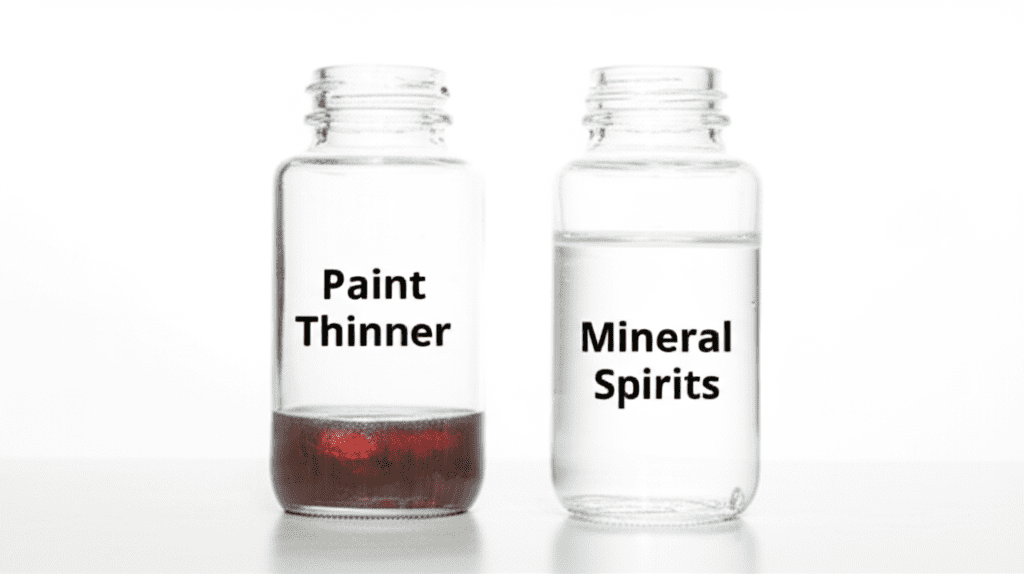
Paint thinner and mineral spirits are often confused, but they have distinct uses. Paint thinner is a more aggressive solvent blend for cleaning tough paint residue and thinning oil-based paints. Mineral spirits are a milder, petroleum-based solvent ideal for general cleaning, degreasing, and thinning oil-based paints and varnishes with less harshness. Understanding their differences ensures you choose the right product for your DIY projects, saving you time and preventing damage.
Hey there, DIYers! Ashraf here. Ever stood in the paint aisle, staring at bottles that look almost identical, wondering, “What’s the difference between paint thinner and mineral spirits?” It’s a common question, and honestly, it can be a bit confusing. Both are solvents, and both can clean up paint, but they aren’t always interchangeable. Using the wrong one can mean a messy cleanup, a ruined finish, or even damage to your tools and surfaces.
Don’t worry, though! We’re going to break down these two essential solvents in a way that makes perfect sense. By the end of this, you’ll know exactly when to grab paint thinner and when mineral spirits are your best bet. We’ll cover what they are, how they work, their best uses, and some simple safety tips. Ready to clear up the confusion and tackle your next project with confidence? Let’s dive in!
Understanding Solvents: The Basics
Before we get into the nitty-gritty of paint thinner versus mineral spirits, let’s quickly touch on what solvents are. Simply put, a solvent is a substance that can dissolve or break down another substance. Think of it like this: water dissolves sugar. Solvents in the DIY world are usually liquids that can dissolve things like paint, grease, oils, and adhesives. They’re incredibly useful for cleaning, thinning, and preparing surfaces.
The key thing to remember is that not all solvents are created equal. Some are mild, while others are much stronger. This is where our main players, paint thinner and mineral spirits, come in. They fall into different categories based on their chemical makeup and how strong they are.
What Exactly Are Mineral Spirits?
Mineral spirits, also known as Stoddard solvent or white spirit, are a petroleum-derived solvent. They are essentially a mixture of different hydrocarbon chemicals. Think of them as a gentler, all-purpose solvent that’s been around for ages.
Mineral spirits are made from distilling petroleum. The process removes most of the aromatic hydrocarbons, making them less toxic and less flammable than some other solvents. This makes them a popular choice for general-purpose cleaning and thinning.
Key Characteristics of Mineral Spirits:
Origin: Petroleum-based.
Strength: Mild to moderate solvent power.
Odor: Characteristic petroleum smell, but generally less pungent than paint thinner.
Evaporation Rate: Moderate; they don’t flash off too quickly, giving you some working time.
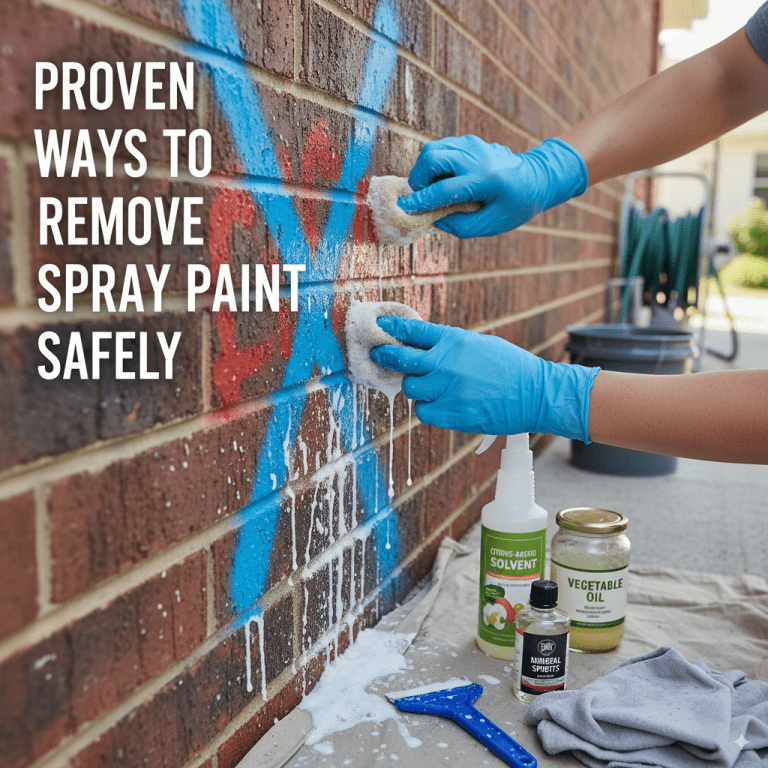
Primary Uses: Cleaning brushes, rollers, and tools used with oil-based paints and varnishes; thinning oil-based paints and varnishes to a desired consistency; degreasing surfaces.
You’ll often find them recommended for cleaning up latex paint spills as well, though they are most effective with oil-based products. Their moderate strength means they’re less likely to damage surfaces or finishes if used correctly.
What is Paint Thinner?
Paint thinner is a bit of a catch-all term, but it generally refers to a stronger, more aggressive solvent blend designed to break down paint more effectively. While mineral spirits are a type of solvent that can be used as a paint thinner, “paint thinner” as a product label often indicates a more potent mixture.
Paint thinners are typically blends of various solvents, which can include mineral spirits, but often also contain stronger chemicals like toluene, xylene, or naphtha. These additional components give paint thinner a more powerful dissolving action.
Key Characteristics of Paint Thinner:
Origin: Can be petroleum-based, but often a blend of various chemical solvents.
Strength: Strong solvent power, capable of dissolving tougher, dried paint residues.
Odor: Can be stronger and more pungent than mineral spirits due to the presence of more volatile chemicals.
Evaporation Rate: Can vary, but often faster than mineral spirits, meaning they evaporate more quickly.
Primary Uses: Thinning heavy oil-based paints and enamels; cleaning stubborn, dried paint from brushes, tools, and spray equipment; removing old paint or varnish.
Because of their stronger nature, paint thinners are excellent for heavy-duty cleaning and for thinning paints that are particularly thick or difficult to work with. However, this strength also means you need to be more careful with them.
The Core Differences: A Side-by-Side Look
Let’s put these two side-by-side to really highlight what sets them apart. The main differences lie in their composition, strength, and the types of jobs they are best suited for.
| Feature | Mineral Spirits | Paint Thinner |
| :—————- | :————————————————– | :———————————————————– |
| Base | Petroleum distillate (hydrocarbons) | Often a blend, can include mineral spirits plus stronger solvents (e.g., toluene, xylene, naphtha) |
| Solvent Power | Mild to moderate | Moderate to strong |
| Primary Use | General cleaning, thinning oil-based paints/varnish | Thinning heavy paints, cleaning stubborn/dried paint |
| Evaporation | Moderate | Can be faster, depending on the blend |
| Surface Impact| Less likely to damage finishes or plastics | Can potentially damage certain plastics or delicate finishes |
| Odor | Petroleum-like, less pungent | Can be stronger, more pungent |
| Safety | Generally safer, less volatile | Requires more caution due to stronger chemicals and volatility |
Think of it like this: Mineral spirits are your reliable workhorse for everyday tasks, while paint thinner is your heavy-duty cleaner for when the job gets tough.
When to Use Mineral Spirits
Mineral spirits are incredibly versatile and a staple in many DIY toolkits. Their moderate strength makes them ideal for a range of applications where you need effective cleaning or thinning without the risk of damaging your materials.
1. Cleaning Brushes and Rollers (Oil-Based Paints)
This is perhaps the most common use for mineral spirits. After you’ve finished painting with oil-based paints, stains, or varnishes, mineral spirits are your go-to for cleaning your brushes, rollers, and other tools.
How to: Pour some mineral spirits into a container. Swish your brushes or rollers in the solvent, working the paint out. You might need to use a brush comb or paper towels to help remove the dissolved paint. Repeat with fresh solvent until the tools are clean. For a final clean, you can wash them with soap and water.
Why it works: Mineral spirits effectively dissolve the oil binders in the paint, allowing them to be washed away.
2. Thinning Oil-Based Paints and Varnishes
If your oil-based paint or varnish is a bit too thick for smooth application, mineral spirits can help you achieve the right consistency.
How to: Add mineral spirits very slowly, a little at a time, while stirring. Don’t over-thin, as this can weaken the paint film and affect its durability. Check the paint can for specific thinning recommendations.
Why it works: They reduce the viscosity of the paint, making it flow more easily from your brush or spray gun.
3. General Cleaning and Degreasing
Mineral spirits are excellent for wiping down surfaces before painting to remove grease, oil, and grime. They can also be used to clean up sticky residue left behind by labels or tape.
How to: Apply to a clean cloth and wipe the surface. Ensure good ventilation and wear gloves.
Why it works: Their solvent action cuts through oils and greases.
4. Removing Wax and Polish Residue
If you’ve used furniture polish or wax and need to remove the residue before refinishing, mineral spirits can help.
How to: Wipe the surface with a cloth dampened with mineral spirits.
Why it works: They dissolve waxy substances.
When to Use Paint Thinner
Paint thinner steps in when you need more “oomph” to tackle tougher jobs. Its stronger solvent action is perfect for situations where mineral spirits might not be enough.
1. Cleaning Stubborn or Dried Paint
If you’ve forgotten to clean your brushes or tools and the oil-based paint has dried on them, paint thinner is often more effective at breaking down that hardened residue than mineral spirits.
How to: Soak the affected tools in paint thinner. You may need to let them sit for a while to allow the solvent to work. Use a brush comb or stiff brush to help scrub away the dissolved paint.
Why it works: The stronger solvents in paint thinner can penetrate and break down even dried oil-based paint.
2. Thinning Heavy-Duty Paints and Enamels
For very thick oil-based paints, enamels, or lacquers (though always check product compatibility), paint thinner can be a better choice for achieving a workable consistency.
How to: Add very sparingly, stirring as you go. Be cautious, as too much can compromise the paint’s integrity. Always refer to the paint manufacturer’s recommendations.
Why it works: Its aggressive nature thins very viscous coatings effectively.
3. Removing Old Paint or Varnish
When you need to strip old paint or varnish from a surface, a strong paint thinner can be a component of the stripping process.
How to: Apply the paint thinner with a brush or cloth, let it sit for a short period to soften the old finish, then scrape it away. Always test in an inconspicuous area first.
Why it works: The strong solvents can soften and lift old paint layers.
4. Cleaning Paint Spray Equipment
For professional sprayers or even simpler spray cans, paint thinner can be effective for cleaning out dried paint or residue from the mechanisms.
How to: Follow the equipment manufacturer’s cleaning instructions, which often involve flushing with an appropriate solvent like paint thinner.
Why it works: It can dissolve paint that might clog spray nozzles and lines.
Important Safety Precautions for Both
Whether you’re using mineral spirits or paint thinner, safety is paramount. These are chemicals, and they require respect and proper handling.
1. Ventilation is Key
Always use both solvents in a well-ventilated area. Open windows and doors, or work outdoors if possible. Fumes can be harmful if inhaled in large quantities.
2. Wear Protective Gear
Gloves: Wear chemical-resistant gloves (like nitrile or neoprene) to protect your skin. Solvents can dry out your skin and may be absorbed.
Eye Protection: Always wear safety glasses or goggles to prevent splashes from getting into your eyes.
Respirator: For prolonged use or in poorly ventilated areas, consider wearing a respirator with organic vapor cartridges.
3. Keep Away from Ignition Sources
Both mineral spirits and paint thinner are flammable. Keep them away from open flames, sparks, pilot lights, hot surfaces, and static electricity.
4. Proper Storage
Store solvents in their original, tightly sealed containers in a cool, dry place, away from direct sunlight and heat.
5. Disposal
Never pour solvents down the drain or into the environment. Check with your local waste management authority for proper disposal methods for hazardous waste. Many hardware stores and recycling centers accept used solvents. You can learn more about safe chemical disposal from the U.S. Environmental Protection Agency (EPA) or your local environmental agency.
6. Test First
Before using either solvent on a large area or a delicate surface, always test it in an inconspicuous spot to ensure it doesn’t cause damage or discoloration.
Can You Substitute One for the Other?
This is where the “genius solution” comes in – knowing when you can and when you shouldn’t swap them.
Using Paint Thinner as Mineral Spirits: You can often use paint thinner in place of mineral spirits for cleaning and thinning, especially if the paint is stubborn. However, because it’s stronger, you need to be extra cautious. It might evaporate faster, potentially leaving brush marks if you’re not careful when thinning paint. It could also damage certain plastics or finishes that mineral spirits wouldn’t affect. So, while possible, it’s not always ideal.
Using Mineral Spirits as Paint Thinner: Mineral spirits can be used as a thinner for many oil-based paints. If your paint isn’t overly thick or difficult, mineral spirits will likely do the job perfectly well. However, if you’re dealing with a very thick enamel or a paint that has started to dry and harden, mineral spirits might not be strong enough to thin it effectively. In these cases, you’d be better off using a dedicated paint thinner.
The Genius Solution: Always check the product label of your paint or varnish. It will usually specify the recommended solvent for thinning and cleanup. If it says “mineral spirits,” using them is best. If it suggests a “paint thinner” or a specific chemical, use that. If it’s a general “oil-based” product and you’re unsure, start with mineral spirits for cleaning and thinning. If they don’t seem to be working effectively, then consider a stronger paint thinner, but proceed with caution.
Beyond Paint: Other Uses for Solvents
While their primary role is in painting projects, both mineral spirits and paint thinners have other practical applications around the house and workshop.
Mineral Spirits Uses:
Removing Adhesive Residue: Great for taking off sticky labels or tape residue.
Cleaning Garden Tools: Can help remove sap and grime from pruning shears and other metal garden tools.
Restoring Shine to Metal: Can sometimes bring back the shine to dull metal surfaces by removing tarnish and grime.
Lubricant Carrier: Can be used to carry light lubricating oils into tight spaces.
Paint Thinner Uses:
Cleaning Grease and Grime: Its stronger action makes it effective for degreasing heavily soiled machinery parts.
Stripping Wax Buildup: Can help remove heavy wax buildup from floors or furniture before refinishing.
Cleaning Paint Spray Guns: Essential for maintaining professional spray equipment.
A Note on Lacquer Thinner: It’s worth mentioning lacquer thinner as another common solvent. Lacquer thinner is even more aggressive than general paint thinner and is specifically designed for thinning and cleaning lacquer-based finishes. It evaporates very quickly and can be quite harsh, so it’s generally not a substitute for mineral spirits or standard paint thinner unless specifically called for.
Frequently Asked Questions (FAQs)
Frequently Asked Questions
Here are some common questions beginners have about paint thinner and mineral spirits.
Q1: Can I use mineral spirits to clean latex paint?
While mineral spirits are most effective for oil-based paints, they can sometimes help clean up wet latex paint. However, water and soap are usually sufficient for latex paint cleanup. For dried latex paint, you might need a stronger solvent, but always check the paint manufacturer’s recommendations.
Q2: Is paint thinner safe for all types of plastic?
No, paint thinner can be very harsh and can damage or melt many types of plastic. Always test it on an inconspicuous area of the plastic first. Mineral spirits are generally less aggressive towards plastics, but testing is still recommended.
Q3: How long do mineral spirits take to dry?
Mineral spirits have a moderate evaporation rate. They will typically dry within a few minutes to an hour, depending on the temperature, humidity, and how thickly they were applied. For thinning paint, they allow enough time for application without drying too quickly.
Q4: Can I use paint thinner to thin water-based paints?
Absolutely not. Water-based paints (like latex or acrylics) should only be thinned with water. Using paint thinner on water-based paint will likely ruin the paint, causing it to clump, separate, or become unusable.
Q5: Are there eco-friendly alternatives to mineral spirits or paint thinner?
Yes, there are some biodegradable or citrus-based cleaners available that can perform similar functions, though they may be less potent. Always check the product’s specifications and ensure it’s suitable for your specific task and materials. For example, some soy-based solvents are an option for cleaning brushes.
Q6: What happens if I use too much solvent when thinning paint?
Over-thinning paint with any solvent can weaken the paint film, reduce its adhesion, cause sagging or running, and diminish its durability and sheen. It’s always best to add solvent gradually and only as much as needed to achieve the desired consistency, following the manufacturer’s guidelines.
Conclusion: Your Solvent Smarts
So, there you have it! The mystery of paint thinner versus mineral spirits is solved. You now know that mineral spirits are your reliable, moderately strong solvent for general cleaning and thinning of oil-based products, while paint thinner is your heavy-duty champion for tougher jobs and more stubborn residues.
Remember the key differences: mineral spirits are petroleum distillates, gentler and more versatile for everyday tasks. Paint thinner is often a blend, more potent, and best for challenging cleanups or thinning thicker coatings. Always read your paint can, prioritize safety with good ventilation and protective gear, and test in an inconspicuous area. By understanding these distinctions, you’ll not only get better results on your DIY projects but also protect your tools and surfaces. Happy creating, and stay safe out there!