Where to Buy a Dwarf Weeping Cherry Tree (Best Sources)
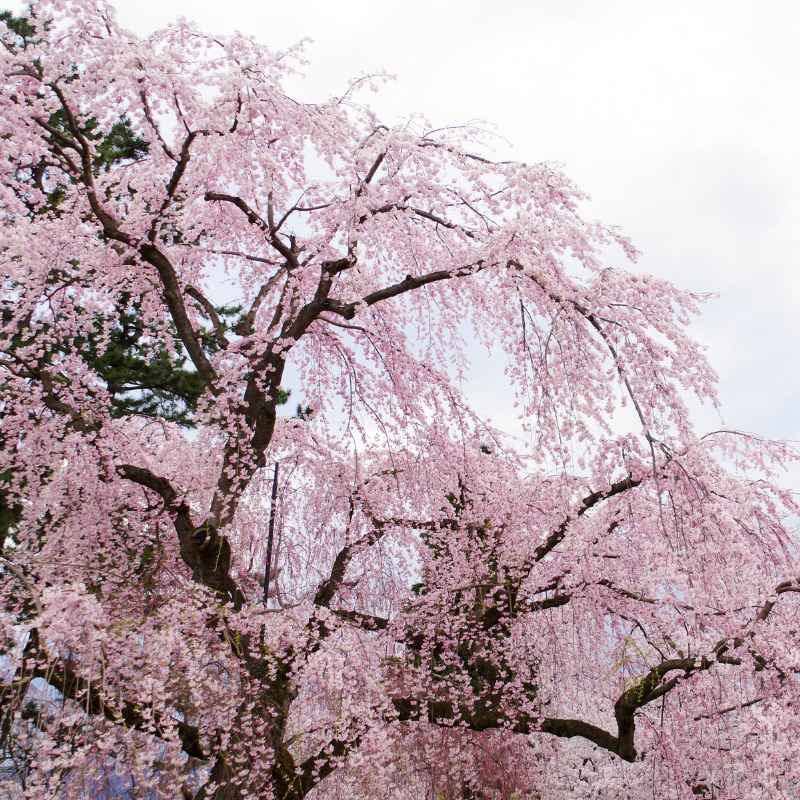
Finding where to buy a dwarf weeping cherry tree is the first step toward adding this stunning ornamental specimen to your garden. This guide covers the best online nurseries, local sources, and key buying tips to help you choose a healthy tree that will thrive for years.
Simply put, the best places to buy a dwarf weeping cherry tree are online specialty nurseries like Nature Hills Nursery and Fast Growing Trees for selection and guarantees, and local garden centers for hands-on inspection. Avoid big box stores unless you can verify tree health. Expect to pay between $45 and $120 depending on size and source.
Key Takeaways
- Online specialty nurseries offer the widest variety of dwarf weeping cherry cultivars with strong health guarantees and shipping protection.
- Local garden centers let you inspect the tree in person, check root quality, and get expert regional advice on planting.
- Big box stores often carry limited selections and may not provide the same care or guarantees as dedicated nurseries.
- Mail-order catalogs from legacy growers like Stark Bro’s and Arbor Day Foundation remain reliable sources with decades of experience.
- Price varies widely — expect $45–$80 for a 2–3 foot sapling and $80–$120 for a more mature 4–5 foot specimen.
Online Specialty Nurseries — Best Overall Selection
Online specialty nurseries dominate the market for dwarf weeping cherry trees, offering dozens of cultivars that local stores simply cannot stock. These sellers focus exclusively on trees and shrubs, so their stock is typically healthier and better cared for than what you find at general retailers.
According to the American Nursery and Landscape Association, more than 70% of ornamental tree purchases now happen online, driven by convenience and broader selection. Specialty nurseries also ship directly from their own growing fields, meaning the tree spends less time in transit than one moving through a retail supply chain.
Top Online Nurseries for Dwarf Weeping Cherry Trees
- Nature Hills Nursery — Offers 10+ cultivars including ‘Snow Fountain’ and ‘Pendula Rosea’; 1-year guarantee on all trees; ships in custom plantable pots
- Fast Growing Trees — Known for rapid shipping and strongly rooted specimens; ‘Hiromi’ dwarf variety is a bestseller; 30-day replacement guarantee
- Brighter Blooms Nursery — Specializes in flowering ornamentals; ‘Double Weeping Higan’ cherry available in 3–4 foot sizes; free shipping on orders over $99
- Monrovia — Premium grower with exclusive cultivars; trees are pruned and shaped before shipping; slightly higher prices but exceptional quality
- Arbor Day Foundation — Non-profit source; each purchase plants a tree elsewhere; ‘Weeping Extraordinaire’ dwarf available; member discounts
| Nursery | Cultivars Available | Price Range | Guarantee |
|---|---|---|---|
| Nature Hills | 10+ | $55–$95 | 1 year |
| Fast Growing Trees | 6–8 | $45–$80 | 30 days |
| Brighter Blooms | 4–6 | $65–$110 | 1 year |
| Monrovia | 5–7 | $70–$120 | Limited |
| Arbor Day Foundation | 3–4 | $40–$70 | 1 year |
Each of these online sources handles shipping differently. Nature Hills uses a specialized box with internal bracing to prevent branch breakage, while Fast Growing Trees ships in moisture-retaining sleeves. Always read the shipping policy before ordering — some nurseries refuse replacement for trees damaged during transit.
Tip: Order your dwarf weeping cherry tree in early spring or early fall for the best survival rates. Summer heat and winter freezing both stress newly transplanted trees.
Local Garden Centers and Nurseries — See Before You Buy
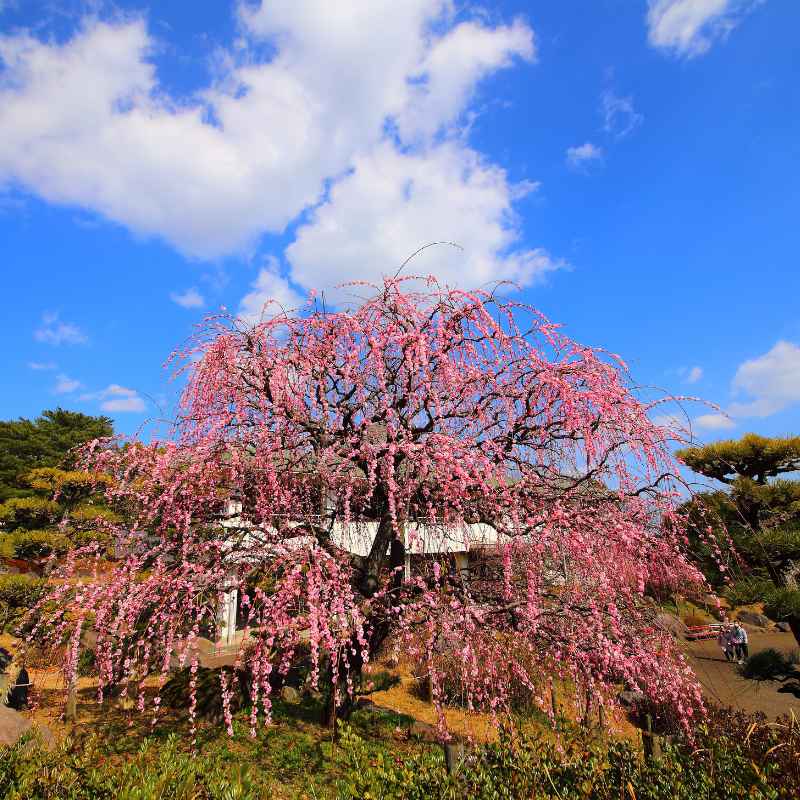
Buying a dwarf weeping cherry tree from a local garden center gives you the advantage of seeing the tree in person before you commit. You can examine the trunk for scars or cracks, check leaf color for signs of disease, and verify the graft union is solid and properly healed.
The National Gardening Association reports that 35% of home gardeners still prefer purchasing trees from local nurseries, citing the ability to ask regional experts about soil compatibility and care. Local centers also stock trees already acclimated to your area’s climate, which reduces transplant shock significantly.
What to Look for When Inspecting a Tree in Person
- Graft union health — The swollen knot where the weeping top meets the rootstock should be firm, with no cracking or oozing sap
- Branch structure — Look for evenly spaced branches with a natural weeping habit; avoid trees where all branches grow in one direction
- Leaf condition — Leaves should be deep green (or the cultivar’s natural color) without yellowing, brown edges, or spots
- Root exposure — For container trees, gently check that roots aren’t circling the pot bottom, which indicates being rootbound
- Trunk diameter — A 1-inch caliper trunk at 6 inches above the graft is ideal for a 3–4 year old tree
Local garden centers typically carry fewer cultivars than online nurseries — usually 2 to 4 varieties. The most common dwarf weeping cherry you will find locally is ‘Snow Fountain’, known for its pure white blossoms and compact 8–12 foot mature size. Prices at local centers tend to run 15–25% higher than online because of overhead costs, but you save on shipping and get immediate possession.
Important: Call ahead to verify a local nursery stocks dwarf weeping cherry trees. Many only receive shipments in early spring (March–April) and sell out quickly. Ask them to hold a tree for you if possible.
Big Box Home Improvement Stores — Convenient but Limited
Home improvement stores like Lowe’s, Home Depot, and Menards offer the convenience of one-stop shopping, but their tree selection is often limited and inconsistent. These stores typically source from large wholesale growers who prioritize volume over variety, so you are unlikely to find rare cultivars or expertly pruned specimens.
The quality of trees at big box stores varies dramatically by location and season. A store in a warmer climate may receive healthier stock than one in a northern zone where trees sit on pallets through cold nights. Trees are often displayed without proper irrigation or protection from wind, leading to desiccation and stress before you even buy.
| Factor | Big Box Store | Specialty Nursery |
|---|---|---|
| Cultivar variety | 1–3 common types | 6–15+ types |
| Tree age/size | 1–2 years, small | 3–5 years, larger |
| Health guarantee | 1 year (limited) | 1 year (full) |
| Expert advice | Rarely available | Staff have horticulture training |
| Price | $30–$55 | $45–$120 |
If you do buy from a big box store, inspect the tree carefully. Look for cracked pots, dried soil, or weeds growing in the container — all signs of neglect. The best time to find dwarf weeping cherry trees at these stores is early spring, right after their first shipment arrives before stock has sat around for weeks.
Warning: Avoid buying a dwarf weeping cherry tree from big box stores in late summer or fall. Trees left on lot for months often have damaged roots, pest infestations, or advanced transplant shock that reduces survival chances.
Mail-Order Tree Catalogs — Old-Fashioned Reliability
Mail-order catalogs from heritage nurseries like Stark Bro’s, Gurney’s, and the Arbor Day Foundation remain a trusted source for dwarf weeping cherry trees. These companies have been in business for generations and maintain rigorous growing standards. Their catalogs provide detailed descriptions of each cultivar’s growth habit, bloom color, mature size, and USDA zone suitability.
One advantage of catalog ordering is the depth of information you receive. Each tree listing typically includes pollination requirements, soil pH preferences, pruning recommendations, and disease resistance ratings. Many catalogs also feature customer reviews and growing tips specific to your region.
- Stark Bro’s — Offers ‘Weeping Higan’ and ‘Pendula’ dwarf varieties; 1-year warranty; free planting guide with every order
- Gurney’s Seed & Nursery — Carries ‘Snow Fountain’ and ‘Double Weeping’; known for strong root systems; 1-year guarantee
- Arbor Day Foundation — Non-profit with membership discounts; trees are field-grown and hand-dug; limited cultivars but high survival rates
- Jung Seed Company — Specializes in cold-hardy dware weeping cherries for northern zones; ships in biodegradable pots
- Spring Hill Nurseries — Focus on flowering ornamentals; ‘Pink Cascade’ dwarf available; satisfaction guarantee
Mail-order trees typically arrive bare-root, meaning they are dug from the field while dormant and shipped without soil. This method is actually better for the tree — bare-root transplanting causes less shock than moving a potted tree with disturbed root structure. The key is to plant immediately upon arrival and keep the roots moist until they go into the ground.
Tip: When you receive a bare-root dwarf weeping cherry tree from a catalog, soak the roots in a bucket of water for 2–4 hours before planting. This rehydrates the root system and dramatically improves establishment success.
Plant Auction Sites and Marketplaces — Budget-Friendly Options
Online marketplaces like eBay, Etsy, and Facebook Marketplace have become popular venues for buying dwarf weeping cherry trees, often at significantly lower prices than nursery stock. Individual sellers and small home growers list trees in various sizes, from small rooted cuttings to mature specimens in containers.
However, buying from these platforms carries real risks. The National Plant Board estimates that nearly 12% of plants sold through online marketplaces show signs of pests or disease not visible in listing photos. Without the growing standards and inspection protocols that professional nurseries follow, you are more likely to receive a tree with hidden problems.
How to Safely Buy from Marketplaces
- Check seller reviews carefully — Look for sellers with at least 100 positive reviews specifically for live plants, not just general merchandise
- Ask about rootstock — Many dwarf weeping cherries are grafted onto specific rootstocks; know which rootstock the seller uses to ensure zone compatibility
- Request photos of the graft union — A clear photo of the graft area reveals whether the tree is properly formed or has a weak connection
- Verify shipping method — Confirm the seller uses priority shipping with insulation; trees stuck in transit for 5+ days rarely survive
- Look for plant health certificates — Sellers shipping across state lines should have a phytosanitary certificate from the USDA
Prices on marketplaces can be 30–50% lower than nursery sources, with small bare-root trees often selling for $15–$30. But the trade-off is variability. Some eBay and Etsy sellers are backyard growers with excellent stock, while others dig up trees from unknown sources.
If you buy from a marketplace, choose sellers who specialize in ornamental trees rather than general plant sellers.
Important: Always use a payment method with buyer protection (PayPal Goods and Services or a credit card) when buying plants from online marketplaces. Avoid sellers who request Venmo or CashApp for live plant purchases.
How to Choose a Healthy Dwarf Weeping Cherry Tree
Whether you buy from a nursery, garden center, or online marketplace, knowing what a healthy tree looks like is essential. A dwarf weeping cherry tree that is stressed or damaged at purchase time is far more likely to fail in the first year. Spend five minutes inspecting the tree before you pay, and you will save yourself frustration later.
Dave’s Garden, a leading online gardening community, surveyed over 2,000 home gardeners and found that 68% of tree failures in the first year could be traced back to problems visible at the time of purchase. The most common issues were girdling roots, graft failure, and pest damage that buyers simply overlooked.
- Check the graft union first — The graft should be at least 6 inches above the root flare, smooth, and free of cracks. A wobbly graft means the tree will likely snap in wind
- Examine the trunk for wounds — Scrapes, gouges, or sunken areas indicate physical damage that will attract pests and disease
- Look at branch angles — Healthy weeping branches should angle downward naturally, not stick out horizontally or upward
- Inspect the root system — For container trees, roots should be white or light tan, not brown, mushy, or circling the pot
- Test leaf turgor — Gently squeeze a leaf between your fingers; it should feel firm and spring back, not limp or crispy
| Tree Part | Healthy Sign | Red Flag |
|---|---|---|
| Graft union | Firm, smooth, dry | Cracked, wet, wobbly |
| Leaves | Deep green, firm, uniform | Yellow, spotted, curling |
| Trunk | Straight, no wounds | Gouges, sunken spots, cracks |
| Roots (container) | White, dispersed, moist | Brown, circling, dry, mushy |
| Branches | Flexible, weeping naturally | Brittle, sticking upward, broken |
Take your time during inspection. A healthy dwarf weeping cherry tree should feel sturdy in its container, with no excessive wobble. The potting medium should be moist but not waterlogged, and there should be no foul smell coming from the drainage holes — that indicates root rot.
What to Look for When Buying Online vs In-Person
Buying a dwarf weeping cherry tree online and buying one in person are fundamentally different experiences, each with its own set of advantages and pitfalls. Your choice depends on what matters more to you: selection and convenience, or the ability to inspect before purchase.
Buying Online
- Wider selection — Online nurseries offer 5–15+ cultivars versus 2–4 at local stores
- Detailed descriptions — You get mature size, zone range, bloom time, and care instructions upfront
- Shipping stress — The tree endures 2–5 days in a dark box, which can cause leaf drop and branch damage
- Guarantees matter — A good nursery will replace a dead tree within the first year; read the fine print
- Root quality varies — Some online sellers ship bare-root, others use pots; bare-root is actually better for transplanting
Buying In-Person
- Hands-on inspection — You see the exact tree you are getting, including any defects
- Immediate possession — No waiting for shipping; you take the tree home the same day
- Regional acclimation — Local nursery trees are already adapted to your climate and growing season
- Higher price — You typically pay a premium for the convenience of local retail
- Limited stock — If the nursery only has 3 trees, your options are narrow; you may settle for what is available
Tip: If you buy online, choose a nursery located in a similar climate zone to yours. A tree grown in Oregon will adapt better to Washington than one grown in Florida. Check the nursery’s growing location before ordering.
A hybrid approach works well for many buyers: research cultivars online first, read reviews on Dave’s Garden or Houzz, then call local nurseries to see if they carry your chosen variety. If you cannot find it locally, order from an online specialty nursery with strong guarantees and ship to your home during mild weather.
Frequently Asked Questions
Where can I buy a dwarf weeping cherry tree near me?
Check local independent garden centers and nurseries that specialize in ornamental trees. Call ahead during early spring (March–April) when most receive their tree shipments. Big box stores like Lowe’s and Home Depot also carry them seasonally but with limited selection.
Use the finder tools on the American Nursery and Landscape Association website to locate nearby independent nurseries.
How much does a dwarf weeping cherry tree cost?
Prices typically range from $40 to $120 depending on size, age, and source. A 2–3 foot bare-root sapling from an online nursery runs $45–$65. A larger 4–5 foot potted specimen from a garden center costs $80–$120.
Rare cultivars like ‘Double Weeping Higan’ can reach $150 from premium growers like Monrovia.
What is the best dwarf weeping cherry tree cultivar for small gardens?
‘Snow Fountain’ is the most popular choice for small spaces, maturing at 8–12 feet tall with a 6–10 foot spread. ‘Hiromi’ reaches only 4–6 feet, making it ideal for containers or tiny yards. ‘Pendula Rosea’ offers pink blossoms and stays under 10 feet.
All three thrive in USDA zones 5–8.
Can I buy a dwarf weeping cherry tree online and have it shipped?
Yes, most major online nurseries ship nationwide. The best time to order is early spring (March–April) or early fall (September–October) when temperatures are mild. Look for nurseries that offer a 1-year replacement guarantee and ship with temperature-controlled packaging.
Always plant within 24–48 hours of arrival.
What should I check before buying a dwarf weeping cherry tree from a big box store?
Inspect the graft union for cracks or wobbling, check leaves for yellowing or spots, and examine roots for circling or rot. Avoid trees with dried-out soil, weeds in the pot, or visible pest damage. Ask about the store’s return policy — many offer a 1-year guarantee but require the original receipt and packaging.
Final Thoughts
Finding where to buy a dwarf weeping cherry tree comes down to balancing selection, price, and the ability to inspect in person. Online specialty nurseries give you the widest choice and strongest guarantees, while local garden centers let you hand-pick a healthy tree. Avoid big box stores unless you can carefully inspect the stock, and be cautious on marketplace platforms.
Whichever source you choose, invest time in checking the tree’s health at purchase — that small effort pays off with years of graceful weeping blooms in your landscape.
Sponsored / affiliate links. As an Amazon Associate I earn from qualifying purchases. I may earn additional commission from eligible campaigns.