Who Invented The LED Light Bulb: A Bright Story
When I was a kid, I loved flipping on the light switch and watching my room glow. But I never thought about who made that magic happen! Let’s dive into the story of who invented the LED light bulb, a tiny invention that changed our world. I’ll share what I’ve learned from tinkering with lights and reading up on this cool topic. This article will cover the history, how LEDs work, fun ways to use them, and tips to avoid common mistakes. Whether you’re a curious beginner or a tech enthusiast, you’ll find something to spark your interest!
What Is an LED Light Bulb?
An LED light bulb is a super cool way to light up a room. LED stands for Light Emitting Diode, a tiny chip that glows when electricity runs through it. Unlike old-school bulbs, LEDs don’t use a hot filament. They’re energy-saving champs, using up to 80% less power than traditional bulbs. They also last way longer—think 25,000 hours! That’s like keeping a light on for three years straight. LEDs are everywhere now, from your desk lamp to fancy car headlights.
Why do LEDs matter? They save money on electric bills and help the planet by using less energy. Plus, they come in fun colors like warm white or bright blue. My first LED bulb was a game-changer—no more burning my fingers on hot bulbs!
The History of the LED Light Bulb
The story of the LED light bulb is like a relay race with many brilliant minds passing the baton. Let’s break it down.
Early Sparks: The First Ideas
Back in 1907, a British engineer named Henry Joseph Round noticed something wild while playing with silicon-carbide crystals. They glowed when he ran electricity through them! This was called electroluminescence, the key idea behind LEDs. But his discovery was more like a cool science trick—no one turned it into a bulb yet.
In the 1920s, a Russian inventor named Oleg Losev took it further. He studied those glowing crystals and made the first official LED. His work got noticed in science magazines, but it was still too early for practical use. Imagine trying to light your house with a tiny, dim glow—not quite there!
The Big Breakthrough: Red LEDs
Fast forward to 1962. Nick Holonyak, an American engineer at General Electric, changed the game. He created the first visible red LED while trying to build a laser. I love how he wasn’t even aiming for a light bulb but stumbled into history! His red LED was used in things like TV “stand-by” lights. Nick’s nicknamed the “Father of the LED” for this reason.
Blue and White LEDs: The Modern Era
Red LEDs were cool, but we needed more colors. In 1994, three scientists—Shuji Nakamura, Isamu Akasaki, and Hiroshi Amano—cracked the code for bright blue LEDs using a material called gallium nitride. This was huge! Blue LEDs mixed with a special coating could make white light, perfect for home lighting. They won a Nobel Prize in 2014 for this. Now, white LEDs light up our homes, phones, and even streetlights.
How Do LED Light Bulbs Work?
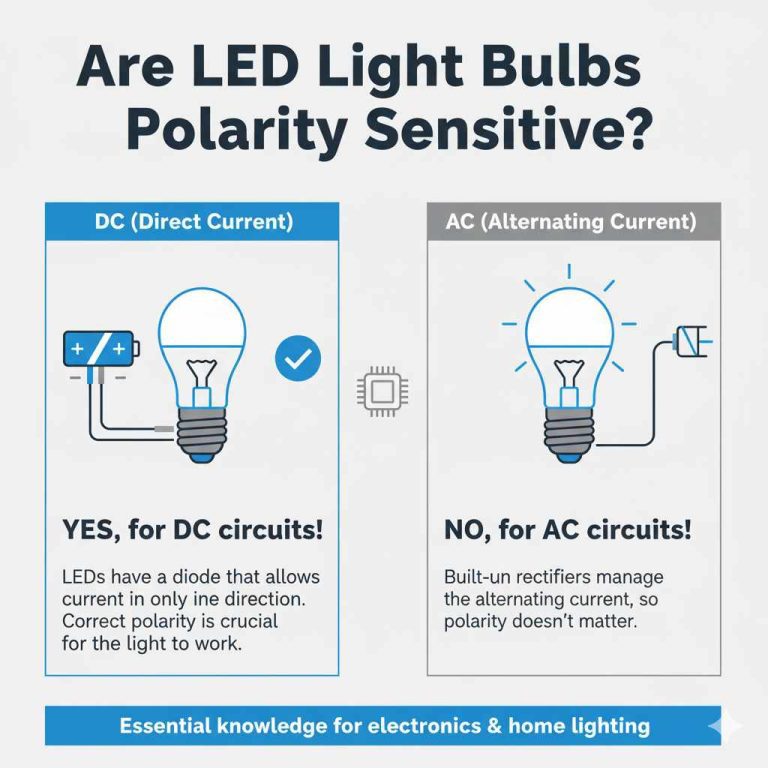
LEDs are like tiny magic tricks. They use a semiconductor chip that lights up when electricity flows through it. Here’s a simple breakdown:
- Electricity flows: A small chip gets power.
- Electrons dance: They move in the chip, creating light.
- No heat wasted: Unlike old bulbs, LEDs stay cool.
Think of it like a glow stick, but powered by electricity and way brighter! For a fun project, try connecting a small LED to a battery with a resistor (ask an adult for help). You’ll see it glow like a star.
Fun Ways to Use LED Light Bulbs
LEDs are super versatile. Here are three easy projects to try:
- DIY Desk Lamp: Grab an LED bulb (5-10 watts), a cheap lamp base from a hardware store, and a plug-in socket. Screw the bulb in, plug it in, and boom—your own custom lamp! It’s a piece of cake and costs under $10.
- Fairy Light Decor: String LED fairy lights around your room. They’re safe, cool to touch, and use barely any power. I draped some over my bookshelf, and it’s like a cozy fairy tale every night.
- Color-Changing Mood Light: Get a smart LED bulb (like Philips Hue). Use an app to change colors for movie nights or parties. My first try was a total hit—blue for calm, red for fun!
Table 1: Comparing LED Bulb Projects
| Project | Cost | Skill Level | Time Needed |
|---|---|---|---|
| DIY Desk Lamp | $5-10 | Easy | 10 minutes |
| Fairy Light Decor | $10-15 | Super Easy | 15 minutes |
| Color-Changing Mood Light | $20-30 | Medium | 20 minutes |
Caption: Compare these fun LED projects to pick one that fits your budget and skills!
Benefits and Drawbacks of LED Light Bulbs
LEDs are awesome, but they’re not perfect. Here’s the scoop:
-
Benefits:
- Save energy (up to 80% less than old bulbs).
- Last super long (15,000-50,000 hours).
- Come in tons of colors and styles.
-
Drawbacks:
- Cost more upfront (but save money over time).
- Some cheap LEDs flicker (annoying!).
- Not all work with dimmer switches.
I learned the hard way—my first LED was a bargain brand that flickered like a disco ball. Stick to trusted brands like GE or Philips for smooth lighting.
Tips to Pick the Perfect LED Bulb
Choosing an LED bulb can feel like picking candy at a store—so many options! Here are my top tips:
- Check lumens, not watts: Lumens measure brightness. A 60-watt old bulb equals about 800 lumens.
- Pick the right color: Warm white (2700K) feels cozy; cool white (5000K) is bright for work.
- Look for Energy Star: These bulbs meet energy efficiency standards and save more money.
Table 2: LED Bulb Brightness Guide
| Old Bulb (Watts) | LED Lumens | Best For |
|---|---|---|
| 40W | 450 lumens | Small lamps |
| 60W | 800 lumens | Living rooms |
| 100W | 1600 lumens | Bright tasks |
Caption: Use this table to match LED brightness to your needs!
Common Mistakes to Avoid
I’ve made some goofs with LEDs, so let me save you trouble:
- Buying super cheap bulbs: They flicker or die fast. Spend a few extra bucks for quality.
- Ignoring dimmer compatibility: Some LEDs don’t work with old dimmers. Check the box!
- Wrong color temperature: Too blue, and your room feels like a hospital. Stick to warm white for cozy vibes.
One time, I bought a cheap LED that buzzed like a bee. Lesson learned—read reviews first!
Visual Ideas for Better Understanding
To make LEDs even clearer, here are visual ideas (sorry, no images included!):
- Diagram of an LED chip: Show a simple semiconductor with arrows for electricity flow.
- Timeline of LED history: A line from 1907 (Round) to 1994 (blue LEDs) with fun icons.
- Before/After room lighting: Compare a dim old bulb to a bright LED setup.
These visuals would make the science pop for beginners!
Frequently Asked Questions
Who Invented the First LED?
Henry Joseph Round discovered electroluminescence in 1907, but Nick Holonyak made the first visible LED in 1962. His red LED was the start of modern LEDs we use today.
When Did LED Bulbs Become Common?
LED bulbs hit homes around 2002, after white LEDs were made in 1997. Prices dropped, and by 2010, they were everywhere
Why Are LEDs Better Than Old Bulbs?
LEDs use less energy, last longer, and stay cool. They save you money and are kinder to the planet.
Can I Use LEDs in Any Lamp?
Most lamps work with LEDs, but check for dimmer compatibility. Look for “dimmable” on the box if you have a dimmer switch.
What’s the Best LED Color for Home?
Warm white (2700K-3000K) is cozy for living rooms. Cool white (4000K-5000K) is great for kitchens or offices.
Are LEDs Safe to Use?
Yes, LEDs are safe! They don’t get hot or contain mercury. Just don’t stare directly at super bright ones.
How Do I Save Money with LEDs?
Buy Energy Star LEDs and use them in high-use areas like kitchens. They cut your electric bill big time!
Wrapping It Up
The LED light bulb’s story is a bright one, from Henry Round’s glowing crystals to Nick Holonyak’s red LED and the Nobel Prize-winning blue LEDs. These tiny chips save energy, last forever, and make life glow! Try a fun project like a DIY desk lamp or fairy light decor to see LEDs in action. Grab a bulb, flip the switch, and share your setup with friends. Let’s light up the world together! Check out more at Energy.gov or GE Lighting.