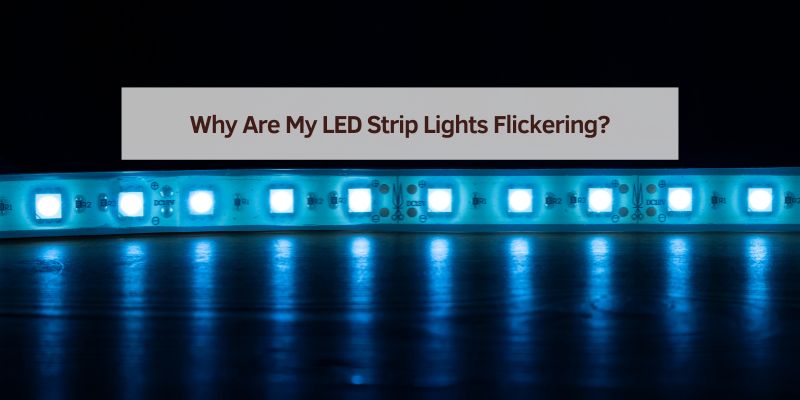
Why Are My LED Strip Lights Flickering?
Hey there! If you’re reading this, I bet you’ve noticed your LED strip lights flickering, and it’s driving you a little crazy. I’ve been there, trust me. Those beautiful, vibrant lights that make your car, garage, or even your living room pop can suddenly start acting up, blinking like they’re trying to send you a secret code. It’s frustrating, right? But don’t worry—I’ve spent hours tinkering with my own setups, researching, and talking to other car enthusiasts to figure out why LED strip lights flicker and how to fix it.
In this article, I’m going to walk you through every possible reason your LED strip lights might be flickering, share some practical solutions, and even throw in a few tips to keep your lights shining steady. Whether you’re a DIYer or just love customizing your ride, I’ve got you covered with simple, easy-to-understand explanations. Let’s dive in and get those lights glowing smoothly again!
Understanding LED Strip Lights and Flickering
Before we jump into the reasons your lights are flickering, let’s talk about what LED strip lights are and why they’re so popular. I first fell in love with LED strips when I saw them light up a friend’s car at a local auto show. They’re flexible, energy-efficient, and can transform any space with a splash of color. In my car, I’ve got them under the dashboard and along the trunk for that extra flair.
But flickering? That’s when your lights start blinking or pulsing instead of staying steady. It’s like they’re having a bad day. Flickering can happen for a bunch of reasons, from simple fixes to more complex electrical issues. I’ve learned that understanding the cause is half the battle. So, let’s break it down and figure out what’s going on with your setup.
Common Causes of LED Strip Light Flickering
When my LED strip lights started flickering, I felt like a detective trying to solve a mystery. Over time, I’ve pinpointed the most common culprits. Here’s what I’ve found, and I’m betting one of these is causing your issue, too.
Loose Connections
This is the first thing I check whenever my lights act up. Loose connections are sneaky and super common. When I installed my LED strips in my car, I didn’t always secure the wires tightly enough, and vibrations from driving made them wiggle loose. If your wires or connectors aren’t snug, the power flow gets interrupted, and your lights flicker.
To fix this, I grab a screwdriver or pliers and gently tighten every connection. If you’re using adhesive-backed strips, make sure they’re firmly stuck to the surface. I once had a strip peel off slightly, and that tiny gap caused flickering. Double-check your solder joints too, if you’ve done any custom wiring. A quick wiggle test can reveal if something’s loose.
Voltage Issues
LED strip lights are picky about voltage. I learned this the hard way when I hooked up a 12V strip to a power supply that wasn’t quite delivering enough juice. Most car LED strips run on 12V, but if the voltage drops too low or spikes too high, your lights can flicker like crazy.
I use a multimeter to check the voltage at the power source and along the strip. If you don’t have one, they’re cheap and easy to use. In my car, I found that running too many accessories off the same circuit was causing voltage drops. If this sounds like your setup, try disconnecting other devices or upgrading your power supply. For home setups, make sure your adapter matches the strip’s voltage requirements exactly.
Incompatible Dimmer or Controller
Dimmers and controllers let you customize your LED strip’s brightness and colors, but not all of them play nicely together. When I bought a cheap dimmer online, it caused my lights to flicker at low brightness. Turns out, it wasn’t designed for my specific LED strip.
If you’re using a dimmer or controller, check its compatibility with your lights. Pulse-width modulation (PWM) dimmers are common, but some low-quality ones create noticeable flickering. I switched to a higher-quality PWM dimmer, and the problem vanished. If you’re using an RGB controller, make sure it’s rated for your strip’s power draw. Reading the manual (I know, boring) can save you a headache here.
Overheating Issues
LED strips don’t like getting too hot. I noticed this when I crammed a long strip into a tight space under my car’s seats without proper ventilation. Overheating can cause the LEDs or their drivers to malfunction, leading to flickering.
Check if your strips feel warm to the touch. If they’re hot, improve airflow around them or move them to a less confined spot. In my garage setup, I added small aluminum heat sinks to my strips, and it made a big difference. Also, avoid running your lights at full brightness for hours on end, as this can generate extra heat.
Power Supply Problems
A faulty power supply is another big culprit. I once used an old adapter from another project, thinking it would work fine. Nope—my lights flickered like a strobe. Power supplies can wear out or simply not deliver consistent power.
If you suspect your power supply, try swapping it with a new one that matches your strip’s specs. Look for the wattage and voltage ratings on your strip and choose a supply with at least 20% more capacity than needed. For example, if your strip needs 50W, go for a 60W or higher supply. This gives you some wiggle room and prevents overloading.
Electromagnetic Interference (EMI)
This one surprised me when I first ran into it. Electromagnetic interference happens when other devices mess with your LED strip’s electrical signal. In my car, I noticed flickering when my phone charger was plugged into the same circuit. Weird, right?
To tackle EMI, I rerouted my LED strip wires away from other electronics. You can also try ferrite beads, which clip onto your wires to reduce interference. If you’re using a long strip, keep it away from high-power devices like amplifiers or motors. It’s trial and error, but moving things around usually helps.
Faulty LED Strips
Sometimes, the problem is the strip itself. I’ve had a few duds over the years—cheap strips that looked great online but failed after a week. Manufacturing defects or low-quality components can cause flickering right out of the box.
If you’ve ruled out other causes, test a different section of the strip or try a new one. Before buying, I now check reviews and stick to reputable brands. If your strip is under warranty, reach out to the seller for a replacement. It’s a pain, but it happens.
Troubleshooting Table for Quick Fixes
To make things easier, I’ve put together a table summarizing the causes and fixes I’ve talked about. I keep something like this handy when I’m working on my lights.
| Issue | Symptoms | Fix |
|---|---|---|
| Loose Connections | Flickering worsens with movement | Replace with a compatible PWM dimmer or controller |
| Voltage Issues | Flickering at specific brightness levels | Improve ventilation, add heat sinks, and lower brightness |
| Incompatible Dimmer | Flickering at low brightness | Tighten wires, secure connectors, and check the adhesive |
| Overheating | Lights feel hot, flicker after long use | Reroute wires, use ferrite beads, and avoid high-power devices |
| Power Supply Problems | Random flickering, inconsistent behavior | Swap with a higher-capacity, matching power supply |
| Electromagnetic Interference | Flickering near other electronics | Test new strip, contact the seller for warranty replacement |
| Faulty LED Strips | Flickering persists after other fixes | Test new strip, contact seller for warranty replacement |
How to Prevent Flickering in the Future
Once you’ve fixed the flickering, you’ll want to keep it from coming back. I’ve learned a few tricks to keep my LED strips running smoothly.
First, always double-check your setup before powering it on. I make sure every connection is tight and the voltage matches. Investing in quality components upfront saves you trouble later. I used to skimp on power supplies, but now I stick to trusted brands.
Second, keep your strips clean and cool. Dust can build up and trap heat, so I wipe mine down every few months. If you’re using them in your car, watch out for water or dirt getting into the wiring.
Finally, don’t overload your circuits. I learned to spread out my car’s accessories across different power sources. If you’re adding more lights or gadgets, consider upgrading your alternator or battery to handle the extra load.
When to Call a Professional
Most flickering issues are DIY-friendly, but sometimes you need a pro. If you’ve tried everything and your lights still flicker, or if you’re dealing with complex car wiring, it’s time to call in the experts. I once had a stubborn issue with my car’s electrical system that turned out to be a faulty ground wire. A mechanic fixed it in an hour.
For home setups, an electrician can diagnose power supply or wiring problems. Don’t mess with high-voltage stuff unless you’re trained—it’s not worth the risk. A good professional can save you time and keep your setup safe.
My Personal Experience with LED Strip Flickering
I’ll never forget the first time my LED strips flickered during a night cruise. I’d spent hours installing them under my car’s chassis, and they looked amazing—until they started blinking halfway through the drive. I was embarrassed, thinking everyone noticed. After some trial and error, I found that a loose connector and a cheap power supply were to blame.
Since then, I’ve upgraded my setup and learned to spot problems early. Every time I install new lights, I test them thoroughly before hitting the road. It’s a learning process, but solving these issues makes me appreciate my custom setup even more.
Conclusion
Flickering LED strip lights can be a real buzzkill, but now you know exactly why it’s happening and how to fix it. Whether it’s a loose connection, a voltage issue, or a faulty strip, you’ve got the tools to tackle the problem head-on. I’ve been through this myself, and I know how satisfying it is to see those lights glowing steadily again.
Take your time, check each possibility, and don’t be afraid to invest in quality components. Your car or home deserves that perfect, flicker-free shine. So, grab your multimeter, tighten those wires, and get back to enjoying your awesome LED setup. You’ve got this!
FAQ
Why do my LED strip lights flicker only at low brightness?
This usually happens with an incompatible dimmer. Low-quality dimmers mess with the power signal at lower settings. I’d swap it for a PWM dimmer designed for your strip.
Can a bad battery cause LED strip flickering in my car?
Yes, it can. If your car’s battery is weak, it might not supply steady voltage. I’d test the battery and alternator to make sure they’re in good shape.
How do I know if my LED strip is defective?
If you’ve checked connections, voltage, and the power supply, and it still flickers, the strip might be faulty. Try a new strip or contact the seller for a replacement.
Will using a longer LED strip cause flickering?
Longer strips need more power, which can cause voltage drops. I’d use a thicker wire or add a power injection point every 5 meters to keep things steady.
Can LED strip flickering damage my lights?
Constant flickering might stress the LEDs over time, shortening their lifespan. Fix the issue quickly to keep your lights lasting longer.