Why Did My Shower Pressure Drop Suddenly? Isolated Fixture Checks and Water-Supply Warning Signs
A sudden drop in shower pressure, especially when other fixtures still run fine, almost always points to something local to that shower rather than a house-wide supply issue: a clogged showerhead, a partially closed shut-off valve, or a failing cartridge restricting flow inside the valve body. This guide separates the checks you can do yourself from the signs that point to a shared supply line or municipal problem.
Start With the Showerhead Itself
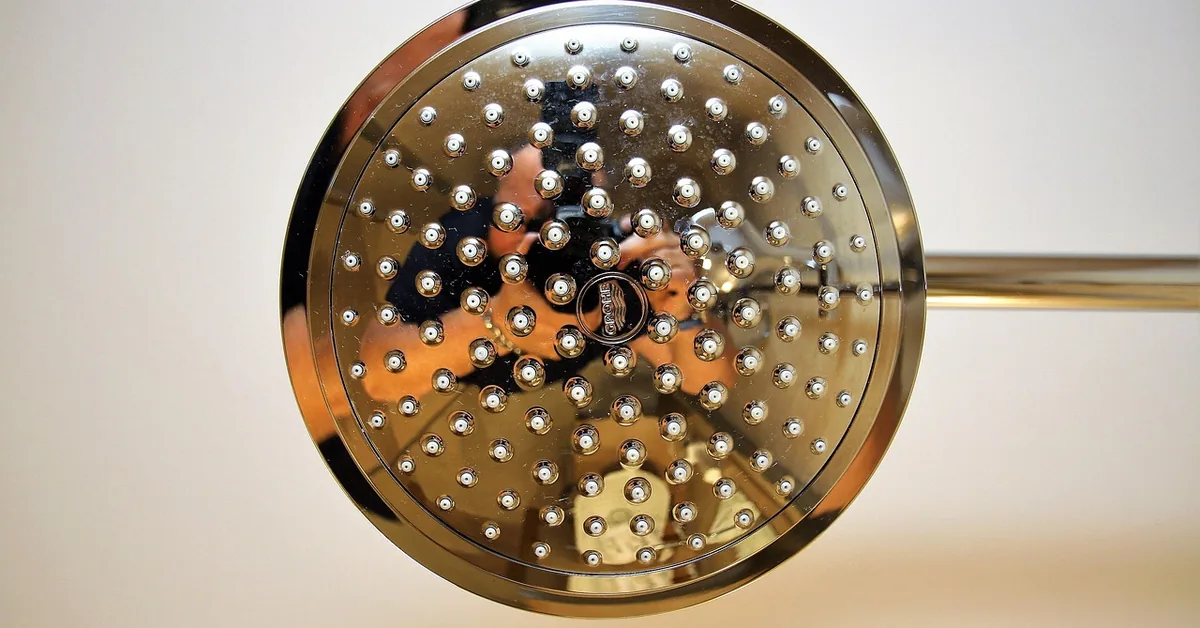
Mineral scale from hard water builds up inside a showerhead’s small spray holes gradually, but it can seem sudden once enough holes clog to noticeably drop flow. Unscrew the showerhead (or the flow restrictor disc just inside its threaded connection) and soak it in white vinegar for 30 minutes to an hour, then scrub the holes with an old toothbrush. If pressure at the shower arm itself (with the head removed) is strong but weak through the head, the head or its restrictor is the problem, not the plumbing behind the wall.
Check the Shower Valve’s Integral Stops
Many shower valves, particularly pressure-balancing and thermostatic mixing valves, have small integral shut-off screws or stops built into the valve body itself, separate from the main house shut-offs, used by plumbers to isolate the valve for repairs without shutting off water to the whole house. If a plumber recently worked on the shower, or if a repair was attempted, one of these stops may have been left partially closed. This is invisible from the trim plate and requires removing the valve’s cartridge or accessing it from behind (often through an access panel in an adjacent closet or the wall behind the shower) to check.
A Failing Cartridge Restricts Flow Gradually, Then Seems Sudden
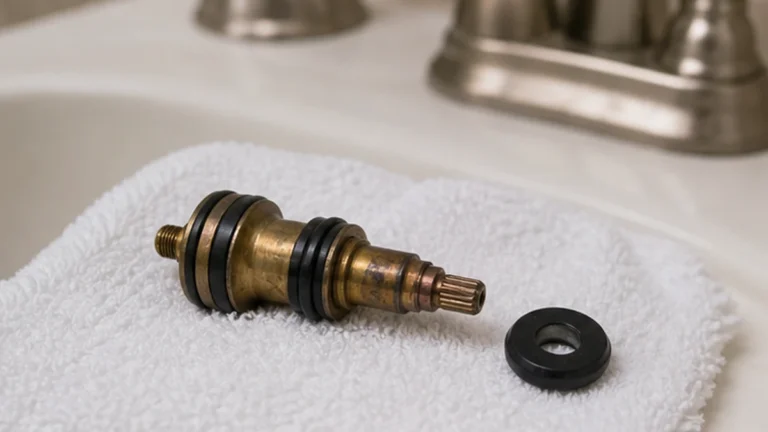
Inside single-handle shower valves, the cartridge controls both temperature blending and flow volume through small internal ports. Mineral deposits or worn seals inside an aging cartridge can restrict those ports enough to cut flow noticeably, and because the buildup happens slowly, the drop can feel abrupt once it crosses a threshold you notice. This is common in low water pressure in a shower cases on valves more than 8 to 10 years old, and the fix is usually replacing the cartridge (a $15 to $40 part for most major brands) rather than the whole valve, since the valve body itself rarely wears out.
When It’s Not Just the Shower
Test a cold-water faucet in another room. If it’s also weaker than usual, the cause is upstream of the shower: a partially closed main shut-off valve, a failing pressure-reducing valve (PRV) at the water meter or main line, a clogged whole-house sediment filter if one is installed, or in older homes, corrosion narrowing the inside diameter of galvanized steel supply pipes. A PRV failing closed is a common cause of a whole-house pressure drop that feels sudden even though the valve’s internal spring or diaphragm actually wore out over months.
Frequently Asked Questions
Could a water heater problem cause low shower pressure?
Yes, for the hot side specifically. Sediment buildup inside a tank water heater can restrict the outlet, or a failing dip tube can disrupt flow, so if cold water pressure in the shower is fine but hot water is weak, the water heater (or its shut-off valve) is worth checking before the shower valve itself.
Is it safe to take the shower valve apart myself?
For most cartridge-style valves, yes, after shutting off the water supply at the main or the valve’s integral stops. Remove the handle and escutcheon, pull the cartridge retaining clip, and the cartridge lifts out for inspection or replacement. If the valve is unusually old or a stop won’t budge, call a plumber rather than forcing it.
Why does pressure drop only when another fixture runs at the same time?
This is normal to some degree in homes with standard (non-balancing) valves and smaller supply lines, since fixtures share the same limited pipe capacity. It becomes a real problem when the drop is severe or scalding/cold shifts occur, which usually means the shower lacks a pressure-balancing or anti-scald valve that modern code requires for new installations.
Sponsored / affiliate links. As an Amazon Associate I earn from qualifying purchases. I may earn additional commission from eligible campaigns.