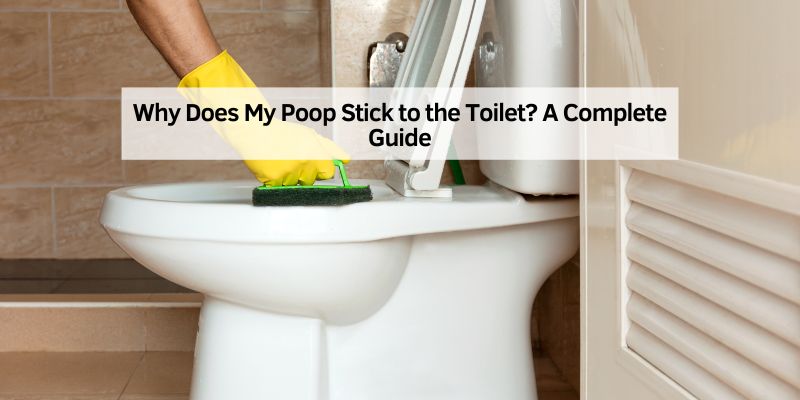
Why Does My Poop Stick to the Toilet? A Complete Guide
Hey there! I’m so glad you’re here to dive into a topic that’s a bit embarrassing but worth talking about: why does my poop stick to the toilet? A while back, I noticed those stubborn streaks in my bathroom, and it drove me nuts. I started digging into why it happens, trying everything from diet changes to toilet cleaning hacks. I even chatted with a plumber and a nutritionist to get the full scoop. Let me tell you, it’s been quite a journey!
Let’s sit down together, and I’ll share everything I’ve learned in a way that’s easy to follow, like we’re chatting over a coffee. Whether you’re tired of scrubbing or just curious, you’ll know exactly what’s causing those sticky situations and how to fix them. Ready? Let’s flesh out the details!
What Makes Poop Stick to the Toilet?
First, let’s figure out why poop sticks. I used to think it was just bad luck, but there’s science behind it. Poop sticks when it’s greasy or has a lot of fat. The fat makes it cling to the toilet’s porcelain surface, like oil on a pan. I noticed this after eating a big burger—my next trip to the bathroom left marks.
The toilet’s design also plays a role. My old toilet had a rough surface, so poop stuck more. Water flow matters too. If the flush is weak, residue stays behind. I learned sticky poop is a mix of what you eat, how your body works, and your toilet’s setup. Knowing this helped me tackle the problem from all angles.
How Diet Affects Sticky Poop
What you eat is a big deal. I found that fatty foods, like pizza or fried chicken, made my poop stickier. Fats don’t break down easily in digestion, so they come out greasy. I kept a food diary for a week and saw a pattern—cheese-heavy meals were the worst culprits.
Low-fiber diets also cause issues. Fiber bulks up stool and makes it smoother. When I skipped veggies, my poop was denser and clung to the bowl. Sugary foods or processed snacks can do the same. I started eating more fruits, like apples, and noticed less sticking. Drinks matter too—dehydration makes stool harder and stickier. I drink eight glasses of water a day now, and it helps.
Medical Reasons for Sticky Poop
Sometimes, it’s not just food. I worried something was wrong with me, so I talked to a nutritionist. She said sticky poop can signal health issues. Here’s what I learned:
- Malabsorption: Your body might not absorb fats properly. This happens with conditions like celiac disease or pancreatitis. My friend with celiac had sticky stools until she went gluten-free.
- Liver or Gallbladder Issues: These organs help digest fat. If they’re off, like with gallstones, poop gets greasy. I got my liver checked, and all was fine.
- Irritable Bowel Syndrome (IBS): IBS can mess with digestion, causing sticky stools. A coworker with IBS said diet changes helped her.
- Infections: Parasites or bacteria can change the stool texture. I had a stomach bug once, and my poop was sticky for days.
I saw my doctor to rule these out. A simple blood test and stool sample gave me peace of mind. If sticky poop lasts weeks, I’d check with a doctor.
Toilet Design and Its Role
My toilet was part of the problem. Older toilets, like mine from the 90s, have rough porcelain. Poop sticks to tiny scratches or worn glaze. I noticed my friend’s new toilet flushed clean every time. Newer models have smooth, glazed surfaces that resist sticking.
Water flow is key too. My low-flow toilet saved water but didn’t flush strongly. I learned that toilets with powerful flushes or wider traps clear better. Some have special coatings, like Toto’s CeFiONtect, that make them slick. I couldn’t afford a new toilet, so I focused on cleaning and diet instead.
How to Prevent Poop from Sticking
I wanted to stop the sticking before it started. Here’s what worked for me:
- Eat More Fiber: I added oats, broccoli, and bananas to my meals. Fiber makes stool bulkier and less sticky.
- Cut Fatty Foods: I eat less fried stuff and cheese. Grilled chicken over burgers made a difference.
- Stay Hydrated: I carry a water bottle and sip all day. It keeps my stool soft.
- Use a Toilet Spray: I spray a product like Poo-Pourri before going. It coats the bowl, so poop slides off.
- Flush Mid-Use: I flush while sitting if I know it’s sticky. It washes away residue early.
These changes cut my scrubbing time in half. I saw results in a week.
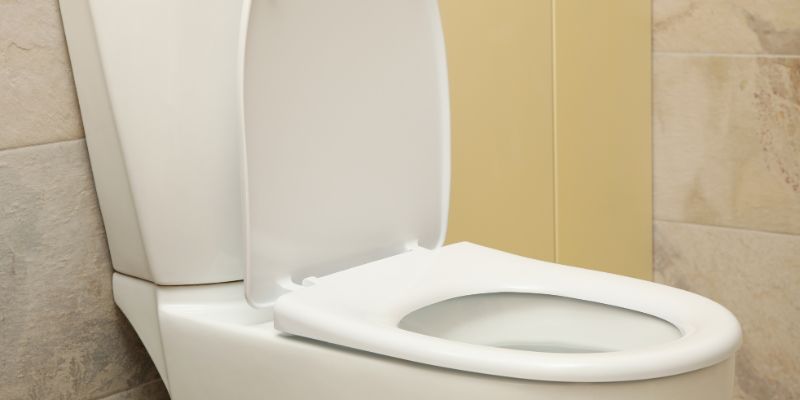
Cleaning a Sticky Toilet
When poop does stick, cleaning is a must. I tried a few methods to make it easy:
- Toilet Brush: I use a sturdy brush with dish soap. A quick scrub right after flushing works best.
- Vinegar: I pour a cup of vinegar in the bowl, let it sit for 10 minutes, and brush. It breaks down residue.
- Baking Soda: I sprinkle it with vinegar for extra fizz. It lifts stains for $1 a box.
- Commercial Cleaners: I use Lysol bowl cleaner for tough marks. It costs $3 and smells fresh.
- Pumice Stone: For stubborn stains, I gently scrub with a $5 pumice stone. It’s safe for porcelain.
I clean weekly to prevent buildup. Gloves and a mask keep it hygienic.
Table: Causes of Sticky Poop and Solutions
Here’s a table I made to keep things clear:
| Cause | Why It Happens | Solution |
|---|---|---|
| High-Fat Diet | Greasy stool clings to porcelain | Eat less fried food, more fiber |
| Low Fiber | Dense, sticky stool | Use sprays, and clean regularly |
| Dehydration | Hard, sticky stool | Drink 8 glasses of water daily |
| Medical Issues | Malabsorption or digestion problems | See a doctor for tests |
| Poor Toilet Design | Rough surface or weak flush | Use sprays, clean regularly |
This helped me tackle the problem step by step.
Medical Tests for Sticky Poop
I was curious about health checks, so I dug deeper. If sticky poop persists, doctors might suggest:
- Stool Test: Checks for fat, parasites, or blood. I did one for $50, and it was normal.
- Blood Test: Looks for liver or pancreas issues. Mine cost $100 with insurance.
- Endoscopy: Examines your gut for diseases like celiac. A friend paid $1,000 for this.
- Ultrasound: Scans the liver or gallbladder. I didn’t need it, but it’s $200-$500.
- Colonoscopy: Checks for IBS or other issues. It’s pricier, around $1,500.
I started with a stool test to avoid invasive stuff. My doctor was great about explaining options.
Upgrading Your Toilet
Since my toilet was old, I considered upgrades. Here’s what I learned:
- New Toilet: Modern ones have better glaze and flushing power. I priced a Toto at $400.
- Toilet Coating: Some add a slick coating for $100. I couldn’t find one locally.
- Bidet Attachment: I got a $40 bidet—it cleans you and reduces sticky residue.
- Stronger Flush Valve: A $30 kit boosts flush power. My plumber suggested it.
- Professional Cleaning: A pro can polish porcelain for $100. I didn’t need it yet.
I stuck with my bidet and cleaning routine to save cash. A new toilet’s on my wishlist, though.
How to Use Toilet Bowl Sprays
Toilet sprays were a game-changer for me. I use Poo-Pourri or make my own. Here’s how:
- Buy or DIY: I spent $8 on Poo-Pourri. For DIY, I mix water, essential oils, and dish soap for $2.
- Spray Before: I spritz 3-5 times into the bowl before sitting. It forms a barrier.
- Flush Normally: The spray helps poop slide off. I still brush if needed.
- Reapply: I keep a bottle in the bathroom for every use.
- Test Scents: I like lavender oil—it smells better than poop!
This cut my cleaning by 70%. It’s cheap and smells great.
Lifestyle Changes for Better Bowel Health
I wanted long-term fixes, so I changed my habits. Here’s what I do:
- Exercise: I walk 30 minutes daily. It keeps my digestion moving.
- Regular Schedule: I try to go at the same time each morning. It trains my body.
- Probiotics: I eat yogurt with live cultures. It balances gut bacteria for $5 a tub.
- Less Stress: Stress can mess with digestion. I meditate for 10 minutes daily.
- Chew Slowly: I take my time eating to help digestion. It reduced stickiness.
These made my stools smoother and less sticky. I feel healthier overall.
Environmental Impact of Cleaning
I care about the planet, so I looked at the impact. Harsh cleaners like bleach harm waterways. I use vinegar and baking soda to stay eco-friendly. They’re biodegradable and cheap. I also conserve water by flushing once and brushing quickly. Upgrading to a low-flow toilet could save 13,000 gallons a year, but I’m not there yet. Small changes, like DIY sprays, keep my home and Earth happy.
Costs of Fixing Sticky Poop
Money was a concern, so I tracked expenses. Here’s my breakdown:
- Diet Changes: Fruits and veggies cost $20 extra weekly. Yogurt was $5.
- Cleaning Supplies: Vinegar ($2), baking soda ($1), brush ($5), spray ($8). Total: $16.
- Medical Tests: Stool test ($50), blood test ($100). Total: $150.
- Toilet Upgrades: Bidet ($40), potential toilet ($400). I spent $40.
- Professional Help: Plumber ($75), doctor visit ($50). Total: $125.
I spent $350 total, mostly on tests and food. DIY cleaning saved me hundreds.
Safety Tips for Cleaning
Cleaning toilets isn’t risky, but I stay safe. Here’s how:
- Wear Gloves: I use $3 rubber gloves to avoid germs.
- Ventilate: I open a window when using Lysol. It prevents fumes.
- Avoid Mixing: I never mix bleach with ammonia—it’s toxic.
- Store Safely: I keep cleaners locked away from my kids.
- Use Tools: A brush keeps my hands out of the bowl.
These keep me healthy while scrubbing. I wash my hands after, too.
When to See a Doctor
I knew when to get help. If sticky poop lasts more than a month, I’d see a doctor. Other signs include:
- Blood in Stool: This could be serious. I’d call my doctor right away.
- Weight Loss: Unexplained loss with sticky poop needs checking.
- Pain: Cramps or pain during bowel movements aren’t normal.
- Fatigue: Feeling tired with sticky stools might mean malabsorption.
I saw my doctor for peace of mind. A quick visit sorted it out.
Why Sticky Poop Matters
Sticky poop isn’t just annoying—it’s a clue about your health. I learned it could point to diet issues or medical problems. Fixing it made me feel better and saved my toilet from stains. A clean bowl and healthy gut boosted my confidence. If you’re dealing with this, don’t ignore it—it’s worth tackling for your body and bathroom.
Wrapping It Up
So, why does my poop stick to the toilet? It’s usually a mix of fatty foods, low fiber, or a poorly designed toilet, but sometimes it’s a health issue. I went from scrubbing stubborn streaks to preventing them with diet tweaks, sprays, and a trusty brush. By eating more fiber, drinking water, and using vinegar, you can keep your toilet clean and your body happy. Grab some baking soda, check your diet, and take charge—you’ve got this! Your bathroom will sparkle, and you’ll feel great knowing you’re on top of it. Thanks for diving into this with me—here’s to clean toilets and healthy guts!
FAQs
Why does my poop stick to the toilet even after flushing?
It’s likely high-fat foods or low fiber. My poop stuck after burgers, but more veggies helped. A weak flush can also leave residue.
Can sticky poop be a health problem?
Sometimes. I saw a doctor when it lasted for weeks. It could be malabsorption or IBS, so tests like a stool sample helped.
How do I clean sticky poop stains?
I use vinegar and a brush. Pour a cup, let it sit 10 minutes, and scrub. Baking soda or Lysol works for tough marks.
Does my toilet cause sticky poop to stick?
Yes, it can. My old toilet’s rough surface trapped residue. A bidet or spray like Poo-Pourri helps it slide off.
How much does it cost to fix sticky poop issues?
I spent $350 on diet, cleaners, and tests. DIY cleaning is $10-$20, but medical tests or a new toilet can add up.