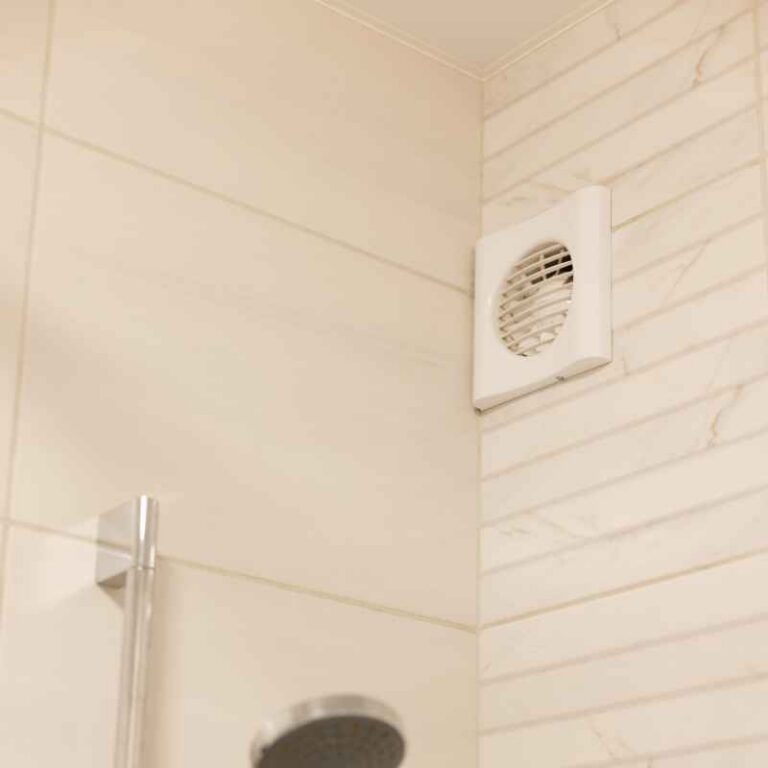
Why Is My Bathroom Exhaust Fan So Noisy?
A noisy, dripping, or non-working bathroom fan can result from a dirty grille, loose housing, blocked duct, failed motor, incorrect duct slope, attic moisture, or an electrical problem that needs safe isolation. The fastest way to avoid an unnecessary part purchase is to identify the exact location, timing, and behavior of the symptom before starting work.
What why is my bathroom exhaust fan so noisy usually means
This guide focuses on the part of the bathroom ventilation fan that a homeowner can observe safely. A similar symptom can come from more than one cause, so use the evidence in front of you rather than treating a common fix as a diagnosis.
Start with the symptom, not a replacement part
Before disassembly, describe what changed: where it appears, when it happens, whether it is constant or intermittent, and what changed before the problem began. That sequence narrows the possible cause and helps prevent a repair that masks the symptom without solving it.
Safe checks to make before repair
- Confirm whether the fan has power and whether the problem is noise, airflow, water, or all three.
- Remove the grille only after power is off and clean loose dust from the cover and accessible housing.
- Check the exterior vent flap for blockage and verify that the duct is connected and supported.
- Look for staining above the fan, a sagging duct, or insulation contact that could explain condensation.
Turn off power at the breaker before opening the grille or canopy. Stop DIY work if the fan housing is loose, wiring is damaged, the ceiling is wet, or there is a burning smell.
What the symptom can tell you
| What you notice | Likely area to check | Safe next action |
|---|---|---|
| Fan hums but does not move much air | Dirty wheel, blocked duct, or failing motor | Clean accessible dust and check the exterior vent |
| Fan is noisy or rattles | Loose grille, housing, wheel, or worn motor bearings | Identify the exact sound before ordering a motor |
| Water drips from the grille | Condensation, duct slope, roof leak, or attic moisture | Do not run the fan until the moisture path is understood |
| Fan does not start | Switch, circuit, wiring, or motor fault | Verify power safely before replacing the unit |
Use the table as a decision aid, not as a remote diagnosis. If a safe check changes the symptom, record that result before trying a second change. One controlled change gives useful information; several changes at once remove the clue you need.
Tools and information that make the job easier
A non-contact voltage tester, vacuum brush, flashlight, screwdriver, and the model label are useful. Do not use a household vacuum inside energized electrical equipment. Keep the original part or a clear photo until a replacement is installed and tested. Manufacturer diagrams, model numbers, dimensions, and connection details are more reliable than a product photo or a broadly similar name.
A practical repair sequence
First, make the area safe and protect nearby finishes. Second, confirm the specific symptom with one normal-use test. Third, inspect the accessible component or setting that directly relates to that symptom. Fourth, make one compatible adjustment or replace only a confirmed worn part. Finally, test under the same conditions that caused the original issue.
If the result improves, recheck after ordinary use rather than declaring success immediately. A repair that works only while the cover is off, the area is dry, or the load is reduced may point to another condition that still needs attention.
Common mistakes to avoid
Do not force fasteners, overtighten fittings, use a stronger chemical or lubricant without checking compatibility, or ignore a condition that is getting worse. These shortcuts can damage a finish, crack a component, hide a leak, or create a safety problem that costs more than the original repair.
When a simple fix is reasonable
A homeowner repair is generally reasonable when the cause is visible, the work can be isolated safely, the correct replacement is confirmed, and the result can be tested without bypassing a safety device. If the cause is hidden behind a finished surface or affects multiple rooms, fixtures, or circuits, the right next step is diagnosis rather than more DIY force.
When to call a professional
Turn off power at the breaker before opening the grille or canopy. Stop DIY work if the fan housing is loose, wiring is damaged, the ceiling is wet, or there is a burning smell. A professional can check system-level conditions that a single visible symptom cannot show, and can confirm whether a repair affects warranty, code, or safe operation.
Frequently asked questions
Why is water dripping from my bathroom fan?
Warm, humid air can condense in an uninsulated or poorly sloped duct, but a roof or plumbing leak is also possible. Check the moisture path before replacing the fan.
Can I replace only the bathroom-fan motor?
Some fan models have replaceable motor assemblies. Match the housing model and motor plate; do not assume another brand’s motor will fit.
Who should repair a bathroom exhaust fan?
A handyman may handle a clean, accessible grille or housing issue. Use an electrician for wiring or circuit problems and a roofer or ventilation professional when the moisture path is in the roof or duct system.
Bottom line
For why is my bathroom exhaust fan so noisy, let the observed symptom guide the next action. Start small, use parts that match the actual model or material, and stop when the evidence points outside a safe homeowner check. That approach protects the home and avoids spending money before the cause is confirmed.
Sponsored / affiliate links. As an Amazon Associate I earn from qualifying purchases. I may earn additional commission from eligible campaigns.