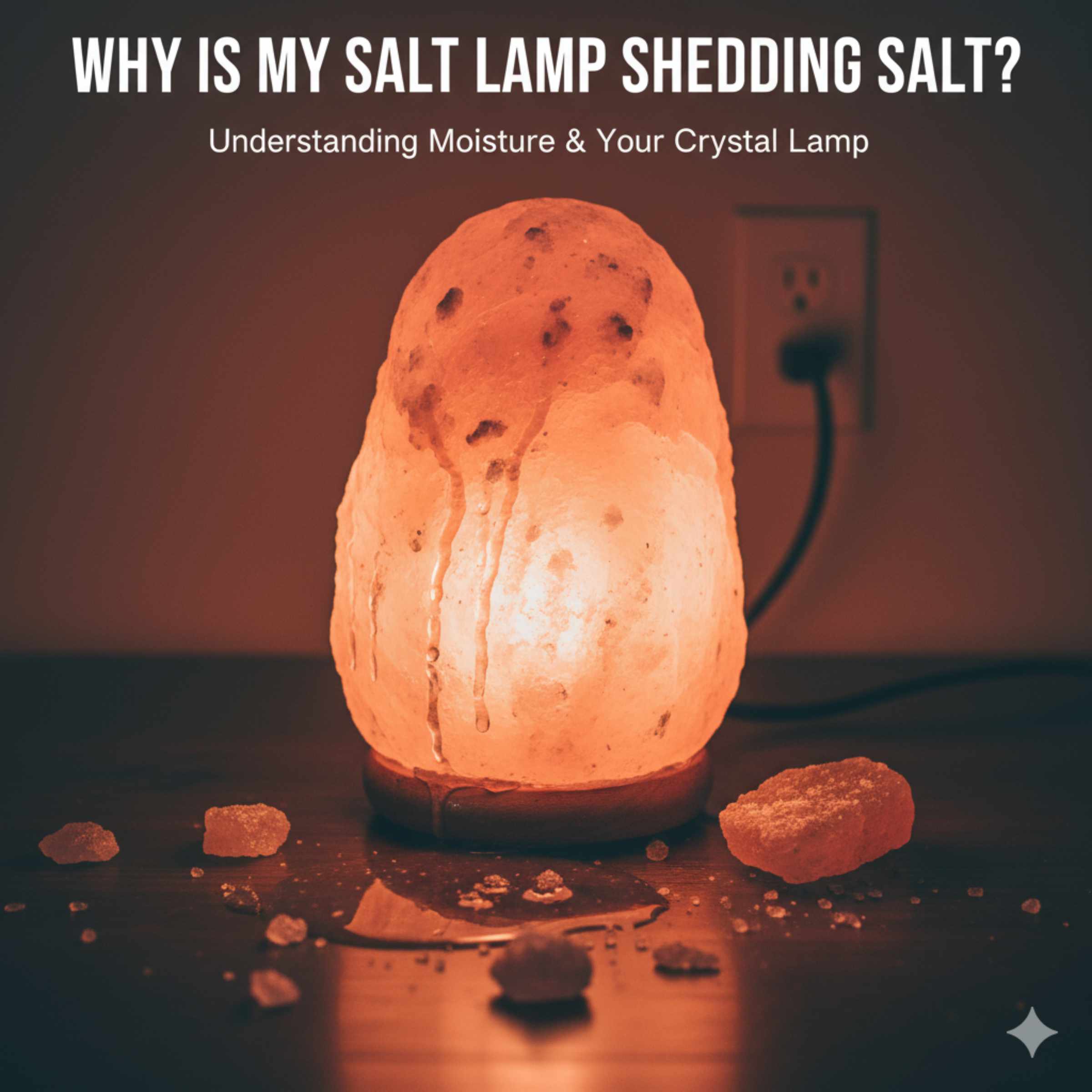
Why Is My Salt Lamp Shedding Salt? Proven Fix
Quick Summary:
Your salt lamp is shedding salt because it’s absorbing moisture from the air. This is called “sweating” or “leaching.” The proven fix is to keep it on regularly, especially in humid environments, to evaporate the absorbed moisture and prevent salt crystals from forming and falling off.
Hello there! As a fellow homeowner who loves a cozy and inviting space, I know how frustrating it can be when something beautiful in your home doesn’t behave as expected. If your gorgeous Himalayan salt lamp is looking a little… wet, and you’re seeing tiny salt crystals or even a bit of moisture around its base, don’t worry! This is a common issue, and it’s usually quite simple to fix. It’s not a sign that your lamp is broken, but rather that it’s doing its job in a specific way. In this guide, I’ll walk you through exactly why this happens and provide you with easy, practical steps to get your salt lamp looking its best again. Let’s dive in and solve this together!
Understanding Why Your Salt Lamp Sheds Salt
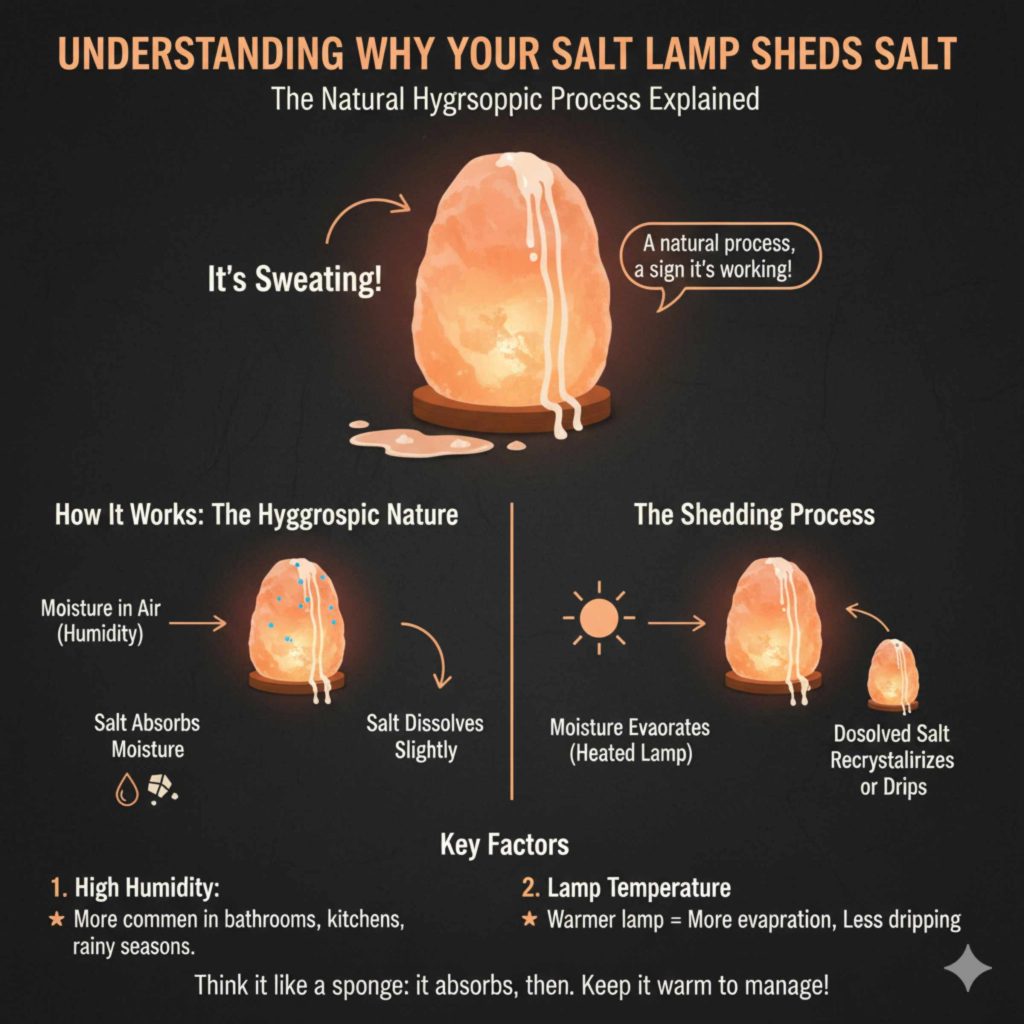
Seeing your beautiful Himalayan salt lamp “sweating” or shedding salt can be a bit alarming at first. You might think it’s damaged or that something is wrong with the salt itself. But fear not! This phenomenon is completely natural and is a direct result of the hygroscopic nature of Himalayan salt. This means the salt naturally attracts and absorbs moisture from the surrounding air. It’s actually a sign that your lamp is working!
When the salt absorbs moisture, it dissolves slightly. This dissolved salt then crystallizes on the surface as the moisture evaporates, or it can drip down, leaving a salty residue. This is especially common in environments with high humidity, like bathrooms, kitchens, or during rainy seasons. The warmer the lamp is, the more effectively it can evaporate this absorbed moisture, preventing excessive dripping.
Think of it like a sponge. A dry sponge will absorb water. Your salt lamp is like a very slow-acting, beautiful sponge for the air around it. The key to managing this is understanding the balance between moisture absorption and evaporation.
The Science Behind the “Sweat’
The core reason your salt lamp sheds salt is its hygroscopic property. Himalayan salt, mined from ancient seabeds, contains a complex blend of minerals. These minerals, particularly the salt itself (sodium chloride), have an affinity for water molecules in the air. When the humidity is high, the salt draws water vapor from the atmosphere onto its surface.
This process creates a thin film of brine (saltwater) on the lamp’s surface. As this brine evaporates, it leaves behind tiny salt crystals. If the lamp isn’t warm enough, or if the humidity is extremely high, this brine might drip down the side of the lamp, collecting at the base and forming a salty puddle or crust. This is often referred to as “leaching.”
According to scientific principles of hygroscopy, materials that are hygroscopic will readily absorb moisture. The rate of absorption depends on factors like the material’s surface area, ambient humidity, and temperature. For your salt lamp, consistent warmth is crucial to counteract the absorption by promoting evaporation.
Common Causes of Salt Lamp Shedding
Several factors can contribute to your salt lamp shedding salt. Understanding these can help you prevent the issue:
- High Humidity: This is the number one culprit. If you live in a humid climate or have your lamp in a steamy room like a bathroom or kitchen, it will absorb more moisture.
- Infrequent Use: Salt lamps need to be turned on regularly. When a lamp is off for extended periods, especially in a humid environment, the absorbed moisture has no chance to evaporate, leading to dripping and salt shedding.
- Incorrect Bulb Wattage: The bulb inside your salt lamp plays a vital role. It needs to be warm enough to heat the salt surface sufficiently to evaporate absorbed moisture. Too low a wattage won’t generate enough heat.
- Placement: Placing the lamp near sources of direct moisture, like a humidifier, open windows during rain, or on a cold, damp surface, can exacerbate the problem.
- Surface Contact: If the lamp is sitting directly on a surface that traps moisture (like a wooden table without protection), the dripping brine can damage the furniture.
The Proven Fix: Keeping Your Salt Lamp Happy and Dry
The good news is that fixing a shedding salt lamp is usually straightforward and doesn’t require special tools. It’s all about managing the moisture balance. The primary goal is to keep the lamp warm enough to evaporate any moisture it absorbs.
Step-by-Step Guide to Stopping Salt Shedding
Follow these simple steps to prevent your salt lamp from shedding salt:
-
Ensure Proper Bulb Wattage: Check the recommended bulb wattage for your specific salt lamp size. If you’re unsure, a general guideline is:
- Small lamps (under 5 lbs): 15-25 watts
- Medium lamps (5-10 lbs): 25-40 watts
- Large lamps (over 10 lbs): 40-60 watts
Using a bulb that’s too low in wattage means the lamp won’t get warm enough to evaporate moisture effectively. You can often find this information on the lamp’s packaging or the manufacturer’s website.
- Keep It On Regularly: This is the most crucial step. Aim to keep your salt lamp on for at least 4-6 hours a day, and ideally, keep it on continuously, especially if you live in a humid area. Consistent warmth is key to preventing moisture buildup. If you have to turn it off, ensure it’s in a dry environment.
- Use a Protective Base: Always place your salt lamp on a protective base or coaster. This prevents any potential moisture or salt drips from damaging your furniture. Many salt lamps come with a wooden base, which is usually sufficient, but for extra protection, you can add a small mat or tray underneath.
- Wipe Away Excess Moisture: If you notice any dampness or small drips, gently wipe the lamp with a dry, soft cloth. Do this while the lamp is on and warm, as this will help evaporate the moisture quickly. Don’t use a wet cloth to clean a “sweating” lamp, as this will only add more moisture.
- Relocate if Necessary: If your lamp is in a particularly humid spot (like directly next to a bathroom shower or a kitchen sink), consider moving it to a drier location. Living rooms, bedrooms, or offices are generally better choices.
- Consider a Dehumidifier: If you live in an extremely humid environment and can’t avoid placing the lamp in a damp area, using a small room dehumidifier nearby can significantly reduce the ambient moisture, helping your lamp stay drier.
The Importance of Consistent Warmth
The heat generated by the light bulb is what dries out the salt lamp. When the lamp is on, the surface of the salt heats up. This heat causes any absorbed moisture to evaporate back into the air. This creates a cycle where the salt is constantly absorbing moisture and then drying itself out, preventing excessive buildup.
Think about it: if you leave a damp towel in a humid room, it stays damp. If you put that towel in a warm, dry place, or even briefly in a dryer, it dries out quickly. Your salt lamp needs that consistent warmth to “dry itself out.”
The U.S. Environmental Protection Agency (EPA) provides information on indoor air quality and humidity control, highlighting how managing moisture is essential for preventing mold and improving air quality. While not directly about salt lamps, the principles of maintaining a dry environment apply. Keeping your salt lamp warm helps it manage its own moisture balance.
Troubleshooting Common Salt Lamp Issues
Even with the best care, you might encounter other minor issues. Here’s how to tackle them:
Lamp is Still Shedding Salt Despite Following Steps
If you’ve followed all the steps and your lamp is still shedding salt, consider these possibilities:
- Extreme Humidity: You might be in an environment with exceptionally high humidity that overwhelms the lamp’s natural drying cycle. Try moving the lamp to a room with a dehumidifier or a naturally drier atmosphere.
- Bulb Not Getting Hot Enough: Even if you have the correct wattage, ensure the bulb is screwed in properly and is functioning at its full capacity. Sometimes, a slightly higher wattage bulb (within the lamp’s safe limits) can make a difference.
- Surface of the Lamp: If the salt has accumulated a thick crust of dried salt, it might hinder the natural evaporation process. Gently scrape off any thick, dry salt buildup with a plastic scraper or dull knife. Be careful not to scratch the lamp.
What If My Lamp Looks “Crusty”?
A “crusty” appearance is usually dried salt that has crystallized from evaporated moisture. It’s a sign that your lamp has been absorbing moisture. You can gently brush this off with a dry cloth or a soft brush. If it’s very thick, you can carefully scrape it off with a plastic scraper or the edge of a dull knife. Ensure the lamp is off and cool before attempting this.
My Lamp Feels Cold to the Touch
A cold salt lamp indicates it’s not generating enough heat to evaporate absorbed moisture. This is often due to a bulb that is too low in wattage or not functioning correctly. Double-check your bulb’s wattage and ensure it’s the correct type for your lamp. Also, verify that the bulb is screwed in tightly.
Salt Lamp Maintenance Checklist
To keep your salt lamp in top condition and prevent shedding, use this simple checklist:
| Task | Frequency | Notes |
|---|---|---|
| Keep lamp on | Daily (4-6+ hours) | Crucial for evaporation. Continuous use is best in humid areas. |
| Check bulb wattage | Once initially | Ensure it’s appropriate for the lamp size. |
| Wipe with dry cloth | As needed | When lamp feels damp or shows signs of moisture. Do this while warm. |
| Check protective base | Monthly | Ensure it’s in place and effective. |
| Remove salt crusts | Rarely needed | Only if thick buildup occurs. Use a scraper carefully. |
| Assess location | If problems persist | Move to a drier room if humidity is too high. |
Benefits of a Well-Maintained Salt Lamp
Beyond just looking beautiful, a properly functioning salt lamp offers several potential benefits. While scientific research on some of these claims is ongoing, many users report positive experiences:
- Ambiance and Mood Lighting: The soft, warm glow creates a relaxing and cozy atmosphere, perfect for unwinding after a long day.
- Air Purification (Debated): Proponents suggest that salt lamps, through their hygroscopic action, can attract airborne pollutants and allergens, trapping them in the salt. As the lamp heats and evaporates clean water vapor, it is believed to release negative ions that can neutralize some airborne contaminants. However, robust scientific evidence supporting significant air purification is limited. Organizations like the U.S. Environmental Protection Agency (EPA) focus on proven methods for improving indoor air quality, such as ventilation and filtration.
- Reducing Static Electricity: By attracting moisture, salt lamps can help reduce the buildup of static electricity in dry environments.
- Promoting Relaxation: The gentle light and perceived calming effects can contribute to a more peaceful environment, aiding in relaxation and sleep.
Keeping your lamp shedding-free ensures you can continue to enjoy these potential benefits without the mess and worry.

FAQ: Your Salt Lamp Questions Answered
Q1: Why is my salt lamp sweating even when it’s on?
A: This usually means the humidity in your room is very high. The lamp is absorbing more moisture than the bulb’s heat can evaporate. Ensure you’re using the correct bulb wattage and try to keep the lamp on continuously.
Q2: Can I leave my salt lamp on all the time?
A: Yes, it is generally recommended to leave your salt lamp on as much as possible, especially in humid conditions. Continuous warmth helps prevent moisture buildup and salt shedding.
Q3: What kind of bulb should I use in my salt lamp?
A: You should use incandescent bulbs of the correct wattage for your lamp size. LED bulbs do not generate enough heat to effectively evaporate moisture from the salt.
Q4: How do I clean a salt lamp that is shedding salt?
A: Turn the lamp off and let it cool. Gently wipe away any loose salt crystals with a dry cloth. If there’s a thick crust, carefully scrape it off with a plastic scraper or dull knife. Then, turn the lamp back on with the correct bulb to evaporate any residual moisture.
Q5: Is it normal for my salt lamp to leave a salty residue on the surface it’s on?
A: Yes, this can happen if the lamp is sweating excessively. Always use a protective base or coaster underneath your salt lamp to prevent damage to your furniture.
Q6: My salt lamp is new and already shedding salt. Is it broken?
A: No, it’s not broken! New lamps can sometimes shed salt if they’ve absorbed moisture during shipping or storage, especially in humid conditions. Follow the steps above to manage the moisture, particularly by keeping it on consistently.
Q7: Can I put my salt lamp in the bathroom?
A: It’s generally not recommended to place salt lamps in bathrooms due to the high humidity. If you do, be prepared to keep it on almost constantly and monitor for shedding closely.
Conclusion
Dealing with a salt lamp that sheds salt can seem like a puzzle, but as we’ve explored, it’s a natural part of how these beautiful natural formations interact with their environment. By understanding the hygroscopic nature of Himalayan salt and implementing simple yet effective solutions like ensuring the correct bulb wattage, keeping the lamp on regularly, and managing humidity, you can easily prevent and fix this common issue.
Remember, your salt lamp is designed to bring warmth and ambiance into your home. A little consistent care, especially ensuring it stays warm enough to evaporate absorbed moisture, will keep it looking its best for years to come. So, don’t let a little shedding dampen your spirits! With these proven fixes, you can confidently maintain your salt lamp and continue to enjoy its unique glow and potential benefits.