Why Won’t My Toilet Stop Running? A Complete Guide
Hey there! I’m so glad you’re here to tackle a question that’s driven many of us up the wall: why won’t my toilet stop running? A few years ago, I noticed that annoying trickle sound in my bathroom, and it was keeping me up at night. Not to mention, my water bill was creeping up! I dove into fixing it myself, learned from a plumber friend, and tried all sorts of solutions.
Let me tell you, it was quite the adventure! Let’s sit down together, and I’ll share everything I’ve learned about running toilets in a way that’s easy to follow, like we’re chatting over a cold lemonade. Whether you’re a DIY newbie or a seasoned homeowner, you’ll know exactly how to fix that pesky toilet and save some cash. Ready? Let’s flesh out the problem!
What Does It Mean When a Toilet Keeps Running?
First, let’s figure out what’s happening. A running toilet means water is leaking from the tank into the bowl, even when you’re not flushing. I heard it as a constant trickle or hissing sound. Sometimes, the tank refills every few minutes. My bathroom sounded like a tiny waterfall!
This happens because the toilet’s parts aren’t sealing properly. Water waste is a big issue. I learned a running toilet can waste 200 gallons a day. That’s like leaving a faucet on! It hikes up your water bill and isn’t great for the planet. Knowing this motivated me to fix mine fast.
Common Causes of a Running Toilet
I found several reasons my toilet wouldn’t stop. Here’s what I discovered:
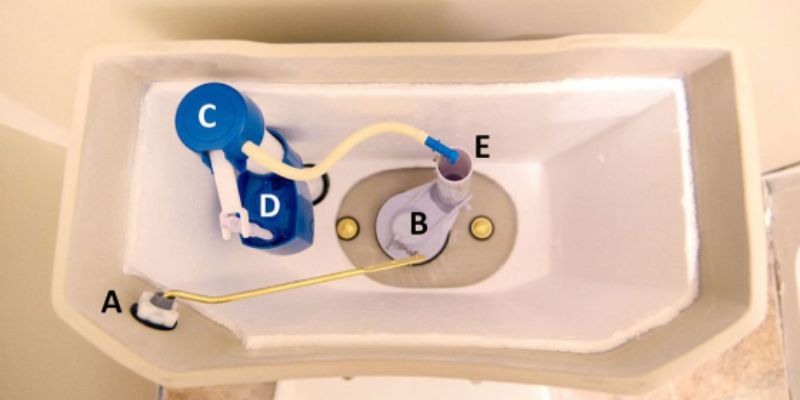
- Worn Flapper: The rubber seal at the tank’s bottom was old and warped. It lets water leak into the bowl.
- Faulty Fill Valve: This controls water flow into the tank. Mine was broken, so the tank overfilled.
- Leaky Flush Valve: The part where the flapper sits can crack, causing leaks. My friend’s toilet had this.
- Bad Chain: The chain connecting the handle to the flapper was too short. It kept the flapper open.
- High Water Level: If the tank’s water is too high, it spills into the overflow tube. I adjusted mine to fix this.
- Corrosion or Debris: Mineral buildup can mess with parts. My hard water left gunk on the flapper.
Each issue has a fix, and I tried most of them. Identifying the cause was my first step.
How to Diagnose a Running Toilet
I played detective to pinpoint the problem. Here’s how I did it:
- Listen for Sounds: I stood by the toilet. A hiss meant the fill valve; a trickle pointed to the flapper.
- Check the Bowl: I looked for ripples in the bowl of water. Ripples meant a leak from the tank.
- Add Food Coloring: I dropped a few drops of food coloring into the tank. If it appeared in the bowl without flushing, the flapper was leaking.
- Inspect the Tank: I lifted the lid and checked the parts. My flapper looked worn, and the chain was tangled.
- Test the Fill Valve: I watched the tank fill. If it didn’t stop, the valve was faulty.
This took 10 minutes and gave me a clear idea. The food coloring trick was my favorite—it’s so simple!
Tools and Supplies You’ll Need
Before fixing my toilet, I gathered supplies. Here’s what I used:
- Replacement Flapper: I bought a universal one for $5.
- Adjustable Wrench: Tightens bolts. I had one in my toolbox.
- Screwdriver: Adjusts the fill valve. My $3 Phillips worked fine.
- Replacement Fill Valve: I got one for $10 in case mine was bad.
- Towel: Catches drips. An old one from my closet was perfect.
- Gloves: Keep hands clean. I spent $3 on rubber gloves.
- Cleaner: Vinegar removes mineral buildup. A $2 bottle did the trick.
I spent $20 total, and most items are reusable. Check your toilet model for specific parts.
How to Fix a Worn Flapper
My flapper was the main culprit. Here’s how I fixed it:
- Turn Off Water: I turned the shut-off valve behind the toilet clockwise.
- Flush to Empty Tank: I flushed to drain the water.
- Remove Old Flapper: I unhooked the chain and pulled the flapper off its pegs.
- Clean the Seat: I wiped the flush valve with vinegar to remove gunk.
- Install New Flapper: I snapped a new one in place and reattached the chain.
- Adjust Chain Length: I made sure it had slight slack, not too tight or loose.
- Turn On Water: I opened the valve and let the tank fill.
- Test: I flushed and checked for leaks with food coloring.
It took 15 minutes, and the trickle stopped. A $5 flapper saved my bill!
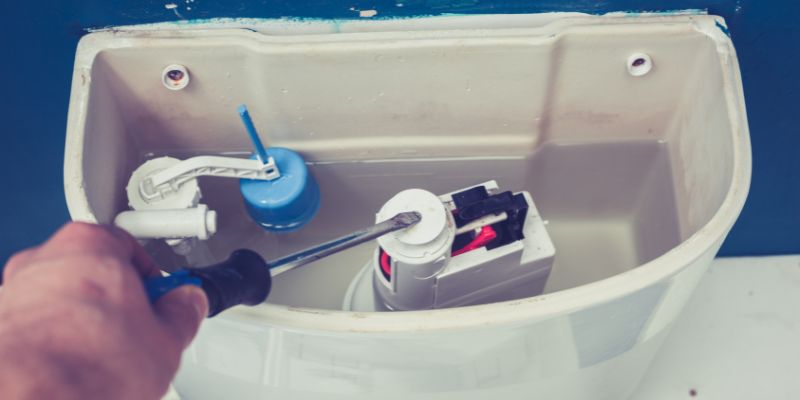
Fixing a Faulty Fill Valve
When my flapper didn’t fix it, I checked the fill valve. Here’s what I did:
- Turn Off Water: I shut the valve to stay dry.
- Empty Tank: I flushed with clear water.
- Remove Old Valve: I unscrewed the nut under the tank and lifted it out.
- Install New Valve: I followed the kit’s instructions to set the height and lock it in place.
- Connect Water Line: I reattached the supply line with my wrench.
- Adjust Float: I set the water level below the overflow tube.
- Test: I turned on the water and flushed. No more hissing!
This took 20 minutes and cost $10. My tank filled perfectly after.
Adjusting the Water Level
Sometimes, the water’s too high. I fixed this easily:
- Check Overflow Tube: I saw water spilling into it.
- Locate Float: Mine was a ball on a rod, but some are cups on the fill valve.
- Adjust Ball Float: I turned the screw on top to lower the float.
- Adjust Cup Float: I pinched the clip and slid it down.
- Test: I flushed and checked the water level. It stopped below the tube.
This took 5 minutes and cost nothing. It stopped the overflow leak.
Table: Common Toilet Problems and Fixes
Here’s a table I made to keep things clear:
| Problem | Symptoms | Fix | Cost |
|---|---|---|---|
| Worn Flapper | Water in the overflow tube | Replace flapper | $5-$10 |
| Faulty Fill Valve | Hissing, constant filling | Adjust or replace the chain | $10-$20 |
| High Water Level | Replace the fill valve | Adjust float | Free |
| Bad Chain | Flapper stays open | Replace the flush valve | $1-$5 |
| Leaky Flush Valve | Persistent leak | Replace flush valve | $20-$50 |
| Debris Buildup | Parts don’t seal | Clean with vinegar | $2 |
This helped me choose the right fix.
Cleaning Debris and Corrosion
Hard water left gunk on my toilet parts. Here’s how I cleaned it:
- Turn Off Water: I shut the valve.
- Empty Tank: I flushed it to drain.
- Apply Vinegar: I soaked a rag in vinegar and placed it on the flapper and valve.
- Wait 10 Minutes: The vinegar dissolved minerals.
- Scrub: I used an old toothbrush to clean tight spots.
- Rinse: I turned on the water and flushed to clear the residue.
- Test: I checked for leaks. It worked!
This cost $2 and took 15 minutes. Regular cleaning prevents buildup.
Fixing a Bad Chain
My chain was too short, keeping the flapper open. Here’s my fix:
- Turn Off Water: I shut the valve.
- Check Chain: I saw it was pulling the flapper.
- Adjust Length: I unhooked it and added slack—about ½ inch.
- Replace if Broken: I had a spare $2 chain ready.
- Test: I turned on the water and flushed. The flapper closed properly.
This took 5 minutes. A quick tweak fixed the issue.
When to Replace the Flush Valve
My friend’s toilet needed a new flush valve. Here’s how it’s done:
- Turn Off Water: Shut the valve and flush.
- Remove Tank: Unscrew the bolts under the tank and lift it off.
- Replace Valve: Remove the old valve and install a new one with a gasket.
- Reattach Tank: Bolt it back and reconnect the water line.
- Test: Turn on the water and flush.
This took 45 minutes and cost $30. I didn’t need it, but it’s good to know.
Preventing a Running Toilet
I wanted to avoid future problems. Here’s my routine:
- Check Flapper Yearly: I replace it every 3-5 years.
- Clean Tank: I use vinegar monthly to stop buildup.
- Adjust Float: I check the water level twice a year.
- Inspect Chain: I ensure it’s not tangled.
- Fix Leaks Fast: I tackle drips right away.
This takes 10 minutes monthly and keeps my toilet quiet.
Costs of Fixing a Running Toilet
I tracked expenses to stay budget-friendly. Here’s my breakdown:
- Flapper: $5-$10. I paid $5.
- Fill Valve: $10-$20. Mine was $10.
- Flush Valve: $20-$50. I didn’t need it.
- Chain: $1-$5. I had one free.
- Tools: Wrench ($0, owned), screwdriver ($3), gloves ($3). Total: $6.
- Cleaner: Vinegar ($2).
- Professional Plumber: $75-$200. I did it myself.
I spent $23 total. DIY saved me hundreds compared to a $100 plumber visit.
Safety Tips for Toilet Repairs
I stayed safe while fixing my toilet. Here’s how:
- Turn Off Water: I avoided floods by shutting the valve.
- Wear Gloves: Kept germs off my hands.
- Ventilate: I opened a window when using cleaners.
- Use Tools Carefully: I held the wrench firmly.
- Dry Floor: I mopped spills to avoid slipping.
These kept me safe and my bathroom dry. I washed my hands after, too.
Environmental Impact of a Running Toilet
I care about the planet, so I looked into water waste. A running toilet can waste 6,000 gallons a month! That’s enough to fill a small pool. Fixing mine saved water and lowered my bill. I use eco-friendly vinegar for cleaning to avoid chemicals. Upgrading to a low-flow toilet could save more, but my fixes work for now. It’s a small way to help the Earth.
When to Call a Plumber
I handled most fixes, but some jobs need a pro. I’d call a plumber if:
- Tank won’t Stop Leaking: After trying fixes, it still runs.
- Cracked Tank: My friend needed a new toilet for $300.
- No Shut-Off Valve: Some old homes need one installed.
- Complex Repairs: Replacing a flush valve was tricky.
- No Time: A plumber’s $100 is worth it if you’re busy.
I found a local plumber for $75 an hour. DIY was cheaper for me.
Why a Running Toilet Matters
A running toilet isn’t just annoying—it hits your wallet and the environment. My bill dropped $30 a month after fixing mine. It also prevents water damage from leaks. I sleep better without that trickle sound. Taking action makes your home more efficient and peaceful.
Wrapping It Up
So, why won’t your toilet stop running? It’s usually a worn flapper, faulty fill valve, or simple adjustment, but now you know how to fix it all. I went from frustrated by that constant trickle to a DIY toilet pro, saving water and money with a $5 flapper and some elbow grease. By checking your tank, swapping parts, and cleaning regularly, you can silence that toilet and keep your bills low. Grab a screwdriver, pop that tank lid, and get to work—you’ve got this! Your bathroom will be quiet, and you’ll feel like a hero. Thanks for diving into this with me—here’s to flush valves that work and wallets that stay full!
FAQs
Why does my toilet keep running after I flush?
It’s likely a worn flapper or a faulty fill valve. I fixed mine with a $5 flapper and a food coloring test to check for leaks.
How much does it cost to fix a running toilet?
I spent $23 on a flapper, fill valve, and vinegar. A plumber costs $75-$200, but DIY is cheap.
Can I fix a running toilet myself?
Yes, I did it in 15-30 minutes. A screwdriver, wrench, and new parts are all you need.
How do I know if my flapper is bad?
I used food coloring in the tank. If it leaks into the bowl without flushing, the flapper’s worn.
Will a running toilet increase my water bill?
Definitely. Mine wasted 200 gallons a day, adding $30 to my bill. Fixing it saved me money.