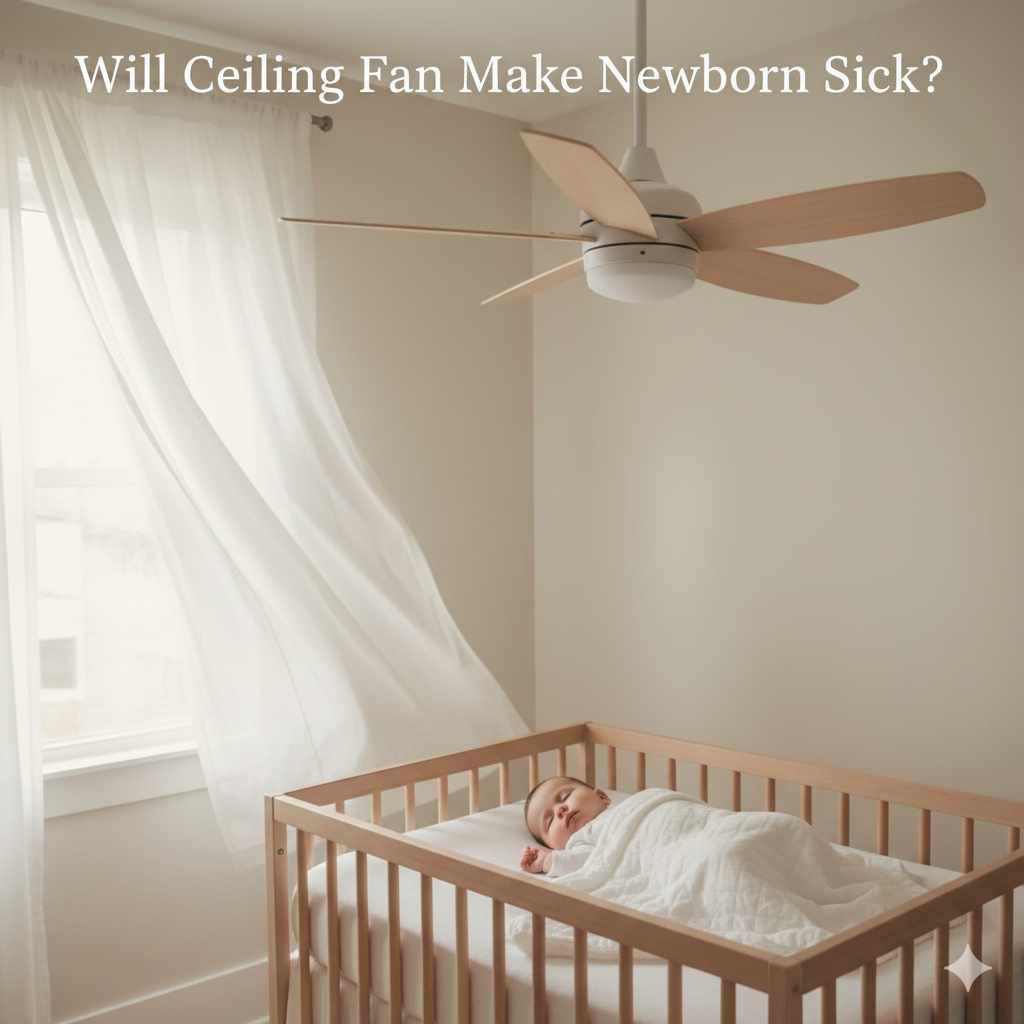
Will Ceiling Fan Make Newborn Sick: Essential Safety
Quick Summary: A ceiling fan itself won’t make a newborn sick. However, improper use, dust accumulation, or direct drafts can cause discomfort or health issues. This guide will show you how to safely use ceiling fans to keep your baby comfortable and healthy.
Welcoming a new baby into your home is a joyous time! As you prepare your nursery and home, you might be wondering about everyday items like ceiling fans. It’s a common question: “Will a ceiling fan make my newborn sick?” The short answer is no, not directly. But like many things when caring for a little one, there are some important safety tips to keep in mind. You want your baby’s environment to be just right – not too hot, not too cold, and definitely healthy. Let’s break down how to use your ceiling fan effectively and safely for your newborn, ensuring they stay comfortable and well. We’ll cover everything from air circulation to cleaning, so you can feel confident.
Understanding How Ceiling Fans Work for Baby’s Comfort
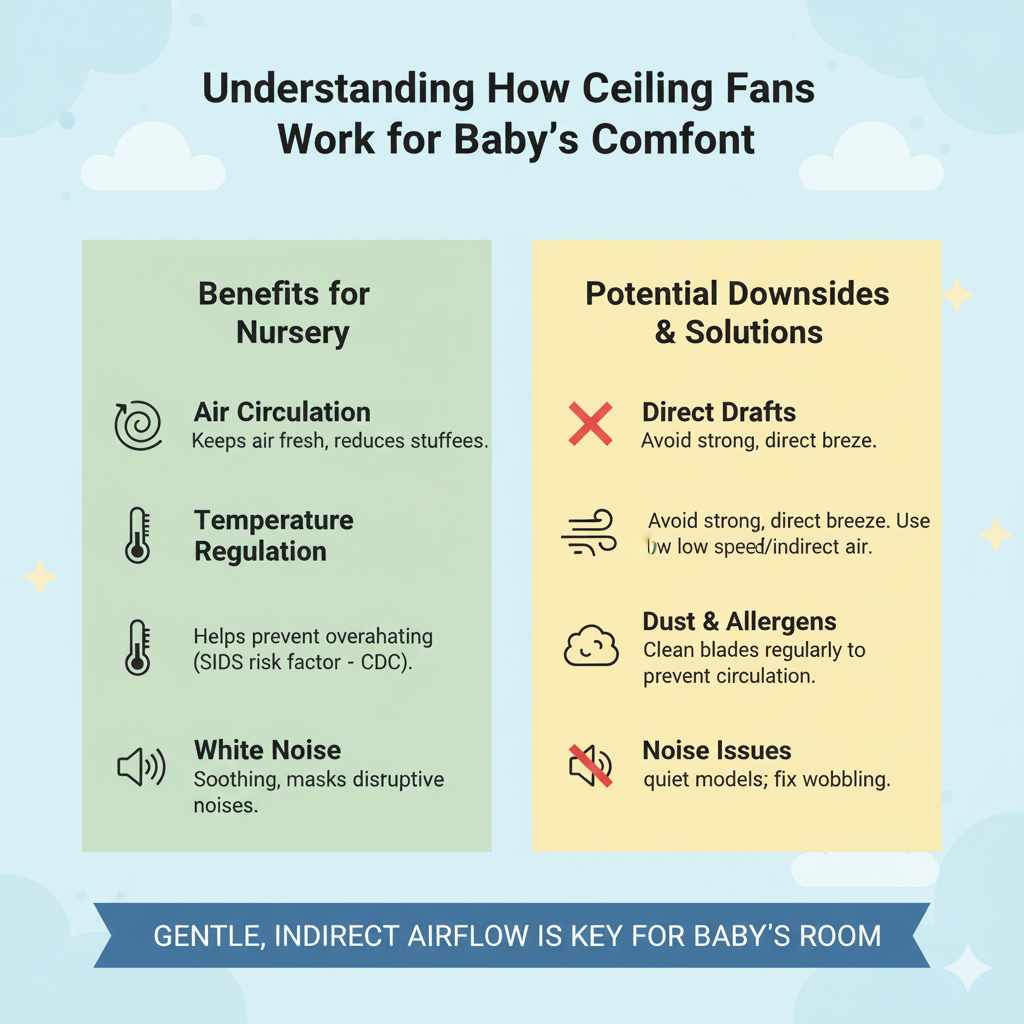
Ceiling fans are fantastic tools for improving air circulation and comfort in a room. They don’t actually lower the room’s temperature; instead, they create a breeze that helps cool your skin through evaporation. For a newborn, this can be a double-edged sword. A gentle, indirect airflow can help prevent overheating, which is a crucial safety concern for infants. However, a direct, strong draft can be problematic. Understanding this balance is key to using your fan wisely.
The Benefits of Ceiling Fans for a Nursery
When used correctly, ceiling fans offer several benefits for a baby’s room:
- Air Circulation: Keeps the air fresh and prevents stuffiness, which can be especially important in a room where a baby spends a lot of time. Good air movement can help reduce the concentration of airborne irritants.
- Temperature Regulation: Helps to create a more consistent and comfortable temperature, reducing the risk of overheating. Overheating is a known risk factor for Sudden Infant Death Syndrome (SIDS). According to the Centers for Disease Control and Prevention (CDC), maintaining a safe sleep environment is paramount, and a fan can contribute to this by preventing excessive warmth.
- White Noise: The gentle hum of a ceiling fan can act as white noise, which can be soothing for some babies and help mask sudden noises that might wake them.
- Reduced Humidity: Moving air can help reduce humidity levels, making the room feel more comfortable and less conducive to mold growth.
Potential Downsides and How to Avoid Them
While beneficial, there are a few things to watch out for:
- Direct Drafts: A strong, direct breeze can make a baby feel cold, even if the room temperature is adequate. This can lead to discomfort and potentially make them more susceptible to catching a chill.
- Dust and Allergens: Ceiling fan blades can accumulate dust, pet dander, and other allergens. If not cleaned regularly, these can be circulated into the air, potentially irritating a baby’s sensitive respiratory system.
- Noise Issues: While some babies find the hum soothing, a fan that wobbles or makes loud, inconsistent noises can be disruptive to sleep.
Essential Safety Tips for Using Ceiling Fans with Newborns
Keeping your little one safe and comfortable is your top priority. Here’s how to use your ceiling fan responsibly:
1. Speed and Direction Matters
The most crucial aspect is controlling the fan’s speed and direction. For a newborn, you generally want to avoid high speeds that create a strong, direct wind. Many modern ceiling fans have a reverse function, which is particularly useful. In warmer months, you’ll want the fan to spin counter-clockwise, pushing air down to create a cooling breeze. In cooler months, you can switch the fan to spin clockwise on a low setting. This pulls air up and away from the living space, circulating warmer air that rises near the ceiling without creating a draft.
Here’s a simple guide to fan direction:
| Season | Fan Direction | Effect | Best Use Case for Nursery |
|---|---|---|---|
| Summer | Counter-clockwise (facing down) | Creates a downdraft and cooling breeze. | Use on a low to medium setting to gently circulate air and prevent overheating. Avoid direct, strong airflow on the baby. |
| Winter | Clockwise (facing up) | Pulls air up and disperses warmer air trapped at the ceiling. | Use on a low setting to gently circulate air without creating a draft. This helps maintain a consistent, comfortable temperature. |
2. Placement and Angle of Airflow
Ensure the fan is not directly above the baby’s crib or changing area. The goal is to circulate air throughout the room, not to blow directly on the baby. If possible, angle the fan so that the airflow gently circulates around the room. If you have a ceiling fan with adjustable blades or directional settings, use them to your advantage. For added safety and to prevent any potential hazards, ensure the fan is securely installed and that the blades are well out of reach. Most ceiling fans are installed high enough to be safe, but it’s always good to double-check.
3. Keep it Clean!
Dust accumulation on fan blades is a common culprit for circulating allergens and irritants. A dirty fan can worsen air quality, which is the last thing you want for a newborn. Make cleaning your ceiling fan a regular part of your nursery upkeep.
Here’s a simple cleaning routine:
- Safety First: Always turn off the fan at the switch and the circuit breaker before cleaning.
- Gather Supplies: You’ll need a duster (an extendable one is great for reaching blades), a damp cloth, and possibly a mild all-purpose cleaner.
- Dust the Blades: Use your duster to remove loose dust from the top and bottom of each blade. For a deeper clean, you can use an old pillowcase to slide over each blade, trapping the dust inside.
- Wipe Down: Dampen a cloth (not soaking wet) with water or a mild cleaner and wipe down each blade. Ensure the blades are completely dry afterward.
- Clean the Fixture: Wipe down the motor housing and any light fixtures.
- Frequency: Aim to clean your ceiling fan at least once a month, or more often if you notice dust buildup or if anyone in the household has allergies.
4. Monitor Room Temperature and Baby’s Comfort
A ceiling fan is a tool to help manage comfort, but it’s not a substitute for monitoring the actual room temperature and your baby. Dress your baby appropriately for the room temperature. A good rule of thumb is to dress them in one more layer than you are comfortable wearing. Feel the back of their neck or their chest to check if they are too warm or too cool. If you’re using a thermometer, the ideal room temperature for a baby is between 68-72°F (20-22.2°C). A fan should complement this, not be the sole determinant of comfort.
The American Academy of Pediatrics (AAP) recommends keeping the room at a temperature that is comfortable for a lightly clothed adult. For more on safe sleep environments, you can refer to their guidelines on Safe Sleep.
5. Noise Levels
If your fan is making unusual noises, it might be time for a check-up or maintenance. A wobbly or loud fan can be more disruptive than helpful. Ensure the fan is securely mounted and that all parts are tightened. If it continues to be noisy, consider having it inspected by a professional or exploring quieter fan options.
When to Use Your Ceiling Fan
There are specific times when a ceiling fan can be particularly beneficial for your newborn:
- When the Room Feels Stuffy: If the air in the nursery feels stagnant, a low-speed fan can help improve circulation.
- During Warmer Months: To help prevent overheating, a fan on a low to medium setting can create a gentle breeze.
- To Aid Sleep: For some babies, the consistent, gentle white noise of a fan can be a sleep aid.
When to Turn Off or Avoid Using Your Ceiling Fan
There are also times when it’s best to turn off the fan or use it with extreme caution:
- When the Baby is Too Cold: If your baby feels cold to the touch, or if the room is already cool, the fan can make them even colder.
- When the Fan is Dirty: Until you can clean it, it’s better to avoid running a dusty fan.
- If the Fan is Noisy or Wobbly: Disruptive noises can interfere with sleep.
- Directly on the Baby: Never point a fan directly at a sleeping or resting baby.
Choosing the Right Fan for the Nursery
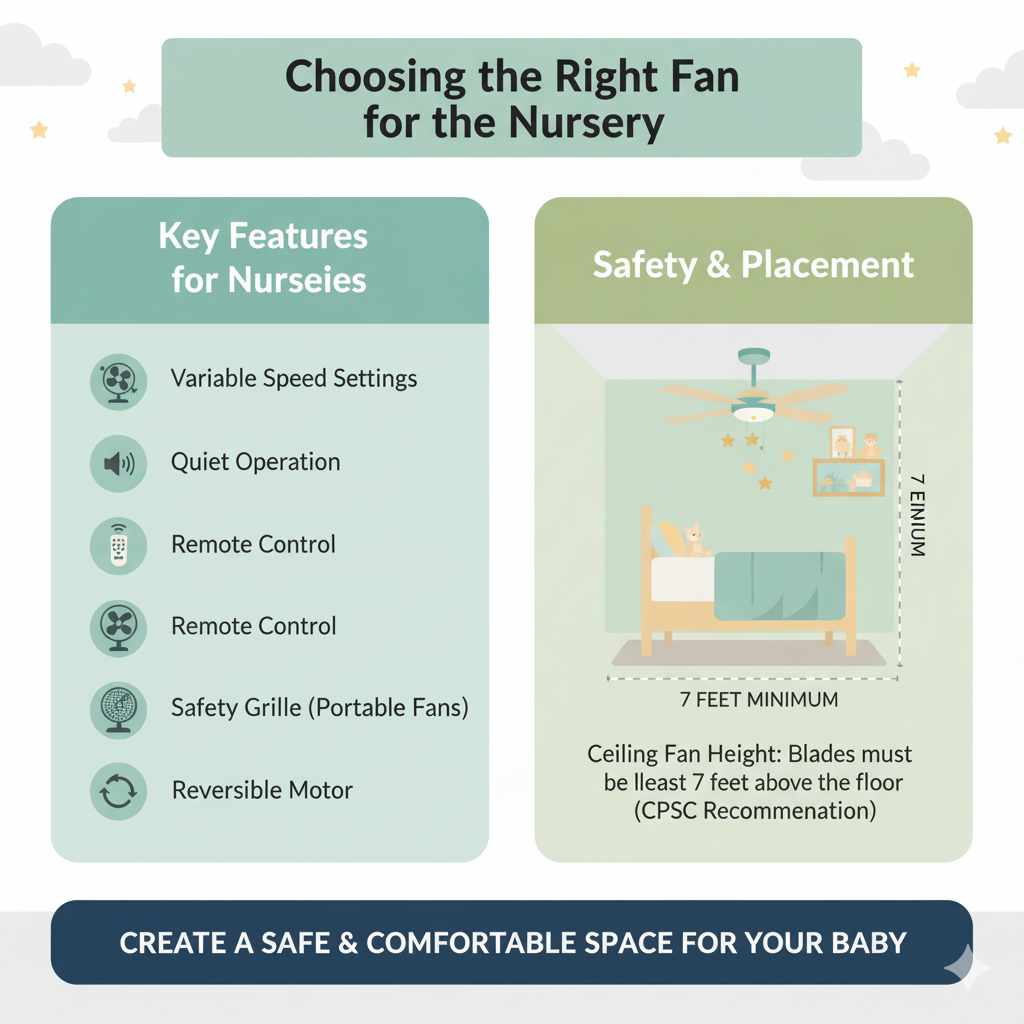
If you’re in the market for a new fan or considering an upgrade, here are some features to look for that are great for nurseries:
- Variable Speed Settings: Allows you to find the perfect gentle breeze.
- Quiet Operation: Look for models specifically designed for quiet performance.
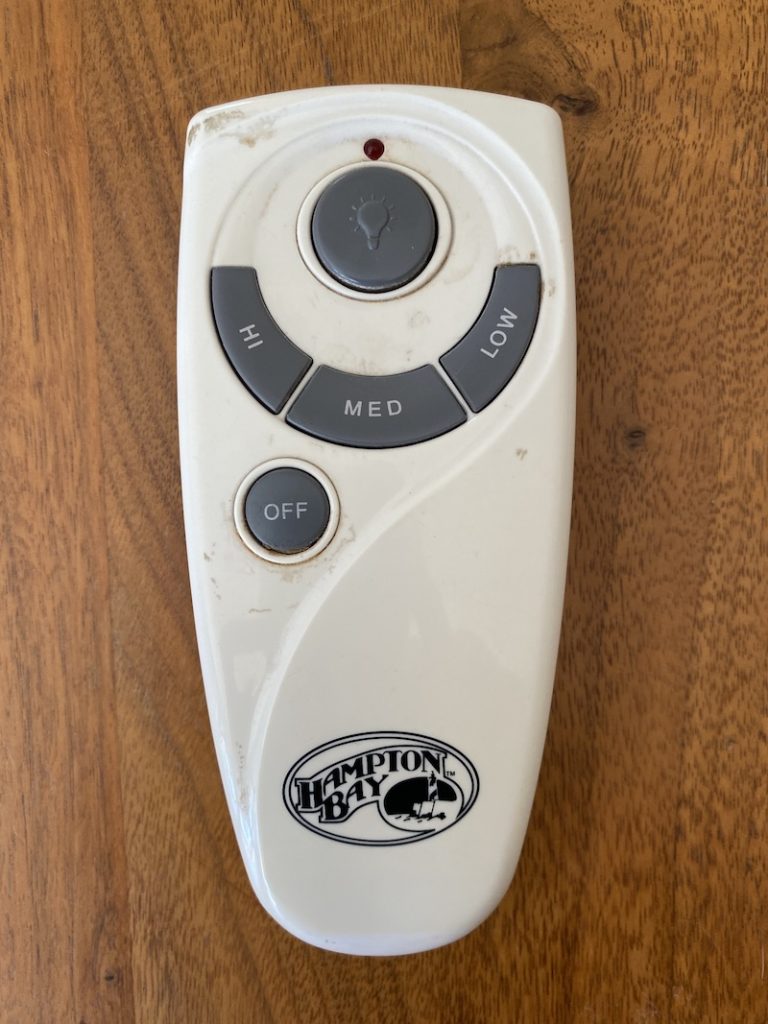
- Remote Control: Makes it easy to adjust settings without disturbing the baby.
- Safety Grille (for portable fans): While not for ceiling fans, if you use a portable fan, ensure it has a safety grille to prevent little fingers from getting too close.
- Reversible Motor: Essential for year-round use and optimal air circulation.
For ceiling fans, it’s also important to ensure they are installed at a safe height. The Consumer Product Safety Commission (CPSC) recommends that ceiling fans be installed so that the blades are at least 7 feet above the floor. This ensures that the fan is well out of reach of anyone standing or playing in the room.
Frequently Asked Questions (FAQ)
Q1: Can a ceiling fan directly cause a cold or illness in a newborn?
No, a ceiling fan doesn’t cause illness. Illnesses are caused by germs. However, a direct, strong draft from a fan can make a baby feel cold, which might make them uncomfortable or, in some cases, more susceptible to catching a virus if one is present. The key is gentle, indirect airflow.
Q2: How far away should the crib be from a ceiling fan?
The fan itself should be installed at a safe height (at least 7 feet from the floor). The goal is for the fan to circulate air in the room, not to blow directly on the crib. Position the crib so that the airflow is indirect. If you can’t avoid direct airflow, use the lowest speed setting and ensure the fan is far from the crib.
Q3: How often should I clean the ceiling fan in the nursery?
It’s recommended to clean your nursery’s ceiling fan at least once a month. If you notice visible dust buildup or if anyone in the household has allergies or asthma, you may need to clean it more frequently.
Q4: Is the noise from a ceiling fan bad for a newborn’s sleep?
For many babies, the consistent hum of a ceiling fan can actually be beneficial, acting as white noise that helps them fall asleep and stay asleep by masking other household sounds. However, if the fan is making loud, erratic, or rattling noises, this could be disruptive and should be addressed.
Q5: Should I use a ceiling fan if my baby has a cold?
If your baby has a cold and is feeling chilled, it’s best to turn off the fan or use it on its lowest setting with the reverse function (pushing air upwards) to gently circulate air without creating a draft. Ensure the room temperature is comfortable for them.
Q6: What is the ideal temperature for a nursery with a ceiling fan?
The ideal room temperature for a newborn is generally between 68-72°F (20-22.2°C). A ceiling fan can help maintain this temperature by circulating air, but you should always monitor your baby’s comfort and adjust their clothing or the fan settings as needed.
Conclusion
As you can see, a ceiling fan is a valuable tool for creating a comfortable and safe environment for your newborn. By understanding how to use it correctly – managing speed and direction, ensuring cleanliness, and monitoring your baby’s comfort – you can harness its benefits without worry. Remember, the key is gentle air circulation, not direct drafts, and regular maintenance to keep the air quality high. With these simple steps, you can confidently use your ceiling fan to help keep your little one happy, healthy, and perfectly comfortable. Enjoy this special time with your baby, knowing you’ve created a nurturing space for them to grow!