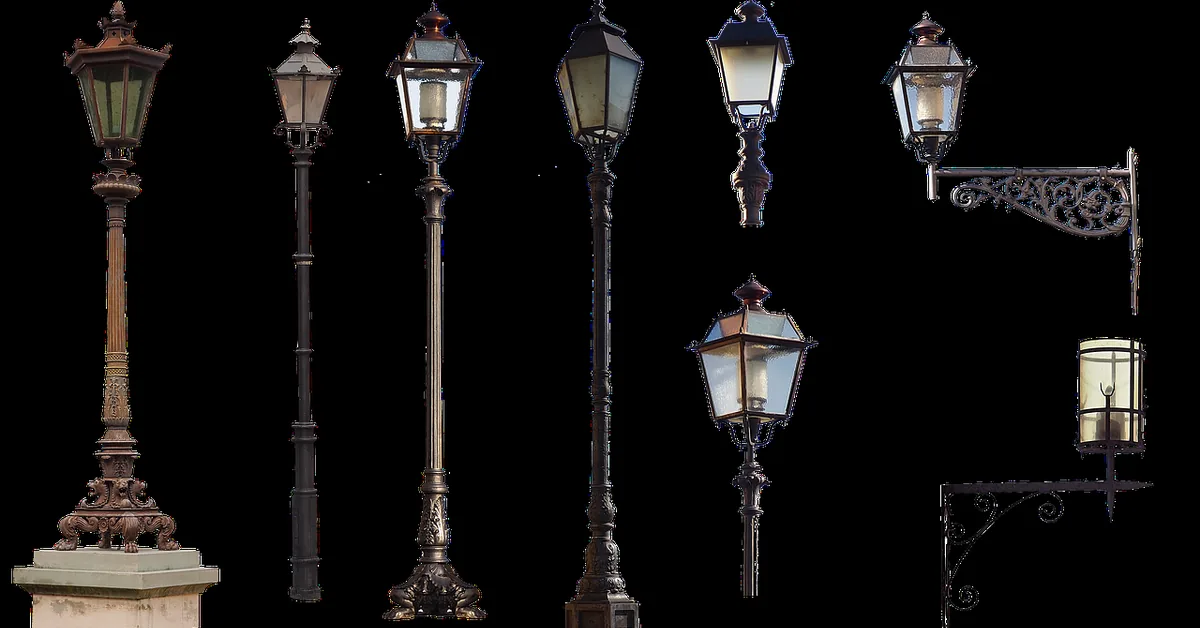
Who Invented Gas Street Lighting? William Murdoch, 1792
William Murdoch invented gas street lighting, first piping coal gas to his own home in Redruth, Cornwall in 1792 — though Pall Mall in London wasn’t publicly lit until 1807, once Frederick Winsor’s company won public trust. This guide covers Murdoch’s 1792 breakthrough, Pall Mall’s 1807 debut, and why gas lamps still survive in some historic districts today.
The Glow Before Gas: A World in Darkness
Before the advent of gas street lighting, cities and towns relied on much simpler, and far less effective, forms of illumination. Imagine navigating cobbled streets by the dim flicker of oil lamps or, worse, by moonlight and starlight alone. This limited visibility had a profound impact on daily life:
- Safety Concerns: Darkness provided cover for crime, making streets dangerous after dusk.
- Limited Commerce: Shops and businesses had to close early, restricting economic activity.
- Restricted Social Life: Evening gatherings and travel were challenging and often avoided.
- Inconvenience: Simply walking home after dark was an undertaking that required careful navigation and often a personal lantern.
These challenges highlight just how essential a reliable and widespread source of light truly was. Early attempts at street lighting were often localized and inconsistent. Torches, candles, and simple lamp fuel were used, but they were expensive to maintain, provided weak light, and posed fire risks. Some cities experimented with more organized systems, like watchmen carrying lanterns, but these were labor-intensive and still offered minimal illumination over large areas.
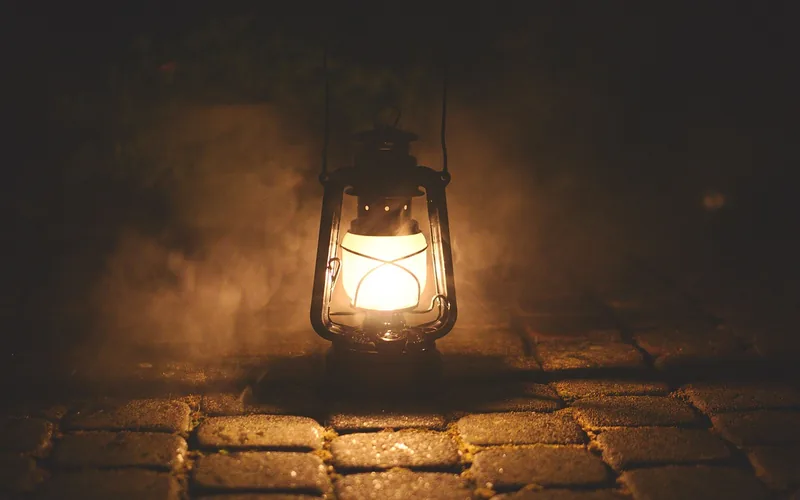
William Murdoch: The Pioneer of Gas Light
The name most closely associated with the invention and practical application of gas street lighting is William Murdoch. Born in Scotland in 1754, Murdoch was a gifted engineer who worked for the renowned inventor James Watt at Boulton & Watt, a leading steam engine manufacturer. It was his curiosity and ingenuity that led him to explore the potential of coal gas.
Murdoch’s journey with gas began with his experiments in the early 1790s. He discovered that heating coal in a closed vessel (a process called destructive distillation) produced a flammable gas. His initial goal was to find a way to light his own home and workshops more efficiently and brightly than was possible with existing methods. He developed a system that involved:
- Gas Production: A retort or oven where coal was heated.
- Purification: Processes to remove impurities from the gas.
- Distribution: Iron pipes to carry the gas from the production site to the point of use.
- Lighting Fixtures: Burners and mantles designed to produce a steady, bright flame.
His breakthrough came in 1792, when he piped coal gas through his own home on Cross Street in Redruth, Cornwall — the world’s first gas-lit domestic residence. After he returned to Birmingham to work at the Soho Foundry, he lit the interior of its main building in 1798, then staged a full public exterior demonstration there in March 1802. According to Samuel Clegg, the Soho apprentice who helped rig the display, the demonstration used Bengal lights fixed at each end of the manufactory, fed by a retort mounted in a fireplace and piped through a copper vase.
Early Demonstrations and Public Impact
Murdoch’s successful lighting of the Soho Foundry was a pivotal event. It was the first time a large industrial building was illuminated by gas, and it drew significant attention. Visitors were amazed by the brilliance and steadiness of the gas flames compared to the flickering, smoky oil lamps they were accustomed to. This demonstration was crucial in proving the viability and superiority of gas lighting. In 1808, the Royal Society recognized the achievement, awarding Murdoch its Rumford gold medal.
Following this success, Murdoch continued to refine his system. He developed improved burners and explored ways to make the gas production and distribution more efficient and safe for wider use. His work wasn’t just about creating light; it was about creating a practical, scalable system that could be implemented beyond a single building.
The impact was immediate. The idea of clean, bright, and consistent illumination captured the imagination of city planners and industrialists alike. It promised a transformation of urban life, and the race was on to bring this new technology to the streets.
The Spread of Gas Street Lighting
While Murdoch laid the groundwork, it was the subsequent efforts of others, building upon his innovations, that led to the widespread adoption of gas street lighting. Companies were formed, and infrastructure was painstakingly laid down to bring this new form of illumination to the public. The transition wasn’t instantaneous but rather a gradual, yet relentless, evolution.
Pioneering Cities and Key Figures
One of the first public streets to be lit by gas was Pall Mall in London, on January 28, 1807. This was a major milestone, demonstrating the potential for illuminating public thoroughfares. Frederick Winsor, a German-born entrepreneur, played a significant role in commercializing Murdoch’s ideas and establishing the first gas light companies.
Winsor secured a UK patent for coal gas lighting in 1804 and floated the New Patriotic Imperial and National Light and Heat Company to fund it. The venture was reorganized in 1812, when it was granted a Royal Charter as the Gas Light and Coke Company — the world’s first chartered gas utility. His efforts, though sometimes met with public ridicule, were instrumental in pushing the technology forward and making it accessible for urban infrastructure projects. By December 31, 1813, Westminster Bridge was lit by gas, followed by other major streets in London.
Other cities quickly followed suit:
- Paris: Adopted gas lighting in the 1820s, significantly enhancing its reputation as the “City of Light.”
- New York: Saw its first gas street lamps installed in the 1820s.
- Berlin: Began its transition to gas lighting around the same period.
Gas Street Lighting Comes to America
David Melville, an inventor in Newport, Rhode Island, lit his own house and a stretch of Pelham Street with gas by 1806 — a year before Pall Mall’s famous London debut. Melville patented his gas-lighting process in 1810, making him the first person to hold a U.S. gas-lighting patent, though regular commercial gas service didn’t reach Newport until 1853, decades after his original demonstration.
The establishment of gas works, where coal was converted into gas, became a common feature in urban landscapes. Networks of iron pipes were laid beneath the streets to distribute the gas to thousands of lamps. This infrastructure represented a massive engineering undertaking and a significant investment, but the benefits were deemed well worth the cost.
📊 By 1805, gas lighting a cotton mill cost about £600 a year to run — versus roughly £2,000 a year for candles at the same mill, a contract secured for the Phillips and Lee factory near Manchester. — Source: William Sugg & Co., company history
Technological Advancements in Gas Lighting
The early gas lamps were relatively simple, but continuous innovation improved their efficiency and brightness. A major breakthrough was the development of the incandescent gas mantle by Carl Auer von Welsbach in the late 19th century. This thin, fabric-like material, when heated by the gas flame, glowed intensely, producing a much brighter and whiter light than a simple gas flame alone.
This invention, often referred to as the Welsbach mantle, significantly improved the quality of gas lighting and made it competitive with the emerging electric lighting technologies. It allowed for fewer lamps to be used to achieve the same or better illumination levels, further reducing costs and simplifying maintenance.
The Essential Role of Gas Street Lighting
The introduction of gas street lighting was far more than just a technological novelty; it was a catalyst for profound societal change. It solved fundamental problems in urban life — safety, commerce, and social activity all changed within a generation of the first public gas lamp being lit.
Transforming Urban Safety and Security
The most immediate and impactful benefit was the dramatic improvement in public safety. Well-lit streets:
- Deterred Crime: Darkness had previously been an ally to criminals. Brightly lit streets made it much harder for them to operate unseen, leading to a noticeable decrease in street crime.
- Reduced Accidents: Navigating streets at night became safer, reducing the number of falls, collisions, and other accidents that occurred in the dark.
- Improved Visibility for Law Enforcement: Police patrols could be more effective, covering more ground and responding to incidents more quickly.
The psychological impact was also significant. People felt safer and more secure, encouraging them to be out and about after dark, fostering a greater sense of community and reducing fear — which is also part of why tampering with a working street light carries real legal consequences in most jurisdictions today.
Boosting Economic Activity and Commerce
Gas lighting revolutionized commerce. Businesses were no longer forced to shut down with the setting sun. Shops, theaters, and entertainment venues could extend their operating hours, leading to:
- Increased Sales: Retailers could attract customers in the evening hours.
- Extended Workdays: Factories and workshops could operate later, increasing productivity.
- Vibrant Nightlife: Theaters, restaurants, and social establishments flourished, contributing to a livelier urban culture.
- Improved Transportation: Public transport, such as horse-drawn omnibuses, could operate more reliably after dark.
The economic ripple effect was substantial, contributing to the growth and prosperity of cities worldwide.
Enhancing Social Life and Culture
Beyond safety and commerce, gas street lighting enriched the social fabric of cities. It allowed for:
- Evening Strolls and Socializing: People could enjoy leisurely walks and meet friends without the constraints of darkness.
- Cultural Events: Theaters, opera houses, and concert halls could host evening performances, making arts and culture more accessible.
- Increased Public Gatherings: Festivals, parades, and other public events could be celebrated after dark, adding a new dimension to urban life.
Cities became more vibrant and engaging places, transforming the experience of urban living. The iconic image of gaslight-lit boulevards became synonymous with sophistication and progress.
Comparing Gas Lighting to Other Forms
To truly appreciate the impact of gas street lighting, it’s helpful to compare it to what came before and what came after. Each lighting technology had its own set of characteristics, pros, and cons.
Pre-Gas Lighting Technologies
Before gas, the primary options were:
| Technology | Pros | Cons | Illumination Level |
|---|---|---|---|
| Torches | Portable, readily available fuel (wood) | Smoky, short-lived, fire hazard, very dim | Very Low |
| Candles | Relatively portable, common household item | Short burn time, expensive for widespread use, drippy, weak light | Low |
| Oil Lamps (e.g., whale oil, kerosene) | Brighter than candles, longer burn time | Smoky, required frequent refilling and cleaning, fuel could be expensive, still a fire risk | Medium |
These methods were insufficient for lighting entire streets or large public spaces effectively. They were often localized, labor-intensive, and failed to provide the consistent, bright illumination needed for public safety and commerce.
Gas Lighting vs. Early Electric Lighting
Gas lighting dominated the urban landscape for decades before being challenged by electric lighting. Here’s a comparison:
| Feature | Gas Lighting | Early Electric Lighting (Arc Lamps, Incandescent) |
|---|---|---|
| Brightness & Quality | Good, especially with Welsbach mantles. Could be yellowish. | Arc lamps were very bright but harsh; early incandescent bulbs were dim and had short lifespans. |
| Infrastructure | Extensive network of underground pipes. | Overhead wires initially, later underground cables. Required power generation stations. |
| Cost | Initially expensive to install, but operational costs became competitive. | Very high initial installation costs for power generation and distribution. |
| Safety | Risk of gas leaks, explosions. | Risk of electrocution, fires from faulty wiring. |
| Maintenance | Regular cleaning of mantles, lamp relighting, pipe maintenance. | Bulb replacement, wiring maintenance, power station upkeep. |
| Control | Manual lighting/extinguishing by lamplighters, later automated systems. | Centralized control possible, but early systems were often manual. |
While electricity eventually surpassed gas lighting in terms of efficiency, safety, and versatility, gas lighting was a crucial stepping stone. It provided a level of illumination that was revolutionary for its time and set the stage for the electrically lit world we know today. The infrastructure built for gas lighting often served as a blueprint for early electrical distribution systems.
The Legacy of Gas Street Lighting Today
Although most modern cities have transitioned to electric or LED lighting, the legacy of gas street lighting endures. Many historic districts around the world still feature beautiful, functioning gas lamps, preserved for their aesthetic appeal and historical significance. These lamps are a tangible link to the past, offering a romantic and nostalgic ambiance.
Organizations and individuals are dedicated to maintaining these historic gas lighting systems. The process often involves specialized knowledge of gas fitting, burner maintenance, and historical preservation techniques. For example, in London, many of the iconic gas lamps are still lit and maintained by specialized crews, sometimes using traditional methods.
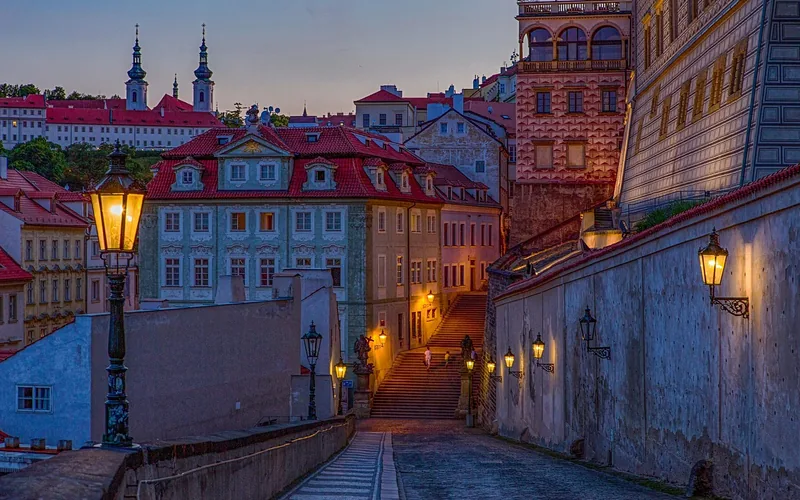
The principles of distributing a fuel source through a network of pipes to numerous points of use, pioneered by gas lighting, can be seen in modern utility systems like natural gas distribution for heating and cooking. Similarly, the concept of providing consistent, reliable public illumination has evolved into today’s sophisticated urban lighting networks.
Furthermore, the aesthetic of gaslight continues to influence modern design. Many contemporary outdoor lighting fixtures are designed to evoke the classic look of gas lamps, blending historical charm with modern lighting technology. For more on updating your own fixtures, see our full lighting and ceiling fan guides.
Best Gas-Style Lantern Pick
French Quarter Gas Style 2-Light Outdoor Wall Lantern Sconce – $59.99
Modeled directly on the wrought-iron gas lanterns this guide covers — the closest look to an original Murdoch-era street lamp you can mount on a modern exterior wall.
- Best for: Porches, entryways, and historic-style homes
- Why we picked it: Genuine gas-lamp silhouette instead of a generic modern fixture
- Main drawback: Fixed candelabra bulbs only — no dusk-to-dawn sensor built in
Compare more gas-lamp-style lighting options
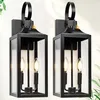 Option 1 19" Black Dusk-to-Dawn Outdoor Lantern – $99.99
|
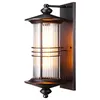 Option 2 LEONLITE 23" Oil-Rubbed Bronze Lantern – $79.96
|
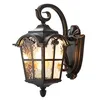 Option 3 DEWENWILS Black Roman Lantern – $49.99
|
As an Amazon Associate we earn from qualifying purchases.
Frequently Asked Questions
Who is credited with inventing gas street lighting?
William Murdoch, a Scottish inventor and engineer, is widely credited with developing and demonstrating the first practical gas lighting system suitable for widespread use, including street lighting, in the late 18th and early 19th centuries.
When was the first street lit by gas?
The first street to be lit by gas lamps was Pall Mall in London, on January 28, 1807. This was a significant public demonstration of the technology’s potential.
What were the main benefits of gas street lighting?
The main benefits included significantly improved public safety by deterring crime and reducing accidents, boosted economic activity by allowing businesses to operate longer hours, and enhanced social life by making evenings more accessible and enjoyable.
Was gas lighting safe?
Gas lighting had inherent risks, primarily related to gas leaks which could lead to explosions or fires. However, compared to the darkness it replaced, and with careful installation and maintenance, it was considered a major improvement in safety for urban areas.
Did gas lighting replace all other forms of lighting?
Gas lighting largely replaced candles, torches, and oil lamps for public illumination. However, it was eventually superseded by electric lighting in the late 19th and early 20th centuries due to electricity’s greater efficiency, flexibility, and safety.
Are there still gas street lights in use today?
Yes, many historic cities around the world still maintain and operate gas street lights, particularly in historical districts. They are often preserved for their aesthetic and historical value, though they are much less common than electric lights.
How did gas for streetlights get produced?
Gas for streetlights was produced by heating coal in closed vessels (retorts) in a process called destructive distillation. This process, carried out in gas works, created a flammable gas that was then purified and distributed through a network of pipes.
Conclusion
From the dim, uncertain glow of oil lamps to the steady, brilliant illumination of gas street lighting, the journey of urban illumination is a testament to human ingenuity. William Murdoch’s pioneering work, building on scientific understanding and a practical need, laid the foundation for a transformation that made our cities safer, more prosperous, and more vibrant after dark. The spread of gas lighting across the globe was a monumental achievement, reshaping how people lived, worked, and interacted. While technology has since advanced, the essential role that gas street lighting played in paving the way for modern urban life is undeniable. It remains a crucial chapter in the story of progress, a reminder that even the simplest comforts, like a well-lit street, are the result of incredible innovation and a relentless pursuit of a better way.
Sponsored / affiliate links. As an Amazon Associate I earn from qualifying purchases. I may earn additional commission from eligible campaigns.