Wood Grain Comparison Chart: Unlocking Texture Insights
Imagine standing in a store, surrounded by a stunning array of wood samples. Each piece holds its own unique story and allure.
But how do you choose the perfect wood for your project? You want it to look amazing and fit your needs perfectly. That’s where a wood grain comparison chart becomes your best friend. Are you tired of guessing and hoping for the best?
This chart is your secret weapon to making informed decisions. It simplifies the process and gives you confidence in your choices. You’ll discover how this chart can save you time, money, and frustration. Let’s unlock the secrets of wood grains together and find the ideal match for your project.
What Is Wood Grain?
Wood grain shows the patternin the wood. It comes from the tree’s growth rings. Each tree has a uniquegrain pattern. These patterns can be straight, curly, or wavy. The grain affects how the wood looks and feels. Some grains are smooth, others are rough.
Grain also shows the strengthof the wood. Strong grains can hold more weight. Weak grains might break easily. People choose wood based on its grain. Furnituremakers love beautiful grains. Builders need strong grains for houses.
Types Of Wood Grain Patterns
Straight grain is very popular. Its lines run parallel. This makes it look neat and clean. Furniture and flooring often use straight grain. It is easy to work with. People love its simplicity.
Spiral grain twists like a ribbon. It adds charm to wood. This grain is often seen in pine and fir. People like its unique look. It gives wood a lively feel.
Wavy grain has curves. It flows like waves. This grain is found in maple and walnut. People choose it for its beauty. Wavy grain can make wood look rich and elegant.
Interlocked grain is complex. Its fibers twist together. This makes wood strong. Mahogany and oak often show interlocked grain. People value its durability. It is great for heavy-duty furniture.
Factors Affecting Wood Grain
Different trees have unique wood grains. Oak has a coarse grain, while maple’s is fine. Pine features a straight grain. Walnut’s grain is dark and wavy. Each species offers a distinct look and feel. Wood color and texture vary greatly. Choice depends on personal style and need.
Trees growing in rich soil produce strong wood. Sunlight affects grain patterns. More sun means tighter grains. Trees in dry areas may have wider grains. Rainfall also plays a role. It influences grain tightness. Cold climates can create dense wood. Warm areas might lead to softer grains.
Sawing methods change wood grain. Plain sawing shows a traditional look. Quarter sawing reveals intricate patterns. Kiln drying makes wood stable. Air drying keeps natural colors. Sanding smooths the surface. Staining adds color and depth. Each technique enhances the wood’s beauty.
Benefits Of Understanding Wood Grain
The beauty of wood grain adds charm to furniture. It enhances the visual appeal of any wooden item. Different grains create unique patterns and textures. Some grains may appear smooth, while others are rough. This variety makes each piece of wood special and unique. Choosing the right grain can make furniture look very beautiful.
Wood grain affects the strength of the wood. Straight grains are usually stronger and more durable. They hold weight better and resist breaking. On the other hand, twisted grains may be less stable. Knowing the grain type helps in making strong furniture.
Working with wood becomes easier with the right grain. Straight grains are simpler to cut and shape. They allow for smoother finishes and polishes. Curved grains might need more effort and care. Understanding grain helps in making woodworking tasks easier.
Applications In Woodworking
Wood grains play a big role in making furniture. Oak and maple are very popular. They are strong and look nice. Cherry wood is smooth and has a rich color. People love it for tables and chairs. Pine is softer but easy to work with. It is used for shelves and cabinets. Each type of wood gives a different look to furniture.
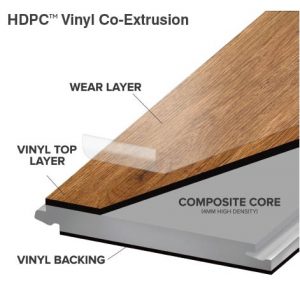
Wood grains change how floors look and feel. Hardwoods like oak and walnut are tough. They last a long time. Bamboo is also used. It grows fast and is eco-friendly. Laminate flooring can mimic any wood grain. It’s cheaper and easy to install. Different grains make floors unique.
Wood grains add beauty to decorative pieces. Veneers are thin wood layers with beautiful grains. They cover surfaces for a classy look. Marquetry uses various grains to make patterns. Artists use this for special designs. Carvings highlight the natural grain of wood. Each piece becomes a work of art.
Credit: www.etsy.com
Creating A Wood Grain Comparison Chart
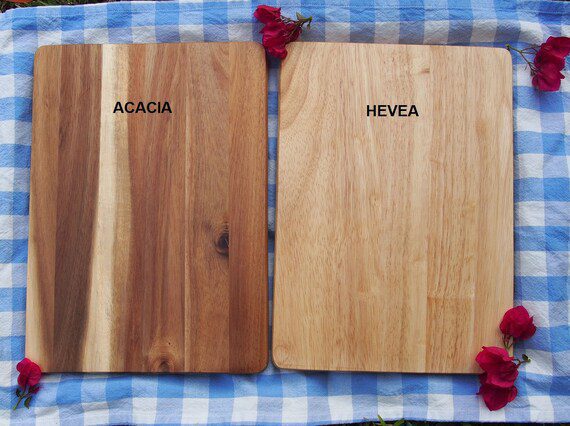
Wood grains have unique patterns. Some grains are straight. Others are wavy or curly. Each type has its own beauty. Color and texture also matter. Light woods are often soft. Dark woods might be hard. These traits help in choosing the right wood.
Wood can be grouped by grain type. Straight grains are easy to work with. Wavy grains can be tricky. Curly grains are rare and special. Organizing grains helps in better selection. It aids in finding the right match for projects.
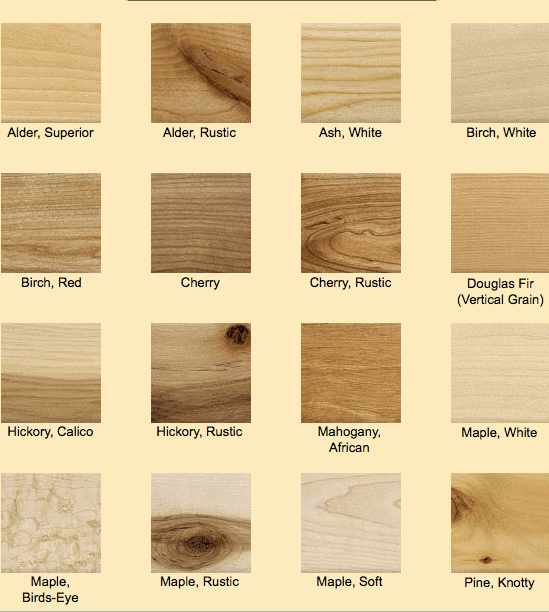
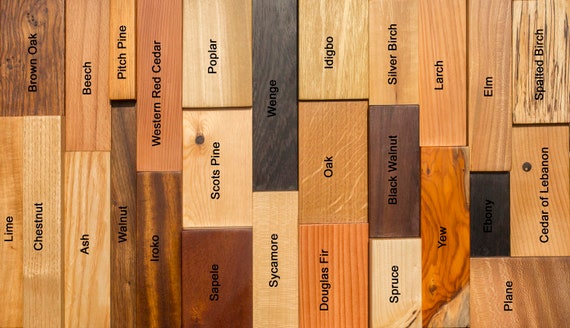
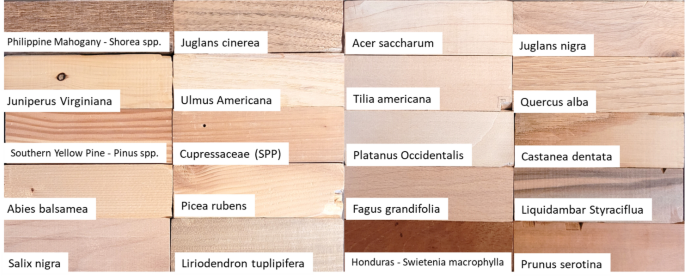
Pictures can show grain patterns. Diagrams work well too. Charts make comparison easy. Use colors to highlight differences. This makes understanding simple. Visuals help in making quick decisions. They are great tools for learning about wood grains.
Interpreting The Chart
Matching grain with applicationscan help in choosing the right wood. Some woods have tight grains. Others have open grains. Tight grains are strong. They fit well for furniture. Open grains are good for decoration. Knowing this helps in making smart choices.
Predicting wood behavioris essential. Some woods bend easily. Others are hard and stiff. Understanding this helps in planning projects. If a wood bends, it can be tricky. For sturdy needs, choose stiff woods.
Selecting wood for projectsneeds careful thought. Each project needs different wood. For floors, strong wood is best. For art, unique grains can look nice. Choosing the right wood ensures project success.
Credit: www.nature.com
Tips For Using Wood Grain Information
Using wood grain information can help in crafting better products. It guides the choice of tools for cutting. Some grains need special attention. Others are easier to work with. Knowing this saves time. It also reduces mistakes. Craftsmanship improves with right grain choice.
Design choices become more attractive with grain knowledge. Patterns can be matched and aligned. This creates a beautiful look. Grain affects color and texture. Using the right grain enhances the design. It brings out the best in wood projects.
Material usage becomes efficient with grain info. It helps in reducing waste. Cutting is more accurate. This saves resources. Projects use less wood but look great. It helps in planning budget. Knowing grain optimizes material usage well.

Credit: it.pinterest.com
Frequently Asked Questions
What Is A Wood Grain Comparison Chart?
A wood grain comparison chart is a visual tool. It helps in identifying and comparing different wood grains. The chart showcases textures and patterns of various wood types. It assists in selecting the right wood for projects. This chart is essential for designers and woodworkers.
How Does Wood Grain Affect Wood Quality?
Wood grain significantly impacts the wood’s strength and appearance. Fine grains often indicate higher quality and durability. Coarse grains can lead to more warping and splitting. Grain patterns also influence how wood absorbs finishes. Understanding grain types helps in choosing suitable wood for specific uses.
Why Is Wood Grain Important In Furniture Making?
Wood grain affects both aesthetics and structural integrity in furniture. The right grain enhances beauty and strength. Furniture with well-chosen grains resists wear and tear better. It contributes to the longevity and appeal of pieces. Understanding grains helps in crafting visually appealing and durable furniture.
How Can I Identify Different Wood Grains?
Identifying wood grains involves examining the wood’s texture and pattern. Look for lines, swirls, and knots. Each wood species has distinct grain characteristics. Using a wood grain comparison chart can aid in accurate identification. Experience and practice also enhance grain recognition skills.
Conclusion
Exploring wood grain options enhances your project. Different grains offer unique styles. Consider texture and color carefully. Each type brings distinct qualities. Oak is strong and versatile. Maple offers smooth surfaces. Pine is affordable yet soft. Choosing the right wood grain impacts your design.
Assess your needs and preferences. A well-informed decision leads to satisfaction. The chart simplifies comparisons. Use it as a helpful tool. Let your creativity shine with the perfect wood choice. Your project deserves the best. Happy woodworking!