A Bolt to Lock the Door: Your Guide to Home Security
Hey there! If you’re like me, you’ve probably stood in the hardware aisle, staring at a wall of door locks, wondering which one is the right fit for your home. It’s overwhelming, right? A bolt to lock the door isn’t just a piece of metal—it’s your first line of defense, a small but mighty tool that keeps your family safe. I’ve spent years tinkering with home security, testing locks, and learning what works best. Today, I’m sharing everything I’ve learned about choosing and installing the perfect door bolt to keep your home secure. Let’s dive into why a simple bolt can make such a big difference and how to pick the best one for your needs.
Why a Door Bolt Matters
When I moved into my first home, I didn’t think much about the locks. The door had a basic knob lock, and I figured that was enough. Then, a neighbor’s house got broken into, and I realized how vulnerable we all are without proper security. A door bolt isn’t just about locking your door—it’s about peace of mind. It’s that extra layer of protection that makes it harder for someone to get in uninvited.
A good bolt reinforces your door, making it tougher to kick in or pry open. Unlike a standard lock, which can sometimes be picked or bypassed, a bolt adds strength. I’ve seen flimsy doors splinter under pressure, but a solid deadbolt? That’s a game-changer. It’s like telling a burglar, “Not today.” Plus, it’s not just about intruders—bolts help keep your door secure during storms or heavy winds, too.
Types of Door Bolts to Consider
Standing in that hardware store, I was amazed at how many types of bolts exist. Each one has its own strengths, and picking the right one depends on your home and lifestyle. Let me break down the most common types I’ve come across.
- Deadbolts: These are my go-to for exterior doors. They’re sturdy, with a metal bolt that extends deep into the door frame. I installed a single-cylinder deadbolt on my front door, which uses a key outside and a thumb-turn inside. Double-cylinder deadbolts, which need a key on both sides, are great for doors with glass panels, but I avoid them in emergencies since you need a key to get out.
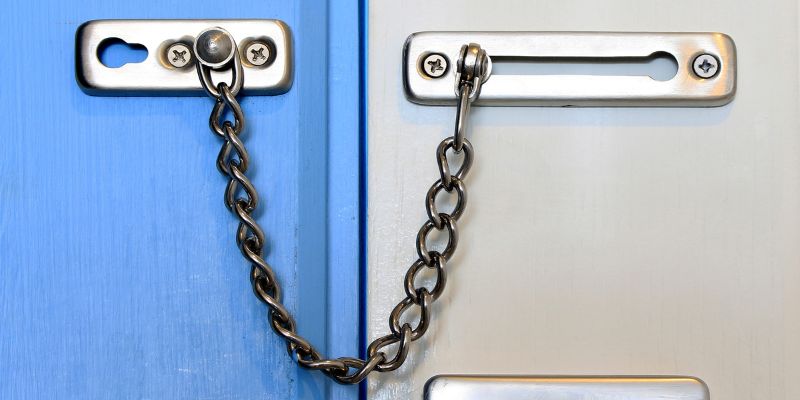
- Chain Locks: You’ve probably seen these in hotels. They let you crack the door open to talk to someone without fully unlocking it. I put one on my back door for extra caution, especially when I’m home alone. They’re not as strong as deadbolts, but they’re a nice backup.
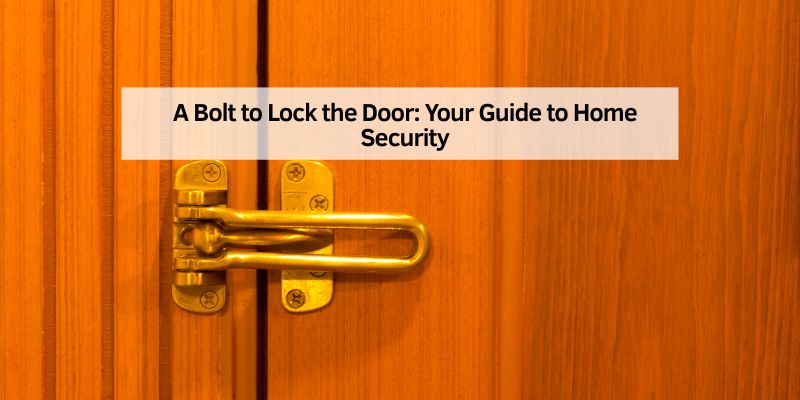
- Surface-Mounted Bolts: These slide bolts are super easy to install. I added one to my garage door because it was a simple way to beef up security without drilling too much. They’re great for secondary doors or gates.
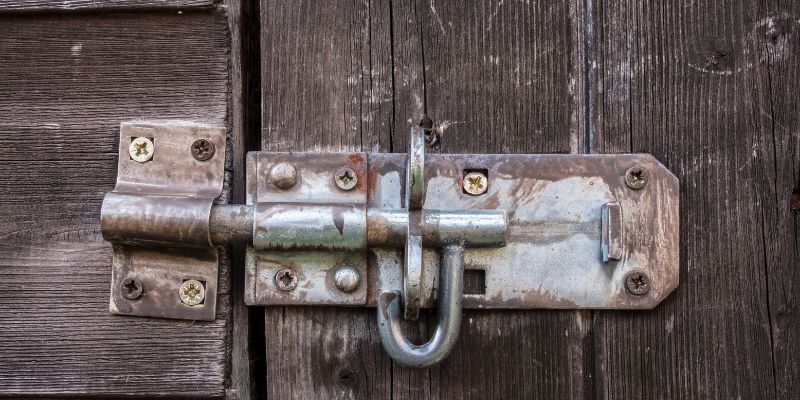
- Barrel Bolts: These are similar to surface-mounted bolts but smaller. I use one on my shed door. They’re affordable and reliable for less trafficked areas.
- Smart Bolts: Technology has changed the game! I recently tried a smart deadbolt that connects to my phone. I can lock or unlock it remotely, which is handy when I’m out and need to let a neighbor in. Just make sure your Wi-Fi is secure if you go this route.
Here’s a quick comparison to help you decide:
| Bolt Type | Best For | Pros | Cons |
|---|---|---|---|
| Deadbolt | Exterior doors | Very secure, durable | Can be pricey, needs proper install |
| Chain Lock | Extra layer of security | Easy to use, affordable | Not strong enough alone |
| Surface-Mounted Bolt | Gates, sheds, secondary doors | Simple install, budget-friendly | Less secure for main entrances |
| Barrel Bolt | Sheds, cabinets | Cheap, easy to install | Not for high-security needs |
| Smart Bolt | Tech-savvy homes | Remote access, convenience | Needs Wi-Fi, can be expensive |
How to Choose the Right Bolt for Your Door
Picking a bolt isn’t just about grabbing the shiniest one off the shelf. I learned that the hard way when I bought a cheap deadbolt that rusted in a year. Here’s what I consider now to make sure I get it right.
First, think about your door’s material. My front door is solid wood, so a heavy-duty deadbolt works great. But if you have a metal or fiberglass door, make sure the bolt is compatible. Check the thickness, too—most deadbolts need a door at least 1-3/8 inches thick.
Next, consider your home’s needs. I live in a quiet suburb, so a single-cylinder deadbolt feels safe enough. If you’re in a busier area or have kids, you might want a double-cylinder for extra security or a smart bolt for convenience. I also look at the bolt’s grade—ANSI Grade 1 is the strongest, and I always choose that for my main entrance.
Don’t forget aesthetics! My old bolt clashed with my door’s style, and it bugged me every time I walked in. Now, I pick finishes like brushed nickel or bronze to match my door hardware. It’s a small detail, but it makes the house feel cohesive.
Lastly, budget matters. A good deadbolt can cost $30 to $200, depending on features. I’ve found that spending a bit more upfront saves money in the long run—no one wants to replace a lock every year.
Installing a Door Bolt: My Step-by-Step Experience
I’m no handyman, but installing a deadbolt was one of my proudest DIY moments. It’s not as scary as it looks, and I’ll walk you through what I did. If you’re not comfortable with tools, though, a locksmith is worth the call.
First, I gathered my tools: a drill, screwdriver, tape measure, and the bolt’s template (most come with one). I read the instructions twice—trust me, it saves headaches. The template showed me exactly where to drill for the bolt and lock cylinder. I marked the spots with a pencil, double-checking measurements. My door already had a hole for a knob lock, so I just needed to drill for the bolt.
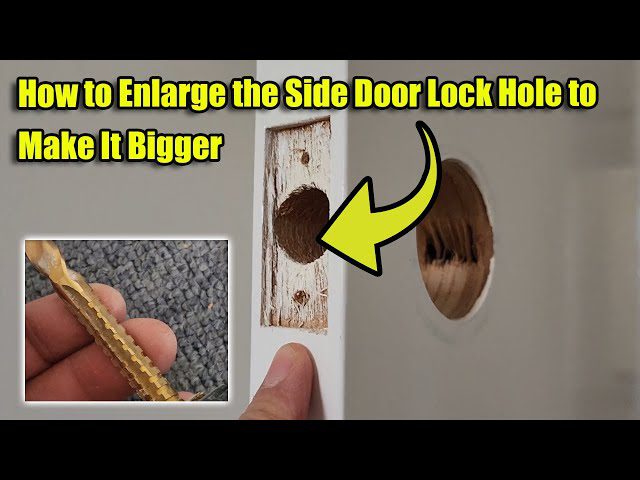
Drilling was the trickiest part. I used a 2-1/8-inch hole saw for the lock and a 1-inch spade bit for the bolt. Go slow to avoid splintering the wood. Once the holes were done, I installed the bolt mechanism, making sure it slid smoothly. Then came the lock cylinder and strike plate on the door frame. I screwed everything in tightly, tested the key, and voilà—my door felt like Fort Knox.
One tip: reinforce the strike plate with longer screws (at least 3 inches). I learned this after watching a YouTube video about how easily weak strike plates can fail. It made a huge difference.
If you’re installing a smart bolt, follow the app’s setup guide. I had to connect mine to Wi-Fi and calibrate it, which took an extra 10 minutes but was straightforward.
Maintaining Your Door Bolt for Longevity
I used to think once a lock was installed, I could forget about it. Nope! A little care goes a long way. My first deadbolt started sticking after a year because I ignored it. Now, I have a routine to keep my bolts in top shape.
Every six months, I check for loose screws. A wobbly lock is an easy target. I also clean the bolt with a dry cloth to remove dust and grime. For lubrication, I use graphite powder—never oil, as it attracts dirt. Just a quick puff into the keyhole keeps things smooth.
If you live in a humid area like I do, rust is a concern. I chose a bolt with a weather-resistant finish, but I still inspect it for corrosion. If you notice rust, replace the bolt sooner rather than later. For smart bolts, keep the software updated. I got a notification once about a firmware update, and it fixed a glitch I didn’t even know I had.
Common Mistakes I’ve Made (So You Don’t Have To)
I’ve made my share of blunders with door bolts, and I’m happy to share them so you can avoid the same headaches. One big mistake was buying a cheap bolt to save money. It broke in under two years, and I had to replace it anyway. Always invest in quality for your main doors.
Another goof was installing the bolt upside down. The keyhole worked, but it looked weird, and I had to redo it. Double-check the orientation before drilling. I also skipped reinforcing the door frame once, thinking it wasn’t a big deal. Later, I learned a weak frame can make even the best bolt useless.
Finally, don’t ignore your key. I lost mine once and had to call a locksmith—expensive lesson! Now, I keep a spare with a trusted neighbor.
Upgrading Your Home Security Beyond the Bolt
A bolt is just one piece of the puzzle. After installing mine, I realized I could do more to make my home safer. I added a peephole to my front door so I could see who’s outside without opening it. A video doorbell was another game-changer—I can check who’s at the door from my phone, even when I’m at work.
I also reinforced my door frame with a strike plate reinforcer. It’s a metal plate that makes the frame stronger. Motion-sensor lights outside my house deter anyone sneaking around at night. And don’t forget windows— I added window locks to make sure every entry point is secure.
If you’re renting, talk to your landlord before installing a bolt. I did this when I lived in an apartment, and they were fine with it as long as I kept the original lock.
Why I Love My Door Bolt
After years of tweaking my home security, I can’t imagine not having a solid bolt on my door. It’s not just about safety—it’s about feeling in control. Whether I’m home with my family or away on vacation, I know my house is protected. The best part? It’s a small investment for such a big impact. A good bolt doesn’t just lock the door; it locks out worry.
I hope my journey helps you find the perfect bolt for your home. It’s a simple step that makes a huge difference. So, grab a tape measure, pick a bolt that fits your style, and make your home a little safer today. You’ll sleep better knowing you’ve got this covered.
FAQs
What’s the difference between a deadbolt and a regular lock?
A deadbolt is stronger than a regular knob lock because it extends deeper into the door frame. It’s harder to pick or force open. I use a deadbolt on my front door for extra security, while knob locks are fine for interior doors.
Can I install a door bolt myself?
Yes, you can! I installed mine with basic tools and the instructions that came with the lock. Just follow the template carefully and take your time drilling. If you’re unsure, a locksmith can do it quickly.
Are smart bolts safe to use?
Smart bolts are safe if you secure your Wi-Fi and update the software regularly. I love mine for the convenience, but I make sure my network has a strong password to keep it protected.
How often should I replace my door bolt?
A good bolt can last years, but I check mine every six months for wear or rust. If it’s sticking or damaged, I replace it right away. Quality bolts don’t need frequent replacing.
Do I need a bolt on every door?
Not every door needs a heavy-duty bolt. I use deadbolts on exterior doors and lighter bolts, like barrel bolts, on sheds or gates. Focus on your main entry points first.