Are Door Hinges Universal?
When I first started working on home improvement projects, I assumed door hinges were a one-size-fits-all deal. I mean, a hinge is just a hinge, right? Wrong. After a few trips to the hardware store and some trial and error, I learned that door hinges come in all shapes, sizes, and styles. They’re not universal, and picking the wrong one can lead to wobbly doors or even damage. Let’s break down why door hinges aren’t universal and what you need to know to choose the right ones.
What Are Door Hinges and Why Do They Matter?
Door hinges are the unsung heroes of any door. They’re the metal pieces that connect your door to its frame, letting it swing open and closed smoothly. Without sturdy, well-fitted hinges, your door might sag, stick, or make that annoying squeak every time you open it. I’ve replaced hinges on everything from lightweight interior doors to heavy front doors, and trust me, the right hinge makes all the difference.
Hinges come in different types, sizes, and finishes. They’re designed for specific doors, frames, and purposes. For example, a hinge for a lightweight closet door won’t work for a solid oak exterior door. Knowing the differences helps you avoid headaches during installation.
Types of Door Hinges
There are so many types of door hinges, and each serves a unique purpose. Here’s a rundown of the most common ones I’ve come across:
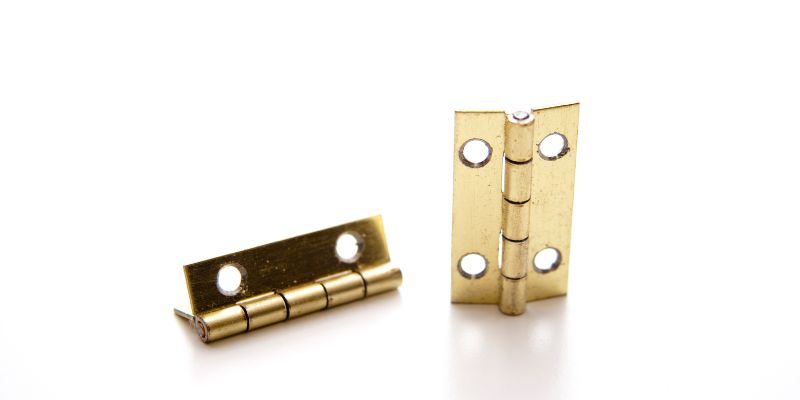
- Butt Hinges: These are the most common hinges for home doors. They have two rectangular leaves connected by a pin. I’ve used them on interior and exterior doors because they’re sturdy and easy to install.
- Ball Bearing Hinges: These have small ball bearings inside to reduce friction. They’re great for heavy doors, like entryway doors, because they make opening and closing smoother. I swapped out old hinges for these on my front door, and the difference was night and day.
- Spring Hinges: These close the door automatically, which is perfect for screen doors or garage entries. I installed one on my back door, and it’s a lifesaver when my hands are full.
- Concealed Hinges: These are hidden when the door is closed, giving a sleek, modern look. I’ve seen them in high-end homes, but they’re trickier to install.
- Continuous Hinges: Also called piano hinges, these run the full length of the door. They’re super strong and often used for heavy commercial doors. I used one for a custom storage cabinet, and it’s held up great.
- Strap Hinges: These have long, decorative leaves and are often used for barn doors or rustic designs. They’re more about style but still functional.
Each type has its own strengths, so you need to match the hinge to your door’s weight, size, and style.
Are All Door Hinges the Same Size?
No, door hinges vary in size, and this is a big reason they’re not universal. Hinges are measured by their height and width when fully open. Common sizes range from 3.5 inches for interior doors to 4.5 inches for heavier exterior doors.
Here’s a quick table to give you an idea of standard hinge sizes and their uses:
| Hinge Size | Common Use | Door Weight |
|---|---|---|
| 3 inches | Lightweight interior doors (closets, bedrooms) | Up to 50 lbs |
| 3.5 inches | Standard interior doors | 50–80 lbs |
| 4 inches | Heavy interior or light exterior doors | 80–120 lbs |
| 4.5 inches | Exterior or heavy doors | 120–200 lbs |
| 5 inches | Commercial or very heavy doors | 200+ lbs |
I learned the hard way that using a hinge that’s too small can cause the door to sag over time. Measure your door’s thickness and weight before picking a hinge. Most interior doors are about 1-3/8 inches thick, while exterior doors are often 1-3/4 inches or more.
Do Hinge Finishes Matter?
When I started replacing hinges, I didn’t think much about the finish. But picking the right finish can make your door look polished and cohesive with your home’s style. Door hinges come in finishes like:
- Brushed Nickel: Modern and clean, great for contemporary homes.
- Oil-Rubbed Bronze: Warm and rustic, perfect for traditional or farmhouse styles.
- Polished Brass: Classic and shiny, but it can tarnish over time.
- Matte Black: Bold and trendy, ideal for modern or industrial looks.
I once replaced old brass hinges with matte black ones on my kitchen cabinets, and it completely transformed the room. Make sure the finish matches your door handles or knobs for a unified look. Also, check if the finish is durable enough for high-traffic areas, like a front door exposed to weather.
Can You Mix and Match Hinges?
You might be tempted to grab whatever hinges are on sale, but mixing and matching can cause problems. Hinges need to align perfectly for the door to swing smoothly. If the screw holes or sizes don’t match, you’ll end up with a crooked door or extra holes to patch.
I made this mistake once when I tried to replace just one hinge on a bedroom door. The new hinge was slightly off, and the door wouldn’t close properly. Now, I always replace all hinges on a door at once to ensure they’re identical. If you’re reusing old hinges, double-check that they’re the same brand and model.
How to Choose the Right Hinge for Your Door
Choosing the right door hinge feels overwhelming at first, but it’s straightforward once you know what to look for. Here’s my step-by-step process:
- Check the Door Type: Is it interior, exterior, or a specialty door like a barn door? This determines the hinge type and strength.
- Measure the Door: Note the thickness, weight, and height. Heavier doors need stronger hinges, like ball bearing or continuous hinges.
- Count the Hinges: Most doors use two or three hinges. Tall or heavy doors might need four for extra support.
- Match the Frame: Ensure the hinge fits the door frame’s mortise (the cutout where the hinge sits). Standard mortise sizes are 3.5 or 4.5 inches.
- Pick a Finish: Choose a finish that complements your home’s style and other hardware.
- Consider Usage: High-traffic doors need durable hinges, while decorative doors might prioritize style.
I always keep a notebook with my door measurements and hinge specs. It saves time at the hardware store and prevents mix-ups.
Common Hinge Problems and Fixes
Over time, door hinges can wear out or cause issues. Here are some problems I’ve run into and how I fixed them:
- Squeaky Hinges: A little lubricant, like WD-40 or silicone spray, works wonders. I apply it every few months to keep things quiet.
- Loose Hinges: Tighten the screws, but don’t overtighten, as it can strip the wood. If the screw holes are worn, I use longer screws or wood filler to secure them.
- Misaligned Hinges: If the door doesn’t close properly, check if the hinges are bent or uneven. Sometimes, shimming the hinge with cardboard fixes the alignment.
- Rusted Hinges: For exterior doors, rust can be a problem. I replace rusted hinges with corrosion-resistant ones, like stainless steel.
Regular maintenance keeps hinges working smoothly and extends their life.
Are Hinges Interchangeable Across Brands?
Another thing I’ve learned is that hinges aren’t always interchangeable across brands. Even if two hinges look similar, small differences in pin size or screw placement can cause issues. I stick to one brand for all hinges on a door to avoid compatibility problems. If you’re replacing hinges, bring an old one to the store to match it exactly.
Installing Door Hinges: My Tips
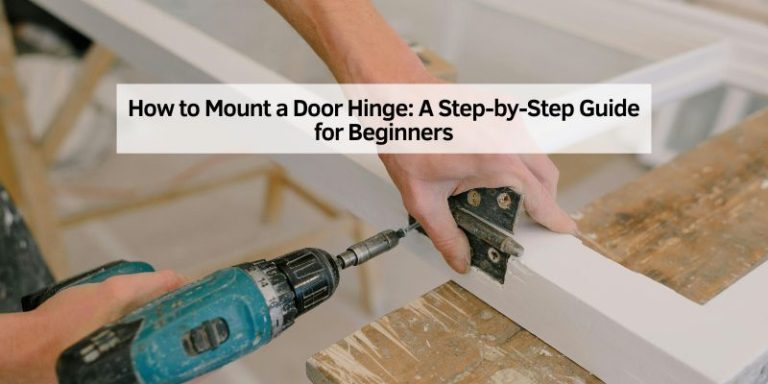
Installing door hinges isn’t hard, but it takes patience. Here’s how I do it:
- Remove the Old Hinges: Unscrew the old hinges and carefully lift the door off the frame. Have a helper hold the door if it’s heavy.
- Check the Mortise: Ensure the new hinge fits the existing mortise. If it doesn’t, you may need to chisel the frame slightly.
- Align the Hinges: Use a level to make sure the hinges are straight. Misaligned hinges cause the door to hang unevenly.
- Secure the Screws: Use a screwdriver to tighten the screws firmly but not too tight. I prefer using a manual screwdriver for better control.
- Test the Door: Hang the door and test the swing. Adjust if needed.
I always keep a chisel and level handy for hinge installations. It makes the process smoother and ensures a professional finish.
Where to Buy Door Hinges
You can find door hinges at hardware stores, home improvement centers, or online. I’ve had great luck at places like Home Depot, Lowe’s, and Amazon. Online stores often have more finishes and types to choose from, but check the return policy in case the hinges don’t fit. Local hardware stores are great for matching old hinges or getting advice from staff.
Why Universal Hinges Don’t Exist
After all my projects, I’ve realized door hinges aren’t universal because doors themselves aren’t universal. Every door has unique needs based on its size, weight, material, and purpose. Manufacturers design hinges to meet these specific demands, which is why we have so many types and sizes. While it’d be nice to have one hinge for every job, the variety ensures your door works perfectly for years.
Conclusion
Choosing the right door hinges can make or break your home improvement project. They’re not universal, but that’s a good thing—it means you can find the perfect hinge for any door. From picking the right type and size to matching finishes and installing them properly, a little knowledge goes a long way. I’ve learned that taking the time to measure, research, and install hinges correctly saves time and frustration. Whether you’re updating a single door or tackling a whole house, the right hinges will keep your doors swinging smoothly and looking great. So, grab your tools, pick the perfect hinge, and transform your space one door at a time!
Frequently Asked Questions
Are door hinges universal?
No, door hinges aren’t universal. They vary in size, type, and finish to suit different doors and frames.
How do I know what size hinge I need?
Measure your door’s thickness and weight. Most interior doors use 3.5-inch hinges, while exterior doors often need 4.5-inch hinges.
Can I use the same hinges for interior and exterior doors?
Not always. Exterior doors are heavier and need stronger hinges, like ball bearing hinges, while interior doors can use lighter butt hinges.
How many hinges does a door need?
Most doors use two or three hinges. Heavy or tall doors may need four for extra support.
Can I replace just one hinge on a door?
It’s best to replace all hinges to ensure they match in size and alignment. Mixing hinges can cause the door to hang unevenly.
What’s the best finish for door hinges?
It depends on your style. Brushed nickel is modern, oil-rubbed bronze is rustic, and matte black is trendy. Choose a durable finish for exterior doors.
How do I fix a squeaky hinge?
Apply a lubricant like WD-40 or silicone spray to the hinge pin. Wipe off excess to avoid drips.