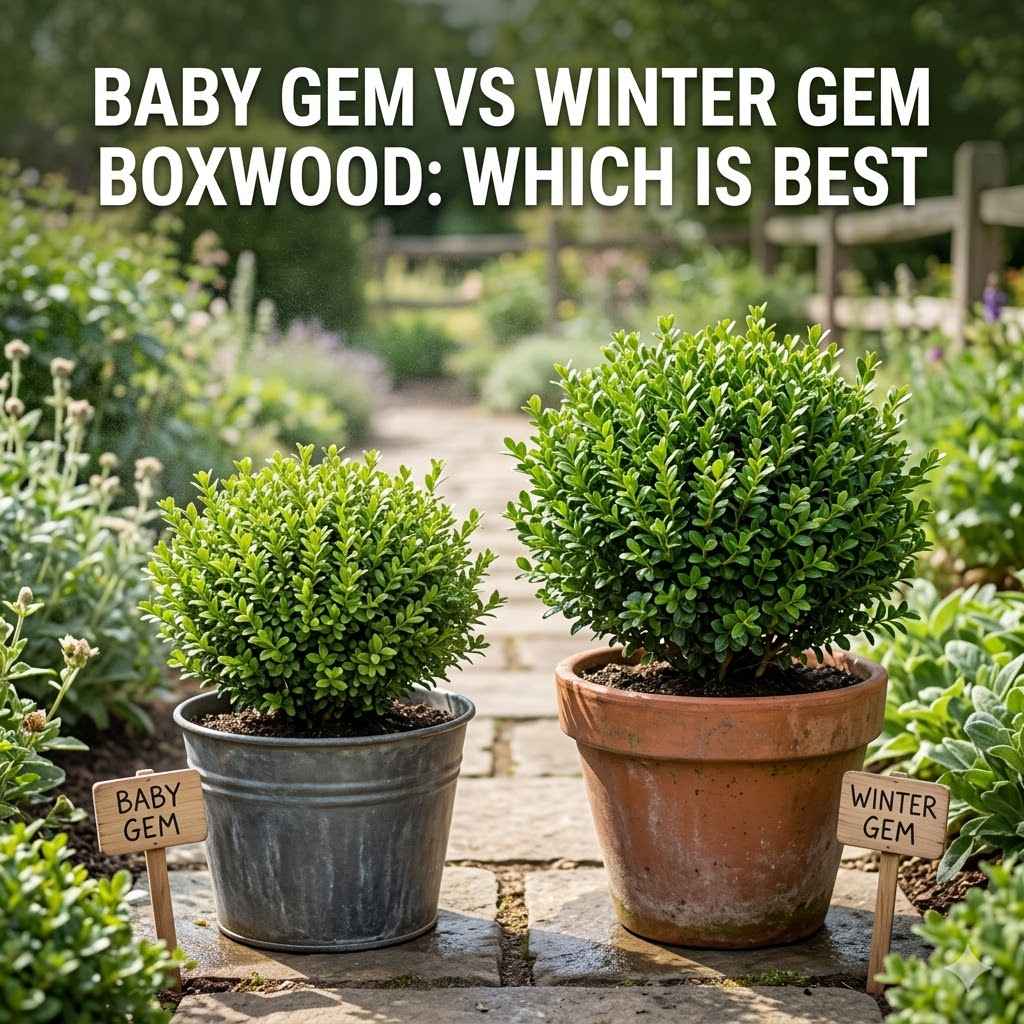
Baby Gem vs Winter Gem Boxwood: Which is Best
Choosing the right plants for your garden can feel like a big decision, and sometimes the names can be confusing. If you’ve been looking at boxwood shrubs, you might have come across “Baby Gem” and “Winter Gem” and wondered what makes them different. It’s easy to get mixed up because they both sound like great choices for a neat, evergreen hedge or specimen plant.
Don’t worry, figuring out Baby Gem vs Winter Gem Boxwood: Which is Best for Your Yard? doesn’t have to be tricky. We’ll break it down simply so you can pick the perfect one for your space and have your garden looking lovely.
Understanding Baby Gem Boxwood
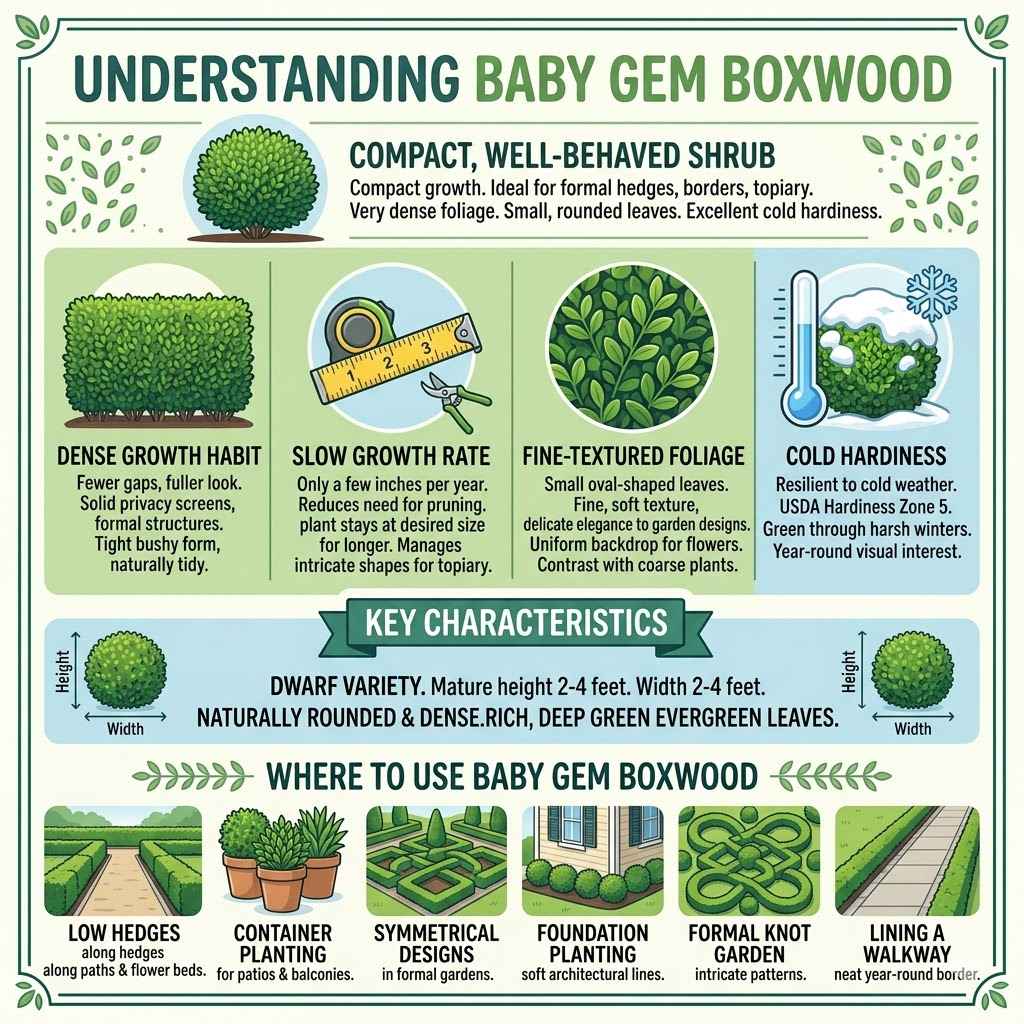
Baby Gem boxwood is a popular choice for gardeners looking for a compact, well-behaved shrub. It’s known for its very dense foliage and slow growth rate, making it ideal for formal hedges, borders, and even topiary. Its small, rounded leaves create a fine-textured appearance that holds its shape beautifully.
This variety is also appreciated for its excellent cold hardiness, which allows it to thrive in a range of climates. The name “Baby Gem” hints at its smaller stature compared to other boxwood varieties.
Key Characteristics of Baby Gem Boxwood
The Baby Gem boxwood is a dwarf variety that typically grows to a mature height of 2 to 4 feet and a width of 2 to 4 feet. Its growth habit is naturally rounded and dense, requiring minimal pruning to maintain its shape. The leaves are small, oval, and a rich, deep green color.
They stay evergreen throughout the year, providing consistent visual interest.
Dense Growth Habit
The dense growth of Baby Gem boxwood is one of its most attractive features. This means fewer gaps and a fuller look, even when planted closely together. This density makes it an excellent choice for creating solid privacy screens or formal garden structures.
It naturally grows in a tight, bushy form, which is a significant advantage for gardeners who want a tidy appearance with less effort.
Slow Growth Rate
Baby Gem boxwood grows quite slowly, usually only a few inches per year. This is a big plus for gardeners who don’t want to spend a lot of time pruning. It means the plant will stay at your desired size for longer, reducing the need for frequent maintenance.
This slow growth also contributes to its ability to hold intricate shapes if you’re interested in topiary.
Fine-Textured Foliage
The leaves on a Baby Gem boxwood are quite small and oval-shaped. When massed together, they create a very fine, soft texture in the landscape. This delicate appearance adds a touch of elegance to garden designs.
It contrasts nicely with coarser-textured plants and provides a uniform backdrop for colorful flowers.
Cold Hardiness
Baby Gem boxwood is known for its good resistance to cold weather. It can typically tolerate temperatures down to USDA Hardiness Zone 5, meaning it can survive harsh winters in many parts of the country. This resilience ensures that the shrub remains a beautiful green even after a cold spell, providing year-round appeal.
Where to Use Baby Gem Boxwood
Because of its compact size and dense habit, Baby Gem boxwood is perfect for a variety of landscaping uses. It’s an excellent choice for low hedges along garden paths or to define flower beds. Its formal look also makes it suitable for creating symmetrical designs in formal gardens.
For those who enjoy shaping plants, its slow growth makes it manageable for topiary.
It works well in containers, adding structure and greenery to patios or balconies. You can also use it as a foundation planting around a house, where its neat appearance can soften harsh architectural lines. The consistent green color also makes it a good choice for planting near doorways or entryways to create a welcoming feel.
One common scenario is using Baby Gem boxwood to create a formal knot garden. Here, the plants are trimmed into intricate patterns. Another is lining a walkway, providing a neat border that stays green all year.
Exploring Winter Gem Boxwood
Winter Gem boxwood is another outstanding variety, often selected for its adaptability and attractive features. It’s slightly larger and grows a bit faster than Baby Gem, offering a different set of benefits for landscaping. The name “Winter Gem” suggests its ability to maintain its vibrant green color even during the colder months, making it a reliable choice for consistent garden beauty.
It’s a versatile shrub that can be used in many of the same ways as Baby Gem but also offers options for slightly larger plantings or hedges that require less frequent trimming to reach a mature size.
Key Characteristics of Winter Gem Boxwood
Winter Gem boxwood typically reaches a mature height of 4 to 5 feet and a width of 4 to 5 feet, making it larger than Baby Gem. It also tends to have a slightly more upright growth habit. The leaves are a glossy, bright green, and it is known for its exceptional winter color retention.
Larger Mature Size
Winter Gem boxwood grows taller and wider than Baby Gem. This makes it a good option if you need a taller hedge or a more substantial shrub for your landscape. Its larger size means it can fill out an area more quickly, and it might require a bit more space to reach its full potential without feeling crowded.
Faster Growth Rate
While still considered a relatively slow-growing shrub compared to many other landscape plants, Winter Gem boxwood grows a bit faster than Baby Gem. This means it will reach its desired size more quickly, which can be an advantage if you want a mature look sooner. It also means it will need more frequent trimming if you are maintaining a very specific shape or size.
Glossy Bright Green Foliage
The leaves of Winter Gem boxwood are a striking, glossy bright green. This vibrant color stands out in the garden, especially during the winter months when other plants might be dull. The shine of the leaves adds a touch of elegance and visual interest, making it a focal point even in the dormant season.
Excellent Winter Color
As its name suggests, Winter Gem excels at retaining its beautiful green color throughout the winter. Many boxwood varieties can bronze or turn a bit yellowish in cold weather, but Winter Gem usually stays a lively green. This consistent color makes it a valuable plant for adding life and color to the landscape when everything else is dormant.
Where to Use Winter Gem Boxwood
Winter Gem boxwood is incredibly versatile. Its larger size makes it suitable for creating substantial hedges that offer more privacy or act as significant borders. It can be used as a specimen plant to anchor a garden bed or to create a strong vertical element.
Its ability to be pruned into various shapes also makes it a good choice for more elaborate landscape designs.
It’s also a great option for large foundation plantings where its mature size can better complement the scale of a building. You can use it to create impressive entryway plantings that frame a front door. Because it holds its color so well, it’s a reliable choice for areas that need year-round visual appeal.
A practical use is planting Winter Gem to form a tall, dense hedge along a property line. Another is using it as a backdrop for a perennial garden, providing a constant green screen.
Baby Gem vs Winter Gem Boxwood Direct Comparison
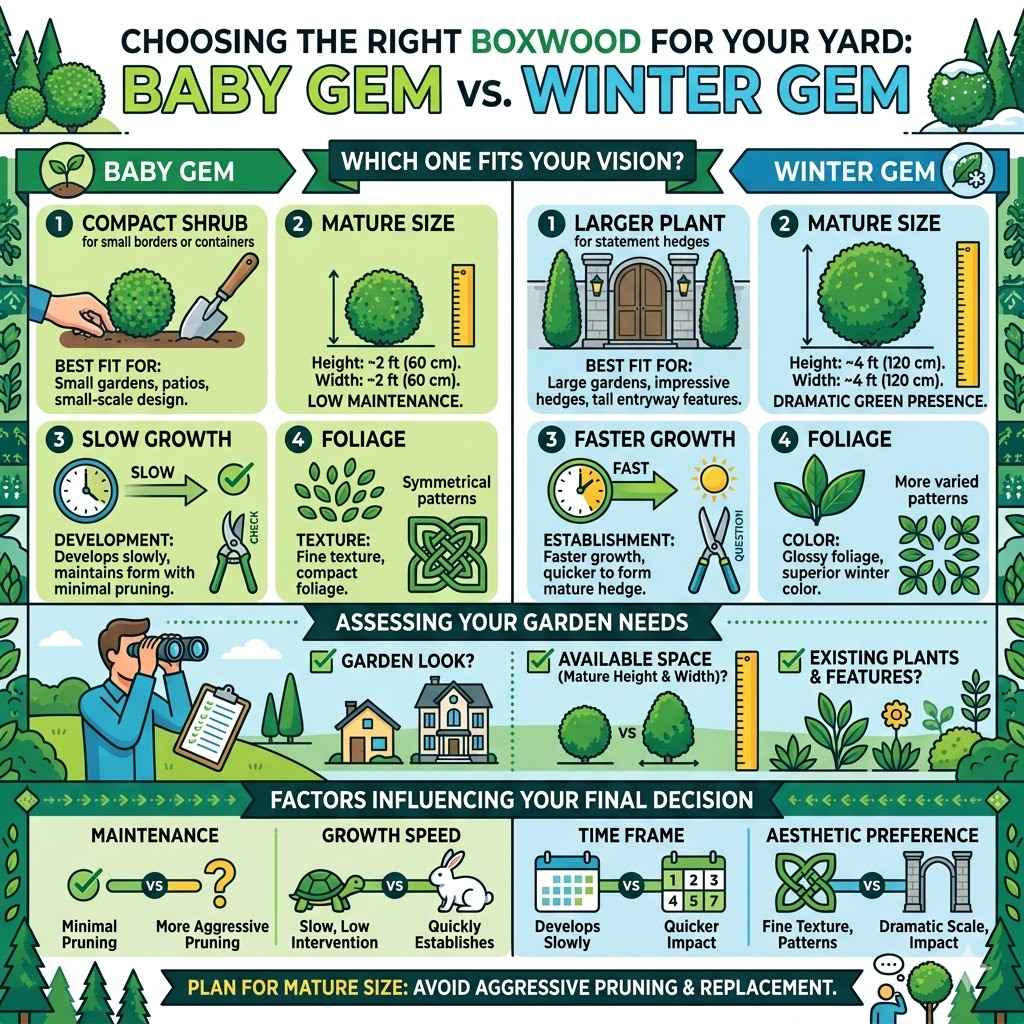
When deciding between Baby Gem and Winter Gem boxwood, the main differences lie in their mature size, growth rate, and foliage appearance. Both are excellent choices for evergreen structure in the garden, but their distinct characteristics make them better suited for different landscaping needs. Understanding these differences will help you make an informed decision for your specific yard.
| Feature | Baby Gem Boxwood | Winter Gem Boxwood |
|---|---|---|
| Mature Height | 2-4 feet | 4-5 feet |
| Mature Width | 2-4 feet | 4-5 feet |
| Growth Rate | Slow | Moderate (slightly faster than Baby Gem) |
| Foliage Color | Deep green | Glossy bright green |
| Foliage Texture | Fine, dense | Dense, slightly broader leaf |
| Winter Color | Good retention | Excellent retention |
| Best Uses | Low hedges, borders, small topiary, containers | Taller hedges, specimen plants, foundation plantings, larger borders |
Size and Space Considerations
The most significant difference is their mature size. Baby Gem stays much smaller, making it ideal for tight spaces or where you want a low-profile plant. Winter Gem grows larger, so it needs more room to spread out.
Planting Baby Gem in a space meant for Winter Gem will lead to overcrowding, requiring constant, difficult pruning. Conversely, planting Winter Gem in a small area will quickly make it look out of place and overgrown.
Consider the overall scale of your garden and the architectural style of your home. A small cottage garden might benefit from the daintier Baby Gem, while a larger estate garden could handle the more substantial Winter Gem. If you plan to plant them along a walkway, the width of the walkway and the desired height of the hedge will dictate which variety is more appropriate.
Maintenance and Pruning Needs
Both types of boxwood benefit from occasional pruning to maintain their shape and encourage dense growth. However, their different growth rates mean different levels of effort are required. Baby Gem’s slow growth means it can go longer between trimmings if you’re aiming for a specific size.
This makes it a low-maintenance option for gardeners who prefer to spend less time on upkeep.
Winter Gem, growing a bit faster, will require more frequent pruning if you want to keep it at a particular height or shape. This isn’t necessarily a bad thing if you enjoy the process of shaping plants or if you want your hedge to reach a mature size more quickly. If you’re looking for a plant that you can mostly “set and forget” regarding pruning, Baby Gem is likely the better choice.
A practical example is a gardener who wants a low border that never exceeds 3 feet. For this, Baby Gem is the natural fit because its natural mature size aligns perfectly with the goal. If the gardener wanted a 5-foot-tall privacy hedge, Winter Gem would be the more suitable option as it will reach that height more easily.
Aesthetic Appeal and Foliage
The visual appeal of each boxwood can also influence your choice. Baby Gem’s smaller leaves create a finer, softer texture. This can give a more delicate and formal appearance.
Winter Gem’s slightly larger, glossier leaves offer a brighter, more vivid green. This makes it stand out more and provides a more dramatic presence in the landscape.
The intensity of the green color, especially during winter, is a key difference. Winter Gem’s superior winter color retention means it will be a more reliable source of greenery when the rest of the garden is sleeping. If year-round vibrant green is a top priority, Winter Gem has an edge.
If a softer, more subtle green is preferred, Baby Gem might be the answer.
Choosing the Right Boxwood for Your Yard
The decision between Baby Gem and Winter Gem boxwood ultimately comes down to your specific landscaping goals and preferences. Both varieties are excellent evergreen shrubs that offer structure, beauty, and year-round interest. By considering the key differences in size, growth habit, and foliage, you can confidently select the boxwood that will best thrive and enhance your outdoor space.
Assessing Your Garden Needs
Before making a purchase, take stock of your garden. What kind of look are you going for? Do you need a compact shrub for a small border or a larger plant for a statement hedge?
Consider the available space: how much room do you have for the plant to grow, both in height and width? Think about the existing plants and features in your garden. You want your new boxwood to complement rather than compete with its surroundings.
If you are planting in a very small garden or on a patio with containers, Baby Gem’s dwarf nature makes it a much better fit. For larger gardens that can accommodate more substantial shrubs, Winter Gem offers more presence. A common mistake is to plant a shrub that will quickly outgrow its intended space, leading to a need for aggressive pruning or even removal.
Planning for mature size is crucial.
Factors Influencing Your Final Decision
Your final choice might hinge on a few key factors. If low maintenance and minimal pruning are high priorities, Baby Gem’s slow growth is a significant advantage. If you desire a more dramatic green presence, especially during the winter, Winter Gem’s glossy foliage and superior winter color might sway you.
Also, consider the time frame. If you want a mature hedge to establish relatively quickly, Winter Gem’s faster growth can be beneficial. If you prefer a plant that develops slowly and maintains its form with less intervention, Baby Gem is likely the better option.
Your personal aesthetic preferences for texture and color intensity also play a role.
For instance, if you’re creating a formal parterre garden with intricate patterns and low hedges, Baby Gem’s fine texture and compact size are ideal. If you’re designing an entryway with impressive, tall shrubs flanking the door, Winter Gem will provide the necessary scale and impact.
Frequently Asked Questions
Question: Which boxwood is better for a beginner gardener
Answer: Baby Gem boxwood is often easier for beginners because of its slower growth rate and naturally compact shape. This means less frequent pruning is needed, reducing the chance of mistakes. Winter Gem is also manageable but might require a bit more attention to trimming as it grows faster.
Question: Can Baby Gem and Winter Gem boxwood be planted together
Answer: While you can plant them in the same garden, it’s generally not recommended to mix them in the same hedge or border. They have different growth rates and mature sizes, which can lead to one outcompeting the other or creating an uneven look over time.
Question: How often should I prune Baby Gem vs Winter Gem boxwood
Answer: For Baby Gem, pruning once a year in late spring or early summer is often sufficient to maintain its shape. Winter Gem may benefit from two prunings a year, one in late spring and another in mid-summer, if you are maintaining a formal shape or encouraging denser growth.
Question: Which boxwood variety handles shade better
Answer: Both Baby Gem and Winter Gem boxwood prefer full sun to partial shade. They can tolerate some shade, but their growth may be less dense, and they might not maintain their best color. Full sun generally yields the best results for both varieties.
Question: Will Winter Gem boxwood turn brown in winter
Answer: Winter Gem boxwood is known for its excellent winter color retention and typically stays a vibrant green. While extreme conditions or stress can cause some bronzing in any boxwood, Winter Gem is much more resistant to this than many other varieties.
Final Thoughts
Baby Gem and Winter Gem boxwood offer distinct advantages for your garden. Baby Gem suits smaller spaces and low-maintenance needs with its compact, slow-growing habit. Winter Gem provides a taller, brighter presence with faster growth and superior winter color.
Choose based on your desired size, maintenance effort, and aesthetic.