What Does Rough-In Size Mean for a Toilet? (10, 12 & 14-Inch)
Toilet rough-in size is the distance from the finished wall to the center of the drainpipe flange, and it’s almost always 10, 12, or 14 inches — 12 is standard in most U.S. homes built after the 1950s. Measure from the baseboard instead of the bare wall and the number comes out wrong, which is the single most common reason a new toilet won’t bolt down. This guide covers measuring it yourself, what each size means for your options, and how to fix a non-standard rough-in.
Affiliate disclosure: this post contains Amazon affiliate links. As an Amazon Associate we earn from qualifying purchases, at no extra cost to you.
What Is Rough In Size?
Rough-in size is the distance from the wall behind your toilet to the center of the drainpipe under it. This drainpipe, called the toilet flange, connects your toilet to the plumbing system. The toilet’s rough-in size must match your bathroom’s plumbing, or it won’t sit right against the wall.
A mismatched toilet means extra plumbing costs or an awkward gap behind the tank. Most toilets in the USA have a standard 12-inch rough-in, but older homes might have 10-inch or 14-inch sizes. Knowing your rough-in size before you shop saves a return trip and a restocking fee.
Rough-In vs. Tank-to-Wall Clearance: Don’t Confuse These
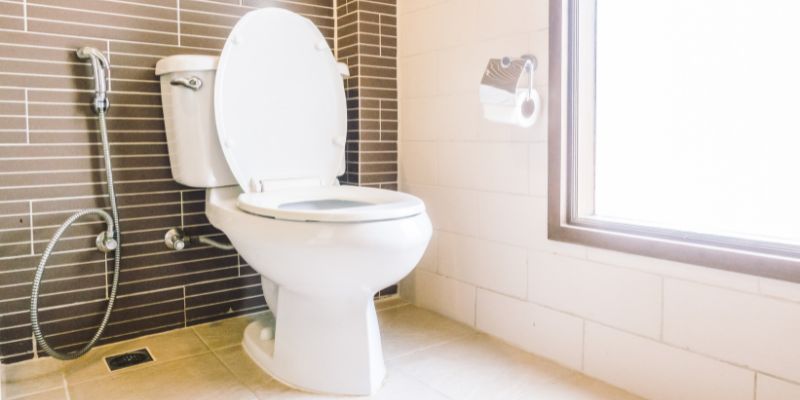
Rough-in isn’t the only wall measurement that matters. Tank-to-wall clearance is how far the installed tank’s back sticks out from the wall — typically 27 to 31 inches total from the wall to the front of the bowl on a standard toilet — and it affects comfort and floor space, not whether the toilet bolts down. Only the wall-to-bolt-center distance is the true rough-in. Get that one number right and the toilet fits the flange; the other measurement just tells you how much floor space it will take up.
Why Rough In Size Is a Big Deal
Buying a new toilet only to find it doesn’t line up with the drainpipe is a common and avoidable mistake. Here’s why the rough-in number is worth checking before you order:
- Fit: The toilet must align with the flange for a secure connection.
- Comfort: A wrong size can make the toilet stick out too far or leave a gap.
- Cost: Fixing a mismatch after installation can mean a plumber visit, typically $100-$500 depending on the fix.
A 10-inch rough-in toilet suits a small bathroom where every inch counts, while a larger bathroom has room for a 14-inch model without crowding. Measure before you shop either way — rough-in size isn’t something you can eyeball accurately.
Best 10-Inch Rough-In Toilet Pick
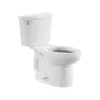
American Standard Colony 3 Toilet, 10-Inch Rough-In – $219.70
Built specifically for the 10-inch rough-in bathrooms described in the “Common Rough-In Sizes” section below — the size with the fewest replacement options, so a purpose-built model like this saves the search.
- Best for: small bathrooms and powder rooms with a confirmed 10-inch rough-in
- Why we picked it: a recognized plumbing brand made specifically for the tightest common rough-in size
- Main drawback: fewer bowl-shape and finish options than 12-inch models
Compare more rough-in solutions
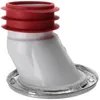 Option 1 Sioux Chief Offset Toilet Flange – $30.94
|
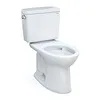 Option 2 TOTO Drake Two-Piece Toilet, 12-Inch Rough-In – $327.05
|
 Option 3 Komelon 25-Ft Self-Lock Tape Measure – $7.99
|
As an Amazon Associate we earn from qualifying purchases.
How to Measure Your Toilet’s Rough In Size
Measuring the rough-in size takes a few minutes and one tool you probably already own. Here are the steps:
Step-by-Step Guide to Measure Rough In Size
- Find the Bolts: Look at the base of your toilet. You’ll see two bolts (sometimes covered by caps) holding it to the floor, near the back on the left and right.
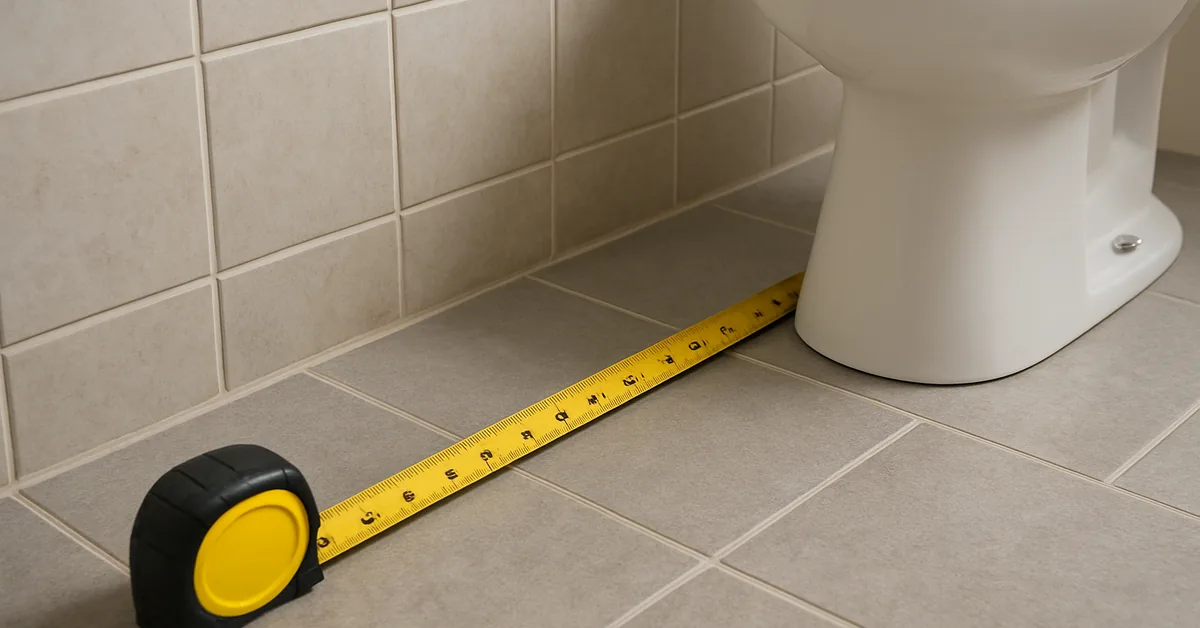
- Measure from the Wall: Place the end of your tape measure against the bare wall behind the toilet. Don’t include baseboards or trim — just the wall itself.
- Find the Center: Stretch the tape to the center of one bolt. If the bolts are even, either one works. This distance is your rough-in size.
- Check Again: Measure twice to confirm. Common sizes are 10, 12, or 14 inches. An odd number like 11 inches usually means a measuring error or a genuinely non-standard rough-in.
Pro Tip: If the toilet is already removed, measure from the wall to the center of the drainpipe (the round hole in the floor) instead — it’s even easier with the bowl out of the way.
📊 Measuring from the baseboard instead of the bare wall is the single most common toilet rough-in measuring mistake — it can throw the number off by an inch or more. — Source: Angi Toilet Rough-In Guide
Tools You Need
No fancy gear is required — just these three basics:
- Tape Measure: A basic one with a metal hook works — a 16 to 25-foot model is easy to handle in a small bathroom.
- Flashlight: Helps if the bathroom is dim or the bolts are hard to see.
- Pencil and Paper: Write the measurement down — it’s easy to forget by the time you reach the store.
| Tool | Why It’s Needed | Cost Estimate |
|---|---|---|
| Tape Measure | Measures the wall-to-bolt distance accurately | $5-$15 |
| Flashlight | Lights up dark corners near the base | $5-$10 |
| Pencil & Paper | Records your measurement for the store | $1-$2 |
Common Rough In Sizes and What They Mean
Toilets come in three main rough-in sizes in the USA:
- 10-Inch Rough In: Common in older homes or small bathrooms like powder rooms. Saves space but limits toilet options.
- 12-Inch Rough In: The standard size in most modern homes. Most toilets are made for this size, so you’ll have the widest choice.
- 14-Inch Rough In: Rare, found in some custom or older homes. Gives more space behind the toilet but usually needs special ordering.
📊 12-inch rough-in is by far the most common size in U.S. homes built after the 1950s, which is why it has the widest selection of replacement toilets. — Source: Home Depot Bathroom Plumbing Rough-In Dimensions
Table: Comparing Rough-In Sizes
| Rough In Size | Best For | Pros | Cons |
|---|---|---|---|
| 10-Inch | Small bathrooms, powder rooms, older homes | Saves floor space | Fewest toilet options, often special order |
| 12-Inch | Most modern homes | Widest variety, easiest to find, most affordable | None significant |
| 14-Inch | Large or custom bathrooms | Extra room behind the bowl | Hardest to find, usually the most expensive |
Not sure which brand to shop for a non-standard size? See our take on Kohler’s toilet lineup, which covers several rough-in options across price points.
Tips to Avoid Common Mistakes
A few simple habits prevent almost every rough-in measuring mistake:
- Don’t Guess the Size: Always measure, even if you think it’s standard. Assuming a 12-inch rough-in without checking is the most common cause of a toilet that doesn’t fit.
- Ignore Baseboards: Measure from the bare wall, not the trim. Baseboards can add close to an inch and throw off your number.
- Check Twice: If your measurement isn’t 10, 12, or 14 inches, re-measure. An odd size like 11 inches usually means a mistake, or a genuine need for an offset flange.
Safety Tip: If you’re removing a toilet to measure the flange directly, turn off the water supply first to avoid a spill.
Creative Solutions for Odd Rough In Sizes
A non-standard rough-in, like 11 inches, doesn’t rule out a normal-looking toilet. A few options fix the mismatch:
- Offset Flange: This adapter shifts the drainpipe slightly to fit a standard toilet. It typically costs $10-$30 but can reduce flushing power somewhat, so treat it as a fix, not a first choice.
- Adjustable Toilets: Some brands, including TOTO’s Unifit system, offer models that adjust to fit 10, 12, or 14-inch rough-ins. They cost more but remove the guesswork.
- Custom Order: For genuinely rare sizes, order a toilet made for your exact rough-in. It takes longer to arrive but guarantees a correct fit.
When to Call a Plumber Instead of DIY-Fixing It
Most rough-in mismatches are solvable with an offset flange or an adjustable toilet, but a few situations are worth handing to a licensed plumber: a flange set below the finished floor level in a concrete slab, a cast-iron or lead bend that needs cutting rather than adapting, or any rough-in more than 2 inches off standard, which can signal the drain itself was moved or installed incorrectly. Forcing a fit in these cases risks a leak under the floor, which costs far more to repair than the plumber’s visit would have.
Frequently Asked Questions
What Does Rough In Size Mean for a Toilet?
It’s the distance from the wall behind the toilet to the center of the drainpipe (flange) on the floor. This measurement ensures your toilet fits the plumbing. Standard sizes are 10, 12, or 14 inches.
Can I Use a 12-Inch Toilet in a 10-Inch Rough In?
No, a 12-inch toilet won’t fit a 10-inch rough-in without an offset flange. It can cause leaks or poor flushing if forced. Choose a 10-inch model or add an offset flange, and consult a plumber if you’re unsure.
How Do I Know If My Rough In Is 10, 12, or 14 Inches?
Measure from the bare wall to the center of the toilet’s base bolts. Double-check to confirm it’s 10, 12, or 14 inches. If it’s off, re-measure or check the flange directly with the toilet removed.
What If My Rough In Size Isn’t Standard?
Use an offset flange or an adjustable toilet like TOTO’s Unifit line. These adapt to odd sizes like 11 inches, but they may cost more or slightly affect flushing power.
Do I Need a Plumber to Measure Rough In Size?
No, you can measure it yourself with a tape measure. Follow the steps above. Call a plumber if the measurement is unusual or you need an offset flange installed.
Can a Wrong Rough In Size Cause Problems?
Yes, it can lead to leaks, poor flushing, or an awkward fit. A mismatch might leave a gap behind the tank or make the toilet stick out too far into the room.
Where Can I Find Toilets for Non-Standard Rough Ins?
Check established brands like Kohler, American Standard, or TOTO. They offer 10-inch and 14-inch models alongside the standard 12-inch, though you may need to special order.
Conclusion
Rough-in size is simply the wall-to-flange distance, and getting it right — 10, 12, or 14 inches — is what makes a new toilet bolt down without a plumber visit. Measure from the bare wall, not the baseboard, check the number twice, and shop with it in hand. If your rough-in turns out to be non-standard, an offset flange or an adjustable model solves it without a full re-plumb. For more fixture-by-fixture guides once the toilet’s sorted, browse our bathroom fixtures hub.
Sponsored / affiliate links. As an Amazon Associate I earn from qualifying purchases. I may earn additional commission from eligible campaigns.
 WinZo WZ5088DS 10" Rough-in Toilet Two Piece 20-inch Extra Tall Dual Flush Elongated for Seniors Elderly Tall Disabled Person,White
 Toilet Flush Valve Compatible With American Standard Champion 4/Titan/Duravit, Toilet Parts for American Standard 4149a/4215a/4260/4266, Includes Flapper/Gasket/Rust Resistant Metal Bolt