Bathroom Exhaust Fan Keeps Running? Timer, Humidity, and Wiring Checks
A bathroom exhaust fan that will not shut off is usually behaving exactly as designed if it has a built-in humidity sensor, but it can also mean a stuck timer, a worn switch, or a wiring mistake made when the fan was installed. This guide walks through each of those causes so you can tell normal behavior from an actual fault.
Humidity-sensing fans are supposed to keep running
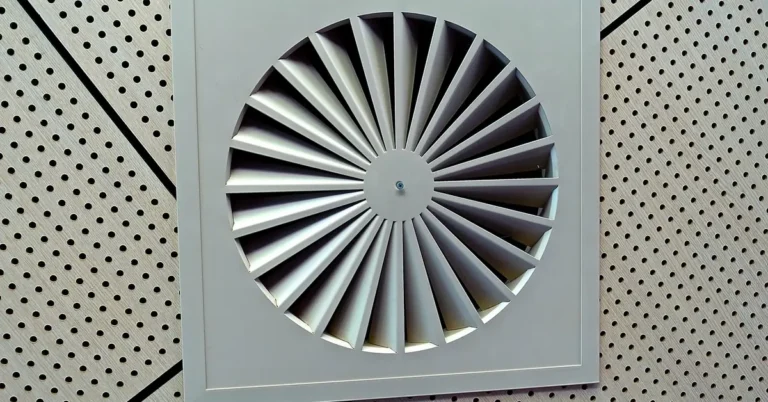
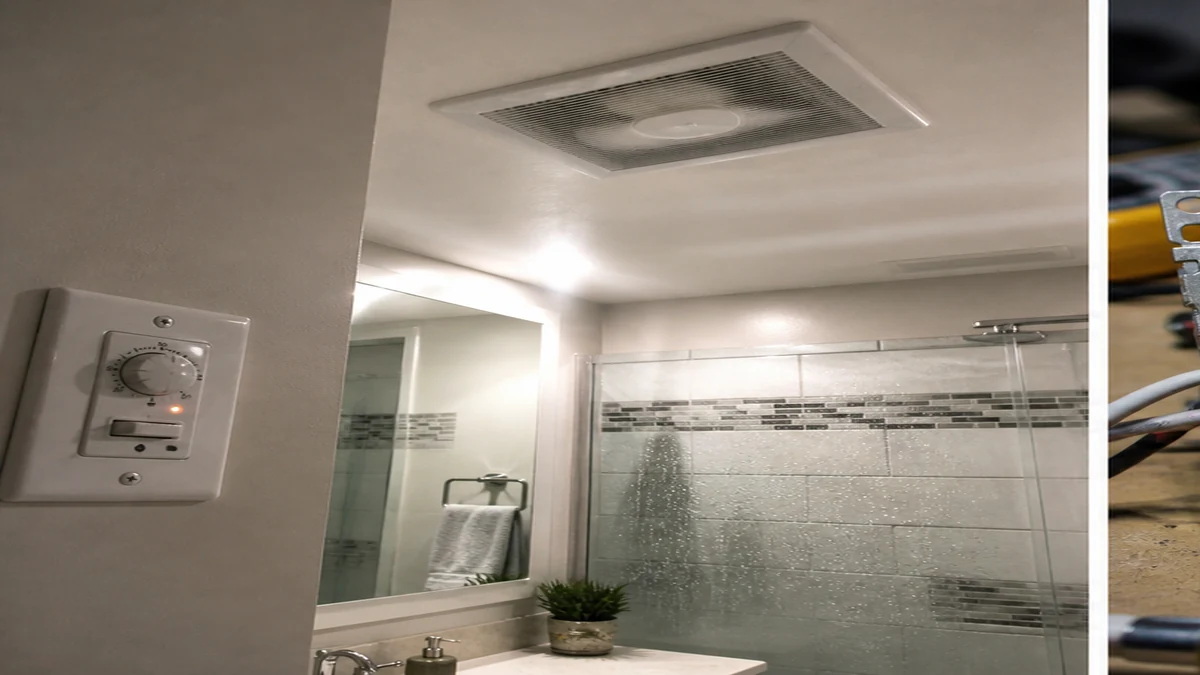
Many fans installed in newer construction include a built-in humidistat that keeps the fan running until the bathroom’s ambient humidity drops back below a preset threshold, regardless of whether you have flipped the wall switch off. This is normal behavior, not a fault, and the fan can reasonably keep running 20 to 60 minutes after a shower depending on how humid the room got and how well it is ventilated otherwise. Most humidity-sensor models have a small sensitivity dial on the fan itself, accessible after removing the grille, that lets you adjust the trigger point if it seems to be running longer than necessary.
Timer switches wear out
Mechanical spring-wound timer switches, the twist-dial type common in many bathrooms, rely on a spring that gradually returns the dial to off. After years of use, that spring can weaken to the point where it stops reliably shutting the circuit off, leaving the fan running continuously. Digital countdown timers can have a similar failure if their internal programming gets stuck or a setting was changed to a much longer duration than intended. In either case, the fix is usually replacing the timer switch itself rather than the fan.
Wiring mistakes that bypass the switch entirely
If a fan was wired to an always-hot leg instead of the switched circuit during installation, either by mistake or because an electrician tapped the wrong wire in the box, it will run continuously no matter what position the switch is in. You can test for this by flipping the breaker for that circuit off; if the fan stops, the wiring itself is not the issue and the problem is in the switch or timer. If the fan only stops when you kill an unrelated breaker or never responds to the switch at all, the wiring needs to be traced and corrected. On combo fan, light, and heater units with multiple switches, it is also easy to mistake which switch actually controls the fan, so testing each switch individually before assuming a wiring fault is worth the extra few minutes.
A stuck switch is a simpler, common culprit
Standard toggle or rocker switches can occasionally fail with their internal contacts fused in the closed position from age or from repeated overload, which has the same effect as a wiring mistake: continuous power regardless of switch position. A non-contact voltage tester at the switch box with the switch in the off position will show whether power is still getting through the switch itself, which points you toward replacing the switch rather than chasing wiring in the ceiling.
Frequently Asked Questions
Is it normal for a bathroom fan to run after everyone has left?
Yes, if it has a humidity sensor or a delay timer, both of which are designed to keep clearing moisture from the room after you leave rather than shutting off the instant the switch is flipped.
Can a failing capacitor make a fan run continuously?
Not typically. A failing capacitor usually causes the motor to run slower, hum without spinning, or struggle to start, rather than causing it to keep running when it should shut off. Continuous running points toward the control side of the circuit, not the motor.
How do I disable a humidity sensor if I do not want that feature?
Check the fan’s included manual for a sensitivity dial or a jumper setting behind the grille; most humidity-sensing models allow the feature to be turned down or off without replacing the entire fan. If the isolator switch is not working as part of the same complaint, address that separately since it is a different fault.
Sponsored / affiliate links. As an Amazon Associate I earn from qualifying purchases. I may earn additional commission from eligible campaigns.