Best Paint for an Exterior Metal Door
Picking the right paint for your outside metal door might seem tricky at first. You want something that looks great and lasts a long time, resisting sun and rain. Many people wonder about the best paint for an exterior metal door.
Don’t worry! We’ll walk through it simply, step by step, so your door gets the perfect makeover.
Choosing the Best Paint for an Exterior Metal Door
Your front door is the first thing visitors see. Making sure it looks good and stays that way is important. For a metal door, you need paint that sticks well and can handle the weather.
It needs to be tough against the sun’s rays, sudden rainstorms, and changing temperatures. Getting this right means your door will look fresh for years.
Why Metal Doors Need Special Paint
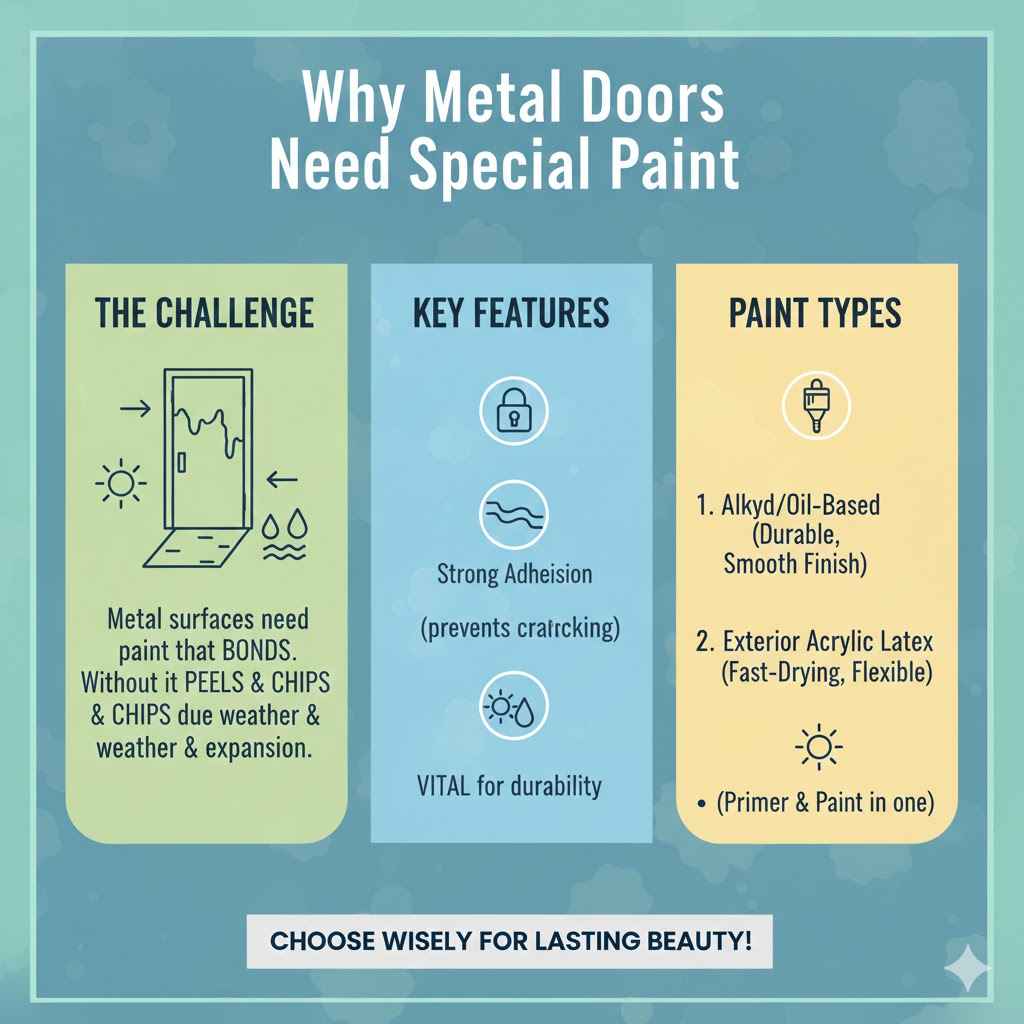
Metal surfaces are different from wood or other materials. They don’t absorb paint the same way. Without the right kind of paint, it might peel or chip off easily.
This is especially true outside where the door faces the elements. Paint for metal needs to form a strong bond and be flexible enough not to crack when the metal expands or shrinks a little.
Paint Types for Exterior Metal Doors
When you look for paint, you’ll see a few main types that work well on metal doors. Each has its own good points.
Oil-Based Paints
Oil-based paints, also called alkyd paints, have been a favorite for metal for a long time. They are known for being very durable. They create a hard, glossy finish that can really stand up to wear and tear.
Pros of Oil-Based Paint
- Great durability and hardness.
- Excellent adhesion to metal surfaces.
- Resistant to moisture and common outdoor conditions.
- Provides a smooth, high-gloss finish.
Cons of Oil-Based Paint
- Can have strong fumes and require mineral spirits for cleanup.
- Drying times can be longer than latex paints.
- May become brittle over time and crack in extreme temperatures.
Latex or Water-Based Paints
Modern latex or water-based paints have gotten much better over the years. Many are now designed specifically for metal. They are easier to use and clean up compared to oil-based paints.
Pros of Latex Paint
- Easy cleanup with soap and water.
- Faster drying times.
- Less odor compared to oil-based paints.
- More flexible, which can help prevent cracking.
- Available in many finishes and colors.
Cons of Latex Paint
- May not be as hard or durable as some oil-based paints without special formulas.
- Adhesion can be an issue if the surface isn’t prepared perfectly.
Specialty Metal Paints
There are also paints made just for metal. These often include primers in them, making them a two-in-one solution. They are formulated to stick well and protect metal from rust and corrosion.
Pros of Specialty Metal Paints
- Designed for maximum adhesion and protection on metal.
- Often include rust inhibitors.
- Can be easier to apply for beginners.
- Good durability.
Cons of Specialty Metal Paints
- Color selection might be more limited than standard paints.
- Can sometimes be more expensive.
Understanding Paint Finishes
The finish of your paint affects how it looks and how it performs. For an exterior metal door, you have a few good choices.
Glossy or High-Gloss
A high-gloss finish is very shiny. It reflects a lot of light and can make your door stand out. It’s also the most durable and easiest to clean.
However, gloss finishes can show every little imperfection on the door’s surface. Dirt and smudges are also more visible on a very shiny surface.
Semi-Gloss
Semi-gloss offers a nice shine without being overly reflective. It’s a popular choice because it balances durability and appearance well. It’s easier to clean than matte finishes and hides minor surface flaws better than high-gloss.
This is often a top pick for exterior doors.
Satin
Satin finishes have a soft sheen. They offer good durability and are easy to wipe down. They don’t show imperfections as much as glossier finishes.
This makes satin a good option if your door’s surface isn’t perfectly smooth.
Matte or Flat
Matte or flat finishes have no shine at all. They give a very modern look and hide surface issues very well. However, they are the least durable and hardest to clean.
Dirt can get stuck in the pores of a matte finish, making it difficult to remove without damaging the paint.
The Importance of Primer
Primer is a crucial step when painting any surface, especially metal. It acts as a base coat that helps the paint stick better. It also helps hide any old colors or imperfections.
For metal doors, using a primer designed for metal is very important.
Why Use a Metal Primer
- Adhesion: Helps the topcoat of paint stick firmly to the metal.
- Corrosion Resistance: Many metal primers contain rust inhibitors to protect the door.
- Surface Uniformity: Creates an even surface for the paint, so the color looks consistent.
- Durability: A good primer extends the life of your paint job.
Preparing Your Metal Door for Painting
Proper preparation is key to a long-lasting paint job. Skipping these steps will likely lead to paint peeling or chipping later on.
Step 1: Clean the Door
Start by washing the door thoroughly. Use a mild detergent and water. Rinse it well and let it dry completely.
Remove any dirt, grease, or mildew. If there’s old, peeling paint, you’ll need to remove that too.
Step 2: Remove Old Paint and Rust
If the old paint is flaking, use a paint scraper or wire brush to remove it. For any rust spots, use a wire brush or sandpaper to scrub them away until you see bare metal. Make sure to get all the rust off.
A clean metal surface is essential.
Step 3: Sand the Surface
Lightly sand the entire surface of the door. This creates a slightly rough texture, which helps the primer and paint adhere better. Use medium-grit sandpaper (around 100-150 grit) for this.
After sanding, wipe down the door with a damp cloth to remove all the dust. Let it dry again.
Step 4: Apply Primer
Choose a high-quality metal primer. Apply one or two thin coats evenly. Make sure to cover all areas, including the edges.
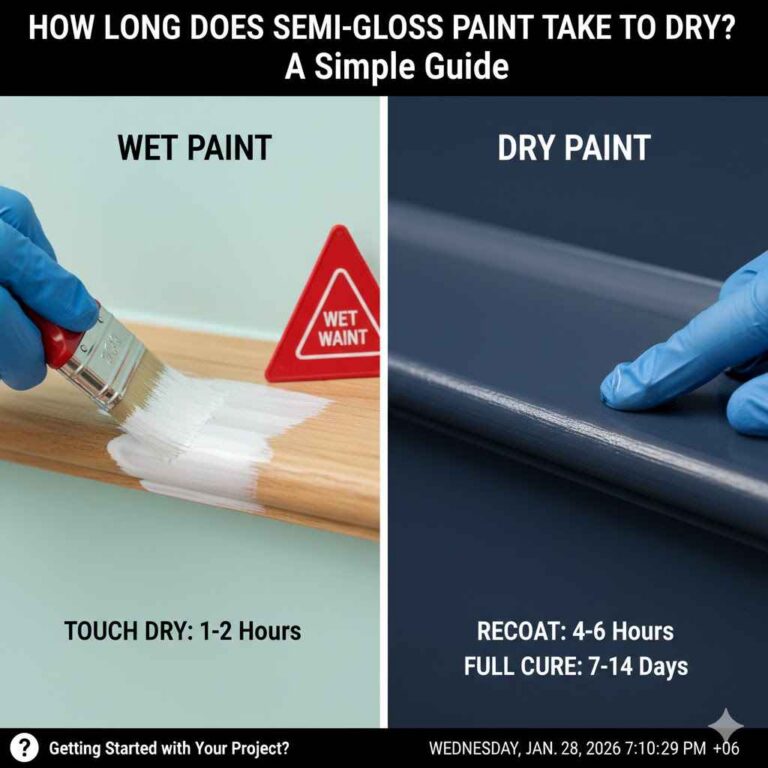
Let the primer dry completely according to the manufacturer’s instructions. This usually takes a few hours.
Applying the Topcoat of Paint
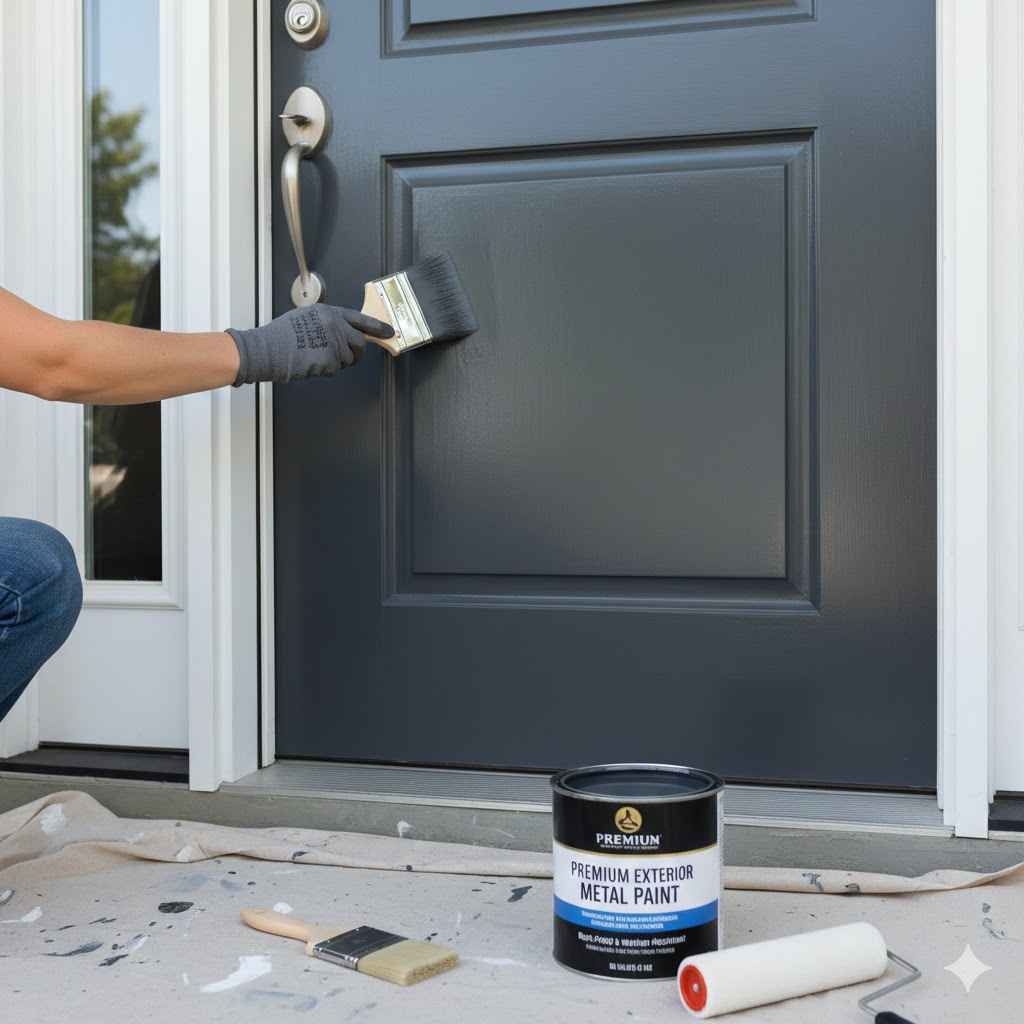
Once the primer is dry, you’re ready for the main color. You can use a brush, roller, or spray gun.
Using a Brush
A good quality synthetic brush is best for latex paints. For oil-based paints, use a natural bristle brush. Apply the paint in smooth, even strokes.
Work from top to bottom. Overlap your strokes slightly to avoid brush marks. Apply two thin coats rather than one thick coat for a smoother finish.
Using a Roller
A foam roller or a short-nap roller works well for metal doors. It can give a very smooth finish. Load the roller evenly with paint, but don’t overload it.
Roll in one direction, using light pressure. Again, two thin coats are better than one thick one.
Using a Spray Gun
Spray painting can give the most professional and smoothest finish. However, it requires practice and proper equipment. You’ll need to mask off surrounding areas to protect them from overspray.
Apply thin, even coats, moving the spray gun at a consistent speed.
Tips for Painting in Different Weather
The weather can play a big role in how your paint job turns out. Avoid painting in extreme conditions.
- Temperature: Most paints work best when the temperature is between 50°F and 80°F (10°C and 27°C). Avoid painting when it’s too hot or too cold.
- Humidity: High humidity can slow down drying time and affect paint adhesion. Try to paint on a dry day.
- Direct Sunlight: Don’t paint in direct, hot sunlight. The paint can dry too quickly, leading to brush marks or an uneven finish.
- Rain: Never paint if there’s a chance of rain soon after. Rain can wash away wet paint and ruin the finish.
Choosing the Right Color
The color of your door makes a big statement. Think about the color of your home’s siding, trim, and roof. A bright color can add a pop of personality, while a more neutral tone can offer a classic look.
You can also consider the direction your door faces. Darker colors absorb more heat from the sun, which might be a concern in very hot climates.
Maintenance for Your Painted Door
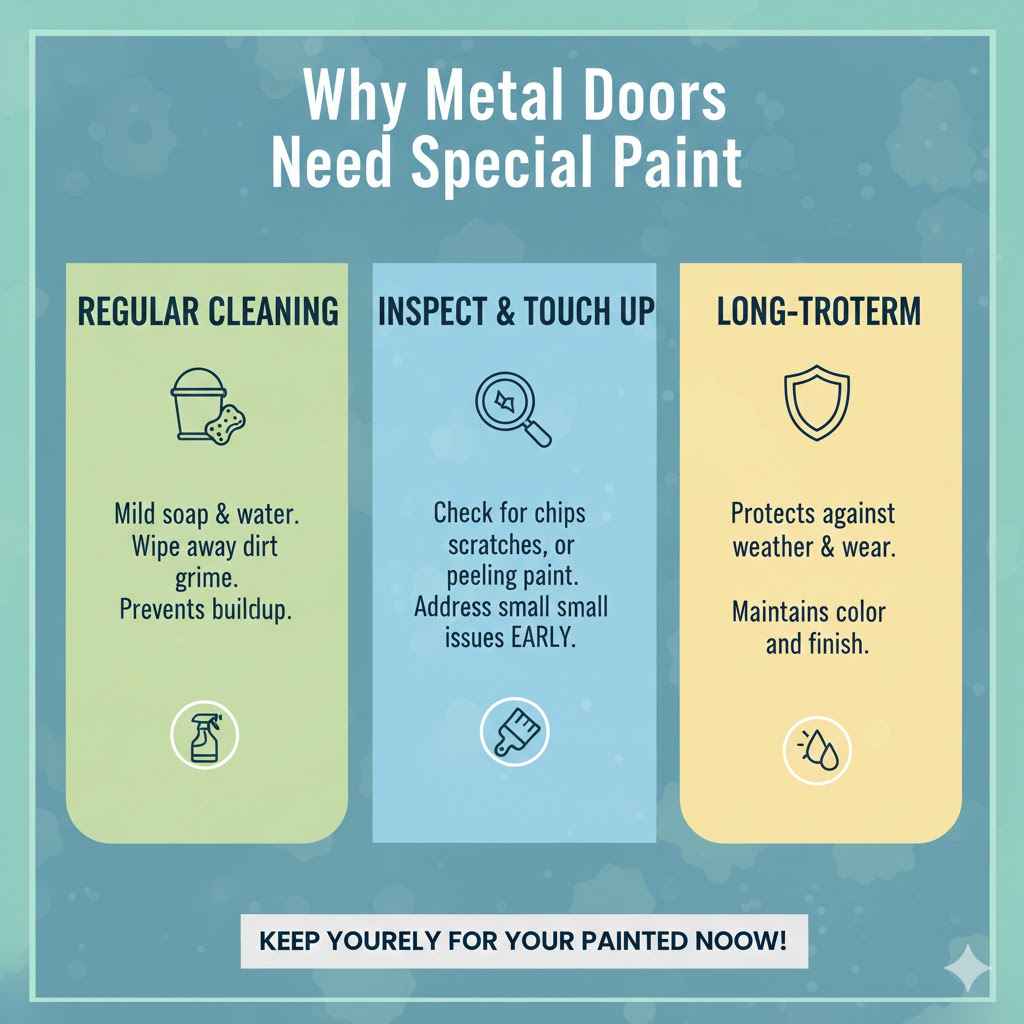
Even the best paint job needs a little care to keep it looking great. Regularly clean your door with mild soap and water. Check for any signs of chipping or peeling and touch them up quickly before they become bigger problems.
Protecting your painted door means it will continue to look its best.
Frequently Asked Questions
Question: What is the most durable type of paint for an exterior metal door?
Answer: Oil-based paints or specialty metal paints formulated for durability are generally the most durable options for exterior metal doors. They offer a hard finish that resists wear and tear well.
Question: Do I need to use a primer on a metal door?
Answer: Yes, using a primer specifically designed for metal is highly recommended. It ensures the paint adheres properly, prevents rust, and creates a smooth surface for the topcoat.
Question: Can I use regular house paint on my metal door?
Answer: While some modern exterior latex paints can work if formulated for metal, it’s best to use paints specifically labeled for metal surfaces. These are designed to stick better and protect against corrosion.
Question: How often should I repaint my exterior metal door?
Answer: With proper preparation and good quality paint, an exterior metal door may only need repainting every 5-10 years. Regular cleaning and prompt touch-ups of any damage can extend this time.
Question: What is the easiest way to paint a metal door for beginners?
Answer: For beginners, using a high-quality exterior metal paint that includes primer in its formula can simplify the process. Applying with a roller or brush, in thin coats, on a clean, prepared surface will yield good results.
Final Thoughts
Choosing the best paint for an exterior metal door involves selecting a durable formula and preparing the surface well. Oil-based or specialty metal paints offer great protection. Always start with thorough cleaning and priming.
Apply two thin coats of your chosen paint finish for a smooth, lasting look. With the right steps, your metal door will be beautiful and protected for years to come.