Best Treatment for a Wood Trailer Deck (ACQ-Safe Sealers)
A penetrating oil-based sealer — not paint or a film-forming stain — is the best treatment for a wood trailer deck, since film finishes crack and peel under wheel and cargo traffic. Sealing ACQ pressure-treated decking with the wrong fasteners causes corrosion within a season. This guide compares Thompson’s WaterSeal, Seal-Once Marine, and Eco Wood Treatment, explains ACQ-safe hardware, and covers how long to let a new deck dry before the first coat.
📊 ACQ-treated lumber is roughly twice as corrosive to fasteners as older CCA-treated wood — hot-dip galvanized (minimum G185) or stainless steel hardware is required on any trailer deck rebuilt with ACQ boards; standard electroplated screws can corrode within months. — Source: Simpson Strong-Tie, Preservative-Treated Wood FAQ
Is It Safe to Use ACQ-Treated Wood on a Trailer Deck?
Yes — ACQ (alkaline copper quaternary) is the standard pressure-treatment for trailer decking sold at most lumber yards, and any of the sealers below can be applied to it once the wood has dried. The real risk isn’t the sealer; it’s the metal touching the wood. ACQ’s higher copper content reacts with standard zinc-plated screws, joist hangers, and angle brackets, corroding them from the inside out.
- Use hot-dip galvanized (G185) or stainless steel screws to attach the deck boards to a metal trailer frame — never bare or lightly zinc-plated fasteners.
- Any brackets, angle iron, or hangers that touch the ACQ boards directly need the same galvanized or stainless spec.
- If you’re not sure your existing deck is ACQ-treated, check for the treatment stamp or greenish tint before choosing hardware.
How Long to Wait Before Sealing a New Trailer Deck
New ACQ-treated decking typically needs 30 to 90 days to dry before it will accept a sealer, longer in humid climates or if the boards were still damp at the lumber yard. Rather than guess, use the bead test: pour a small amount of water on the deck. If it beads up, the wood is still wet and needs more drying time; if it soaks in within a few minutes, the deck is ready to seal.
You can confirm dryness more precisely with a pin-type wood moisture meter — most sealer manufacturers recommend a moisture content under 15% before the first coat. Sealing too early traps moisture under the finish, which defeats the purpose of treating the deck at all.

3 Best Wood Trailer Deck Sealers Compared
All three of these are penetrating or waterproofing formulas rated for high-traffic outdoor wood, and all three are safe to use on dried ACQ-treated decking. The right pick mostly comes down to whether you want a clear waterproof barrier, a combined stain-and-seal step, or a natural silvery weathered look.
| Product | Type | Best For |
|---|---|---|
| Thompson’s WaterSeal Multi-Surface | Clear waterproofer | Budget-friendly first coat on new ACQ decking |
| Seal-Once Marine Premium | Penetrating stain + sealer | One-step color and waterproofing, low-VOC |
| Eco Wood Treatment | Mineral-based patina finish | Natural silvery weathered look, no film to peel |
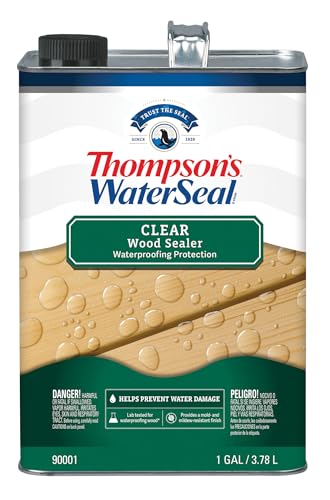
Thompson’s WaterSeal Multi-Surface Waterproofer Stain
A clear, penetrating waterproofer that soaks into the wood rather than forming a surface film, which is why it holds up better than paint on a deck that takes wheel and cargo traffic. It resists mold and mildew and is non-toxic once cured, but high-traffic decks generally need a fresh coat every 1–2 years rather than the multi-year claims on the label.
Seal-Once Marine Premium Wood Sealer
Combines a wood stain and a waterproof sealer in a single low-VOC, water-based coat, which saves a step compared to staining and sealing separately. It penetrates deeper than most film-forming stains, so it holds up to rain, snow, and UV exposure without peeling, though a second coat is usually needed on rougher, more porous decking.
Eco Wood Treatment
A mineral-based, semi-transparent finish that lets the wood weather to a natural silvery-gray patina instead of masking the grain. Since there’s no film to peel, it’s a low-maintenance option for decks that see a lot of abrasion, though it needs reapplication every few years and the final color varies by wood species.
“ACQ-D (Carbonate) and CA-B treated wood is on the average approximately two times more corrosive than CCA-C treated wood.”
Best Trailer Deck Sealer Pick
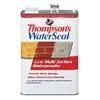
Thompson’s WaterSeal Multi-Surface Waterproofer, Clear, 1 Gal – $17.97
A clear, penetrating waterproofer that’s an easy, budget-friendly first coat on a dried ACQ trailer deck — the sealer this guide’s comparison table ranks as the value pick.
- Best for: First-time sealing of a new ACQ trailer deck
- Why we picked it: Penetrating, not film-forming — won’t crack under cargo traffic
- Main drawback: Needs reapplication roughly every 1–2 years on high-traffic decks
Compare more trailer deck options
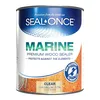 Option 1 SEAL-ONCE Marine Penetrating Wood Sealer, 1 Gal – $66.98
|
 Option 2 Eco Wood Treatment Silvery Patina Stain, 5 Gal – $66.70
|
 Option 3 Hillman Galvanized Exterior Deck Screws, 260-Pack – $10.35
|
As an Amazon Associate we earn from qualifying purchases.
Apitong, Pressure-Treated Pine, or Oak: Which Trailer Deck Material Lasts Longest?
The sealer matters less than the wood underneath it. Apitong (also sold as keruing) is the hardwood commercial trailer builders use by default — naturally rot-resistant and structurally stronger than pine or oak, but it will still rot within about a decade if the finish isn’t maintained, and it costs more per board than treated pine. Pressure-treated pine is the budget standard, widely available, but even a well-sealed PT pine deck typically wears out in 5–7 years under regular use. Oak handles heavy loads well but is difficult to nail or screw into and tends to rot faster than apitong if the finish fails.

Whichever material you choose, check how a mainstream deck stain and sealer brand compares if you’re also refinishing a house deck alongside the trailer, and browse long deck board options if you need full-length replacement boards for a larger flatbed. For general woodworking reference, see the full woodworking tips and guides hub.
Frequently Asked Questions
What is the best wood sealer for a trailer deck?
Thompson’s WaterSeal Multi-Surface Waterproofer is the best all-around pick for most trailer decks. It’s a penetrating, non-film-forming formula, so it resists cracking under wheel and cargo traffic, and it’s inexpensive enough to reapply every 1–2 years as high-traffic decks require.
Is it safe to use ACQ-treated wood on a trailer deck?
Yes, ACQ is the standard treated-lumber choice for trailer decking. The caution is with the hardware, not the wood or the sealer: use hot-dip galvanized or stainless steel screws and connectors, since ACQ’s copper content corrodes standard zinc-plated fasteners roughly twice as fast as older CCA-treated wood.
How long should I wait before sealing a new trailer deck?
Wait 30 to 90 days after installing new ACQ-treated decking before sealing it, longer in humid climates. Use the bead test to confirm: if water poured on the deck beads up, it’s still too wet to seal; once it soaks in within a few minutes, the wood is dry enough for the first coat.
How long does wood treatment last on a trailer deck?
Most penetrating sealers last 1–2 years on a high-traffic trailer deck, shorter than their multi-year claims on house decks or fences, because wheel traffic and cargo abrasion wear the finish faster. Mineral-patina treatments like Eco Wood Treatment can go a few years between coats since there’s no film to wear through.
Can I use Eco Wood Treatment on a trailer deck?
Yes. Eco Wood Treatment is a mineral-based, semi-transparent finish that develops a natural silvery patina rather than a surface film, so it holds up well to abrasion. It’s a good choice if you want the deck to weather naturally rather than keep a stained or glossy look.
How do I apply wood sealer to a trailer deck?
Clean the deck thoroughly and confirm it’s dry with the bead test first. Apply a generous, even coat with a brush or roller, let it penetrate 10–15 minutes, then wipe off any excess that hasn’t absorbed. Let it dry fully per the label before loading cargo, and keep the area ventilated while it cures.
Is waterproofing necessary for wood trailer decks?
Yes. Untreated or unsealed wood absorbs rain and road spray, which drives rot, warping, and fastener corrosion over time. Regular sealing is what lets a treated-wood trailer deck last for years instead of needing board replacement after one or two wet seasons.
Conclusion
A penetrating sealer beats paint on a wood trailer deck every time — Thompson’s WaterSeal is the budget-friendly default, Seal-Once Marine combines stain and sealer in one low-VOC coat, and Eco Wood Treatment gives a natural weathered look with no film to peel. Whatever you choose, confirm the deck is dry with the bead test first, and match hot-dip galvanized or stainless hardware to any ACQ-treated boards so the fasteners last as long as the finish does.
Sponsored / affiliate links. As an Amazon Associate I earn from qualifying purchases. I may earn additional commission from eligible campaigns.